Choosing the right wood for your bunk bed is more important than you might think. It affects not just the look and feel, but also the safety and durability of the bed where your loved ones will sleep.
You want a material that’s strong, long-lasting, and fits your style. But with so many options out there, how do you know which wood is best? Keep reading, and you’ll discover exactly what to look for to make a smart, confident choice for your home.
Top Wood Types For Bunk Beds
Choosing the right wood for a bunk bed is key to safety and style. Different woods offer various strengths, looks, and costs. Knowing the types helps make a smart choice. This guide covers the best woods for bunk beds.
Hardwood Vs Softwood
Hardwood comes from trees with broad leaves. Softwood comes from trees with needles.
Hardwood is usually stronger and lasts longer. It handles weight well and resists dents.
Softwood is lighter and easier to work with. It costs less but can scratch more easily.
Both types can make good bunk beds. The choice depends on budget and use.
Common Hardwood Choices
Oak is very strong and has a nice grain. It stays sturdy for years.
Maple is hard and smooth. It resists dents and looks clean.
Cherry has a warm color that deepens with time. It adds elegance to any room.
Walnut is rich and dark. It is durable and stylish but costs more.
Popular Softwood Options
Pine is light and affordable. It has knots that add character.
Cedar smells nice and resists insects. It is soft but durable.
Fir is straight-grained and strong. It is often used in furniture.
Softwoods work well for lighter beds or casual styles.
Durability Factors To Consider
Choosing the right wood for a bunk bed depends on many durability factors. These factors help ensure the bed lasts long and stays safe. A strong bunk bed supports the weight of kids or adults without bending or breaking. It also needs to handle daily use without showing damage quickly. Wood’s ability to resist moisture and pests keeps it in good shape over time. Understanding these durability points helps pick the best wood for your bunk bed.
Strength And Load Capacity
Strength is key for bunk beds. The wood must hold heavy weight without cracking or bending. Hardwoods like oak and maple have high strength. They support more weight than softwoods like pine. Check the wood’s density and hardness for load capacity. Strong wood keeps the bed stable and safe during use.
Resistance To Wear And Tear
Wear and tear happen from everyday use. Kids jumping or moving can cause scratches and dents. Hardwoods resist scratches better than softwoods. Woods like cherry and walnut hold up well over time. A durable surface means the bed looks good for years.
Moisture And Pest Resistance
Moisture can warp or rot wood. Pest damage weakens the bed structure. Some woods naturally resist water and insects. Cedar and teak have oils that protect against pests and moisture. Choosing resistant wood keeps the bunk bed sturdy and long-lasting.
Safety Aspects Of Wood Selection
Choosing the right wood for a bunk bed is very important for safety. Wood affects how strong and safe the bed will be. It also affects the health of children using the bed. Careful selection of wood keeps the bunk bed safe and long-lasting.
Non-toxic Finishes And Treatments
Wood finishes protect the bed but can contain harmful chemicals. Use only non-toxic finishes to avoid health risks. Natural oils or water-based paints are safer choices. These finishes do not release bad fumes. They keep the air clean and safe for kids.
Smoothness And Splinter Prevention
The wood surface must be very smooth. Rough wood can cause splinters and injuries. Sand the wood carefully before assembly. Check all edges and corners for sharp spots. Smooth wood feels safe to touch and use every day.
Structural Stability
Strong wood supports weight and movement well. Choose hardwoods like oak, maple, or beech. These woods resist bending and breaking. Check the wood for cracks or weak points. Stable wood keeps the bunk bed steady and secure.

Credit: everestkitchennc.com
Cost And Availability
Cost and availability are key factors when choosing wood for a bunk bed. The price of wood varies widely based on type and source. Some woods are easy to find and cheaper. Others cost more and might be harder to get. Understanding these differences helps you pick the best wood for your budget and needs.
Price Differences Among Woods
Softwoods like pine are usually the cheapest option. They grow fast and are easy to harvest. Hardwoods such as oak or maple cost more. They take longer to grow and are denser. Exotic woods have the highest prices. Their rarity and shipping costs increase the price. Choose wood that fits your budget without sacrificing strength.
Sourcing Locally Vs Imported Wood
Local wood is often less expensive and easier to buy. It reduces shipping fees and delivery time. Buying local also supports nearby businesses. Imported wood can add style and uniqueness to your bunk bed. But it raises the cost due to transport and tariffs. Check what types of wood are available near you before deciding.
Maintenance And Longevity
Choosing the right wood for a bunk bed affects its care and how long it lasts. Some woods need more work to keep them looking good. Others stay strong with little effort. Knowing how to maintain the wood helps protect your investment. It also keeps the bunk bed safe and sturdy for years.
Cleaning Tips
Dust the bunk bed often with a soft cloth. Use a damp cloth for sticky spots. Avoid harsh chemicals that can damage the wood finish. A mild soap and water mix works well. Dry the wood quickly to stop water damage. Clean spills right away to prevent stains. Regular cleaning keeps the wood fresh and bright.
Repair And Refinishing
Small scratches can be fixed with wood markers or wax sticks. For deeper marks, light sanding may be needed. Reapply a matching finish to protect the wood. Tighten loose screws and joints to keep the bed stable. Refinishing the wood every few years restores its look. Proper repairs extend the bunk bed’s life and strength.
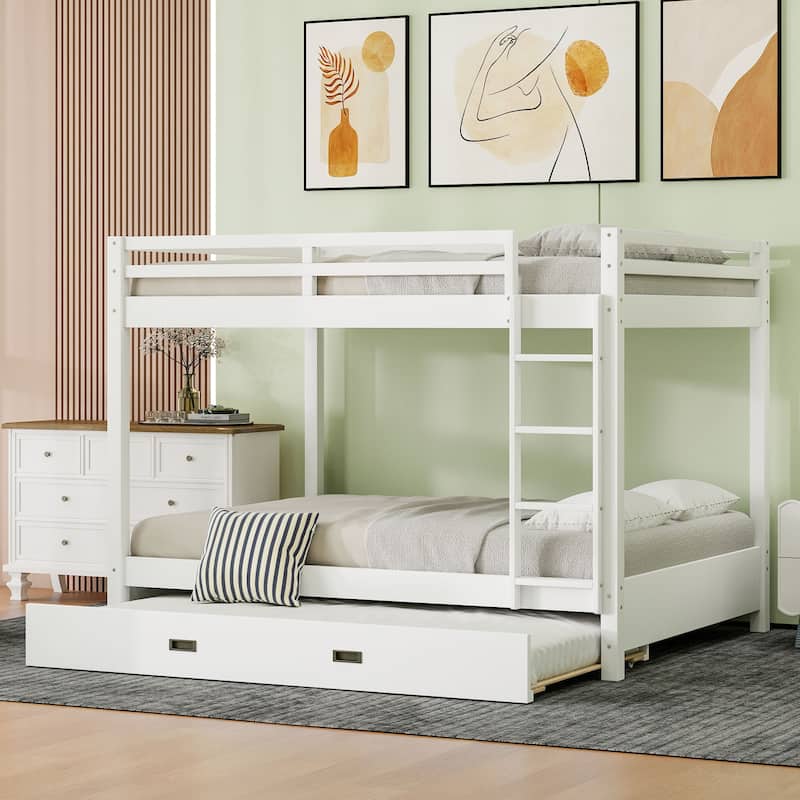
Credit: www.nilds.gov.ng
Eco-friendly Wood Options
Choosing eco-friendly wood for a bunk bed helps protect the environment. It supports forests and reduces waste. Eco-friendly wood options often last long and are safe for your home. These woods come from responsible sources. They offer a natural look without harming nature.
Sustainably Harvested Wood
Sustainably harvested wood comes from forests managed to keep trees healthy. Trees are cut in a way that allows new ones to grow. This method avoids deforestation and keeps wildlife safe. Common types include bamboo, cedar, and pine. These woods are strong and often affordable. Choosing them helps maintain forest ecosystems and reduces carbon footprints.
Reclaimed And Recycled Wood Choices
Reclaimed wood is old wood reused from other furniture or buildings. It saves trees by giving wood a second life. Recycled wood means wood scraps are turned into new products. Both options reduce waste and lower pollution. They often have unique patterns and colors. Using reclaimed or recycled wood adds character to a bunk bed. It also supports a circular economy and cuts down on landfill waste.
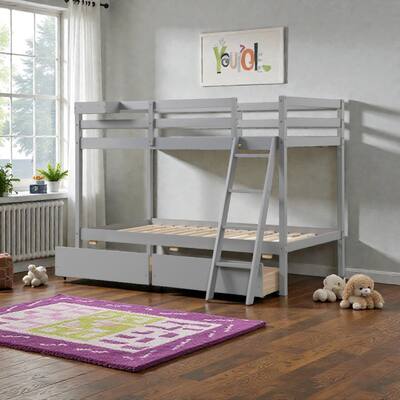
Credit: www.bestbuy.com
Frequently Asked Questions
What Wood Types Are Best For Bunk Bed Durability?
Hardwoods like oak, maple, and cherry offer excellent durability. They resist dents and scratches, ensuring long-lasting bunk beds. Softwoods like pine are cheaper but less durable. Choosing hardwood ensures safety and longevity for your bunk bed investment.
Is Solid Wood Better Than Engineered Wood For Bunk Beds?
Solid wood is stronger and more durable than engineered wood. It provides better support and longevity for bunk beds. Engineered wood may be cheaper but can weaken over time. For safety and sturdiness, solid wood is the preferred choice.
How Does Wood Type Affect Bunk Bed Safety?
Dense hardwoods provide sturdy support, reducing wobble and collapse risk. Softwoods may weaken faster, compromising safety. Proper wood choice ensures the bed can handle weight and movement safely. Always choose strong wood for child safety in bunk beds.
Which Wood Is Easiest To Maintain For Bunk Beds?
Hardwoods like oak and maple require minimal maintenance and resist wear. They only need occasional cleaning and polishing. Softwoods may need more frequent care due to dents and scratches. Hardwoods keep bunk beds looking new longer with less effort.
Conclusion
Choosing the right wood makes a big difference in bunk bed quality. Solid hardwoods like oak and maple offer strength and long life. Pine is lighter and easier on the budget but less durable. Think about safety, style, and how long the bed will last.
A sturdy wood bunk bed keeps kids safe and happy. Pick a wood that fits your needs and budget well. This way, your bunk bed will serve your family for many years.