Are you looking for a simple way to add extra storage and style to your room? Building a short bookshelf with casters is the perfect project for you.
Not only will it help organize your books and favorite items, but the wheels make it easy to move wherever you need. Imagine having a sturdy, custom bookshelf that fits your space perfectly and rolls smoothly at your command. In this guide, you’ll discover easy steps to create your own functional and stylish bookshelf, even if you’re new to DIY.
Ready to transform your space and enjoy the satisfaction of building something yourself? Let’s get started!

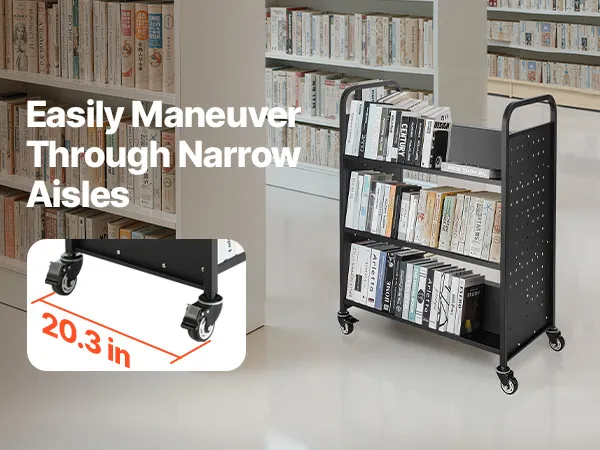
Credit: www.amazon.com
Materials And Tools Needed
Building a short bookshelf with casters is a simple and fun project. Choosing the right materials and tools makes the work easier. This section lists everything you need to start building your bookshelf.
Wood Selection
Pick wood that is strong and easy to work with. Pine, oak, or plywood are good choices. Pine is affordable and light. Oak is very sturdy but costs more. Plywood offers smooth surfaces and less warping. Choose wood thickness about 3/4 inch for good support.
Casters And Hardware
Select casters that hold enough weight and roll smoothly. Look for casters with brakes for stability. Metal casters last longer but plastic ones are quieter. Use screws and wood glue to join parts tightly. Make sure screws fit the wood thickness well.
Tools Checklist
Gather these tools before starting. A saw to cut wood pieces. A drill for holes and screws. Sandpaper or a sander to smooth edges. A screwdriver or drill bit for screws. A measuring tape and pencil for marking. Clamps to hold pieces while gluing. Safety glasses and gloves to protect yourself.

Credit: www.amazon.com
Planning Your Bookshelf
Planning your bookshelf is the first step in building a sturdy and useful piece. It helps avoid mistakes and saves time. Careful planning ensures the bookshelf fits your space and meets your storage needs. Think about how you want to use the shelf and where it will go.
Measuring Space
Measure the area where you want to place the bookshelf. Note the height, width, and depth available. Leave some room around the shelf for easy movement. Casters need space to roll smoothly. Write down the measurements to use during the design process.
Design And Dimensions
Decide the overall size of your bookshelf based on the space. Choose a height that is easy to reach. Keep the width and depth balanced for stability. Remember, wider shelves hold more but need stronger support. Shorter shelves on casters are easier to move and fit in smaller rooms.
Choosing Shelf Layout
Think about how many shelves you want and their spacing. Adjustable shelves offer flexibility for different book sizes. Fixed shelves provide more strength. You can mix open shelves with closed storage for variety. Plan the layout to keep your books organized and accessible.
Cutting The Wood Pieces
Cutting the wood pieces is an important step in building your short bookshelf with casters. Precise cuts ensure the bookshelf fits together well. Take your time to measure and cut accurately. This makes assembly easier and gives the bookshelf a neat look.
Use the right tools and follow safety rules. Smooth edges help avoid splinters and create a polished finish. Let’s break down the cutting process into clear steps.
Marking Measurements
Start by measuring each piece of wood carefully. Use a tape measure and pencil for clear marks. Double-check measurements before marking. Mark straight lines with a square tool for accuracy. Clear marks prevent mistakes during cutting.
Safe Cutting Techniques
Wear safety goggles and gloves to protect yourself. Use a sharp saw for clean cuts. Keep the wood steady with clamps or a workbench. Cut slowly along the marked lines. Follow the saw’s guide to avoid slipping. Stay focused to prevent accidents.
Sanding Edges
After cutting, sand all edges smooth. Use medium-grit sandpaper first, then fine-grit for a soft finish. Sanding removes rough spots and splinters. Smooth edges make your bookshelf safe to handle. Take time to sand well for a better final look.
Credit: slintgl.lk
Assembling The Frame
Building the frame is the first key step in making your short bookshelf with casters. A strong frame holds everything in place and makes the shelf sturdy. Take your time to assemble the parts carefully. Use a flat surface to keep pieces stable and aligned. Follow each step to get a solid base for your bookshelf.
Joining Side Panels
Start by placing the two side panels upright. Make sure they are the same height and shape. Align the edges so they stand parallel. Use clamps to hold the panels steady. Check that the panels are square using a carpenter’s square. This keeps the bookshelf balanced and neat.
Attaching Shelves
Next, slide the shelves between the side panels. Fit each shelf into the slots or marks you made earlier. Press the shelves firmly to ensure they sit tight. Keep the shelves level and even with each other. This step shapes the storage space inside your bookshelf.
Securing With Screws
Finally, use screws to hold the frame together. Drill pilot holes first to avoid splitting the wood. Insert screws at each joint where shelves meet the side panels. Tighten the screws enough to hold parts firmly. Avoid over-tightening, which can crack the wood. This step locks your frame into a strong, lasting structure.
Installing Casters
Installing casters on your short bookshelf makes it easy to move. This step adds flexibility and convenience. It also protects your floor from scratches. Follow clear steps to choose, attach, and test casters properly.
Choosing Caster Types
Select casters that fit the bookshelf size and weight. Hard casters work well on carpet, soft ones on hardwood floors. Swivel casters offer easy turning, fixed casters move straight. Check the weight limit to support your bookshelf fully.
Attaching Casters To Base
Flip the bookshelf upside down for easy access. Mark spots at each corner for the caster screws. Drill pilot holes to prevent wood splitting. Secure casters tightly with screws or bolts. Make sure all casters sit flat and firm.
Testing Mobility
Set the bookshelf upright and push it gently. Check if it rolls smoothly without sticking. Try turning the bookshelf to test swivel casters. Confirm all casters hold tight under pressure. Adjust screws if the movement feels loose or rough.
Finishing Touches
Finishing touches make your short bookshelf with casters look complete. They protect the wood and enhance its beauty. Proper finishing also helps the bookshelf last longer. Focus on painting or staining, adding a protective coating, and doing a final inspection.
Painting Or Staining
Choose paint or stain that fits your room’s style. Use smooth, even strokes for a clean look. Let each coat dry fully before adding another. Staining shows the wood grain, while paint offers solid color. Both protect the wood from damage and wear.
Adding Protective Coating
Apply a clear protective coating over paint or stain. This layer guards against scratches and moisture. Use polyurethane or varnish for strong protection. Apply thin coats and let each dry before the next. This keeps your bookshelf looking fresh and new for years.
Final Inspection
Check the bookshelf for any rough spots or missed areas. Sand lightly if needed to smooth the surface. Make sure all casters roll smoothly and are secure. Look for loose screws or gaps to fix before use. A careful final check ensures safety and a polished finish.
Tips For Maintenance
Maintaining your short bookshelf with casters keeps it looking good and working well. Regular care helps the shelf last longer and stay safe to use. Simple steps make a big difference in keeping the bookshelf sturdy and mobile.
Cleaning The Bookshelf
Dust your bookshelf often to avoid dirt buildup. Use a soft cloth or a duster for best results. Clean spills immediately to prevent stains or damage. Avoid harsh chemicals that can ruin the wood or finish.
Caster Care
Check the casters regularly for dust and hair wrapped around them. Remove any debris to keep them rolling smoothly. Apply a small amount of lubricant if the wheels feel stiff. Replace casters if they become cracked or broken.
Periodic Checks
Inspect the bookshelf every few months for loose screws or joints. Tighten any parts that feel wobbly to keep it stable. Look for signs of wear or damage on both the shelf and casters. Fix small problems quickly to avoid bigger repairs later.
Frequently Asked Questions
What Materials Are Needed To Build A Short Bookshelf With Casters?
You need wood panels, screws, wood glue, sandpaper, paint or stain, and casters. Choose sturdy wood like pine or plywood for durability. Casters should be strong enough to support the bookshelf’s weight and contents.
How Do I Attach Casters To A Short Bookshelf?
Secure casters by screwing them into the bookshelf’s bottom corners. Pre-drill holes to prevent wood splitting. Use locking casters for stability and easy mobility. Ensure all casters are the same size for balance.
What Size Casters Work Best For A Short Bookshelf?
Choose casters between 2 to 3 inches for stability and smooth movement. Larger casters handle uneven floors better but may raise shelf height. Smaller casters are less visible but might struggle on thick carpet.
Can I Customize The Finish On My Bookshelf?
Yes, you can paint or stain the bookshelf to match your decor. Sand the wood smooth before applying paint or stain. Use a clear sealant for protection and a polished look. Customize knobs or handles for added style.
Conclusion
Building a short bookshelf with casters is a smart choice. It makes moving your books easy and fast. You only need some basic tools and simple steps. This project fits well in small spaces or busy rooms. You can change the shelf’s place anytime you want.
Plus, it adds a neat look to your home. Try building one yourself and enjoy the handy benefits. It saves space and keeps your books organized. A small effort leads to a useful, mobile bookshelf. Give it a try and see how it works for you.