Are you looking to create a stunning bookshelf wall unit that perfectly fits your space and style? Designing a bookshelf wall unit isn’t just about stacking shelves—it’s about turning your wall into a functional and beautiful feature.
Imagine having a custom spot to showcase your favorite books, decor, and keepsakes, all while keeping your room organized. In this guide, you’ll discover simple steps to design a bookshelf wall unit that suits your needs and makes your space truly yours.
Keep reading, and you’ll learn how to bring your vision to life with ease.
Choosing The Right Location
Choosing the right location for your bookshelf wall unit is very important. It affects how the unit looks and how useful it will be. A well-placed bookshelf can improve your room’s style and help keep things organized. Think about the space you have, how you use the room, and the light available. These factors guide your choice and make the unit fit perfectly.
Assessing Wall Space
Start by measuring the wall where you want the bookshelf. Check the height, width, and depth available. Avoid walls with doors or windows that limit space. Look for a flat, clear surface without obstructions. A wide wall gives more room for shelves. Make sure there is enough space around the unit for easy movement.
Considering Room Function
Think about how you use the room. A living room bookshelf may hold books, decor, and media. A home office shelf might need space for files and supplies. In a bedroom, the unit can store books and personal items. Match the bookshelf’s design to the room’s purpose. This helps keep the space neat and practical.
Lighting And Accessibility
Good lighting shows off your bookshelf and makes it easier to use. Place the unit near natural light if possible. Avoid spots that are too dark or have glare. Consider adding lamps or built-in lights for evening use. Make sure the shelves are easy to reach. Keep frequently used items at a comfortable height.
Selecting Materials And Finishes
Selecting the right materials and finishes is key for a bookshelf wall unit. It affects the unit’s look, durability, and style. Choose materials that fit your space and personal taste. Think about how much weight the shelves will hold. Also, consider the room’s lighting and color scheme.
Materials like wood, metal, and glass offer different benefits. Finishes can protect the surface and add character. This section explores popular options to help you make smart choices.
Wood Types And Their Benefits
Wood is a classic choice for bookshelf units. It feels warm and natural. Hardwoods like oak, maple, and cherry are strong and last long. Softwoods like pine are lighter and easier to work with. Wood can be carved or shaped into many styles. It also accepts paint and stain well. Wood’s grain adds texture and beauty to your shelves.
Metal And Glass Options
Metal brings a modern, industrial look. Steel and aluminum are common metals used. They offer strong support for heavy books. Metal frames can be slim yet sturdy. Glass shelves create an open, light feel. Tempered glass is safe and durable. Combining metal with glass adds sleek style. These materials suit minimal or contemporary designs.
Paint And Stain Ideas
Paint changes wood’s color and style quickly. Use bright colors for a bold statement. Soft shades create a calm and cozy vibe. Stains show wood grain while changing tone. Dark stains give a rich, classic look. Clear finishes protect wood without altering color. Choose matte for a smooth, modern finish. Glossy paint adds shine and reflects light.
Planning The Layout
Planning the layout is the first step in designing a bookshelf wall unit. It helps organize space and decide what the unit will hold. A well-planned layout makes the bookshelf both useful and attractive. It balances storage needs with style preferences. Think about the room size and the items you want to display. This way, you create a clear and practical design.
Balancing Open And Closed Storage
Open shelves show books and decorations clearly. Closed storage hides clutter and protects items from dust. Mix open and closed sections for a neat look. Use cabinets or drawers for private storage. Keep often-used items easy to reach. This balance keeps the wall unit tidy and functional.
Incorporating Display Areas
Display areas highlight special objects like photos or art. Use shelves with lighting or glass doors to showcase items. Leave space around displayed pieces to avoid crowding. Vary shelf heights to fit different objects. Display zones make the bookshelf more personal and lively.
Adjustable Shelving Concepts
Adjustable shelves adapt to changing needs. They allow rearranging space for taller books or bigger items. Use brackets or tracks for easy shelf movement. Adjustable shelving increases the unit’s flexibility and lifespan. This feature helps keep the bookshelf useful as your collection grows.

Credit: www.youtube.com
Customizing For Different Rooms
Designing a bookshelf wall unit means fitting it to the room’s needs. Different rooms require different styles and functions. Customizing your bookshelf makes the space more useful and attractive. Think about what you will store and how you want the room to feel. This helps create a perfect design for each room.
Living Room Bookshelf Styles
The living room often serves as the home’s main gathering place. Choose open shelves to display books, photos, and decor. Mix shelves with closed cabinets to hide clutter. Use wood or metal for a style that matches your furniture. Add lighting inside the unit to highlight special items.
Bedroom Storage Solutions
In bedrooms, bookshelves can double as storage for clothes or personal items. Use shelves with baskets or drawers to keep things tidy. Keep the design simple and calming with light colors. Place the bookshelf near the bed for easy access to books or bedtime essentials. Compact units work well in smaller rooms.
Home Office Organization
Home offices need a mix of storage and display space. Include shelves for books and files. Add compartments for office supplies and gadgets. Adjustable shelves help fit different sized items. Keep the design clean and professional to boost focus. Use labels or clear boxes to find things fast.
Adding Functional Features
Adding functional features to a bookshelf wall unit makes it more useful and attractive. These features help you save space and keep your room tidy. They also add comfort and style. Think about how you want to use the space around your bookshelf. This helps you choose the right features for your needs.
Integrated Lighting Options
Lighting can highlight your books and decorations. LED strips or spotlights work well inside shelves. They create a warm and cozy look. Choose lights with adjustable brightness for different moods. Lighting also helps you find books easily in dim rooms.
Built-in Seating And Desks
Adding a seat or desk saves space and adds comfort. A small bench under the shelves offers a reading nook. A pull-out desk gives you a place to work or study. These features make the bookshelf wall unit more than just storage.
Hidden Storage Compartments
Hidden compartments keep clutter out of sight. Use secret drawers or cabinets for small items. These spaces keep your room neat and organized. They also protect valuable items from dust and damage. Hidden storage adds a smart touch to your design.
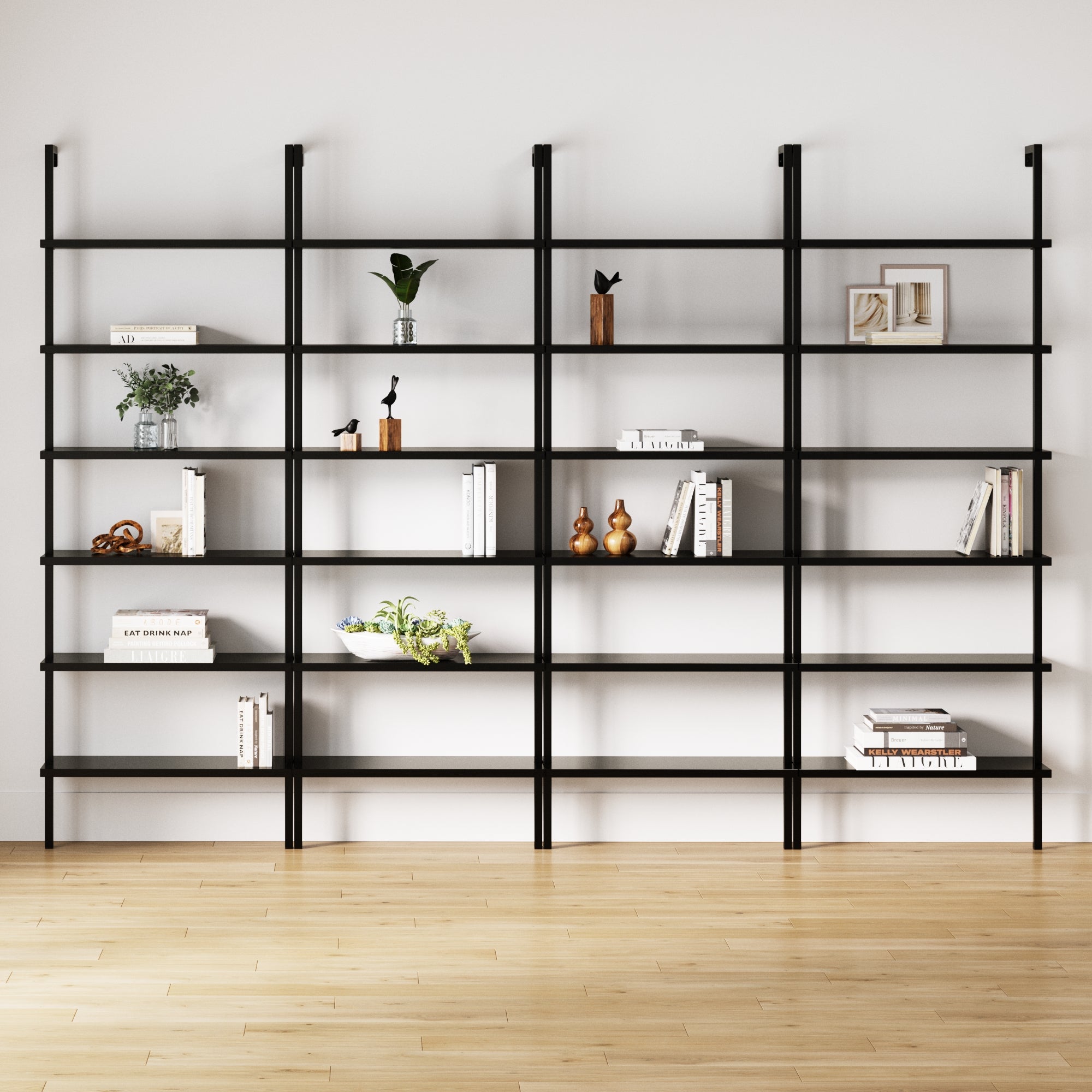
Credit: nathanjames.com
Decorating The Bookshelf
Decorating a bookshelf wall unit brings personality to your space. It turns a simple shelf into a focal point. Thoughtful decoration balances function and style. It creates a cozy and inviting atmosphere. Follow easy steps to make your bookshelf stand out.
Arranging Books Creatively
Stack books both vertically and horizontally. This breaks the monotony and adds interest. Group books by color or size for a neat look. Leave some space between stacks to avoid clutter. Place a few favorite books face-out for a personal touch.
Incorporating Decorative Items
Add small sculptures, candles, or vintage items. These pieces bring character and charm. Mix different textures like wood, glass, and metal. Keep decorations balanced but not too crowded. Use items that reflect your style and story.
Using Plants And Art
Green plants add life and freshness to the shelf. Choose small pots that fit well in the space. Place framed photos or small artworks among books. Art brings color and personality to the unit. Rotate plants and art pieces to keep the look fresh.
Installation Tips And Safety
Installing a bookshelf wall unit needs care and safety first. Proper setup keeps your shelves steady and your space safe. Follow these tips to install the unit correctly.
Wall Anchoring Techniques
Secure the bookshelf to the wall with strong anchors. Use screws and wall plugs fit for your wall type. Studs provide the best support, so locate them before drilling. If studs are not available, use heavy-duty anchors for drywall. Anchoring prevents the shelf from tipping over.
Weight Distribution Considerations
Place heavier items on lower shelves. This lowers the center of gravity and improves stability. Avoid overloading any single shelf to stop sagging. Spread the weight evenly across all shelves. This balance keeps the unit safe and durable.
Maintenance And Cleaning
Dust the shelves regularly to keep them clean. Use a soft cloth and mild cleaner to avoid damage. Check screws and anchors every few months. Tighten any loose parts for safety. Proper care extends the life of your bookshelf unit.

Credit: www.amazon.com
Frequently Asked Questions
What Materials Are Best For Bookshelf Wall Units?
Wood, plywood, and MDF are popular materials for bookshelf wall units. Wood offers durability and a classic look. Plywood is cost-effective and strong. MDF is smooth and easy to paint. Choose based on budget, style, and room conditions for the best results.
How To Measure Space For A Bookshelf Wall Unit?
Measure the wall width, height, and depth where the unit will go. Account for baseboards and outlets. Ensure enough clearance for doors or windows. Accurate measurements help design a well-fitting and functional bookshelf wall unit that complements your room.
What Design Styles Suit Bookshelf Wall Units?
Bookshelf wall units fit various styles like modern, rustic, industrial, or traditional. Choose clean lines for modern, distressed wood for rustic, metal accents for industrial, and ornate details for traditional. Match the design style with your room decor for a cohesive look.
How To Maximize Storage In Bookshelf Wall Units?
Use adjustable shelves to fit different items. Incorporate cabinets or drawers for hidden storage. Add vertical dividers for books and display sections. Use the full height of the wall to maximize space. These tips help you create a practical and organized bookshelf wall unit.
Conclusion
Designing a bookshelf wall unit adds style and function to any room. Start with a clear plan and measure your space well. Choose materials that fit your budget and taste. Arrange shelves for books and decorative items. Keep balance between open and closed storage.
Take your time to build or buy carefully. A well-made unit keeps your space neat and inviting. Enjoy your new bookshelf wall unit every day. It makes your home feel warm and organized.
