Are you looking to get the best sound from your bookshelf speakers? Mounting a crossover correctly can make all the difference.
But if you’re unsure how to do it, don’t worry — this guide will walk you through the simple steps to mount a crossover in your bookshelf speakers. By the end, you’ll know exactly how to improve your speaker’s performance and enjoy clearer, richer audio.
Keep reading to discover how easy it is to upgrade your sound setup!
Credit: www.miccatron.com
Choosing The Right Crossover
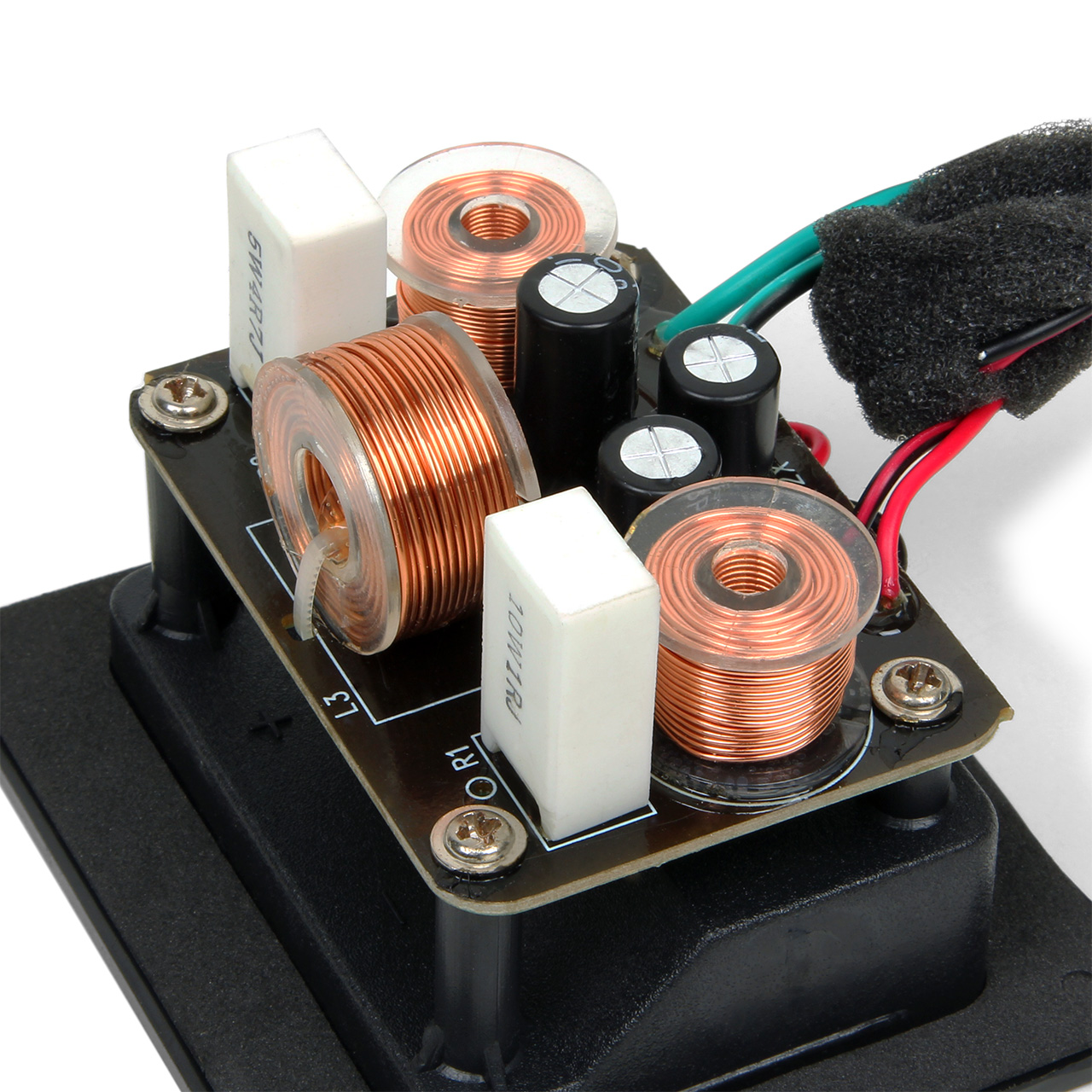
Choosing the right crossover is key to good sound from your bookshelf speakers. A crossover controls how audio signals split between speaker drivers. This helps each driver play the right sounds clearly. Picking the best crossover needs some thought about your speaker setup and listening goals.
Types Of Crossovers
There are two main types of crossovers: passive and active. Passive crossovers use simple parts like capacitors and coils. They sit inside the speaker and work without power. Active crossovers need power and sit before the amplifier. They offer more control over sound frequencies. Both types have pros and cons depending on your needs.
Matching Crossover To Speakers
Match the crossover to the speakers’ size and power. Small bookshelf speakers need crossovers that protect drivers from too much bass. Larger speakers might need crossovers with different frequency points. Check speaker specs for recommended crossover frequencies. Correct matching ensures each driver plays sounds smoothly and avoids damage.
Quality Considerations
Choose crossovers made with good parts for clear sound. Cheap crossovers can cause sound loss or distortion. Look for brands that use quality capacitors and coils. Quality crossovers last longer and keep sound sharp. This investment pays off in better listening experiences.

Credit: www.amazon.com
Preparing Your Bookshelf Speaker
Getting your bookshelf speaker ready is the first step to mount a crossover properly. This step ensures the speaker stays safe and works well. A clean and clear space helps you focus on the task without distractions. Taking your time here makes the rest of the process easier.
Careful preparation also protects your equipment. It prevents damage to the speaker and the crossover. Follow simple steps to prepare your speaker for mounting. These steps will save you time and effort later.
Tools Needed
Gather all tools before you start. You will need a screwdriver, wire stripper, and a soldering iron. A multimeter helps check connections. Keep a small flashlight handy to see inside tight spaces. Use a clean cloth to wipe dust off the speaker.
Clearing The Speaker Space
Remove the speaker grille carefully. Place it somewhere safe. Clear any dust or dirt inside the speaker cabinet. Use a soft brush or compressed air. Make sure the space is dry and free of loose parts. This clean space helps secure the crossover better.
Safety Precautions
Unplug the speaker from power before starting. Avoid touching the speaker cone or delicate parts. Wear safety glasses to protect your eyes. Work in a well-lit area with good ventilation. Keep tools organized to prevent accidents. Follow these rules to keep yourself and your speaker safe.
Mounting Locations For Crossover
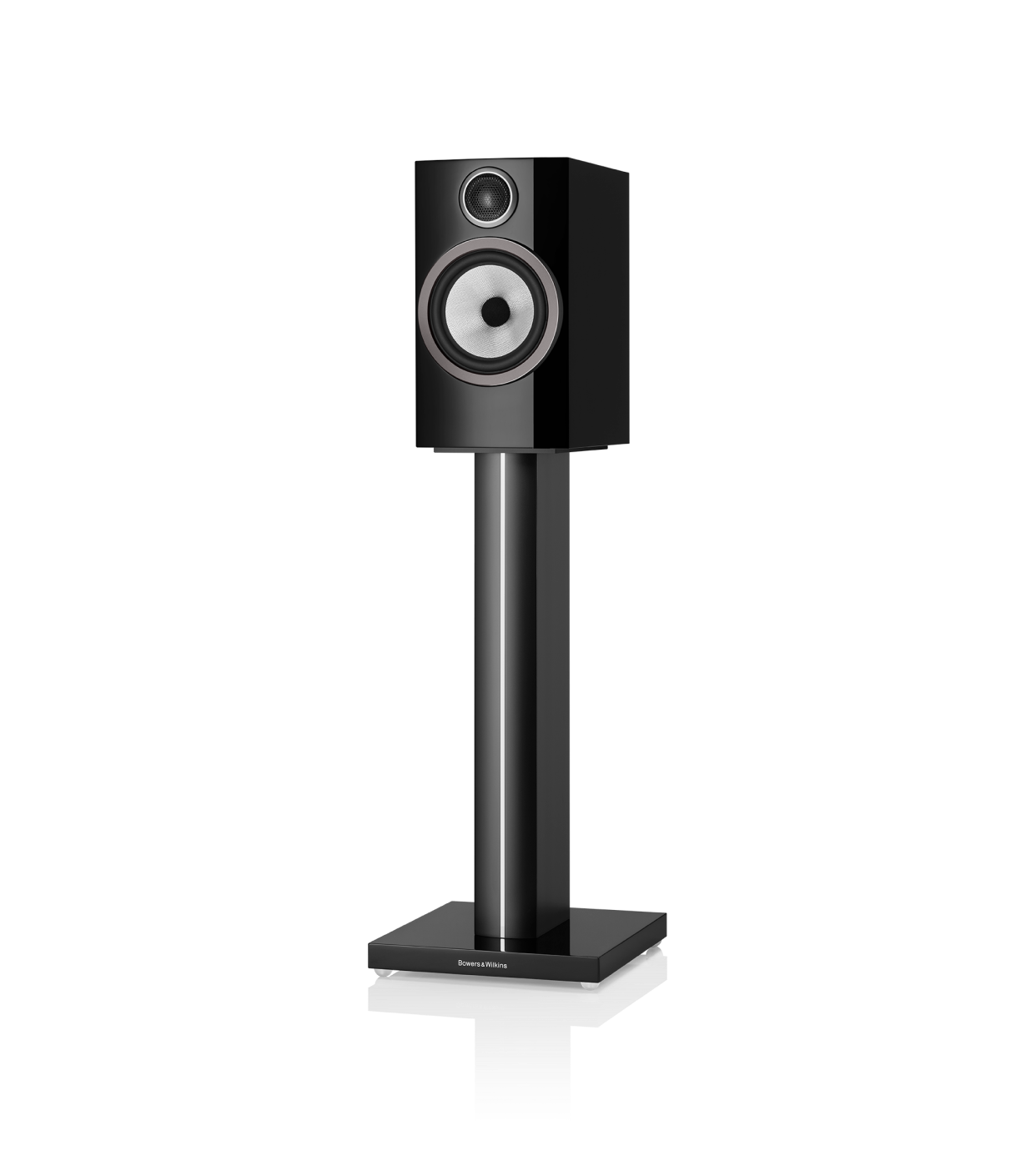
Choosing the right place to mount the crossover in your bookshelf speakers is important. It affects sound quality and speaker performance. The crossover splits audio signals, so its position matters. This section explains common mounting locations and their benefits.
Inside The Speaker Cabinet
Mounting the crossover inside the speaker cabinet keeps it safe from dust and damage. It reduces cable length, which lowers signal loss. Inside placement also keeps the design clean and organized. Many speaker builders prefer this option for neatness and protection.
External Mounting Options
External mounting lets you access the crossover easily for adjustments. You can place it on the back panel or inside a separate box nearby. This option helps when you want to upgrade or change parts. It adds flexibility but needs careful cable management to avoid interference.
Ventilation And Accessibility
Good ventilation stops the crossover from overheating during use. It is important to avoid heat buildup that can damage components. Choose a location with enough airflow. Also, the crossover should be easy to reach for repairs or tuning without disassembling the entire speaker.
Credit: hificentre.com
Wiring The Crossover
Wiring the crossover is a key step in mounting it inside your bookshelf speaker. This process ensures sound signals split correctly between the tweeter and woofer. Proper wiring guarantees clear, balanced audio output from your speaker system. Follow these simple steps to connect the crossover wires safely and effectively.
Identifying Input And Output Wires
Start by locating the input wires on the crossover. These wires receive signals from the amplifier or receiver. Usually, input wires are marked or color-coded for easy identification. Next, find the output wires. These connect to the tweeter and woofer. Double-check labels or use a manual to confirm each wire’s role.
Connecting To Tweeter And Woofer
Connect the output wires to the correct speaker drivers. The tweeter handles high frequencies, so connect its wire to the tweeter terminal. The woofer handles low frequencies, so link its wire to the woofer terminal. Match the positive and negative terminals carefully. This avoids sound distortion and damage to the speakers.
Securing Wire Connections
Ensure all wire connections are tight and secure. Loose wires cause poor sound quality and possible short circuits. Use solder or wire connectors for a firm bond. Wrap exposed wires with electrical tape to prevent shorts. Check every connection twice before final assembly.
Testing And Adjusting Sound
Testing and adjusting sound is a key step in mounting a crossover in a bookshelf speaker. It ensures the speaker plays clear and balanced audio. This process helps you find the right settings for your room and speaker setup. Proper sound adjustment improves your listening experience and protects your equipment.
Initial Sound Check
Start by playing familiar music or audio tracks. Listen for any distortion or unusual sounds. Check if the bass, midrange, and treble are clear. Make sure the speaker is connected properly. Keep the volume low at first to avoid damage.
Tweaking Crossover Settings
Adjust the crossover frequency to balance high and low sounds. Move the knob or slider slowly and listen carefully. Small changes can make a big difference. Aim for smooth transitions between the woofer and tweeter. Stop adjusting when the sound feels natural and clear.
Troubleshooting Common Issues
If the sound is muffled, check the crossover connections again. Make sure wires are tight and in the correct ports. Hissing or buzzing may mean interference or a bad cable. Try different audio sources to find the problem. Reset the crossover settings if needed and test again.
Maintaining Your Setup
Maintaining your crossover setup in a bookshelf speaker is key for lasting sound quality and performance. Regular care keeps the system working well. Small efforts prevent bigger problems later. Here are simple steps to help you maintain your setup.
Regular Inspections
Check your crossover and speaker connections often. Look for loose wires or damaged parts. Make sure all screws are tight. Inspect the crossover components for dust or corrosion. Early detection of issues saves repair costs. Keep an eye on any unusual sounds or distortion during playback. These signs may point to crossover problems.
Cleaning Tips
Clean your crossover and speaker area carefully. Use a dry, soft brush to remove dust. Avoid liquids near electronic parts. Compressed air can blow out dust from tight spaces. Clean speaker terminals and connectors gently. A clean setup helps sound stay clear. Regular cleaning prevents buildup that can affect performance.
Upgrading Components
Consider upgrading crossover parts for better sound. Higher quality capacitors and inductors improve audio clarity. Upgrades can extend the life of your speakers. Choose components that match your speaker’s specifications. Professional help ensures correct installation. Upgrading keeps your bookshelf speakers sounding fresh and strong.
Frequently Asked Questions
What Tools Are Needed To Mount A Crossover In A Bookshelf?
You need a screwdriver, wire stripper, and mounting screws. A drill may help for pilot holes. A multimeter ensures correct wiring. These tools make mounting easier and safer.
How Do I Connect Wires To The Crossover Properly?
Strip wire ends and match colors to terminals. Secure wires under screws tightly. Avoid loose connections to prevent sound issues. Double-check polarity for correct audio phase.
Where Is The Best Location To Mount A Crossover Inside A Bookshelf?
Mount the crossover away from heat and vibration. Place it near the speaker terminals for short wire runs. Avoid obstructing the speaker drivers or acoustic ports.
Can I Mount A Crossover Externally On A Bookshelf?
Yes, external mounting is possible. Use a protective enclosure to prevent damage. Ensure proper ventilation to avoid overheating. Secure firmly to prevent vibrations affecting sound quality.
Conclusion
Mounting a crossover in a bookshelf is easier than it seems. Follow the steps carefully and use the right tools. Secure the crossover firmly to avoid any sound issues. Check all connections before testing your speakers. This simple task can improve your audio quality a lot.
Take your time and enjoy better sound at home. You will feel proud of your work and hear the difference clearly. Simple installation brings great results. Try it today and listen closely.