If you’ve noticed red, itchy spots on your toddler’s skin and wonder what they might be, you’re not alone. Bed bug bites can be tricky to identify, especially on little ones whose skin reacts differently.
Knowing exactly what bed bug bites look like on a toddler can help you act quickly and keep your child comfortable and safe. You’ll discover the signs to watch for, how to tell these bites apart from other common skin issues, and what steps to take if you suspect bed bugs are the cause.
Keep reading to protect your child and bring peace of mind back to your home.
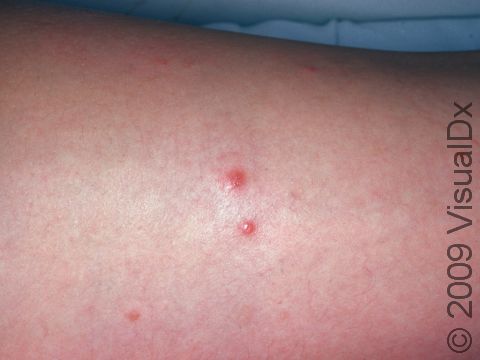
Credit: skinsight.com
Identifying Bed Bug Bites On Toddlers
Toddlers react differently to bed bug bites than adults. Their skin is more sensitive. They may show clear signs of discomfort. Knowing these symptoms helps parents act fast. Early care can prevent further issues. Watch closely for changes in your child’s skin and behavior.
Itching And Irritation
Bites cause redness and small bumps on the skin. Toddlers often scratch the itchy spots. Scratching worsens the irritation and can break the skin. Itching might keep your child restless or upset. The bites usually appear in clusters or lines.
Possible Allergic Responses
Some toddlers develop stronger reactions to bites. Swelling or hives may appear around the bite area. The skin might feel warm or tender to touch. Allergic reactions can cause discomfort and fussiness. Monitor your child closely for unusual swelling or rash.
Signs Of Infection
Scratching can cause breaks in the skin. Bacteria may enter, causing infection. Look for increased redness, warmth, or pus. The area may become swollen and painful. Fever or general irritability may also signal infection. Seek medical advice if these signs appear.
Symptoms And Reactions In Toddlers
Bed bug bites on toddlers can look similar to other insect bites. Knowing how to tell them apart helps in proper care and treatment. Different insects leave different marks on the skin. Each type of bite has unique features. Parents should observe these details closely.
Comparing With Mosquito Bites
Mosquito bites usually appear as round, red bumps. They often swell quickly and become itchy. These bites often occur on exposed skin like arms and legs. Mosquito bites are mostly isolated, not in lines. Bed bug bites often appear in clusters or rows.
Distinguishing From Flea Bites
Flea bites are small, red, and very itchy. They often appear near the feet, ankles, or lower legs. Flea bites can have a red halo around the center. Bed bug bites usually do not have this halo. Flea bites often cause more intense itching than bed bugs.
Other Skin Conditions To Consider
Some rashes or allergies can look like insect bites. Conditions like eczema or hives cause redness and swelling. These skin issues usually spread over larger areas. They also may not have the small puncture marks. Consulting a doctor is best for unclear skin problems.
Differentiating Bed Bug Bites From Other Insect Bites
Finding effective home remedies for bed bug bites on toddlers is important. These remedies help ease discomfort and stop further irritation. Gentle care can soothe the skin and protect your child from scratching. Safe and natural treatments support quick relief without harsh chemicals.
Soothing Itchiness
Cold compresses calm the itchy spots quickly. Use a clean cloth dipped in cold water. Apply gently on the bites for 10 minutes. Aloe vera gel also cools the skin and reduces redness. Choose pure aloe vera to avoid irritation. These methods provide fast relief and comfort.
Preventing Scratching
Keep your toddler’s nails short and clean. This lowers the risk of skin damage. Cover the bites with loose cotton clothing. Soft fabrics stop direct contact and reduce itching. Distract your child with toys or activities. This helps keep their hands busy and away from bites.
Natural Treatments Safe For Toddlers
Oatmeal baths soothe inflamed skin and calm itchiness. Mix finely ground oatmeal in warm bath water. Let your toddler soak for 10 to 15 minutes. Calendula cream is gentle and helps heal bite marks. Use products made for sensitive skin. Avoid strong chemicals or fragrances to protect your child’s skin.
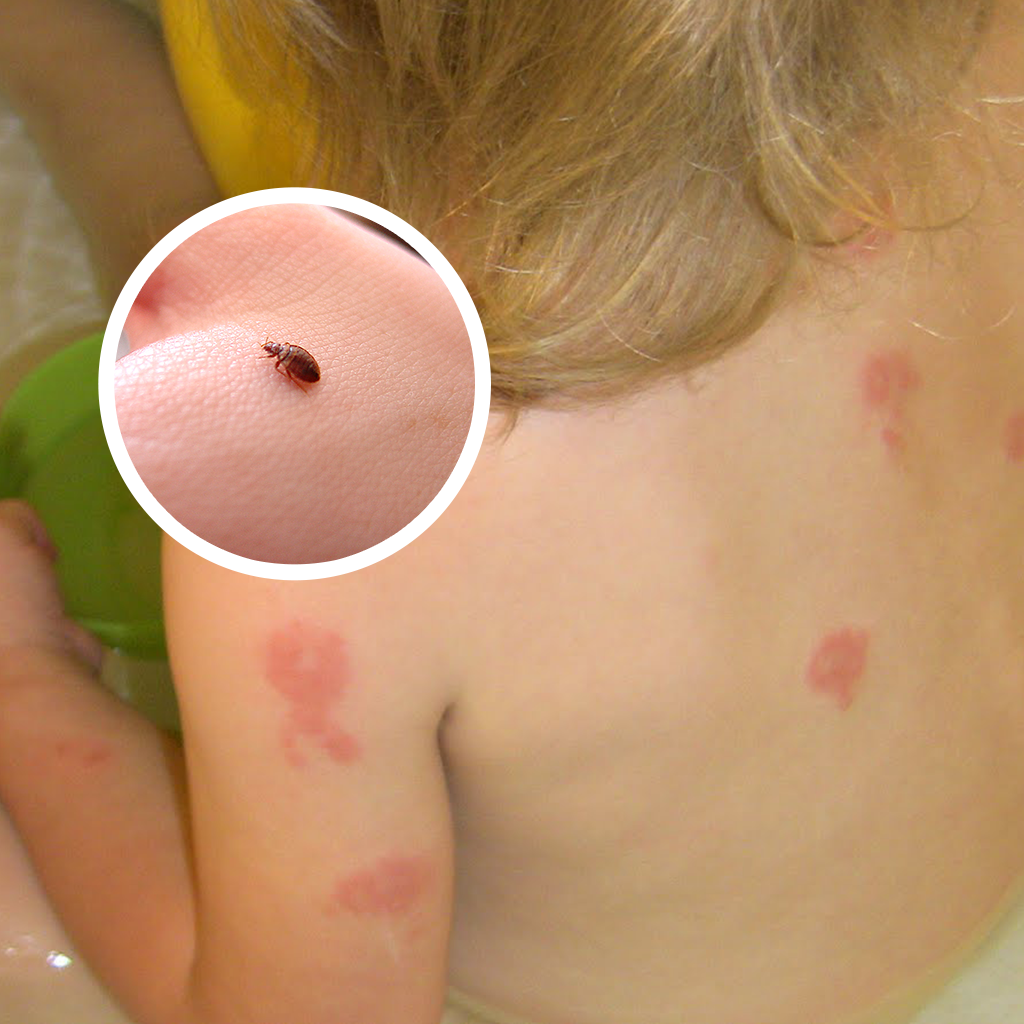
Credit: bedbugsos.ca
Effective Home Remedies For Relief
Professional pest control is often the best solution for bed bug bites on toddlers. These pests hide well and multiply fast. Treating them yourself can be tough and unsafe for young children. Experts have the right tools and knowledge to handle the problem safely and quickly.
When To Call Experts
Call pest control if bed bug bites spread or worsen. If you see bugs or small blood spots on bedding, act fast. Persistent itching or red marks on your toddler’s skin is a warning. Early professional help stops the problem from growing.
Types Of Treatments Available
Experts use several methods to remove bed bugs. Heat treatment kills bugs at all life stages. Chemical sprays target bugs but are used carefully. Some services combine heat and chemicals for better results. Professionals inspect and treat hidden places, like mattresses and furniture.
Ensuring Safety For Children
Safety is top priority during pest control around toddlers. Professionals use child-safe products and follow strict rules. They explain how to prepare the home and protect your child. After treatment, they check the area before you return. This care helps keep your toddler safe and healthy.
Professional Pest Control Options
Preventing future bed bug infestations is key to keeping your toddler safe and comfortable. Bed bugs spread quickly and cause itchy bites that can trouble your child. Taking simple steps can stop these pests from returning. Focus on regular checks, smart bedding choices, and a clean home.
Regular Inspection Tips
Check your toddler’s mattress and bed frame often. Look for small dark spots or tiny bugs. Inspect seams, folds, and cracks carefully. Use a flashlight to see better in tight spaces. Early detection helps stop bed bugs before they spread.
Protective Bedding Choices
Use mattress covers designed to block bed bugs. Choose covers that zip fully and are made of strong material. Wash bedding in hot water regularly. Dry on high heat to kill any bugs or eggs. These covers create a barrier that stops bugs from hiding.
Maintaining A Clean Environment
Keep your toddler’s room tidy and clutter-free. Vacuum floors, carpets, and furniture often. Empty the vacuum bag outside to avoid bugs returning. Store toys and clothes in sealed containers. Clean spaces leave fewer places for bed bugs to hide.
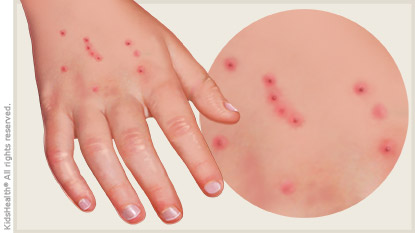
Credit: kidshealth.org
Frequently Asked Questions
What Do Bed Bug Bites Look Like On Toddlers?
Bed bug bites on toddlers appear as small, red, itchy bumps. They often form in clusters or lines, mostly on exposed skin like arms, legs, and face. Toddlers may show discomfort and scratch frequently due to irritation.
How To Differentiate Bed Bug Bites From Other Insect Bites?
Bed bug bites usually appear in a linear or clustered pattern. They cause intense itching and redness. Unlike mosquito bites, they rarely have a central puncture mark. Toddler bites often appear overnight after exposure to infested areas.
Are Bed Bug Bites Dangerous For Toddlers?
Bed bug bites are not known to transmit diseases but can cause itching and discomfort. Excessive scratching may lead to skin infections. It’s important to treat bites promptly to avoid complications in toddlers.
When Should You See A Doctor For Toddler Bed Bug Bites?
Seek medical advice if bites cause severe swelling, infection, or allergic reactions. If your toddler develops a fever or the bites worsen, consult a healthcare provider. Early treatment helps prevent further skin issues.
Conclusion
Bed bug bites on toddlers often appear as small, red bumps. They can cause itching and discomfort. Knowing what these bites look like helps parents act fast. Treating bites early can prevent infection. Keep your toddler’s skin clean and watch for signs of irritation.
If bites worsen, seek medical advice. Staying calm and informed is important. Protect your child by checking bedding and furniture regularly. Early action leads to faster relief and comfort for your toddler.