Are you thinking about getting a bunk bed for your child but wondering, “What age can kids sleep in a bunk bed safely?” It’s a common question for parents who want to create a fun and practical space without risking their child’s safety. Choosing the right time to make this switch can save you a lot of worry and help your child feel comfortable and secure.
You’ll discover the ideal age for bunk beds, important safety tips, and how to make the transition smooth for your family. Keep reading to make the best choice for your child’s sleep and your peace of mind.

Credit: www.customkidsfurniture.com
Age Recommendations For Bunk Beds
Bunk beds are popular for saving space and adding fun to a child’s room. Parents often ask about the right age for kids to sleep in bunk beds. Age recommendations help ensure safety and comfort. Knowing the right age can prevent accidents and give parents peace of mind.
Each child is different, and various factors affect when a bunk bed is suitable. Below are important guidelines and key points to consider.
Minimum Age Guidelines
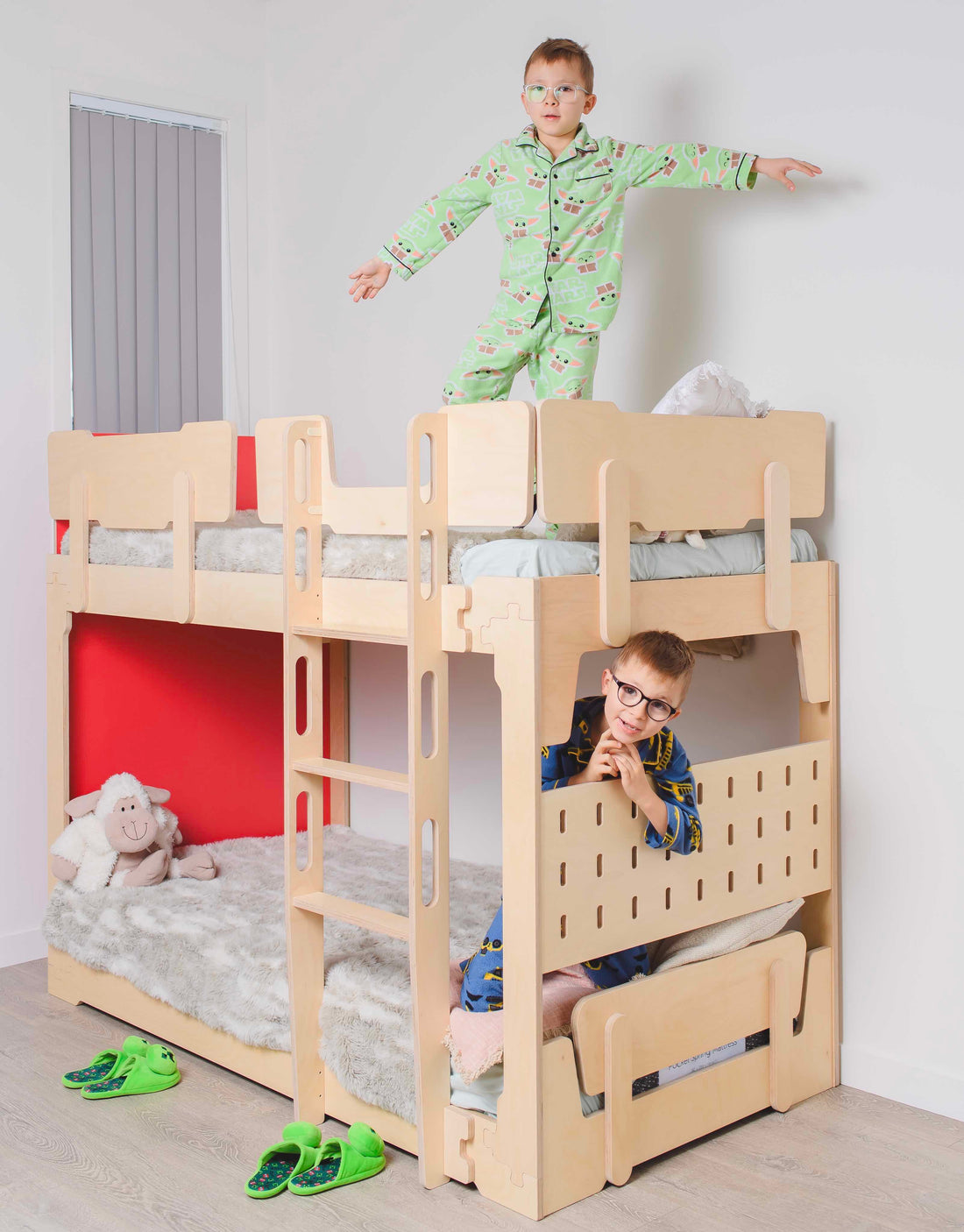
Most experts suggest children should be at least six years old to use the top bunk. Younger kids may not have the balance or coordination needed to climb safely. The risk of falling is higher for small children. The bottom bunk is usually safe for younger children but check the bed design. Always follow the manufacturer’s age recommendations for your specific bunk bed.
Factors Influencing Age Suitability
Physical ability plays a big role in bunk bed safety. Kids who are strong and steady climbers may use the top bunk sooner. Consider your child’s maturity and whether they understand safety rules. The design of the bunk bed matters, such as guardrails and ladder type. Room size and ceiling height also affect safety. Always supervise young children using bunk beds until confident they can use them safely.
Safety Features To Look For
Choosing the right bunk bed for kids means focusing on safety. Parents must check key features that protect children during sleep. These features reduce risks and make bunk beds safer for young users.
Guardrails And Their Importance
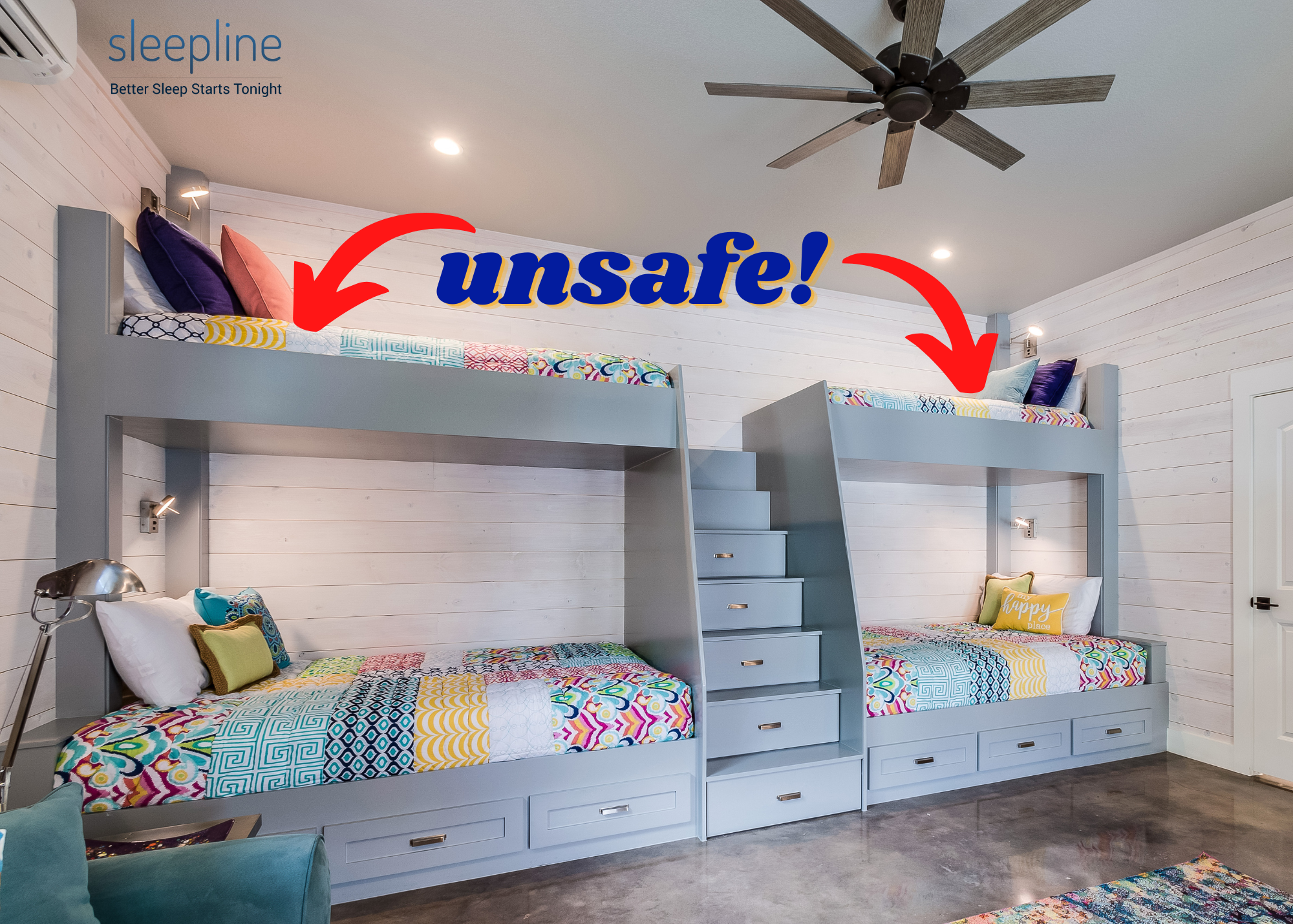
Guardrails prevent children from falling off the top bunk. They should be high enough to cover the mattress edge. Make sure the rails are strong and firmly attached. Gaps between rails must be small to avoid getting stuck. Guardrails give kids a safe boundary while they sleep.
Sturdy Ladder Design
The ladder should be easy to climb and steady. Wide steps help kids keep their balance. Check that the ladder is tightly fixed to the bed frame. Non-slip surfaces on steps reduce slipping risks. A strong ladder makes climbing safe and comfortable.
Mattress Size And Fit
The mattress must fit the bed frame perfectly. Too small or too large mattresses create gaps. Gaps increase the risk of entrapment or falls. Use the mattress size recommended by the manufacturer. A snug fit keeps kids secure and cozy all night.
Common Risks And Hazards
Bunk beds are fun and save space. But they come with risks. Parents must know the common hazards. Safety should always be the top priority. Understanding these dangers helps protect children. Let’s explore some key risks found in bunk beds.
Falls And Injuries
Falling is the most common risk with bunk beds. The top bunk is high off the ground. Children can roll off while sleeping. Climbing up or down carelessly can cause falls. Injuries may include bruises, cuts, or broken bones. Guardrails help reduce falls but do not eliminate risk. Supervision is important, especially for younger kids.
Entrapment And Suffocation
Entrapment happens when a child’s body parts get stuck. Spaces between the bed frame can trap arms or legs. This can cause panic or injury. Suffocation risks appear with poor bedding choices. Pillows or blankets can block airflow. Bedding should be light and fit well. Proper bed design reduces these dangers.
Climbing Accidents
Climbing the ladder or bed frame can be risky. Slips or slips cause sudden falls. Children may try unsafe ways to climb. They might jump from the top bunk. These actions lead to serious injuries. Teaching safe climbing and using sturdy ladders is crucial. Clear rules can prevent accidents.
Tips For Safe Use
Using a bunk bed can be fun for kids, but safety is very important. Parents must take steps to keep kids safe while using bunk beds. Following simple tips helps prevent accidents and keeps the sleeping area secure. This section shares key advice on safe bunk bed use.
Proper Assembly And Maintenance
Always follow the manufacturer’s instructions carefully during assembly. Tighten all screws and bolts to avoid loose parts. Check that guardrails are firmly attached on the top bunk. Use the right mattress size to prevent gaps. Regularly check for any broken or worn parts. Fix or replace parts immediately to keep the bed safe.
Setting Rules For Kids
Teach children to use the bunk bed safely. No jumping or rough play on the bed. Only one child should use the ladder at a time. Kids should always sleep on the mattress, not on the ladder or rails. Make sure younger kids understand they must not climb the top bunk alone. Clear rules help reduce risks and keep kids safe.
Regular Safety Checks
Inspect the bunk bed every few months. Look for loose screws, cracks, or weak spots. Test the guardrails and ladder for stability. Watch how your kids use the bed to spot unsafe habits. Fix any problems right away to avoid injuries. Regular checks protect your children and extend the bed’s life.
Alternatives To Bunk Beds
Bunk beds are popular but not always the best choice for every child. Some kids need different sleeping solutions. Alternatives to bunk beds offer comfort and safety for various ages. These options save space and fit different room styles. Parents can choose what suits their child’s needs best.
Loft Beds For Older Kids
Loft beds lift the mattress off the floor. They free up space underneath for desks or play areas. Older kids enjoy this setup for study and fun. Loft beds keep the room open and organized. They are safer than bunk beds for kids over six.
Trundle Beds
Trundle beds have a pull-out mattress below the main bed. This option is great for sleepovers or siblings sharing a room. They save space during the day and offer extra sleeping room at night. Trundle beds work well for children from five years old and up.
Floor Beds For Toddlers
Floor beds sit directly on the floor. Toddlers can climb in and out safely. These beds support independence and reduce fall risk. Floor beds suit children around one to three years old. They are ideal for early sleepers who need a cozy, secure space.
Credit: www.sleepline.com
Credit: kitsmart.co.nz
Frequently Asked Questions
At What Age Can Kids Safely Use A Bunk Bed?
Children can safely use a bunk bed starting at age 6. This is when they develop better motor skills and judgment. Younger kids risk falls or injuries without proper coordination. Always follow manufacturer guidelines and ensure guardrails are installed for safety.
Why Are Bunk Beds Not Recommended For Toddlers?
Toddlers lack the physical and cognitive ability to safely climb bunk beds. They may fall or get trapped. Their small size and restless sleep increase the risk of injury. It’s best to wait until children are older and understand safety rules.
How To Ensure Bunk Bed Safety For Kids?
Always install guardrails on the top bunk. Use a sturdy ladder for climbing. Ensure the bed is anchored to the wall to prevent tipping. Teach kids safe climbing and sleeping habits. Regularly check the bed for loose screws or damage.
Can Kids Under 6 Use The Bottom Bunk Safely?
Yes, the bottom bunk is safer for children under 6. It’s closer to the ground, reducing fall risk. However, supervision is still important. Avoid using the top bunk until the child is older and more coordinated. Always follow safety guidelines.
Conclusion
Kids should start sleeping in bunk beds around six years old. At this age, children are more aware and steady. Safety is key; guardrails and sturdy ladders help prevent falls. Parents must teach kids how to use bunk beds carefully.
Choosing the right bed size also matters. Watching your child’s comfort and confidence is important. Bunk beds can save space and add fun to rooms. Always check the bed’s quality before buying. With care and guidance, bunk beds make a great sleeping spot for older kids.