If you’re planning to build a bunk bed, choosing the right kind of lumber is one of the most important steps. The wood you pick will affect how strong, safe, and durable your bunk bed is.
You want a material that can hold up to daily use and keep your loved ones secure. But with so many types of lumber available, how do you know which one is best for your project? You’ll discover the top lumber options, what makes each one unique, and how to pick the perfect wood for your bunk bed.
Keep reading to make sure your build is solid, safe, and built to last.
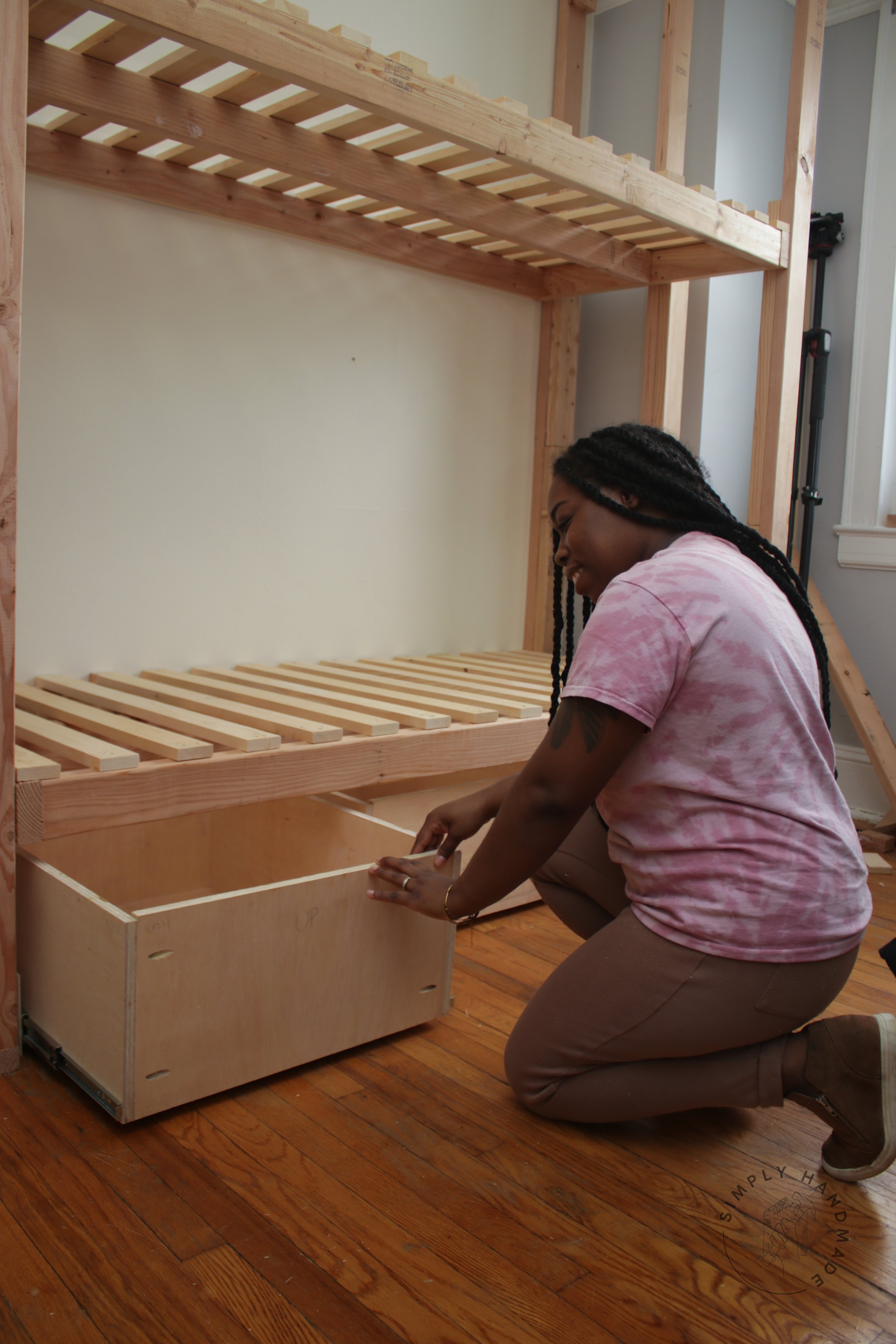
Credit: www.simplyhandmadestudios.com
Types Of Lumber For Bunk Beds
Choosing the right lumber is crucial for building a safe and sturdy bunk bed. The type of wood affects strength, durability, and look. Some woods offer great support but cost more. Others are affordable but less durable. Understanding different lumber types helps make smart choices for your project.
Softwoods Vs Hardwoods
Softwoods come from evergreen trees like pine and fir. They are lighter, easier to cut, and usually less expensive. Softwoods can work well for bunk beds if properly treated. They are not as strong as hardwoods but often enough for kids’ furniture.
Hardwoods grow on deciduous trees such as oak and maple. These woods are dense and strong. Hardwoods last longer and resist dents better. They provide a solid frame for bunk beds that can hold more weight. Hardwoods tend to be pricier and harder to work with.
Common Lumber Varieties
Pine is a popular softwood choice. It is affordable and easy to find. Pine is light but can dent or scratch easily. Fir is another softwood option. It is a bit stronger and has a nice grain.
Oak is a common hardwood for furniture. It is very strong and lasts long. Maple is smooth and hard, good for a clean finish. Poplar is a softer hardwood, easy to paint and shape. Each wood type changes the bunk bed’s look and strength.

Credit: joinerydesignco.com
Durability Factors
Choosing the right lumber for a bunk bed means focusing on durability. Durability ensures the bed stays safe and strong for years. This section explains key factors that affect the lumber’s durability. Understanding these helps pick the best wood for a lasting bunk bed.
Strength And Load Capacity
Strength is the wood’s ability to hold weight without bending or breaking. Bunk beds must support heavy loads, including children and adults. Hardwoods like oak and maple have high strength. Softwoods like pine can work but need thicker pieces. Always check the lumber’s load capacity before building.
Resistance To Wear And Damage
Resistance means how well the wood handles scratches, dents, and moisture. Bunk beds face daily use and bumps. Hardwoods resist dents and wear better than softwoods. Some woods also resist moisture, reducing warping and cracking. A durable finish can add extra protection to the wood.
Safety Considerations
Safety is the top priority when choosing lumber for a bunk bed. The wood must be strong and free from harmful chemicals. It should also be smooth to avoid injuries. These factors help protect kids from accidents and health issues.
Non-toxic Finishes And Treatments
Choose wood treated with non-toxic finishes. These finishes keep the wood safe and free from pests. Avoid chemicals that release harmful fumes. Look for labels that say “safe for children” or “low VOC.” This ensures the bed stays healthy for kids.
Smoothness And Splinter Prevention
Wood must be sanded smooth on all surfaces. Rough edges or splinters can cause cuts or scratches. Use fine sandpaper to remove any rough spots. Check corners and joints carefully. A smooth finish makes the bed safe and comfortable to use.
Popular Lumber Choices
Choosing the right lumber is key to building a strong bunk bed. The wood must be safe, durable, and easy to work with. Some types of wood are better suited for bunk beds than others. Here are popular lumber choices for this project.
Pine
Pine is a softwood that is widely used for furniture. It is affordable and easy to cut or shape. Pine has a light color that can be stained or painted. It is strong enough for bunk beds but may dent more easily.
Oak
Oak is a hardwood known for its strength and durability. It holds up well under heavy use, making it great for bunk beds. Oak has a beautiful grain that looks nice without much finish. This wood is more expensive than pine.
Maple
Maple is a dense hardwood that offers excellent strength. It resists scratches and dents better than many woods. Maple has a smooth surface that takes paint or stain evenly. This wood is a popular choice for children’s furniture.
Cedar
Cedar is a softwood with natural resistance to insects and rot. It has a pleasant smell and a warm reddish color. Cedar is lightweight but strong enough for bunk beds. This wood is ideal for a natural, rustic look.
Budget And Availability
Budget and availability shape your choice of lumber for a bunk bed. Knowing your options helps you build a strong bed without overspending. Choose wood that fits your budget and is easy to find nearby. This saves time and money.
Cost Comparison
Softwoods like pine cost less than hardwoods like oak. Pine is light, easy to work with, and fits small budgets. Oak and maple last longer but cost more. Choose wood that balances price and strength. Consider the total cost, including nails and finishes.
Local Sourcing Tips
Check local lumber yards first. Local wood often costs less due to lower shipping fees. Ask for offcuts or scrap pieces for savings. Some yards sell leftover wood at reduced prices. Visit farmers’ markets or craft fairs for small wood suppliers. Buying local supports your community and ensures fresh wood.
Maintenance And Longevity
Building a bunk bed with the right lumber is just the start. Keeping it strong and looking good needs regular care. Good maintenance helps the bed last many years. It stops small problems from becoming big ones. This section covers simple ways to clean and fix your bunk bed. These steps help protect your investment and keep the wood safe.
Cleaning And Care
Dust the bunk bed often using a soft cloth. Dirt can scratch the wood surface. Use a damp cloth for sticky spots. Avoid soaking the wood with water. Dry the wood quickly after cleaning. Use mild soap if needed. Harsh chemicals can damage the finish. Keep the bed away from direct sunlight. Sunlight can fade the wood color. Check the bed for loose screws or joints. Tighten them to keep the bed stable and safe.
Repairing Common Issues
Wood can crack or chip over time. Small cracks need filling with wood filler. Sand the area smooth after it dries. For loose parts, use wood glue or screws. Replace damaged slats to avoid accidents. Check the ladder and rails often. Fix any wobbling or broken parts right away. Regular checks prevent serious damage and keep the bed safe for use.
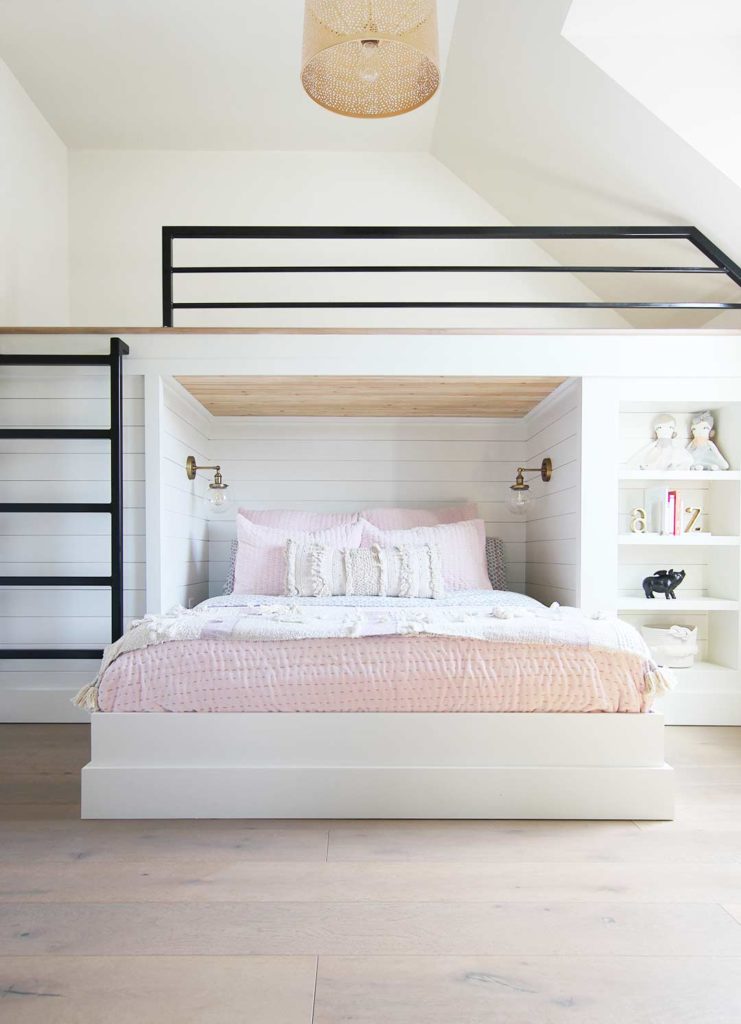
Credit: plankandpillow.com
Frequently Asked Questions
What Is The Best Wood For Building A Bunk Bed?
Pine and oak are popular choices for bunk beds. Pine is affordable and easy to work with. Oak is strong and durable, ideal for long-lasting beds. Both woods provide excellent stability and safety for bunk beds.
How Thick Should Bunk Bed Lumber Be?
Lumber thickness should be at least 1. 5 inches for safety. Thicker wood offers better strength and durability. Using 2×4 or 2×6 lumber is common for bunk bed frames. This ensures the bed supports weight safely.
Can Softwood Be Used For Bunk Beds?
Yes, softwoods like pine and fir are often used. They are lightweight and easy to handle. However, softwoods may dent or scratch easily. Proper finishing and maintenance improve their durability for bunk beds.
Is Hardwood Better Than Softwood For Bunk Beds?
Hardwoods like oak and maple are stronger and more durable. They resist dents and wear better than softwoods. Hardwoods are more expensive but offer a longer-lasting bunk bed. Choose based on budget and desired bed longevity.
Conclusion
Choosing the right lumber keeps your bunk bed safe and strong. Pine offers a budget-friendly and easy-to-work option. Oak and maple give extra strength and last longer. Always pick wood that resists splinters and cracks. Sand smooth and check for knots before building.
A good choice means a comfortable, sturdy bed for years. Wood matters. Safety matters. Your bunk bed will stand tall with the right lumber.