Are you wondering when your toddler is ready to switch from a crib to a single bed? This is a big step for both you and your little one.
Making the right choice can help your child feel safe and comfortable, and it can also give you peace of mind. But how do you know the perfect age for this change? Keep reading to discover the signs to watch for, expert tips, and everything you need to make this transition smooth and stress-free for your family.
Your toddler’s comfort and safety come first, and we’re here to help you get it right.

Credit: www.ubuy.com.jm
When Toddlers Transition
Toddlers moving from a crib to a single bed is a big step. It marks growing independence and new sleep habits. Parents often wonder about the right time to make this change. Watching your child carefully helps decide the best moment.
Every toddler is different. Some may be ready earlier, while others need more time. Understanding key signs and safety is important for a smooth transition.
Signs Of Readiness
Your toddler shows signs they are ready for a single bed. They climb out of the crib easily. Staying in bed all night becomes more common. Your child may ask for a bigger bed. These signs help you know it is time to change.
Age Range For Moving
Most toddlers switch to a single bed between 18 months and 3 years. Some may wait until they are 4 years old. The exact age depends on your child’s growth and behavior. Watch your toddler closely to pick the right time.
Safety Considerations
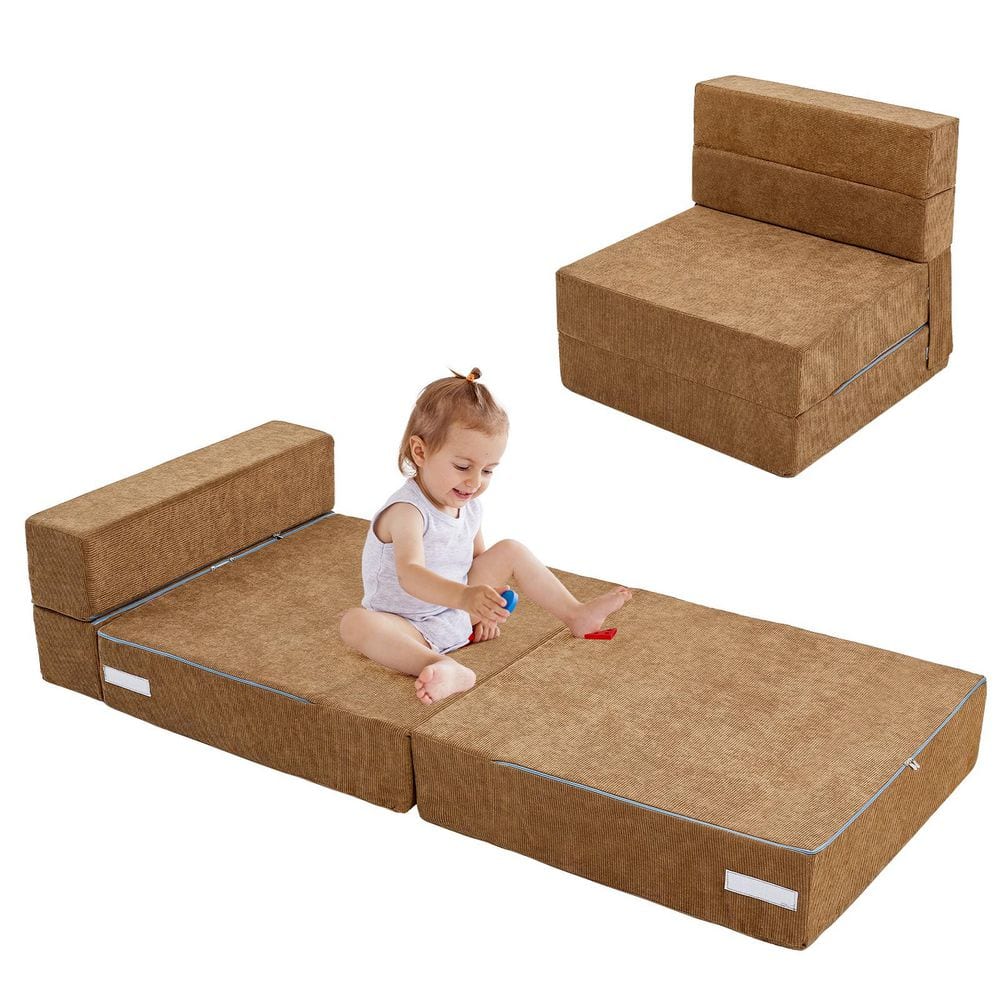
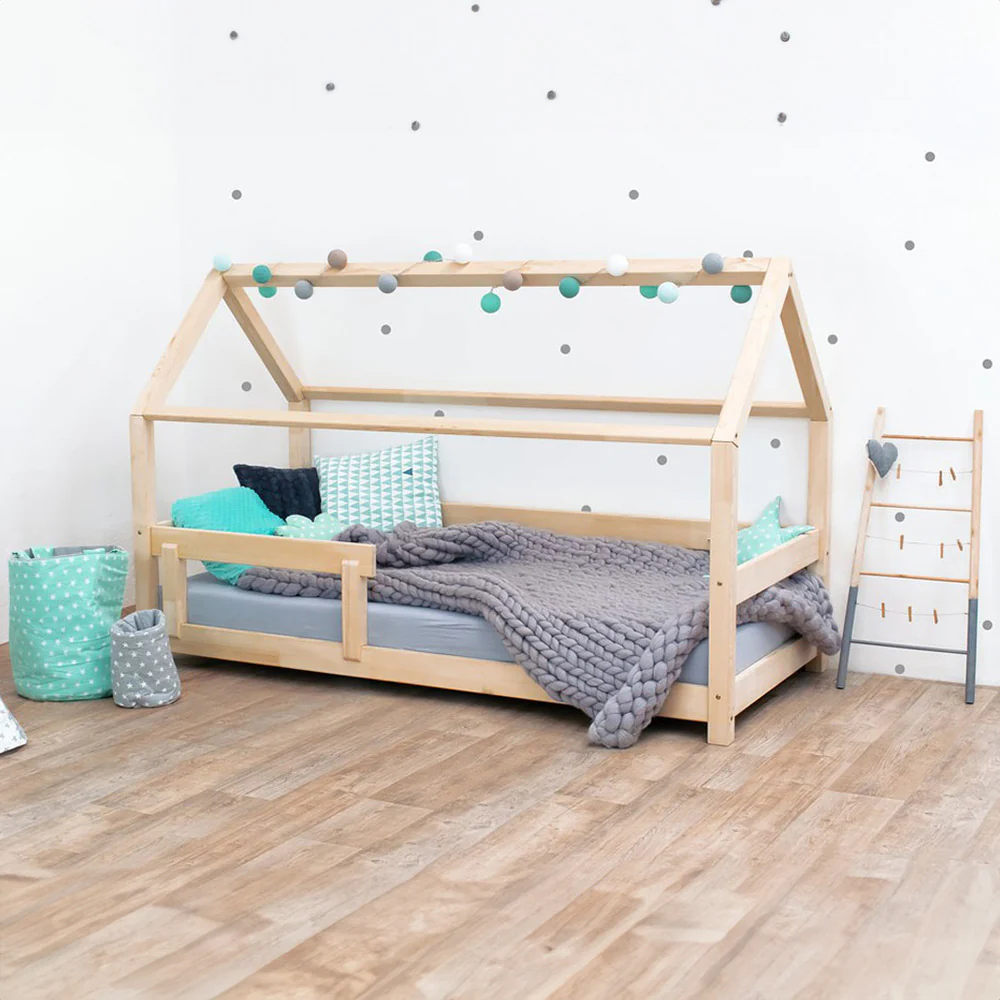
Safety matters most when moving to a single bed. Use guardrails to prevent falling. Place the bed low to the floor. Keep the room free of sharp or dangerous objects. Teach your toddler to stay in bed at night. These steps help keep your child safe.
Credit: www.homedepot.com
Benefits Of A Single Bed
Choosing a single bed for your toddler offers many benefits. It helps your child sleep better and feel more comfortable. A single bed also creates more space in the room. This change supports your toddler’s growth and independence.
Improved Sleep Quality
A single bed gives your toddler more room to move. It helps reduce waking up during the night. With enough space, your child can stretch and turn easily. This leads to deeper, more restful sleep. Good sleep is important for your toddler’s health and growth.
Boosting Independence
Sleeping in a single bed encourages your toddler to be more independent. It is a new step away from the crib. Your child learns to get in and out of bed alone. This builds confidence and self-reliance. Independence in sleep routines helps your toddler feel more grown-up.
Room Space And Comfort
A single bed takes up less space than larger beds. It fits well in small or shared rooms. More floor space means room for play and learning. The bed also offers comfort with enough size for your toddler to relax. A tidy, spacious room helps your child feel safe and calm.
Choosing The Right Bed
Choosing the right bed for a toddler moving to a single bed is important. The bed should fit your child’s size and needs. Comfort and safety come first. A well-chosen bed helps your child feel secure and sleep well.
Parents want a bed that lasts and looks nice. The right bed can make bedtime easier and more fun. Think about size, safety, and materials before buying.
Size And Design Options
Single beds come in different sizes. Choose one that fits your toddler’s height and room space. A bed too big may feel empty. Too small can be uncomfortable.
Design matters. Look for beds with fun themes or colors. This can make the bed more inviting. Some beds have guardrails for extra security. These rails help prevent falls.
Safety Features To Look For
Safety is key for toddlers moving to single beds. Choose beds with sturdy frames that don’t wobble. Check for smooth edges to avoid cuts or scrapes.
Guardrails on both sides add protection. Make sure the rails are high enough to stop falls. Avoid beds with small parts that can come loose.
Material And Durability
Strong materials keep the bed safe and lasting. Wood is a common choice. It is solid and looks good. Metal beds can be durable but check for sharp corners.
Look for non-toxic paints and finishes. These keep your child safe from harmful chemicals. A durable bed saves money over time. It can handle active toddlers well.
Preparing Your Toddler
Preparing your toddler for a single bed is an important step. It helps them feel safe and comfortable. The change can be big for little kids. Taking time to prepare makes the transition smooth. This way, your toddler will look forward to sleeping in their new bed.
Creating A Bedtime Routine
A clear bedtime routine helps your toddler relax. Start with calming activities like reading a story or singing a quiet song. Keep the routine the same every night. This signals to your child that it is time to sleep. A good routine makes the new bed feel familiar and safe.
Introducing The Bed Gradually
Let your toddler explore the new bed during the day. Encourage them to sit or lie down for short times. Use their favorite blanket or toy on the bed. This builds positive feelings. Slowly, have them nap or rest there before sleeping overnight. The slow introduction reduces fear or worry.
Dealing With Resistance
Toddlers may feel unsure or scared about the new bed. Stay calm and patient when they resist. Offer comfort and praise their courage. Avoid forcing them to stay in the bed. Gently remind them it is their own special space. Over time, they will grow more confident and willing.
Common Challenges
Moving a toddler to a single bed brings many changes. It is an exciting step but also a big adjustment. Toddlers may face common challenges during this time. Understanding these challenges helps parents support their child better. Here are some frequent issues families see.
Nighttime Fears
Many toddlers feel scared in a bigger bed. The room looks different and shadows may seem scary. They might worry about monsters or being alone. These fears can cause crying or trouble falling asleep. Comfort and reassurance at bedtime can help ease fears.
Bedtime Resistance
Toddlers often resist going to bed in a new bed. They may want to stay up longer or leave the room. This behavior is normal as they test boundaries. Clear and consistent routines help reduce bedtime struggles. Patience is key during this phase.
Adjusting To New Sleep Patterns
Switching to a single bed can change a toddler’s sleep habits. They might wake up more or nap less. The new bed feels less cozy than the crib. It takes time for toddlers to feel safe and relaxed. Keeping a calm bedtime routine supports better sleep.
Expert Tips
Transitioning a toddler to a single bed is a big step for families. Experts share tips to make this change smooth and safe. These tips help parents support healthy sleep routines and ensure the child’s safety during this move.
Following expert advice can reduce stress and create a positive bedtime experience.
Encouraging Positive Sleep Habits
Keep a regular bedtime and wake-up schedule. Consistency helps toddlers feel secure. Use calming activities before bed, like reading a story or soft music. Avoid screens at least one hour before sleep. Praise your child for staying in bed all night. This builds good habits and confidence.
Ensuring Safety Measures
Remove sharp objects and toys from the bed area. Use guardrails on both sides of the bed. These prevent falls during sleep. Check that the bed is low to the ground. Keep the room free of cords and heavy blankets. Make sure windows are locked and blind cords are out of reach.
When To Seek Professional Advice
Consult a pediatrician if your child resists the new bed. Talk to a sleep specialist if sleep problems persist. Seek help if your toddler shows anxiety or fear about sleeping alone. Early advice can prevent long-term sleep troubles.
Credit: myfirstnursery.co.uk
Frequently Asked Questions
At What Age Can Toddlers Transition To A Single Bed?
Toddlers can move to a single bed between 18 months and 3 years. This depends on their mobility and safety readiness. Parents should ensure the child is climbing out of the crib safely before transitioning. Every child develops at their own pace.
How To Know If My Toddler Is Ready For A Single Bed?
Signs include climbing out of the crib, increased mobility, and showing interest in a bigger bed. Safety is the priority. If your toddler starts escaping the crib, it’s time to consider a single bed for security and comfort.
What Safety Measures Should I Take For A Toddler’s Single Bed?
Use bed rails to prevent falls and place the bed near a wall. Keep the room childproofed and free of hazards. Soft flooring beside the bed can reduce injury risks from accidental falls.
Is A Single Bed Better Than A Toddler Bed?
A single bed offers more space and lasts longer as your child grows. However, toddler beds are lower and often safer initially. Choose based on your child’s size, confidence, and room space.
Conclusion
Toddlers usually move to a single bed between ages two and four. Every child grows and changes at their own pace. Safety and comfort matter most during this transition. Choose a bed that feels secure and fits the room well.
Watch your toddler’s behavior for signs they are ready. Making the change slowly helps them adjust with ease. A single bed can offer more space and independence. Keep bedtime routines steady to create a calm environment. This step supports your child’s growth and confidence.
Trust your judgment to decide the right time.