Are you wondering when it’s safe for your little one to start sleeping in a bunk bed? You want your toddler to have fun and feel grown-up, but safety is your top priority.
Choosing the right age for a bunk bed can make a big difference in keeping your child secure and comfortable at night. You’ll discover expert advice and practical tips to help you decide the perfect time for your toddler to make the switch.
Keep reading to find out how to create a safe and happy sleeping space for your child.
Credit: kitsmart.co.nz
Age Recommendations For Bunk Beds
Choosing the right age for a toddler to sleep in a bunk bed is important. Safety must come first. Parents need clear guidelines to protect their children. Age recommendations help decide when a child is ready for bunk beds. These guidelines prevent accidents and ensure peaceful sleep for toddlers.
Understanding these age rules helps parents prepare their homes correctly. Also, it helps toddlers feel comfortable and secure in their new sleeping space. Let’s explore the age limits and what to consider before making the switch.
Minimum Age Guidelines
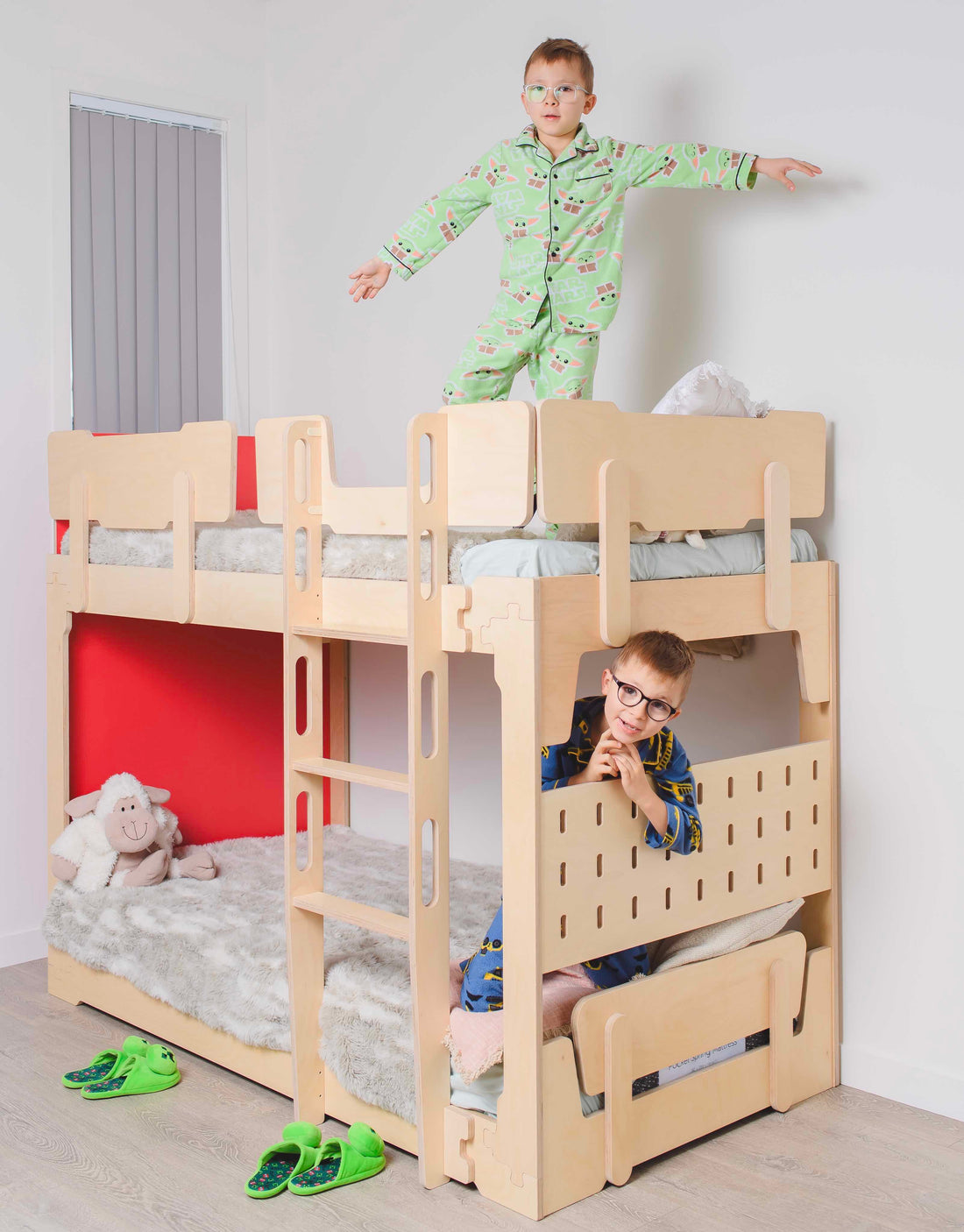
Most experts say toddlers should be at least six years old. At this age, children are usually tall enough and more aware of dangers. Bunk beds have high guardrails, but young toddlers might still fall. The top bunk is especially risky for younger children.
Many safety groups do not recommend bunk beds for children under six. The bottom bunk can be safer but still needs close supervision. Parents should check manufacturer advice for age limits on specific models.
Developmental Considerations
Every child grows at a different pace. Some toddlers develop good balance and judgment early. Others may take longer to understand risks. Parents should watch their child’s physical skills and behavior.
Children who climb well and follow safety rules may be ready sooner. Toddlers who move a lot during sleep might need more time. Fear of heights and comfort with small spaces also matter.
Parents must decide based on their toddler’s unique needs and abilities. Safety comes from both age and development combined.
Credit: casakids.com
Safety Features To Look For
Choosing a bunk bed for a toddler needs careful thought about safety. The right features keep your child safe and sound during sleep. Some key parts of a bunk bed help prevent falls and accidents.
Guardrails And Barriers
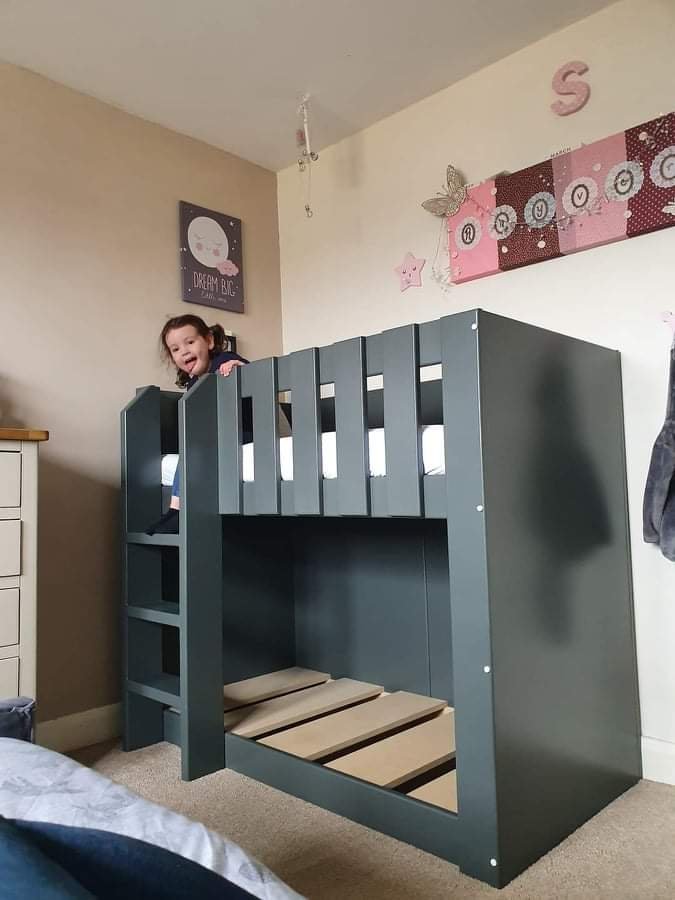
Guardrails stop toddlers from rolling off the bed. They should be high enough to cover the mattress edges. Check that the rails have no gaps where a child’s head could get stuck. Strong, well-fixed rails protect your child all night.
Sturdy Ladder Design
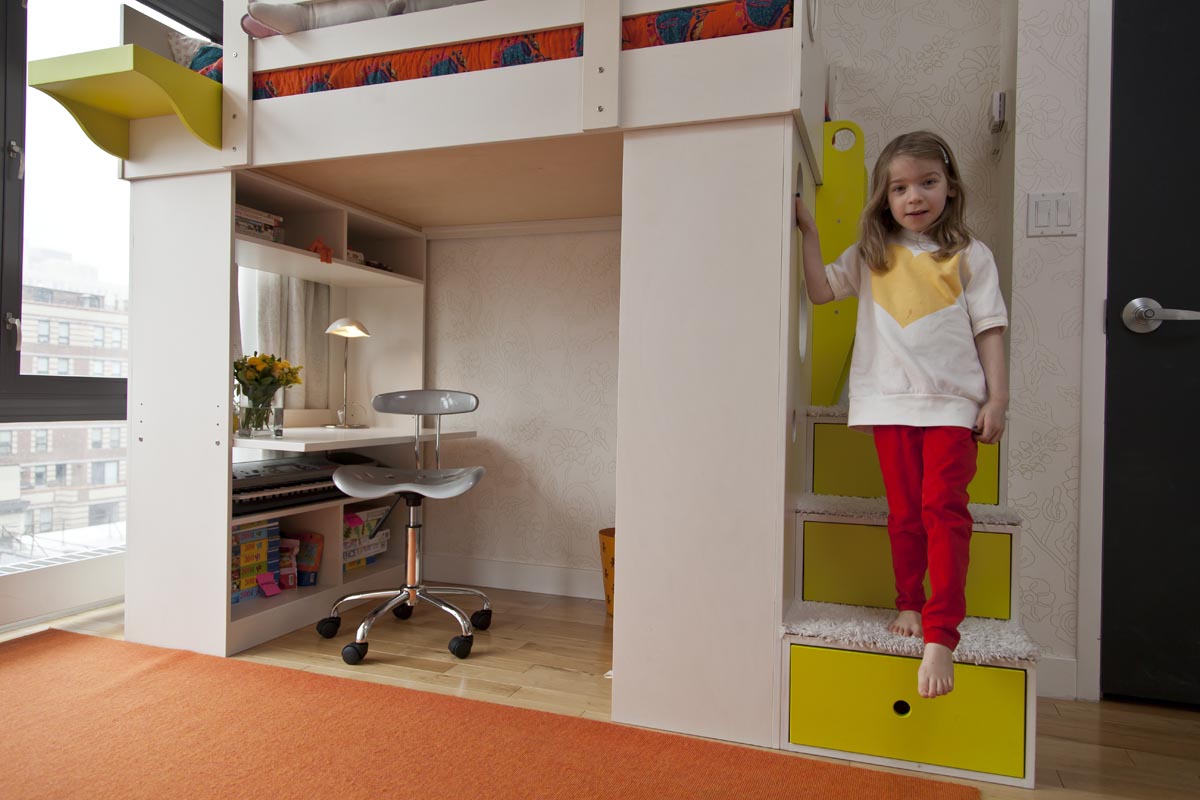
The ladder must be easy to climb and stable. Steps should be wide and slip-resistant. A firm grip on the ladder helps toddlers climb safely. Avoid ladders that wobble or have sharp edges.
Mattress Size And Fit
The mattress must fit the bed frame tightly. A loose mattress can cause gaps where a child might get trapped. Use the recommended mattress size for the bunk bed. A good fit makes the bed safer and more comfortable.
Common Risks And Hazards
Toddlers face many risks when sleeping in a bunk bed. These beds are higher than regular beds. This height can cause accidents. Parents must know the common dangers. Awareness helps keep toddlers safe. Below are key risks to watch for.
Falls And Injuries
Falls are the biggest risk with bunk beds. Toddlers can roll off the top bunk in sleep. The height makes injuries worse. Even a small fall can cause bruises or broken bones. Guardrails help but do not stop all falls. Supervision is very important.
Entrapment Dangers
Spaces between rails and ladders can trap toddlers. Their heads or limbs might get stuck. This can cause panic or injury. Small gaps are dangerous for young children. Bedding or toys can block airways. Check the bed for safe spaces before use.
Climbing Challenges
Climbing up and down ladders is hard for toddlers. They may slip or lose balance. Without help, falls are likely. The ladder must be sturdy and easy to hold. Teach toddlers to climb slowly and carefully. Avoid rushing this learning step.
Preparing Your Toddler For A Bunk Bed
Choosing the right sleep arrangement for toddlers matters a lot. Safety and comfort are top concerns for parents. Bunk beds might not suit every toddler’s needs or age. Alternative sleep options can offer safer, cozy spaces. These options help children feel secure and grow well.
Toddler Beds
Toddler beds are smaller than regular beds. They sit close to the floor to prevent falls. These beds use guardrails to keep toddlers safe. Many parents choose toddler beds after cribs. They help toddlers adjust to bigger beds slowly. Toddler beds come in fun designs to excite kids. This option balances safety with a child’s growing independence.
Floor Beds
Floor beds lie directly on the floor without frames. Toddlers can get in and out without help. Floor beds reduce fall risks completely. They encourage toddlers to move freely and build confidence. This style fits well in Montessori-inspired rooms. Parents like floor beds for their simplicity and safety. Adding soft rugs around helps create a cozy space.
Convertible Furniture Options
Convertible furniture grows with your child. Many cribs change into toddler beds easily. Some convert further into full-size beds later. This saves money and space in the long run. Convertible pieces often include storage options, too. They combine comfort, safety, and practicality in one. Parents appreciate these flexible solutions for changing needs.
Alternative Sleep Arrangements
Maintenance and regular checks keep a toddler’s bunk bed safe and secure. Toddlers move a lot during sleep. This can loosen parts of the bed over time. Careful upkeep helps prevent accidents. It ensures the bed stays sturdy and reliable every night.
Tightening Screws And Bolts
Check screws and bolts often. Use a screwdriver or wrench to tighten them. Loose screws can make the bed wobbly. Tight ones hold the structure firm. This simple step keeps the bed safe for a toddler.
Inspecting Guardrails
Guardrails stop toddlers from falling out. Look for cracks or breaks in the rails. Make sure they are firmly attached. Loose or broken rails can be dangerous. Replace or fix any damaged parts right away.
Checking Ladder Stability
The ladder must be steady and strong. Test it by pressing gently on each step. Steps should not move or wiggle. A shaky ladder can cause falls. Tighten or repair parts to keep it safe.
Credit: funkybunkbeds.com
Frequently Asked Questions
What Is The Recommended Age For Toddler Bunk Beds?
Experts suggest toddlers should be at least 6 years old before using a bunk bed. Younger children may risk falls due to lack of coordination and awareness.
Why Is Age Important For Bunk Bed Safety?
Age matters because younger toddlers have poor balance and can easily fall from bunk beds. Safety guidelines help prevent serious injuries.
Are There Specific Bunk Bed Features For Toddlers?
Yes, toddler-friendly bunk beds include guardrails, low height, and sturdy ladders. These features reduce fall risks and make climbing safer.
Can Toddlers Sleep On The Bottom Bunk Safely?
The bottom bunk is safer for younger toddlers as it is closer to the floor. It reduces fall risks and is easier to access.
Conclusion
Toddlers usually sleep in bunk beds around age six or seven. Safety matters most—guardrails and sturdy frames help protect children. Always check the bed’s weight limits and quality. Teach kids to climb up and down carefully. Parents should watch their child’s comfort and confidence.
Choosing the right time keeps bedtime safe and fun. Bunk beds can save space and make sleep exciting. Remember, every child grows differently. Trust your instincts and prioritize safety first.
