Are you setting up a bunk bed and wondering about the perfect angle for the ladder? Getting this right is more important than you might think.
The angle affects your safety, comfort, and ease of climbing every day. Too steep, and it’s risky; too shallow, and it takes up too much space. You’ll discover exactly what angle your bunk bed ladder should be to keep you safe and comfortable.
Keep reading to learn the simple, practical tips that can make a big difference in your room and your peace of mind.
Ideal Ladder Angle
The ideal ladder angle for a bunk bed affects safety and comfort. It helps users climb up and down easily without slipping or falling. Choosing the right angle supports the ladder’s strength and balance. This guide explains what angle works best for bunk bed ladders.
Recommended Degree Range
The best ladder angle is usually between 65 and 75 degrees. This range allows a firm grip and easy steps. Angles less than 65 degrees make the ladder too flat and unstable. Angles over 75 degrees make climbing steep and risky. Stay within this range for safe use.
Impact On Stability
The ladder angle impacts how stable it feels during use. A proper angle keeps the ladder firmly against the bed frame. It also prevents wobbling while climbing. Too steep or too flat angles increase the chance of accidents. Balance is key for ladder stability and user safety.
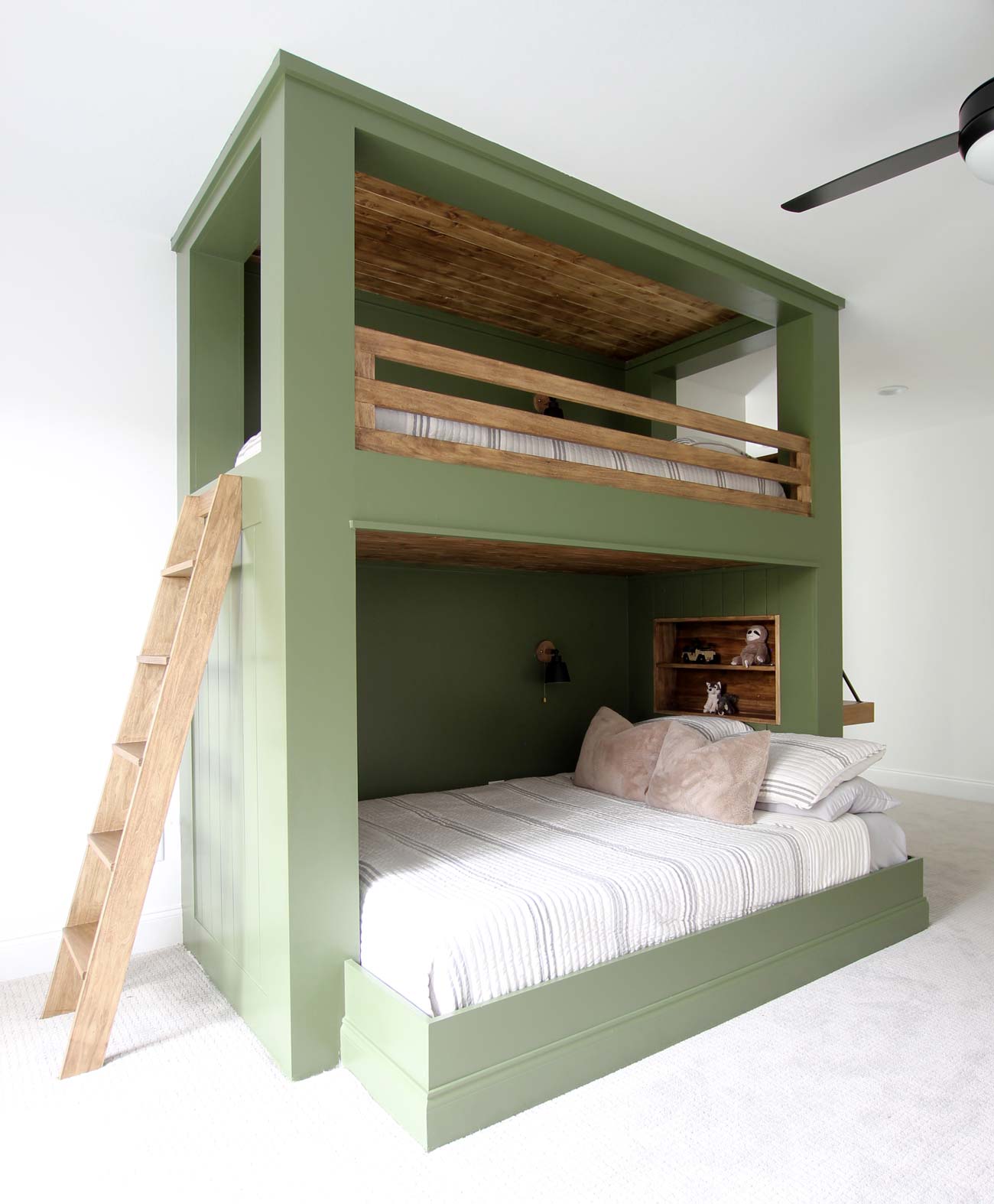
Credit: plankandpillow.com
Safety Considerations
Safety is the top priority when setting the angle of a bunk bed ladder. A wrong angle can cause accidents and injuries. It is important to think about how to make the ladder secure and easy to climb. The right angle helps keep the ladder steady and reduces slipping risks. Here are two key safety points to consider.
Preventing Slips And Falls
The ladder angle should not be too steep or too flat. A steep ladder is hard to climb and easy to slip from. A very flat ladder can slide out from under you. A good angle is about 60 to 75 degrees. This angle gives a firm grip for your feet and hands. Adding non-slip steps or grips also helps. Always check the ladder’s surface for smoothness and traction.
Weight Distribution Factors
The ladder must hold the weight evenly. If the angle is wrong, the ladder can tip or wobble. A proper angle spreads the weight down and back to the floor. This keeps the ladder stable and safe. Make sure the ladder is fixed well to the bed frame. Strong connections prevent it from moving under weight. Test the ladder carefully before use.
Design Variations
Bunk bed ladders come in different designs that affect safety and comfort. Choosing the right ladder angle depends on the type of ladder and materials used. These design variations help match the ladder to your space and needs.
Understanding the differences between straight and angled ladders, along with how materials influence ladder angle, helps you pick the best option.
Straight Vs. Angled Ladders
Straight ladders lean directly against the bed frame. They save space and look simple. But they need a steeper angle, close to 75 degrees, to stay stable. This steep angle can feel harder to climb, especially for kids.
Angled ladders lean away from the bed. They usually rest at about 60 to 70 degrees. This lower angle makes climbing easier and safer. Angled ladders take more floor space but give better grip and balance.
Material Effects On Angle
Wood ladders often require a slightly steeper angle for strength. They must be sturdy to handle weight safely. Thicker wood can allow a lower angle without losing stability.
Metal ladders can handle lower angles because metal is strong and rigid. They offer more design options with curved or straight shapes. Metal ladders usually have better grip, reducing slipping risks.
Plastic ladders are lighter but need careful angle choices. Too shallow an angle can weaken their support. Proper angle and material balance ensures safety and comfort when climbing.
Installation Tips
Installing a bunk bed ladder at the right angle is key for safety and comfort. The ladder should be easy to climb without feeling too steep or too flat. Proper installation helps prevent accidents and makes the ladder last longer. Follow these tips to get the angle just right and secure the ladder firmly.
Measuring The Correct Angle
Start by measuring the ladder’s angle against the bunk bed. The ideal angle is usually between 60 and 75 degrees. Use a protractor or angle finder tool for accuracy. Mark the angle on the ladder before fixing it in place. This step ensures the ladder is not too steep or too shallow.
Securing The Ladder Properly
Attach the ladder firmly to the bed frame using strong bolts or screws. Check that the ladder does not wobble after installation. Tighten all fasteners to keep the ladder stable. Use safety brackets or hooks if available for extra support. A secure ladder keeps children safe while climbing up or down.
Common Mistakes
Choosing the right angle for a bunk bed ladder is important for safety and comfort. Many people make mistakes that could cause accidents or make climbing hard. Knowing these common errors helps prevent problems. It also keeps the ladder safe and easy to use.
Too Steep Or Too Shallow Angles
A ladder angle that is too steep feels like climbing a wall. It can be scary and unsafe, especially for kids. Too steep means a higher risk of slipping or falling.
On the other hand, a ladder that is too shallow takes up too much space. It can also make the steps unstable. This angle makes climbing awkward and uncomfortable.
The best ladder angle usually falls between 60 and 75 degrees. This range balances safety and ease of use. Avoid extremes to keep the ladder reliable.
Ignoring Manufacturer Guidelines
Every bunk bed and ladder set comes with instructions. These guidelines are based on tests and safety standards. Ignoring them can lead to wrong ladder angles.
Following the manufacturer’s advice ensures the ladder fits and works well. It also helps avoid damage to the bed or ladder. Installing the ladder without these instructions risks injury.
Always check the manual and measure carefully. Use the recommended angle to keep the ladder secure and safe.
Adjusting Existing Ladders
Adjusting existing bunk bed ladders ensures safety and comfort. A ladder angle that is too steep or too flat can cause accidents. Small changes can improve climbing ease and stability. Focus on checking the current ladder angle and making safe modifications.
Assessing Current Angle
Start by measuring the ladder angle. Use a protractor or angle finder tool. The ideal ladder angle ranges between 60 and 75 degrees. Angles steeper than 75 degrees feel risky to climb. Angles less than 60 degrees may take too much space. Note the ladder’s current angle before any changes.
Safe Modification Methods
Adjustments should keep the ladder firm and secure. Loosen the ladder’s top fasteners carefully. Change the angle slowly, checking stability at each step. Add rubber feet to improve floor grip. Use brackets or hooks to fix the ladder at the new angle. Avoid sharp angle changes that make the ladder unstable. Test the ladder by climbing before regular use.
Regulations And Standards
Choosing the right angle for a bunk bed ladder is not just about comfort. Safety plays a big role. Regulations and standards guide the best practices for ladder angles. These rules help prevent falls and injuries. Following these guidelines keeps users safe and meets legal requirements.
Building Code Recommendations
Building codes set rules for ladder angles. Most codes suggest an angle between 60 and 75 degrees. This range offers a good balance between ease of climbing and stability. Steeper angles may be harder to climb. Shallower angles can make the ladder unstable. Builders must check local codes before installation.
Consumer Product Safety Guidelines
Consumer safety groups provide clear ladder angle guidelines. They often recommend ladders lean at about 70 degrees. This angle reduces slip risks. Rungs should be wide and spaced evenly. The ladder must support the weight of users safely. Safety labels on bunk beds reflect these standards.

Credit: www.wikihow.com

Credit: www.planetbunkbed.com
Frequently Asked Questions
What Is The Ideal Angle For A Bunk Bed Ladder?
The ideal bunk bed ladder angle is between 60 to 75 degrees. This range ensures safety and ease of climbing. Too steep or too shallow angles can cause discomfort or accidents. Maintaining this angle helps users climb comfortably and reduces the risk of falls.
Why Is Ladder Angle Important For Bunk Bed Safety?
Ladder angle affects stability and user safety on bunk beds. A proper angle prevents slipping and falling. It also ensures the ladder is easy to climb without excessive effort. Incorrect angles can lead to accidents, especially for children using the bunk bed.
How To Measure The Angle Of A Bunk Bed Ladder?
Use a protractor or angle finder to measure the ladder’s angle. Place the tool along the ladder’s side, aligning it with the floor. This method ensures an accurate reading of the ladder’s incline. Adjust the ladder until it falls within the safe 60-75 degree range.
Can Too Steep A Ladder Angle Cause Accidents?
Yes, a ladder angle steeper than 75 degrees increases fall risk. It becomes harder to maintain balance while climbing. Users may slip due to the sharp incline. Keeping the ladder angle within recommended limits improves overall safety and comfort.
Conclusion
Choosing the right angle for a bunk bed ladder matters a lot. A ladder too steep feels unsafe and hard to climb. One that leans too much takes up too much space. Aim for an angle around 65 to 75 degrees.
This angle balances safety and comfort. It also fits well in most rooms. Always check the ladder’s stability before use. A well-angled ladder helps avoid falls and makes climbing easier. Keep these tips in mind to enjoy your bunk bed safely every day.