Imagine having a beautiful, sturdy bookshelf perfectly fitted into your wall. It saves space, looks sleek, and keeps your favorite books right where you want them.
If you’ve ever thought about adding this stylish touch to your home, you’re in the right place. Building a bookshelf into the wall might seem tricky, but with the right steps, you can do it yourself. In this guide, you’ll learn exactly how to plan, build, and finish a custom built-in bookshelf that will impress everyone who visits.
Ready to transform your space and showcase your collection like a pro? Let’s get started!
Planning Your Bookshelf
Planning your bookshelf carefully sets the foundation for a solid and attractive build. This step helps avoid mistakes and saves time. It also ensures your bookshelf fits perfectly and lasts long.
Start by choosing the best wall. Then, measure the space and mark your design. Finally, select the right materials that suit your needs and style.
Choosing The Right Wall
Pick a wall that can support the weight of books. Walls with studs offer the best support. Avoid walls with plumbing or electrical wires inside. A quiet corner or unused space works well. Consider natural light and room flow for easy access.
Measuring And Marking
Measure the height, width, and depth of your chosen wall space. Use a pencil and level to mark your shelf outline. Double-check all measurements before cutting or drilling. Plan shelf spacing to fit different book sizes. Mark stud locations to secure the shelf properly.
Selecting Materials
Choose sturdy wood like pine or plywood for durability. Consider the finish—paint or stain—to match your room decor. Use screws and brackets designed for wall shelving. Pick materials that resist warping and damage over time. Simple tools and materials make the project easier and cleaner.
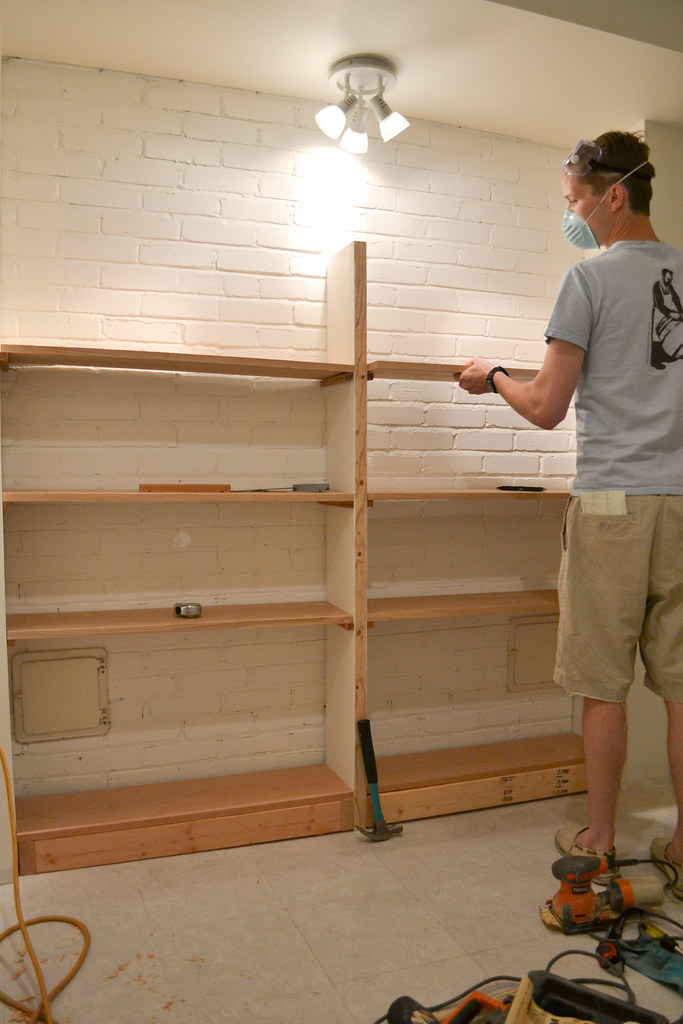
Credit: www.thingsimadetoday.com
Gathering Tools And Supplies
Gathering the right tools and supplies is the first step to building a bookshelf into the wall. Having everything ready helps the project go smoothly. It saves time and avoids frustration. This section lists what you need before starting your wall bookshelf.
Essential Tools
Start with basic tools. A measuring tape helps get exact dimensions. A level ensures shelves are straight. A stud finder locates wall studs for support. A drill or screwdriver is needed for screws. A saw cuts wood to size. A pencil marks measurements clearly. A hammer may be needed for nails or small adjustments.
Recommended Materials
Choose strong wood for shelves and supports. Plywood or pine boards work well. Use wood screws to hold parts together. Wood glue adds extra strength. Sandpaper smooths rough edges. Paint or stain finishes the bookshelf. Drywall anchors provide extra support if no studs found. Primer protects wood before painting. These materials create a sturdy and neat bookshelf.
Safety Gear
Safety is important while building. Wear safety glasses to protect eyes from dust. Use gloves to avoid splinters and cuts. A dust mask keeps you safe from sawdust. Ear protection helps if using loud tools. Work in a well-ventilated area. These precautions keep you safe during the project.
Preparing The Wall
Preparing the wall is the first step to building a bookshelf into it. This part requires care and attention. It ensures the shelf will be strong and safe. You need to check the wall structure and clear the space carefully. The process includes finding studs, checking for wires, and cutting the drywall. You will also build a frame inside the wall to hold the shelf securely.
Locating Studs And Wiring
Studs are the wooden beams inside the wall. They hold the wall and everything attached to it. Use a stud finder to locate these beams. Mark their positions clearly. Also, check for electrical wires. Use a wire detector to avoid cutting them. Knowing where wires run keeps you safe during the project.
Removing Drywall
After marking studs and wires, cut the drywall carefully. Use a drywall saw or utility knife. Cut only the area where the bookshelf will go. Remove the drywall pieces gently to avoid damage. Keep the edges clean and smooth. This prepares the space for framing the new bookshelf.
Framing The Opening
Build a frame inside the wall opening using 2×4 lumber. Attach the frame to the studs for strength. The frame will support the bookshelf shelves. Make sure the frame is level and square. Secure all parts tightly with screws. A strong frame ensures the bookshelf lasts long and holds weight well.

Credit: southernyankeediy.com
Building The Bookshelf Frame
Building the bookshelf frame is the first step to creating a strong, built-in shelf. The frame acts as the skeleton that holds all shelves and books. It must be sturdy and correctly sized for the wall space. Follow these steps to build a solid frame that fits perfectly.
Cutting Wood To Size
Start by measuring the wall space where the bookshelf will go. Mark the wood pieces according to these measurements. Use a saw to cut the wood carefully. Cut the vertical sides and horizontal shelves. Make sure each piece is straight and smooth. Accurate cuts help the frame fit well.
Assembling The Frame
Lay out the cut wood on a flat surface. Position the vertical pieces first. Place the horizontal shelves between them. Use wood screws or nails to join the pieces. Check that the frame is square by measuring diagonals. Tighten all connections for a firm frame. This step creates the basic shape of the shelf.
Securing The Frame To The Wall
Find the wall studs using a stud finder. Align the frame with the studs for strong support. Use long screws to attach the frame to the studs. Drill pilot holes to avoid splitting the wood. Make sure the frame sits flush against the wall. A secured frame will hold weight safely.
Adding Shelves And Supports
Adding shelves and supports is a key step in building a bookshelf into the wall. This step gives the bookshelf strength and shape. Shelves hold your books and items. Supports keep everything steady and safe.
Installing Shelf Brackets
Start by choosing strong shelf brackets. Metal or wooden brackets work well. Find the studs in the wall with a stud finder. Attach the brackets to the studs using screws. Place brackets evenly to balance the shelf weight. Make sure brackets face upward to hold shelves firmly.
Attaching Shelves
Cut shelves to fit the space between brackets. Use smooth, sturdy wood for shelves. Place each shelf on the brackets carefully. Secure shelves by screwing through brackets into the wood. Check that screws are tight but do not split the wood. This keeps shelves from moving or falling.
Ensuring Level And Stability
Use a level tool to check shelves are straight. Adjust brackets or shelves if they tilt. Make sure shelves do not wobble by tightening screws. Add extra supports under heavy shelves if needed. Stability ensures your bookshelf lasts long and holds weight safely.
Finishing Touches
Finishing touches make your built-in bookshelf look complete and polished. This step improves both the shelf’s appearance and durability. Taking time here creates a smooth, attractive surface that lasts.
Sanding And Smoothing
Start by sanding all surfaces with fine-grit sandpaper. Smooth edges and corners to avoid rough spots. Check for any uneven areas or glue marks. Wipe away dust with a clean cloth. This step prepares your bookshelf for painting or staining.
Painting Or Staining
Choose paint or stain that matches your room’s style. Use a brush or roller for even coverage. Apply thin, light coats to avoid drips. Allow each coat to dry fully before adding the next. Painting gives a fresh look. Staining highlights the wood’s natural grain.
Installing Trim And Molding
Add trim or molding around the bookshelf edges for a finished look. Measure carefully and cut pieces to fit. Attach trim with nails or adhesive. Fill nail holes with wood filler for smoothness. This step enhances the bookshelf’s design and hides gaps.
Maintaining Your Bookshelf
Building a bookshelf into the wall is a smart way to save space and add charm to any room. To keep it looking great and working well, regular care is important. Maintaining your bookshelf helps it last longer and stay sturdy.
Cleaning and small repairs keep the shelf fresh. It also keeps your books safe and easy to find. Knowing how to care for your built-in bookshelf protects your investment.
Regular Cleaning Tips
Dust your bookshelf at least once a week. Use a soft cloth or a microfiber duster. Avoid wet cloths that can damage the wood or finish. Clean shelves gently to prevent scratches. Vacuum the corners to remove dirt and dust. Keep books clean by wiping them with a dry cloth.
Preventing Damage
Do not overload shelves with heavy items. Check weight limits before placing large books or decorations. Avoid placing your bookshelf near heat sources. Heat can warp wood and damage finishes. Use coasters or mats under plants or liquids. This prevents water damage or stains. Fix loose screws and brackets right away. Small repairs stop bigger problems later.
Updating Or Expanding
Change shelf height to fit new books or items. Add more shelves if space allows. Paint or stain the bookshelf to refresh its look. Use colors that match your room’s style. Replace old hardware like knobs or brackets. This gives your shelf a new feel. Expanding keeps your bookshelf useful as your needs grow.
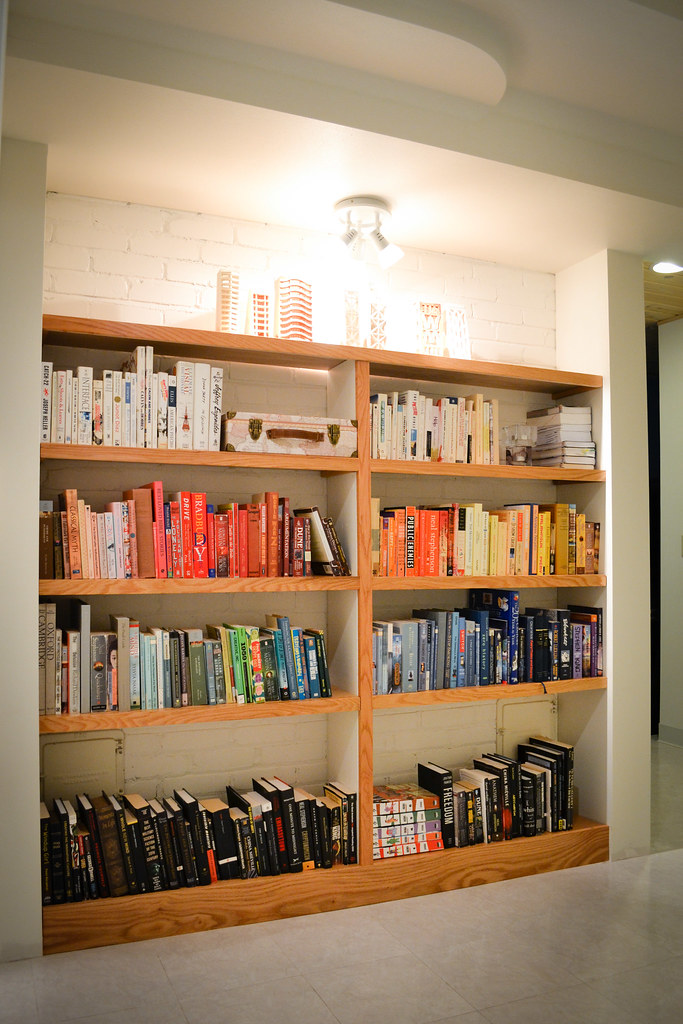
Credit: www.thingsimadetoday.com
Frequently Asked Questions
How Do I Start Building A Bookshelf Into The Wall?
Begin by selecting a wall and measuring the space. Locate studs and mark the desired shelf height. Gather materials like wood, screws, and drywall tools to prepare for installation.
What Tools Are Needed For Built-in Bookshelf Installation?
You’ll need a stud finder, level, drill, saw, measuring tape, screws, and wood boards. These tools ensure precise measurements and secure assembly.
How Do I Ensure The Bookshelf Is Sturdy And Safe?
Anchor the shelves into wall studs using strong screws. Use quality wood and brackets to support weight and prevent sagging.
Can I Customize The Bookshelf Size And Design?
Yes, built-in bookshelves can be tailored to fit your wall’s dimensions. Customize shelf height, width, and style to match your décor and storage needs.
Conclusion
Building a bookshelf into the wall saves space and looks neat. It adds storage without taking up floor area. You only need basic tools and simple steps. Careful measuring and cutting ensure a good fit. Take your time to secure shelves firmly.
This project suits beginners and offers a personal touch. Enjoy your new, tidy space for books and decor. Try it today and see how easy it can be.