Are you wondering when the right time is to move your little one out of their toddler bed? It’s a big step for both you and your child.
You want to make sure they’re ready and safe, but how do you know when that moment arrives? You’ll discover clear signs to watch for, practical tips to make the transition smooth, and expert advice to help your child feel confident in their new sleeping space.
Keep reading to find out exactly when and how to make this important change without stress or confusion.
Signs Your Child Is Ready
Deciding when to move your child out of a toddler bed can be tricky. Watching for signs that your child is ready helps make the change smooth. These signs show your child is physically and emotionally prepared for a bigger bed.
Physical Growth Indicators
One key sign is your child’s size. If they seem cramped in the toddler bed, it might be time to upgrade. Legs hanging off the edge or difficulty turning at night are clear clues. Also, if your child can climb out easily, a bigger bed with safety rails is safer.
Behavioral Clues
Changes in behavior can indicate readiness. Your child may ask for a “big kid” bed or show curiosity about beds of older siblings. They might resist bedtime or try to escape the toddler bed. These actions often mean they want more freedom and space.
Sleep Patterns
Watch your child’s sleep habits closely. Frequent waking or restless nights could mean the toddler bed no longer fits their needs. If they start sleeping through the night comfortably, a bigger bed may support better rest. A stable sleep routine helps make the move easier for everyone.
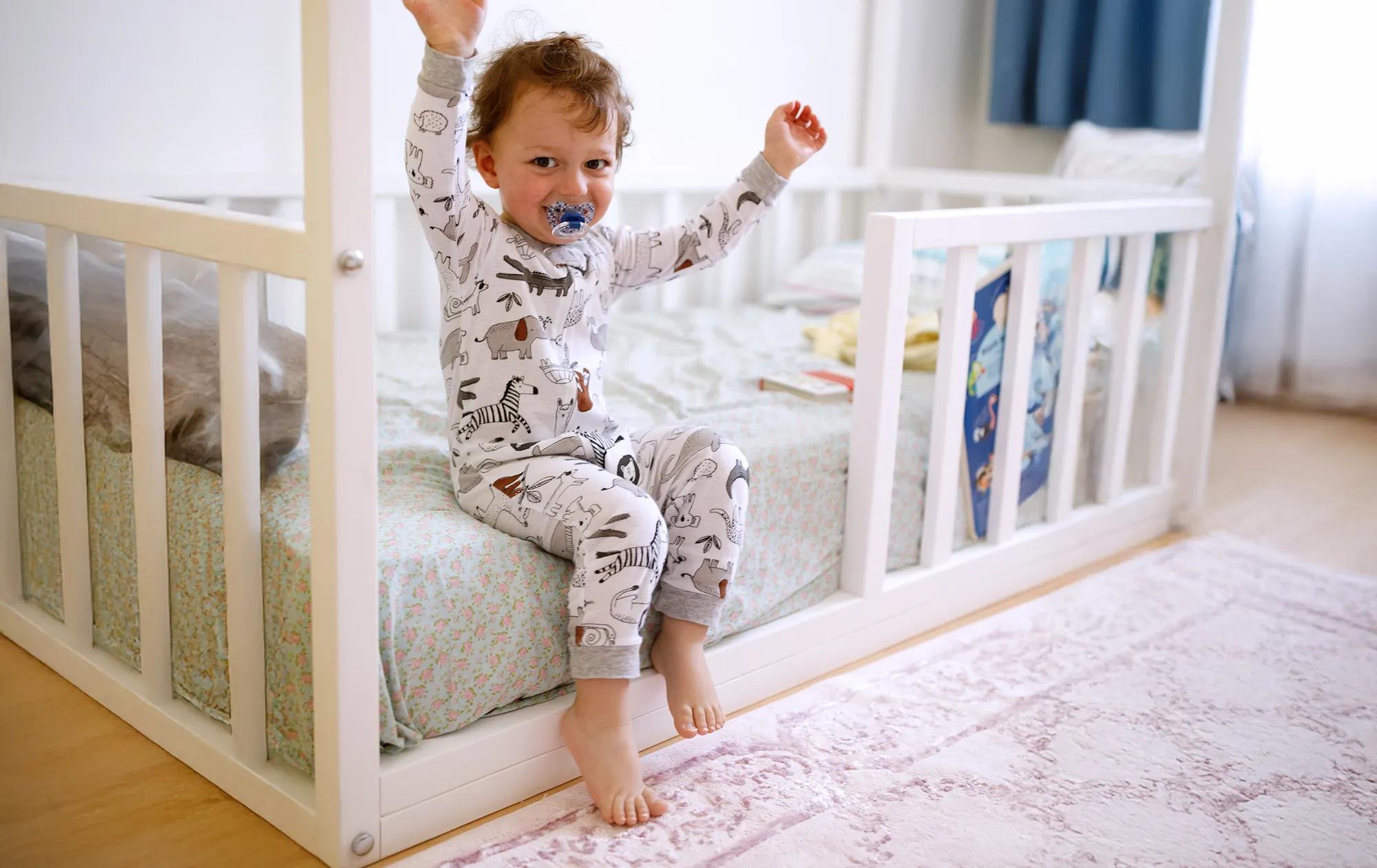
Credit: health.clevelandclinic.org
Ideal Age Ranges
Choosing the right time to move your child out of a toddler bed is important. The ideal age depends on many factors. Parents want a smooth transition that feels safe and comfortable. Understanding common age milestones and differences helps you decide. Sometimes waiting longer is the best choice for your child’s needs.
Common Age Milestones
Most children move from a toddler bed between ages 2 and 4. Around age 2, many kids start to climb out of cribs. This can be a sign to switch. By age 3 or 4, many children are ready for a bigger bed. At this stage, they enjoy more space to sleep and play.
Variations Among Children
Every child grows at a different pace. Some may feel ready at age 2, while others need more time. Some children need more comfort and security from their toddler bed. Others show signs of readiness by asking for a big bed. Watch your child’s behavior to guide your timing.
When To Wait Longer
Waiting is okay if your child feels unsafe or anxious. If your child often leaves the bed at night, wait a bit. Sometimes children need more time to feel confident. If your child is still small for their age, staying longer helps. Comfort and safety must come first in the decision.
Choosing The Right Bed
Choosing the right bed for your toddler is an important step. It affects their sleep quality and safety. The bed should fit their size and needs. Think about comfort and durability. A good bed helps your child feel secure and happy at bedtime.
Types Of Beds For Toddlers
Toddler beds come in many styles. Some look like small versions of adult beds. Others have fun designs with themes. Convertible beds grow with your child. They can change from a toddler bed to a twin bed. Choose a bed that suits your child’s personality and room space.
Safety Features To Consider
Safety is the top priority. Look for beds with guardrails to prevent falls. The bed should be low to the ground. Check that the materials are non-toxic and sturdy. Avoid beds with sharp edges or loose parts. A safe bed gives parents peace of mind.
Comfort And Size Factors
The bed must fit your child’s size comfortably. Too big or too small can cause discomfort. Look for a mattress that supports your toddler’s body well. Soft but firm is best. Good bedding helps your child sleep better and wake up refreshed.
Preparing Your Child
Preparing your child to move out of a toddler bed is an important step. It helps your child feel safe and ready for the change. Taking time to prepare makes the transition smooth and less stressful. This section explains how to involve your child, set clear expectations, and create a cozy space for them.
Involving Your Child In The Process
Let your child help choose their new bed or bedding. This gives them control and excitement. Talk about the change in a positive way. Listen to their feelings and answer questions. Involving them builds confidence and reduces fear.
Setting Expectations
Explain what will happen during the move to the new bed. Tell your child how bedtime will work in the new bed. Set simple rules, like staying in bed at night. Keep your words clear and kind. This helps your child know what to expect and feel secure.
Creating A Comfortable Environment
Make the new bed area cozy with favorite blankets and toys. Use soft lighting to create a calm mood. Keep the room quiet and cool at bedtime. A warm, inviting space helps your child relax and sleep well. Comfort is key to a happy transition.
Handling Challenges
Moving your child from a toddler bed can bring many challenges. This change affects their sense of safety and routine. Patience and understanding help ease this transition. Focus on gentle support and clear routines. Expect some resistance, fears, and testing of limits. Handling these issues well sets a positive tone for your child’s new sleeping space.
Dealing With Resistance
Children often resist leaving their toddler bed. They feel safe and familiar there. Explain the benefits of the new bed in simple words. Let your child help pick new bedding or decorations. Praise small steps like sitting on the new bed. Avoid forcing or rushing the process. Consistent encouragement builds trust and cooperation.
Nighttime Fears
Night fears can increase during this change. Shadows, noises, or the larger bed may feel scary. Use a nightlight to create comfort and warmth. Offer a favorite toy or blanket for reassurance. Speak calmly about fears without dismissing them. Create a calm bedtime routine to reduce anxiety. Patience is key when fears rise.
Maintaining Consistency
Consistency helps your child adjust smoothly. Keep bedtime and wake-up times regular. Follow the same routine every night without change. This predictability builds security and trust. Avoid sudden changes to other parts of the routine. Consistent rules around bedtime help your child feel safe. Stick to your plan even if progress is slow.

Credit: www.cuckooland.com
Expert Tips For A Smooth Transition
Moving your child from a toddler bed to a bigger bed is a big step. It can feel tricky for both parents and kids. A smooth change makes bedtime easier for everyone. Experts share tips to help make this move calm and happy. These tips focus on building good habits, using praise, and watching how your child adjusts. Following these ideas can help your child feel safe and confident in their new bed.
Establishing A Routine
Set a clear bedtime routine that stays the same every night. Start with calming activities like reading or gentle talking. Keep the time for going to bed steady. This helps your child know what to expect. Routines give kids comfort and a sense of safety. A good routine makes falling asleep in a new bed easier.
Positive Reinforcement
Praise your child when they try the new bed. Use kind words like “Good job” or “Well done.” Small rewards can motivate your child too. Stickers or extra story time work well. Positive talk builds their confidence. It shows them you notice their effort. This encouragement helps children enjoy the change.
Monitoring Progress
Watch how your child adapts to the new bed. Notice if they feel scared or resist bedtime. Talk gently about their feelings. Adjust the routine if needed. Some children take longer to get used to change. Be patient and keep offering support. Tracking progress helps you know what works best.
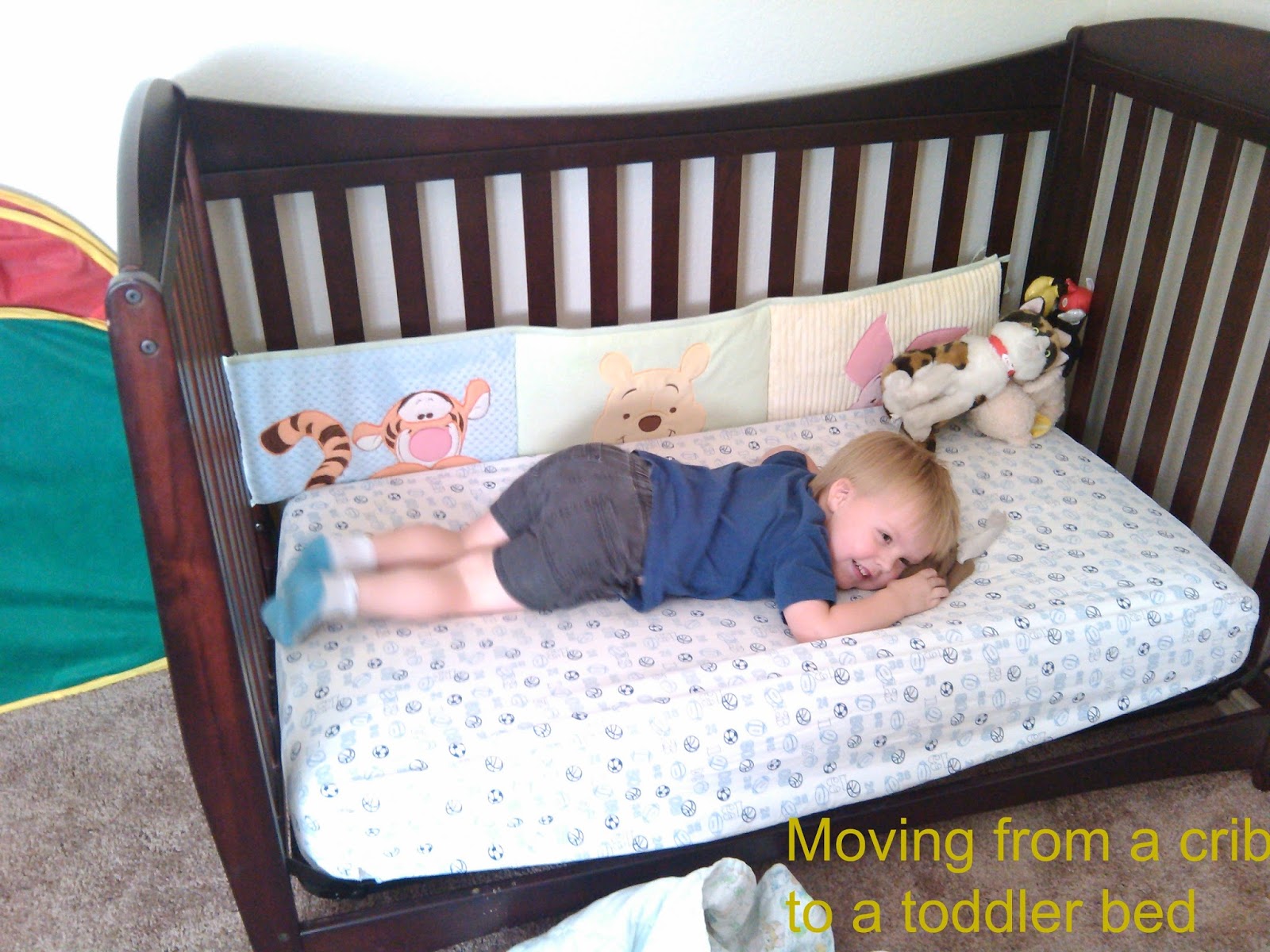
Credit: stadedembour.com
Frequently Asked Questions
When Is The Right Age To Switch From A Toddler Bed?
Most children move from a toddler bed between 2 and 3 years old. This depends on their size, safety, and readiness.
How Do I Know My Child Is Ready To Move?
Signs include climbing out, growing too big, or showing interest in a bigger bed. Safety is key.
What Are Safety Tips For Transitioning Beds?
Use guardrails, keep the bed low, and remove hazards nearby. Ensure the room is child-friendly and secure.
Can Moving Too Early Affect My Toddler’s Sleep?
Yes, moving too early may cause anxiety or disrupted sleep. Wait until your child feels comfortable and ready.
Conclusion
Choosing the right age to move your child out of a toddler bed depends on their growth and comfort. Most kids switch between 2 and 3 years old. Watch for signs like climbing out or needing more space. Safety matters, so pick a sturdy bed that fits your child well.
Remember, every child is different. Trust your instincts and your child’s readiness. A smooth move helps them sleep better and feel secure. Keep routines steady during this change. This step supports your child’s independence and healthy sleep habits.