Are you thinking about getting a top bunk bed but worried about how much weight it can safely hold? Knowing the maximum weight limit is crucial for your safety and comfort.
Whether it’s for your kids, guests, or even yourself, understanding these limits helps you avoid accidents and damage. You’ll discover exactly what factors determine the weight capacity of a top bunk bed and how to choose the right one for your needs.
Keep reading to make sure your bunk bed is both fun and safe!

Credit: adultbunkbeds.com
Top Bunk Weight Limits
The weight limit for a top bunk bed is very important for safety. Each top bunk has a maximum weight it can hold. This limit helps prevent accidents and keeps the bed stable.
Understanding these limits helps you choose the right bunk bed. It also ensures the bed lasts longer and supports the user properly.
Standard Weight Capacities
Most top bunks hold between 150 and 200 pounds. Some models can support up to 250 pounds. The exact limit depends on the design and brand.
Children’s bunk beds usually have lower weight limits. Adult models tend to support more weight. Always check the manufacturer’s instructions before use.
Factors Influencing Weight Limits
Weight limits change based on bed size and construction. Larger beds with strong frames hold more weight. The mattress type also affects the total capacity.
How the bed is assembled matters too. Proper assembly keeps the bed steady and safe. Poor setup can lower the weight limit.
Material Impact On Strength
Wood and metal are common materials for bunk beds. Solid wood frames usually support more weight than particleboard. Metal frames can be very strong if well made.
The quality of material affects the bed’s durability. Strong materials offer better support and safety. Choose beds made from high-quality wood or metal for top bunks.

Credit: picketandrail.com
Safety Concerns
Safety is the top priority for every top bunk bed user. Knowing the maximum weight limit helps prevent accidents and injuries. Ignoring weight limits can lead to serious risks. Understanding these concerns keeps everyone safe and secure.
Risks Of Exceeding Limits
Exceeding the weight limit puts stress on the bed frame. The structure may weaken or break suddenly. Falls from a broken bunk bed can cause severe harm. Overloading also risks damage to the ladder and guardrails. Safety features may fail under excess weight.
Common Injuries
Injuries often result from falls or sudden collapses. Bruises, cuts, and broken bones are common. Head injuries can occur from hitting the floor or nearby objects. Strains and sprains happen from awkward landings. These injuries can require medical care and long recovery.
Inspection And Maintenance Tips
Regularly check the bed for loose screws and bolts. Tighten any parts that feel wobbly or weak. Look for cracks in the frame or slats. Replace worn or damaged parts immediately. Clean the ladder and guardrails to keep them safe. Proper care extends the bed’s life and safety.
Types Of Bunk Beds
Bunk beds come in different types. Each type has unique features and weight limits. Knowing these helps you pick the right bed. It also ensures safety and comfort for the user.
Below are the main types of bunk beds. Each type affects the maximum weight the top bunk can hold.
Wooden Bunk Beds
Wooden bunk beds are popular for their classic look. They often use solid wood like pine or oak. These beds feel sturdy and durable. The weight limit usually ranges from 150 to 200 pounds. Proper maintenance helps keep them strong over time.
Metal Bunk Beds
Metal bunk beds are lightweight and modern. They often use steel or iron frames. Metal beds can hold more weight, sometimes up to 250 pounds. Their design allows for more space under the bed. Some metal beds have safety rails to prevent falls.
Hybrid Designs
Hybrid bunk beds mix wood and metal parts. This blend aims for strength and style. Weight limits vary but often fall between wooden and metal beds. These designs offer flexibility in appearance and function. They suit many room styles and needs.
Choosing The Right Bunk Bed
Choosing the right bunk bed is important for safety and comfort. The top bunk must support the weight of the user without risk. Picking the right bed means thinking about who will use it, the size of the room, and safety rules.
Each factor helps make sure the bunk bed is strong and fits well in the space. This guide will help you find the best bunk bed by focusing on key points.
Assessing User Needs
Consider the age and weight of the person using the top bunk. Children usually need beds with lower weight limits than adults. Think about growth if the bed is for a child. Check if the bed can hold extra weight for adults. Choose a bed with a weight limit higher than the user’s weight for safety.
Space And Size Considerations
Measure the room where the bunk bed will go. Make sure there is enough space for the bed and room to move around. Consider ceiling height for the top bunk. A low ceiling can cause accidents. Pick a bed size that fits the room without crowding it. Smaller rooms need compact bunk beds.
Certifications And Standards
Look for bunk beds that meet safety standards. Certifications show the bed has passed quality tests. Check for labels from trusted safety organizations. These rules cover weight limits and materials used. A certified bunk bed is safer and more reliable. It helps avoid accidents and injuries.
Enhancing Top Bunk Safety
Safety on the top bunk is very important. It helps prevent falls and injuries. Simple steps can make the top bunk safer. These steps include using safety rails, choosing the right mattress, and making sure the ladder is stable.
Using Safety Rails
Safety rails keep sleepers from rolling off the bed. They should be high enough to stop falls. Check the rails for any loose parts. Tighten screws often to keep rails strong and steady. Rails add a protective barrier for safe sleep.
Proper Mattress Selection
Choose a mattress that fits the top bunk frame well. A mattress that is too thick can reduce the rail height. This can make falls easier. Pick a mattress with medium thickness for safety and comfort. Use lightweight mattresses to avoid adding too much weight.
Ladder Stability
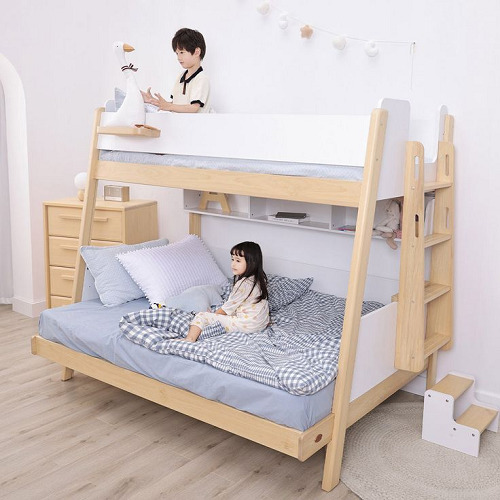
The ladder must be steady and secure. Check the ladder’s screws and joints regularly. A loose ladder can cause falls. Place the ladder at the right angle for easy climbing. Non-slip steps help prevent accidents during the climb.
Credit: www.craft-child.com
Frequently Asked Questions
What Is The Typical Weight Limit For A Top Bunk Bed?
Most top bunk beds support between 150 to 200 pounds. Always check the manufacturer’s guidelines for exact limits. Exceeding weight limits can risk safety and bed durability.
How Does Mattress Weight Affect The Top Bunk’s Limit?
Mattress weight counts toward the total weight limit. Heavier mattresses reduce the allowable body weight on the top bunk. Choose lightweight mattresses to maximize the safe load capacity.
Are Weight Limits Different For Metal And Wooden Bunk Beds?
Yes, metal bunk beds often support higher weight than wooden ones. Quality and design also influence maximum weight capacity. Always verify specific bed details before use.
Can Adults Safely Use The Top Bunk Bed?
Most top bunks are designed for children, not adults. If adults use it, ensure the bed’s weight limit supports adult weight. Some bunk beds are built specifically for adult use.
Conclusion
Top bunk beds have weight limits for safety reasons. Most tops hold between 150 to 200 pounds. Always check the bed’s instructions before use. Exceeding the limit can cause accidents or damage. Choose a bed that fits your needs and weight.
Proper care helps the bed last longer. Knowing the weight limit keeps everyone safe and comfortable. Safety matters most when using a top bunk bed.