You might be wondering, when is the right age to put your toddler in their own bed? It’s a big step for both you and your little one, filled with excitement and maybe a little worry.
Getting this timing right can make bedtime easier and help your child feel safe and comfortable. You’ll discover clear signs to look for and helpful tips to make the transition smooth. Keep reading to find out how to make this important change at the perfect moment for your family.

Credit: raisingchildren.net.au
Signs Your Toddler Is Ready
Deciding the right time to move your toddler to their own bed can be tricky. Watching for certain signs helps you know when they are ready. These signs show that your child can handle the change well. It makes the transition smooth and less stressful for both of you.
Physical Development
Your toddler needs to climb in and out of bed safely. They should be able to walk steadily without help. Some toddlers start to show independence in moving around. Strong motor skills mean they can handle the new bed setup. Check if they can open and close doors too. These signs show their body is ready for this step.
Emotional Readiness
Your child should feel calm and secure when alone. Notice if they show less fear of separation. They might ask to sleep in their own bed. A desire for independence is a good sign. Watch for signs of anxiety or stress. Feeling comfortable alone at night is key for this change.
Sleep Patterns
Regular sleep times suggest your toddler is ready. They should fall asleep without much fuss. Waking up and staying awake often means more time in bed is needed. If naps and nighttime sleep are stable, this is a good sign. Consistent sleep habits help them adjust to a new bed.

Credit: raisingchildren.net.au
Ideal Age Range
Choosing the best age for a toddler to sleep in their own bed can feel confusing. Parents want a smooth change that helps the child feel safe and happy. The ideal age range offers a guide, but each child is unique. Understanding common milestones and individual differences can help make the transition easier.
Common Age Milestones
Most toddlers move to their own bed between 18 months and 3 years old. Around 18 months, many begin to show signs of independence. By age 2, toddlers often understand simple instructions about bedtime. At 3 years, children usually have better control over their sleep habits. These milestones help parents decide the right time to switch beds.
Individual Differences
Every child grows and learns at their own pace. Some may feel ready for their own bed earlier or later than others. Factors like temperament, sleep patterns, and comfort levels matter. Parents should watch for signs like climbing out of a crib or asking for their own bed. Listening to your child’s needs makes the change smoother.
Preparing The New Bed
Preparing your toddler’s new bed is a key step before moving them to their own room. This transition should feel safe and cozy for your child. A well-prepared bed helps your toddler feel excited and comfortable. It can also reduce fears and improve sleep quality.
Choosing The Right Bed
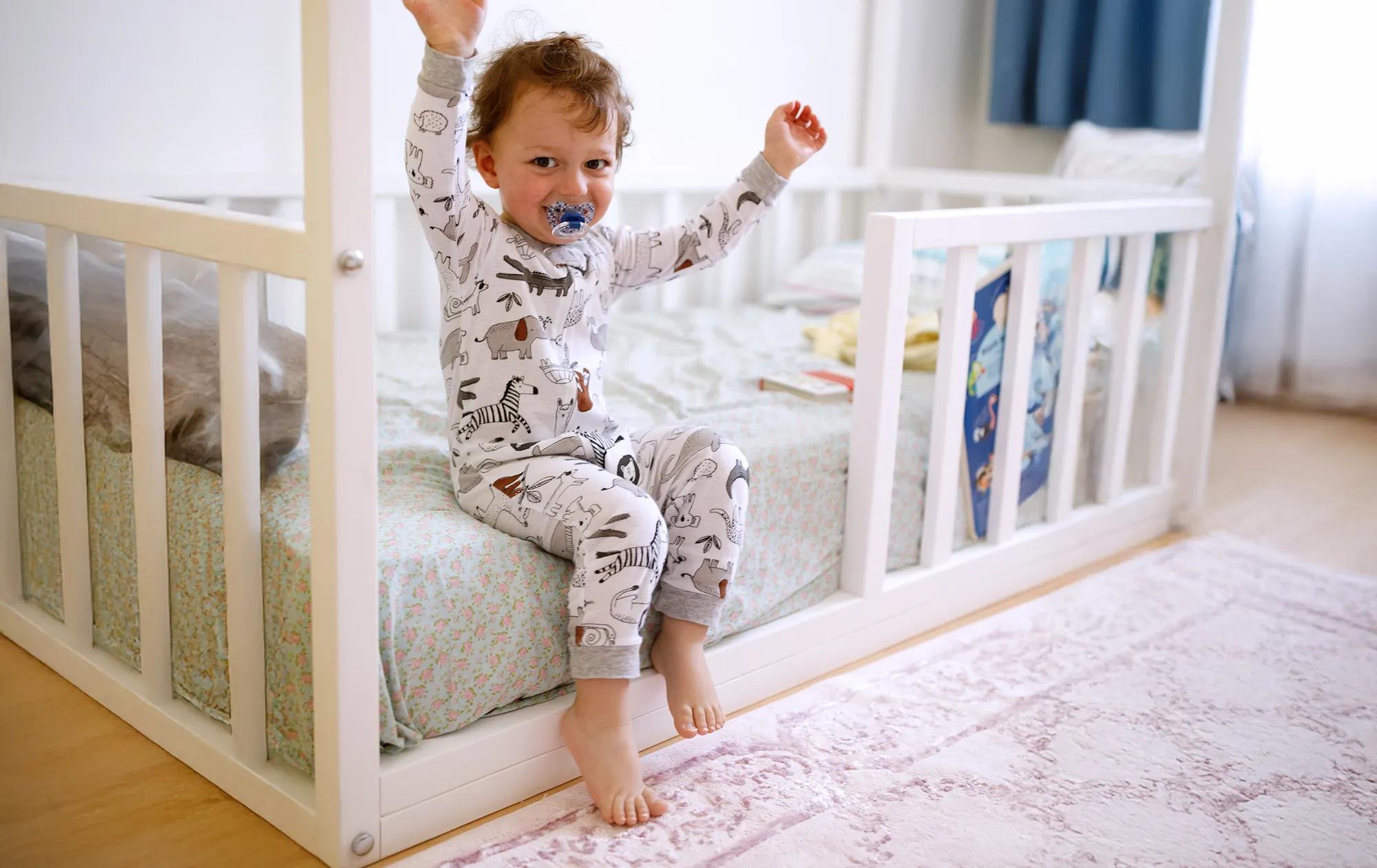
Select a bed that fits your toddler’s size and age. Toddler beds with guardrails offer safety during sleep. Low beds make it easy for your child to get in and out. Choose a sturdy frame that can last a few years. Avoid beds that feel too big or too small.
Creating A Comfortable Space
Make the bed inviting with soft sheets and blankets. Use calming colors for bedding to create a peaceful mood. Add a favorite stuffed animal or blanket for comfort. Ensure the mattress is firm but gentle on their body. Keep the room temperature cozy, not too hot or cold.
Establishing A Bedtime Routine
Establishing a bedtime routine helps toddlers feel safe and ready for sleep. A clear routine signals it is time to rest. This makes moving to their own bed easier and less stressful. Toddlers thrive with habits they can expect each night. Consistency is the key.
Consistent Sleep Schedule
Set a regular bedtime and wake-up time every day. Consistency helps a toddler’s body clock adjust. This makes falling asleep faster and staying asleep longer. Avoid letting your child stay up late one night and wake early the next. Keep times steady, even on weekends. A steady schedule supports healthy sleep habits.
Calming Activities Before Bed
Choose quiet activities to wind down before sleep. Reading a book or singing a soft song works well. Avoid screen time and active play close to bedtime. These activities can make it harder for toddlers to relax. A calm environment helps the brain slow down. This prepares toddlers to sleep on their own.
Handling Separation Anxiety
Moving a toddler to their own bed can cause separation anxiety. This is normal and common. Toddlers feel safe near their parents. Being alone may make them scared or upset. Parents can help ease this worry with patience and care. Creating a calm and loving bedtime routine helps the child adjust.
Comfort Objects
Comfort objects can soothe a toddler during bedtime. A favorite blanket or stuffed animal offers security. These items remind the child of their parents. They help reduce fear of being alone. Let the toddler pick their own comfort object. Keep it clean and close to their bed. This small step supports emotional safety.
Gradual Transition Techniques
Moving a toddler to their own bed should happen slowly. Start by spending time in the new room together. Sit beside the bed while they fall asleep. Then, gradually move farther each night. Use gentle words and hugs to reassure them. Avoid rushing the process to prevent more anxiety. This slow change builds trust and confidence.
Dealing With Night Wakings
Dealing with night wakings is a common challenge when toddlers move to their own bed. Many toddlers wake up during the night and may feel scared or lonely. Parents must handle these moments with care and patience. How you respond can help your child feel safe and learn to sleep better.
Responding Calmly
Stay calm when your toddler wakes up. Speak softly and use a gentle voice. Avoid turning on bright lights or loud noises. This helps your child feel secure without getting too awake. Keep interactions short and simple. Comfort your toddler with a few kind words or a light touch. Then, encourage them to go back to sleep.
Encouraging Self-soothing
Help your toddler learn to calm themselves at night. Offer a favorite blanket or soft toy for comfort. Teach simple ways to relax, like deep breaths or hugging their toy. Praise small steps toward sleeping independently. Self-soothing builds confidence and reduces night wakings over time. Patience and consistency are key during this phase.
Tips From Experts
Experts share useful tips for parents deciding the right age for toddlers to sleep alone. These ideas focus on making the transition smooth and less stressful. Patience and positive support are key to success.
Parental Patience
Children need time to adjust to sleeping alone. Parents should stay calm and consistent. Avoid rushing the change. Expect some nights to be harder than others. Gentle reassurance helps toddlers feel safe. Patience builds trust and comfort over time.
Positive Reinforcement
Praise good behavior to encourage your toddler. Celebrate small steps like staying in bed all night. Use simple rewards like stickers or extra storytime. Positive feedback makes children proud and eager. This approach strengthens their confidence and independence.
Credit: health.clevelandclinic.org
Frequently Asked Questions
When Is The Best Age For Toddler’s Own Bed?
Most toddlers transition between 18 months and 3 years. Readiness depends on child’s comfort and safety. Watch for signs like climbing out of crib.
How To Know Toddler Is Ready For Own Bed?
Look for curiosity about sleeping alone and ability to follow bedtime routine. Also, check if they climb out of crib often. These signs suggest readiness.
What Are Benefits Of Toddler Sleeping Independently?
Independent sleeping improves toddler’s confidence and sleep quality. It also promotes better family routines and reduces nighttime disruptions. It fosters healthy sleep habits early on.
How To Make Toddler’s Bed Transition Smooth?
Create a consistent bedtime routine and use comfort objects like a favorite toy. Offer positive reinforcement and stay patient during adjustment phase.
Conclusion
Choosing the right age to move your toddler to their own bed depends on your child. Every child is different and grows at their own pace. Watch for signs of readiness like climbing out of the crib or showing interest in a big bed.
Keep the transition calm and positive. A steady bedtime routine helps your toddler feel safe and secure. Remember, patience makes this change easier for both of you. Trust your instincts and support your child through this important step.