Are you looking to add a unique touch to your home? Imagine having a beautiful vintage bookshelf that not only stores your favorite books but also becomes a stunning centerpiece.
Making your own vintage bookshelf is easier than you think, and it gives you full control over style and size. In this guide, you’ll discover simple steps to create a timeless piece that reflects your personality. Ready to turn plain wood into a charming vintage treasure?
Let’s get started!

Credit: us.sportsdirect.com
Choosing The Right Materials
Choosing the right materials is key to making a vintage bookshelf that lasts. The materials affect how the shelf looks and how strong it will be. Picking the best wood and supplies makes the project easier and more fun. This section covers what to choose for a beautiful, sturdy shelf.
Selecting Vintage Wood
Old wood adds character and warmth to a bookshelf. Find wood with natural marks and a rich color. Common choices include oak, pine, and walnut. These woods have a classic look and good strength. Check for wood that is dry and free from cracks or rot. Salvaged wood from old furniture or buildings works well for a vintage feel.
Essential Tools And Supplies
Have the right tools before starting. You will need a saw, hammer, nails, and sandpaper. A drill and screws help with stronger joints. Clamps hold pieces steady while gluing. Use wood glue for extra strength. Safety gear like gloves and goggles keeps you safe during work.
Finishes That Enhance Charm
Finishes protect the wood and highlight its beauty. Use stains to bring out the grain and add color. Clear varnish or wax gives a soft shine and guards against damage. Avoid thick paint that hides the wood’s natural look. Light sanding between coats makes the finish smooth and even.
Credit: www.photowall.com
Designing Your Bookshelf
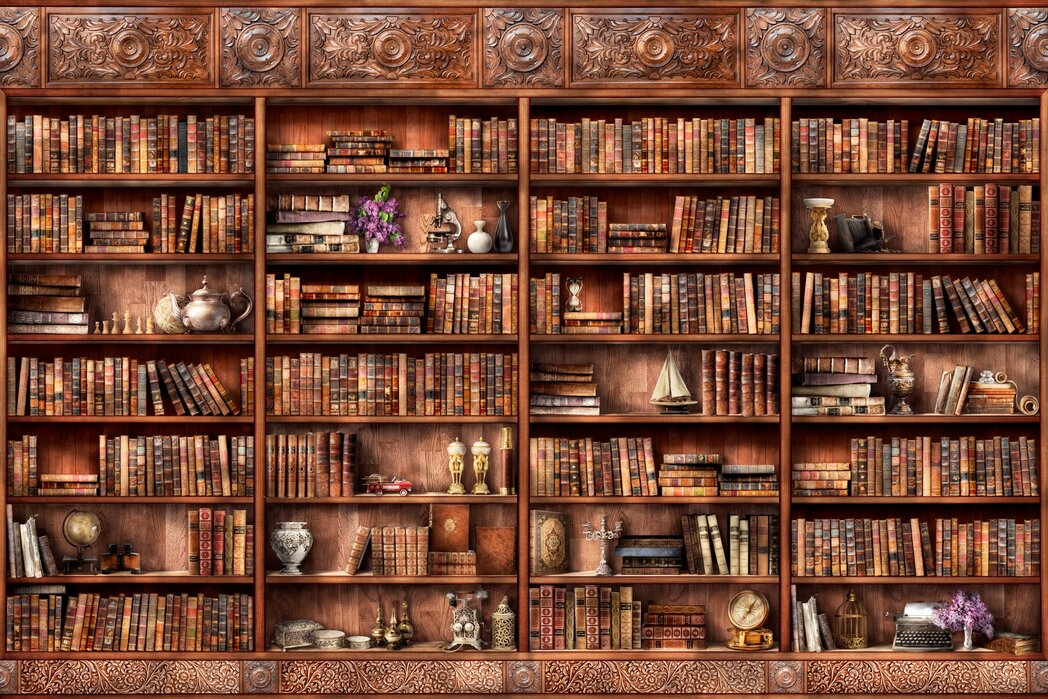
Designing your vintage bookshelf starts with a clear plan. A well-thought design helps you build a sturdy and beautiful piece. It guides every step from shape to style. This section shows how to create your own design. Follow simple steps to get the perfect look for your bookshelf.
Sketching Classic Styles
Begin by drawing basic shapes on paper. Look at old bookshelves for ideas. Choose simple lines and curves that feel timeless. Sketch a few versions to see what fits best. Keep your style clean and easy to build. Classic styles often have straight edges and soft details.
Measuring For Perfect Fit
Measure the space where the bookshelf will stand. Use a tape measure and write down numbers. Include width, height, and depth. Add a little extra space for books and decorations. Check these numbers twice to avoid mistakes. Accurate measurements make your shelf look neat and balanced.
Incorporating Decorative Details
Choose small touches that give vintage charm. Think about carved edges, molding, or simple patterns. Add details that match your room’s style. Keep decorations subtle to not overwhelm the shelf. These details bring character and a finished look to your project.
Building The Frame
Building the frame is the first step to creating a vintage bookshelf. This stage sets the foundation for the entire project. A strong, well-built frame ensures the bookshelf will last for years. Focus on precision and careful assembly to get the best results.
Cutting And Preparing Wood
Start by selecting good quality wood. Pine or oak works well for vintage shelves. Measure each piece carefully before cutting. Use a saw to cut the wood to the right size. Sand the edges smooth to avoid splinters. Prepare all pieces before moving to assembly.
Assembling The Base Structure
Lay out the cut pieces on a flat surface. Begin by attaching the vertical sides to the base. Use wood glue and screws for a tight fit. Make sure the corners form right angles. This structure will hold the shelves and books.
Ensuring Stability And Balance
Check that the frame stands evenly on the floor. Add cross supports if the frame feels weak. Tighten all screws and reinforce joints. Test for any wobbling by gently shaking the frame. Stability is key to a safe bookshelf.

Credit: www.youtube.com
Adding Shelves And Features
The finishing touches bring your vintage bookshelf to life. These steps give your project a polished and authentic feel. Each detail adds charm and character to the wood. Take time to perfect these final stages for the best results.
Sanding For Smooth Surfaces
Sanding makes the wood feel smooth and clean. Use fine-grit sandpaper for gentle smoothing. Sand along the grain to avoid scratches. Remove dust with a soft cloth before the next step. Smooth surfaces help paint or stain stick better.
Applying Paint Or Stain
Choose paint or stain that fits your vintage style. Use a brush or cloth to apply thin, even coats. Let each coat dry fully before adding another. Paint gives color and protection. Stain highlights the wood’s natural beauty.
Aging Techniques For Authentic Look
Make your bookshelf look truly vintage with aging tricks. Lightly sand edges for a worn effect. Use a dark wax or glaze to add depth. Dab on small spots of paint and wipe off for a chipped look. These steps add history and charm.
Frequently Asked Questions
What Materials Do I Need For A Vintage Bookshelf?
You need wood planks, sandpaper, wood glue, nails, paint or stain, and a brush. Choose aged or distressed wood for authenticity. These materials ensure durability and help achieve the vintage look.
How Do I Achieve A Distressed Vintage Finish?
Sand the edges and surface lightly, then apply paint or stain unevenly. Use a dry brush technique or sand again after painting to reveal wood underneath. This creates an authentic worn appearance.
Can I Customize The Vintage Bookshelf Size?
Yes, customize dimensions based on your space and needs. Measure your area carefully and adjust wood plank sizes accordingly. Custom sizing helps the bookshelf fit perfectly and enhances room aesthetics.
How Long Does Building A Vintage Bookshelf Take?
It typically takes 4 to 6 hours, including drying time for paint or stain. The process varies by skill level and materials used. Planning and preparation can speed up assembly.
Conclusion
Building a vintage bookshelf can be fun and rewarding. You create a unique piece for your home. Choose materials that fit your style and budget. Follow the steps carefully to get good results. Small details make your bookshelf special and charming.
Enjoy the process and learn as you build. This project adds character and warmth to any room. Start now and bring a bit of the past into your space.