Are you wondering when the right time is to move your little one from a crib to a toddler bed? This change can feel like a big step for both you and your child.
Knowing the best age to make this transition can help your child feel safe and comfortable while giving you peace of mind. You’ll discover clear signs to watch for and expert tips to make the switch smooth and stress-free. Keep reading to find out exactly when and how to make this important change in your child’s sleep routine.
When To Start Transition
Deciding when to move your child to a toddler bed can feel tricky. Every child grows differently. Some show readiness early, while others take more time. Watching your child’s behavior can help you choose the right moment. Timing the transition well makes the change smooth and positive.
Common Age Range
Most children switch to a toddler bed between 18 months and 3 years. This range fits many kids’ growth and development. Some start earlier if they climb out of their crib. Others wait longer if they feel safe in their crib. Parents often use this age range as a general guide.
Factors Influencing Timing
Several things affect the best time to start the transition. Your child’s safety is the top concern. If your child climbs out of the crib, it may be time to change. Also, potty training can influence the timing. Kids who begin potty training often benefit from a toddler bed. Comfort matters, too. If your child feels ready, the move is easier. Your family’s schedule and routines can play a role. Consider your child’s nap patterns and bedtime habits.
Signs Your Child Is Ready
Knowing when your child is ready for a toddler bed is important. Watch for clear signs. These signs help you decide the right time to switch. It keeps your child safe and comfortable during sleep.
Climbing Out Of Crib
One major sign is climbing out of the crib. This can be dangerous and means your child may need more space. If your child tries to climb out often, it is time to change the bed. A toddler bed prevents falls and injury.
Expressing Interest
Your child may show interest in a big kid bed. They might ask about it or want to sleep with family members. This curiosity shows readiness for change. Listening to your child’s feelings helps make the transition smooth.
Sleeping Patterns
Changes in sleep patterns can signal readiness. If your child wakes up often or struggles to settle, a new bed may help. A toddler bed offers more freedom and comfort. This can improve sleep quality for both child and parent.
Preparing Your Toddler
Preparing your toddler for the move to a toddler bed takes time and care. It helps your child feel safe and excited about the change. You can make this transition smooth by choosing the right bed, creating a safe sleep space, and setting a bedtime routine. These steps help your toddler adjust easily and sleep better at night.
Choosing The Right Bed
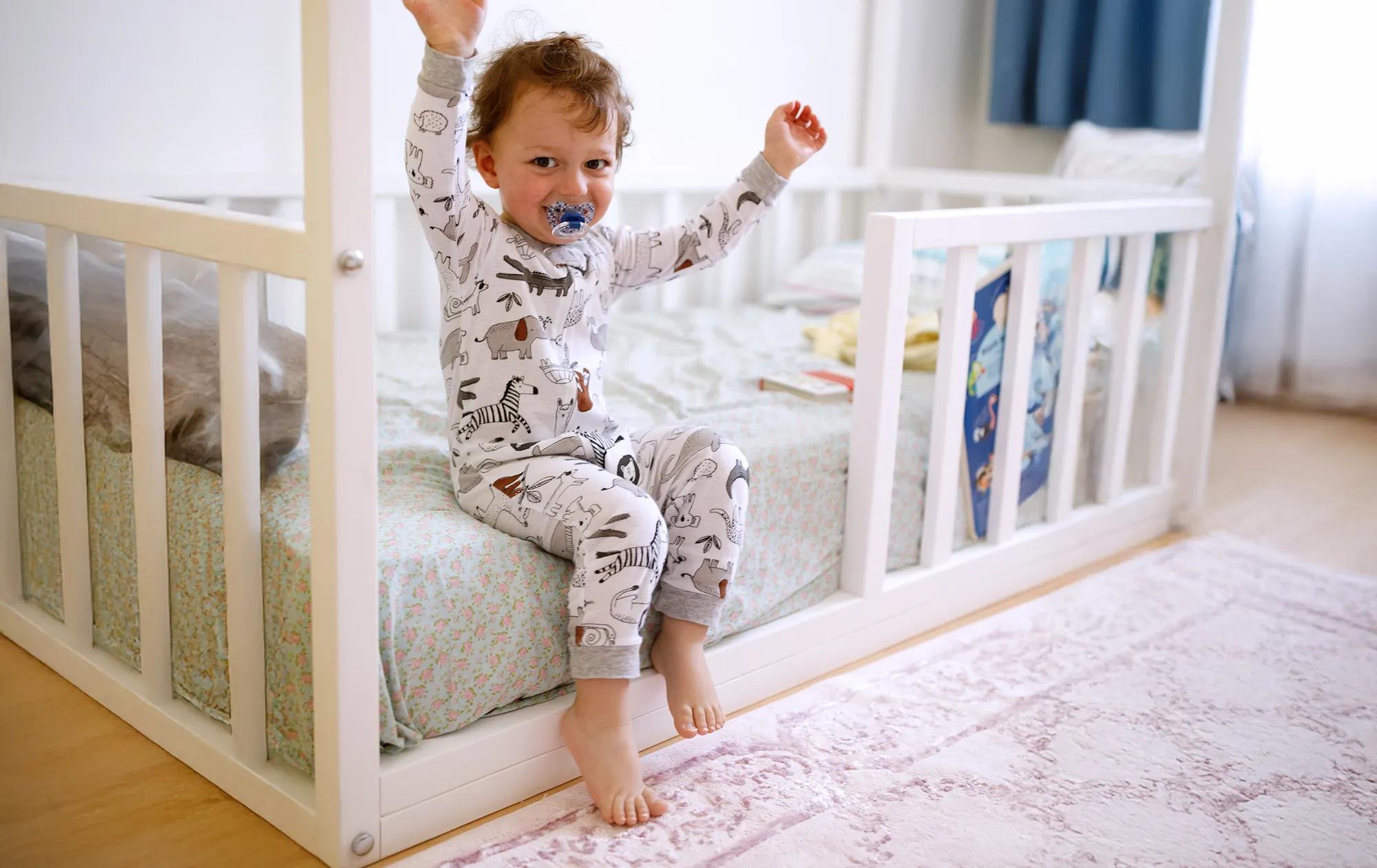
Pick a bed that fits your child’s size and needs. A toddler bed should be low to the ground for easy climbing. Look for sturdy frames with guardrails to prevent falls. Avoid beds that are too big or too small. Let your toddler help choose the bed to make them feel involved.
Creating A Safe Sleep Space
Make sure the room is safe and cozy for your toddler. Remove sharp or breakable objects from nearby areas. Check that windows and doors are secure. Use soft bedding and keep toys organized. A calm, clutter-free space helps your child relax and sleep well.
Establishing A Routine
Set a simple bedtime routine that your toddler can follow. Start with calming activities like reading a story or gentle music. Keep the same bedtime every night to build a habit. A consistent routine signals your child that it is time to sleep. This helps reduce bedtime struggles and makes the change easier.
Credit: health.clevelandclinic.org
Tips For A Smooth Transition
Transitioning your child to a toddler bed can feel like a big step. It often brings both excitement and challenges. A smooth transition helps your child feel safe and comfortable. Here are simple tips to make this change easier for everyone.
Introducing The Bed Gradually
Start by letting your child explore the new bed during the day. Allow them to sit, play, or read books on it. This helps the bed feel familiar before bedtime. Use their favorite blankets or stuffed animals to make it cozy. Avoid rushing this process. Take a few days or weeks to help your child adjust slowly.
Using Positive Reinforcement
Praise your child for sleeping in the new bed. Celebrate small successes, like staying in bed all night. Use simple rewards like stickers or extra storytime. Positive words build confidence and create a happy bedtime routine. Keep your tone cheerful and encouraging. Avoid punishment or negative comments.
Managing Night Wakings
Night wakings are normal during this change. Stay calm and gently guide your child back to bed. Use a soft voice and avoid turning on bright lights. Offer comfort without picking them up every time. This teaches your child to self-soothe. Consistency is key to reducing night wakings over time.
Common Challenges
Transitioning to a toddler bed is a big step for both parents and children. It often comes with challenges that can make the process tricky. Understanding these common difficulties helps parents prepare better.
Fear Of The New Bed
Many toddlers feel scared of the new bed. It looks different and feels unfamiliar. This fear can cause them to resist bedtime or want to sleep with parents. Night lights and familiar blankets can ease this fear.
Resistance To Change
Children like routine and may resist change strongly. Moving from a crib to a bed breaks their usual sleep pattern. They may test limits by getting out of bed or refusing to sleep. Patience and consistency are key during this phase.
Sleep Regression
Some toddlers experience sleep regression during the transition. They may wake more often or have trouble falling asleep. This happens as their body adjusts to the new sleeping space. Keeping a calm bedtime routine helps reduce sleep issues.

Credit: busytoddler.com
When To Seek Expert Advice
Deciding the right time to move your child to a toddler bed is not always simple. Sometimes, challenges arise that need extra help. Knowing when to seek expert advice can make this transition easier. Experts can guide you if your child shows signs of trouble. This support helps protect your child’s sleep and growth.
Persistent Sleep Issues
Many children face sleep problems during bed transitions. If your child wakes often or struggles to fall asleep, this might be more than normal adjustment. Persistent sleep issues can affect mood and health. Consulting a pediatric sleep specialist can provide solutions. They can check for underlying problems and suggest better routines.
Behavioral Concerns
Some children show strong fear or anxiety about new beds. Nightmares, tantrums, or refusal to sleep alone can be signs. Such behaviors may need attention from a child psychologist. Early help can improve your child’s comfort and confidence. Professionals offer strategies to reduce stress and build positive sleep habits.

Credit: casakids.com
Frequently Asked Questions
What Is The Ideal Age To Switch To A Toddler Bed?
Most children transition to a toddler bed between 18 months and 3 years. This depends on their size, development, and readiness to sleep safely in a bed.
How Do I Know If My Child Is Ready For A Toddler Bed?
Signs include climbing out of the crib, showing interest in a bed, and following simple instructions. Safety and comfort are key readiness indicators.
What Are Safety Tips For Toddler Bed Transition?
Use guardrails to prevent falls, keep the bed low to the floor, and childproof the room. Ensure the environment is secure and comfortable for your toddler.
Can Transitioning Too Early Affect My Child’s Sleep?
Yes, switching too early may cause sleep disruptions. Wait until your child shows readiness to help maintain healthy sleep patterns.
Conclusion
Choosing the right age for a toddler bed depends on your child’s readiness. Watch for signs like climbing out of the crib or showing interest in a bigger bed. Every child grows at their own pace. A smooth transition helps your toddler feel safe and happy.
Keep bedtime routines simple and comforting. This change marks a new stage in your child’s growth. Patience and care make the process easier for both of you. Trust your instincts and your child’s needs. The right time will come naturally.