Are you wondering when your child is ready to sleep on the top bunk bed? It’s a common question for many parents who want to keep their kids safe while giving them a fun and cozy sleeping space.
Choosing the right age for this change isn’t just about growing taller—it’s about making sure your child feels secure and comfortable. You’ll discover the ideal age to start using a top bunk bed, important safety tips, and how to make the transition smooth for your little one.
Keep reading to find out what you need to know to make the best decision for your family.
Recommended Age For Top Bunk
Choosing the right age for a child to sleep on the top bunk is very important. Safety is the top priority. The recommended age depends on several factors like physical ability and safety rules. Knowing these can help parents make the best choice for their child.
Minimum Age Guidelines
Experts suggest children should be at least 6 years old to use the top bunk. Younger kids may not have the balance or coordination needed. Falls from the top bunk can cause serious injuries. Setting a minimum age helps reduce these risks.
Developmental Milestones
Children must reach certain milestones before using the top bunk. They should climb up and down safely. Kids also need to understand rules about staying in bed. Being able to follow safety instructions is key. These skills usually develop around age 6 or older.
Pediatrician Recommendations
Many pediatricians agree that the top bunk is best for kids over 6. They stress checking the bed’s safety features. Guardrails and sturdy ladders are essential. Doctors also advise parents to watch how children use the bed. This helps prevent accidents and keeps kids safe.
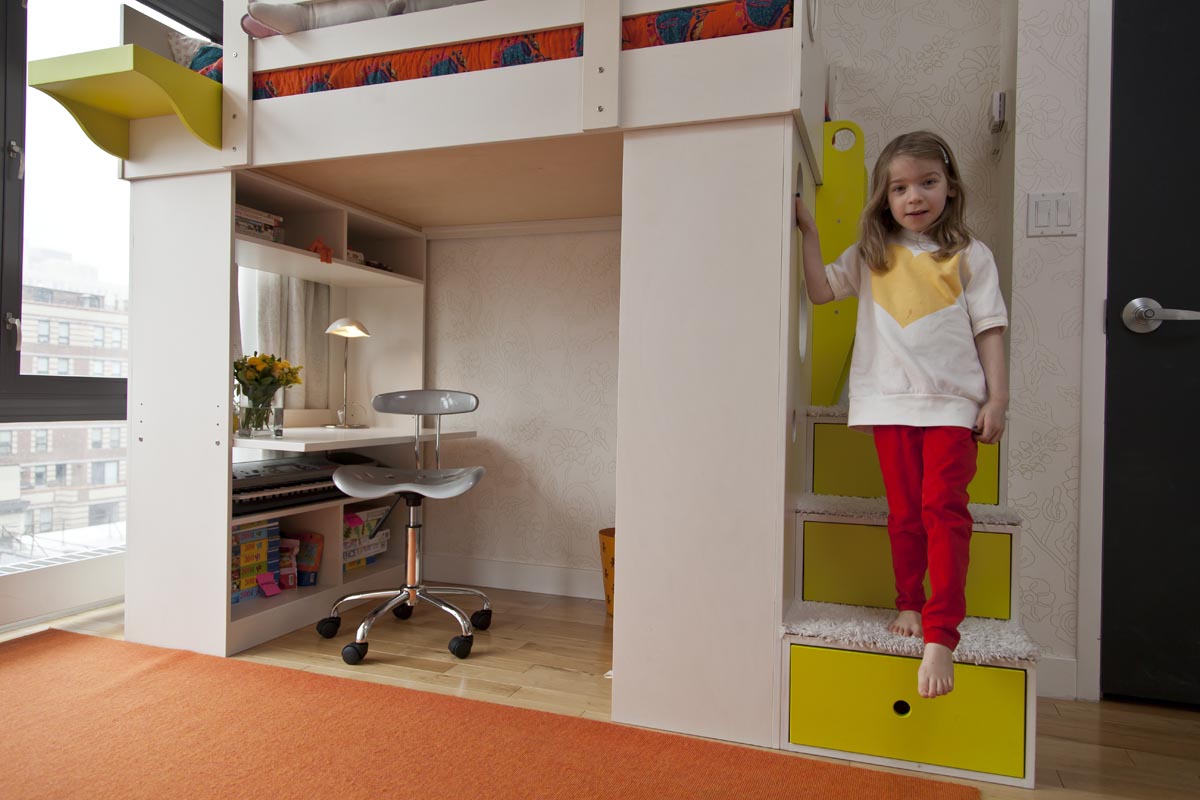
Credit: casakids.com
Risks Of Early Use
Using a top bunk bed too early can be dangerous for kids. Their bodies and coordination are not ready for the height and climbing involved. Parents should know the risks before letting children sleep on the top bunk. Understanding these risks helps keep children safe and avoids serious injuries.
Injury Statistics
Many injuries happen from falls off top bunk beds. Studies show children under six have the highest risk. Falls can cause broken bones, cuts, or head injuries. Emergency rooms treat thousands of bunk bed accidents each year.
Common Accidents
Kids often fall while climbing up or down ladders. Rolling off the bed during sleep is another common accident. Some injuries happen when kids jump or play on the top bunk. Poor guardrails and unsafe bed designs add to the danger.
Sleep Safety Concerns
Young children may struggle to stay safe while sleeping high up. They can roll over the edge without strong guardrails. Nighttime trips to the bathroom can lead to falls. Sleep disruption from fear or discomfort is also common.
Safety Features To Look For
Choosing the right top bunk bed for kids means focusing on safety first. A few key features can keep children safe and comfortable while they sleep. These features reduce the risk of falls and injuries. Parents should check these safety elements before buying a top bunk bed.
Guardrails And Barriers
Strong guardrails are essential to prevent falls from the top bunk. The rails should run along both sides of the bed. They must be high enough to stop kids from rolling off during sleep. Gaps between rails should be small to avoid accidents. Secure guardrails provide peace of mind to parents.
Sturdy Ladder Design
The ladder must be easy to climb and firmly attached to the bed. Steps should be wide and slip-resistant to keep little feet safe. A sturdy ladder helps children get up and down without trouble. Check for ladders that don’t wobble or move during use.
Mattress Fit And Height
Choose a mattress that fits snugly in the bed frame. A mattress too thick can raise the sleeping height dangerously. Too thin a mattress might cause discomfort. The mattress height should allow guardrails to protect the child properly. Proper mattress fit ensures safety and comfort.
Preparing Kids For The Top Bunk
Preparing kids for the top bunk bed takes careful steps. Safety is the top priority before sleeping up high. Teaching good habits helps kids enjoy their new bed without risks.
Parents should explain how to move safely on the ladder and bed. Clear rules help kids understand what is allowed and what is not. Watching children at first ensures they follow the safety steps well.
Teaching Safe Climbing
Show kids how to climb up and down slowly. Always use both hands on the ladder. Practice climbing during the day before bedtime. Remind them to look at each step carefully. Never jump or rush on the ladder. Teach kids to keep one foot on each rung at a time.
Setting Rules For Use
Set clear rules about when and how to use the top bunk. No playing or roughhousing on the bed. Only one child should be on the top bunk at a time. No toys or heavy items on the ladder. Explain why rules keep everyone safe. Write down rules and place near the bed for reminders.
Monitoring And Supervision
Watch children closely when they first use the top bunk. Check if they follow safe climbing and rules. Be nearby during bedtime until they feel confident. Regularly remind kids about safety practices. Fix any unsafe habits right away. Supervision helps prevent falls and accidents.
Alternatives To Top Bunk Sleep
Choosing the right sleep setup for kids is important for safety and comfort. Not all children are ready for the top bunk bed. Many families find other options better for younger kids. These alternatives keep kids safe and happy while sleeping.
Convertible Beds
Convertible beds change as your child grows. They can start as a crib or toddler bed. Later, they turn into a twin or full bed. This option saves space and money. It also helps kids adjust slowly to a bigger bed.
Floor-level Sleeping Options
Floor-level beds are close to the ground. They reduce the risk of falls and injuries. These beds include mattresses or low platforms. Kids can climb in and out easily. Floor beds give children independence with less worry for parents.
Sleep Arrangements For Younger Kids
For toddlers and babies, co-sleeping or bassinets work well. Parents can keep a close eye on them at night. Room-sharing helps with feeding and comfort. These setups support safe sleep habits and peace of mind for parents.
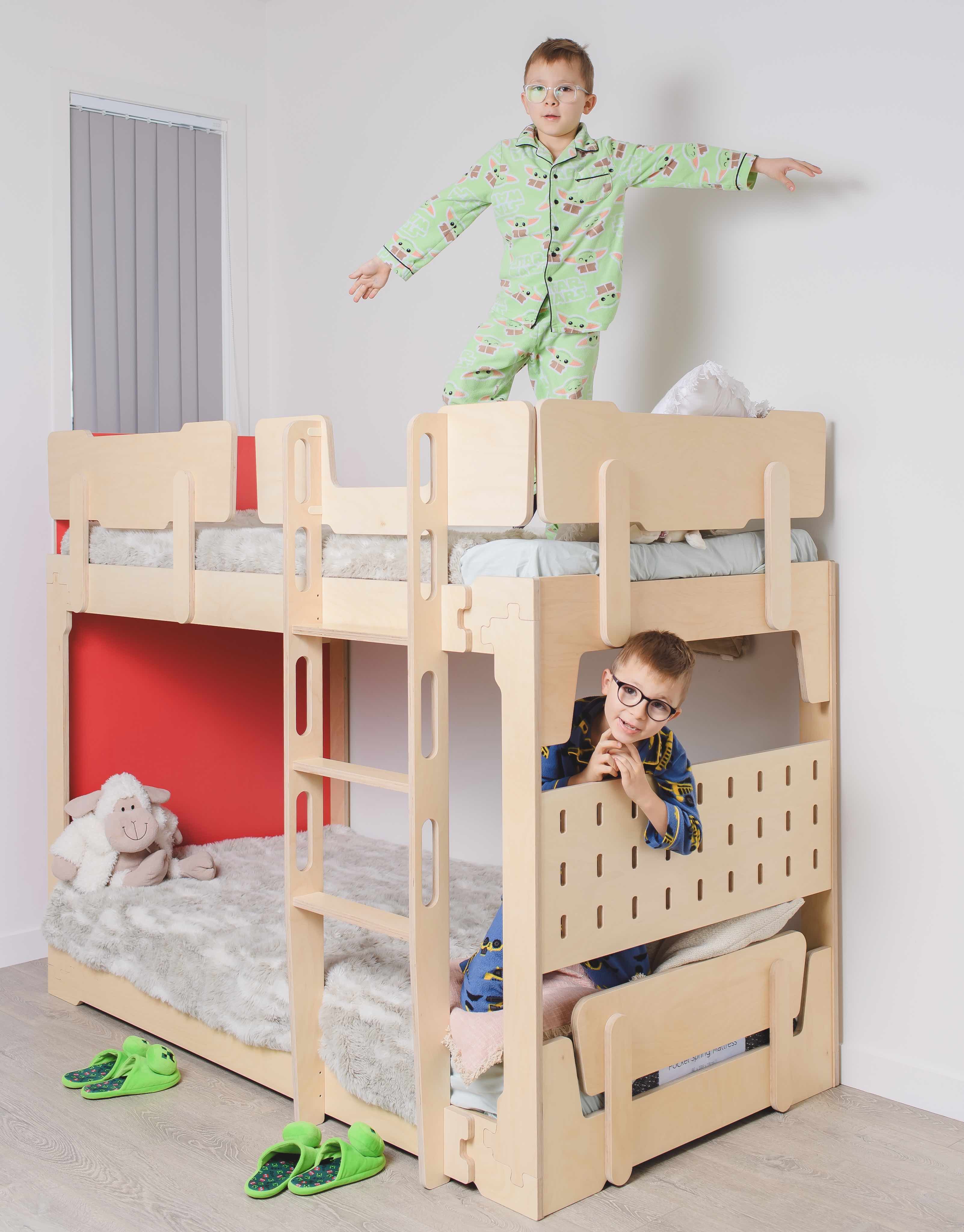
Credit: kitsmart.co.nz
Maintenance And Inspection Tips
Maintaining a top bunk bed is key to keeping kids safe. Regular checks help spot problems early. This keeps the bed strong and secure for children. Simple steps make a big difference.
Regular Safety Checks
Look over the bed every few weeks. Check for cracks or loose parts. Make sure guardrails are steady. Test the ladder for any wobbling. Keep the area around the bed clear.
Tightening Hardware
Use a screwdriver or wrench to tighten bolts and screws. Loose hardware can cause accidents. Check all connections carefully. Tighten anything that feels loose. This keeps the bed sturdy and safe.
Replacing Worn Parts
Replace broken or worn parts right away. Old wood or metal can fail easily. Use parts that match the original design. This helps keep the bed safe for kids. Do not use damaged ladders or rails.

Credit: maxandlily.com
Frequently Asked Questions
What Is The Recommended Age For Top Bunk Beds?
Experts suggest children should be at least 6 years old to safely use a top bunk bed. Younger kids may risk falls and injuries. Always follow manufacturer guidelines and ensure proper safety rails are installed.
Why Are Bunk Bed Age Restrictions Important?
Age restrictions prevent accidents like falls and injuries. Younger children often lack coordination and judgment needed for top bunk safety. Following age limits ensures a safer sleeping environment and peace of mind for parents.
How To Make Top Bunk Beds Safer For Kids?
Install sturdy guardrails on all sides of the top bunk. Use a secure ladder with non-slip steps. Teach kids to avoid rough play and always climb down carefully. Regularly check bed stability and hardware tightness.
Can Toddlers Sleep On Top Bunk Beds?
Toddlers should not sleep on top bunk beds due to high fall risks. Their motor skills and judgment are still developing, making lower beds a safer option until age recommendations are met.
Conclusion
Kids should start sleeping on the top bunk at age six or older. At this age, they usually have better balance and awareness. Make sure the bed has safety rails to prevent falls. Teach kids to climb up and down carefully every time.
Always check the mattress fits well and the bed is sturdy. Parents must watch their children’s comfort and confidence with the top bunk. Safety comes first. Choosing the right age helps kids enjoy their bunk bed safely and happily.