Are you looking to create more space in your room without buying new furniture? Turning your bunk beds into a loft bed might be the perfect solution.
It’s a smart way to open up floor space for a desk, play area, or storage. Imagine having a cozy bed up high and plenty of room underneath to make your space feel bigger and more organized. In this guide, you’ll learn simple steps to transform your bunk beds into a stylish and practical loft bed.
Keep reading, and you’ll discover how easy it can be to upgrade your room and make the most of every inch.
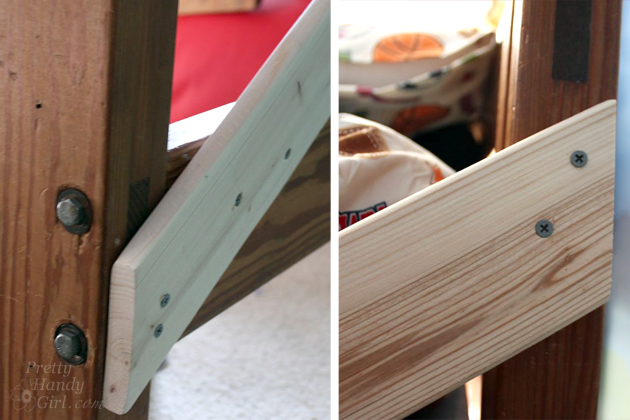
Credit: prettyhandygirl.com
Choosing The Right Bunk Bed
Choosing the right bunk bed is key to a safe and sturdy loft bed. Not every bunk bed works well for this change. Some beds are easy to turn into loft beds. Others need more work or may not be safe enough. This section helps you pick the best bed for your project.
Focus on strong structure, good materials, and safety. These points make a big difference. A good choice means a better and safer loft bed.
Assessing Bed Structure
Check the frame carefully. Look for strong joints and solid connections. The bed should not wobble or shake. A sturdy frame supports the loft bed well. Avoid beds with loose screws or cracks. A bed with a strong frame makes the conversion easier and safer.
Material And Build Quality
Choose beds made from solid wood or metal. These materials hold weight better. Wood should be thick and smooth. Metal frames must be rust-free and firm. Poor materials can break or bend. Good quality means the loft bed lasts longer and stays safe.
Safety Considerations
Safety is the top priority. Check for guardrails on the upper bed. Ensure the bed height fits your room safely. The bed must support the weight of the person using it. Look for beds with a strong ladder or add one. Avoid sharp edges or loose parts. Safe beds prevent accidents and give peace of mind.
Gathering Tools And Materials
Gathering the right tools and materials is the first step to turning bunk beds into a loft bed. Having everything ready makes the project easier and safer. Prepare a clean workspace to keep parts organized. Check each item before starting to avoid delays. This section covers what you need to collect before beginning your build.
Essential Tools List
- Power drill with drill bits
- Screwdrivers (Phillips and flathead)
- Measuring tape
- Level tool
- Wrench or socket set
- Hammer
- Stud finder
- Safety goggles and gloves
Required Materials
- Wood planks or panels for bed platform
- Support beams or brackets
- Wood screws and bolts
- Sandpaper or sanding block
- Paint or wood finish (optional)
- Metal or wooden ladder (if not using existing)
Optional Accessories
- Guardrails for safety
- Under-bed storage boxes
- LED strip lights for ambiance
- Decorative cushions or pillows
- Desk attachment for workspace
Preparing The Bunk Bed For Conversion
Preparing the bunk bed for conversion is the first step in making your loft bed. This process helps ensure safety and a clean look. It sets a strong base for the new design. Taking time here makes the whole project smoother and safer.
Removing The Bottom Bunk
Start by taking off the bottom bunk carefully. Use tools like a screwdriver or wrench. Keep screws and bolts in a safe place. This step clears space for the loft bed style. Work slowly to avoid damage to the frame.
Inspecting For Stability
Check the frame after removing the bottom bunk. Look for cracks, loose joints, or weak spots. Tighten any loose screws or bolts. Strong support is key for a safe loft bed. Fix any issues before moving on.
Cleaning And Surface Prep
Clean the entire bunk bed frame well. Remove dust, dirt, and old paint flakes. Use a damp cloth and mild cleaner. Sand rough areas to smooth the surface. This helps paint or stain stick better.

Credit: ikeahackers.net
Raising The Bed Frame
Raising the bed frame is a key step in turning bunk beds into a loft bed. It creates more space under the bed for storage or a desk. This process needs careful planning to keep the bed strong and safe.
Adding Support Legs
Start by adding extra legs to the bed frame. These legs support the higher position of the bed. Use sturdy wood or metal legs for better strength. Attach them firmly to the frame’s corners and middle. This prevents the bed from wobbling or falling.
Securing The Frame
Next, secure the frame to the wall or floor. Use brackets or anchors for a tight hold. This stops the bed from moving or tipping. Check that all screws and bolts are tight. Safety is the top priority when raising the bed.
Adjusting Height And Position
Finally, adjust the bed’s height to fit your room. Measure the space under the bed for comfort. Make sure the bed is level and stable. Adjust legs or add shims if needed. This step creates a safe and useful loft bed area.
Enhancing Safety Features
Enhancing safety features is important when turning bunk beds into a loft bed. Safety helps prevent accidents and gives peace of mind. Simple changes can make the bed much safer. These include guardrails, a sturdy ladder, and checking weight limits. Each step helps keep the sleeper secure.
Focus on these key safety parts to make your loft bed safe and strong.
Installing Guardrails
Guardrails stop sleepers from falling off the bed. Use strong wood or metal rails along the bed edges. Make sure the rails are high enough to keep anyone safe. Check that rails fit tightly and have no gaps. Secure guardrails with screws for extra strength. This simple step reduces the risk of falls at night.
Adding Ladder Or Steps
A firm ladder or steps help climb up safely. Choose ladders with wide, flat steps for better grip. Fix the ladder tightly to the bed frame. Avoid ladders that wobble or feel loose. Steps with handrails add extra support. Good climbing tools make getting in and out easy and safe.
Checking Weight Limits
Every bed has a weight limit. Know the maximum weight your loft bed can hold. Include the mattress and the person using it. Exceeding the limit can cause the bed to break. Check the manufacturer’s guide or test the frame carefully. Staying within weight limits keeps the bed stable and safe.
Customizing The Loft Bed Space
Customizing the loft bed space transforms a simple sleeping area into a multi-functional zone. It creates a unique place for storage, work, or relaxation. Personal touches make the space inviting and practical. This customization helps use every inch of the room wisely.
Creating Storage Solutions
Storage is key under a loft bed. Use shelves or small cabinets to keep things organized. Hanging baskets or hooks save floor space. Choose containers that fit the space and style. This keeps clutter away and makes the room neat.
Setting Up A Workspace
Under the loft bed is perfect for a small desk. Add a chair that fits comfortably. Good lighting helps focus and reduces eye strain. Keep supplies within reach but tidy. This setup makes a cozy, quiet study or work spot.
Decorative Ideas
Decorations add personality and comfort. Use soft rugs or cushions for a cozy feel. String lights or small lamps create warm lighting. Add artwork or posters to brighten walls. Choose colors and items that reflect your style.
Final Checks And Maintenance Tips
Final checks and regular maintenance keep your loft bed safe and sturdy. These steps help prevent accidents and extend the bed’s life. A safe loft bed means peace of mind for everyone.
Testing Stability
Check the bed’s frame for any wobbling or movement. Push gently on all sides to see if it stays firm. Tighten loose screws and bolts right away. Make sure the ladder is secure and does not shake.
Routine Safety Inspections
Look over the bed every few weeks for damage or wear. Watch for cracks in the wood or metal. Inspect the guardrails to be sure they are strong. Replace any broken parts immediately to avoid danger.
Maintaining Bed Longevity
Keep the bed clean from dust and dirt. Use a soft cloth to wipe the surfaces often. Avoid jumping on the bed to prevent stress on joints. Apply wood polish or paint to protect and freshen the look.
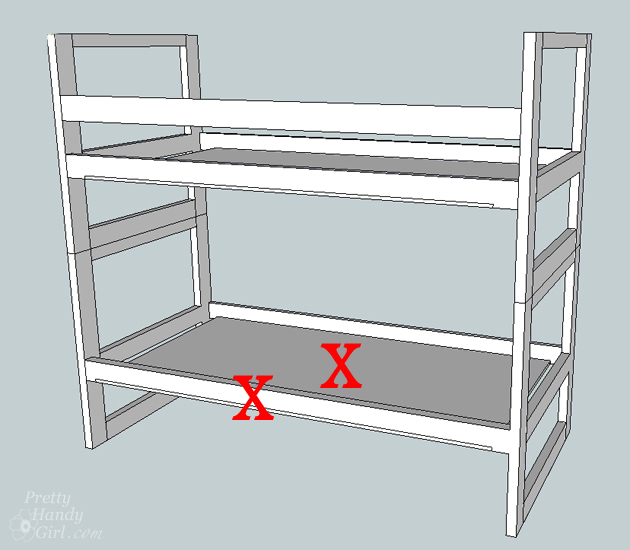
Credit: prettyhandygirl.com
Frequently Asked Questions
How Can I Convert Bunk Beds Into A Loft Bed?
To convert bunk beds into a loft bed, remove the lower bunk and its support. Secure the upper bunk frame properly to ensure stability. Add safety rails if needed. This creates a raised sleeping area with open space underneath for other uses.
What Tools Are Needed To Turn Bunk Beds Into A Loft Bed?
You’ll need basic tools like a screwdriver, wrench, drill, and measuring tape. These help disassemble the lower bunk and secure the upper bed. Safety equipment like gloves and goggles is also recommended for protection during the conversion.
Is It Safe To Remove The Lower Bunk From Bunk Beds?
Yes, if the upper bunk is properly secured and supported after removal. Ensure the frame is stable and safety rails are intact. Always follow manufacturer guidelines or consult a professional to maintain bed safety standards.
How Much Space Can I Save With A Loft Bed Conversion?
Converting bunk beds into a loft bed frees up the entire floor space beneath the bed. This can create 20 to 40 square feet of usable room for a desk, storage, or play area depending on the bed size.
Conclusion
Transforming bunk beds into a loft bed saves space and adds style. It gives your room a fresh, open feel. You can create a cozy area below for play or work. Taking safety steps ensures a secure and sturdy bed.
Small changes make a big difference. Try this project to enjoy a new look and more room. Simple tools and clear steps make it easy. Enjoy your loft bed every day!