Have you ever wondered how deep a kitchen bookshelf should be to fit all your cookbooks and essentials perfectly? Choosing the right depth can make a huge difference in how organized and accessible your kitchen feels.
Too shallow, and your books might fall over; too deep, and you could waste valuable space. You’ll discover the ideal kitchen bookshelf depth that suits your needs, helps you save space, and keeps your kitchen looking neat. Keep reading to find out how to make your kitchen bookshelf work best for you!

Credit: www.amazon.com
Ideal Kitchen Bookshelf Depths
Choosing the right depth for a kitchen bookshelf is important. It affects how much you can store and how the shelf fits in your kitchen space. The ideal depth balances storage needs and kitchen size. Here are key points about kitchen bookshelf depths.
Standard Depth Measurements
Most kitchen bookshelves have a depth between 8 and 12 inches. This size fits most cookbooks and kitchen items. A depth of 10 inches is common and practical. It provides enough room for books without taking too much space.
Adjusting Depth For Space Constraints
Small kitchens need shallower shelves. Shelves as shallow as 6 inches can work well. This saves space and keeps the kitchen open. In larger kitchens, deeper shelves up to 14 inches fit more items. Adjust depth based on available wall or counter space.
Customizing Depth For Different Items
Cookbooks usually need shelves about 10 inches deep. For small kitchen tools or spices, 6 to 8 inches is enough. For larger items like pots or appliances, shelves may need to be 12 inches or more. Custom depth helps organize items neatly and safely.

Credit: www.amazon.com
Factors Influencing Bookshelf Depth
Choosing the right depth for a kitchen bookshelf is important. Many factors affect how deep the shelves should be. These factors help create a practical and stylish kitchen space. Understanding them makes it easier to pick the perfect bookshelf depth.
Kitchen Layout And Design
The size and shape of your kitchen affect bookshelf depth. Small kitchens need shallower shelves to save space. Large kitchens can have deeper shelves for more storage. The style of your kitchen also matters. Modern kitchens often use sleek, narrow shelves. Traditional kitchens may have wider shelves for bigger items.
Types Of Books And Cookbooks
Think about the books you want to store. Cookbooks come in many sizes. Some are thin, others are large and heavy. Shallow shelves work well for small books. Deeper shelves are better for big cookbooks. Also, consider if you want space for magazines or tablets. This changes the depth you need.
Accessibility And Convenience
Bookshelf depth affects how easy it is to reach books. Deep shelves can make it hard to see or grab books at the back. Shallow shelves keep books visible and within reach. Think about who will use the shelf. Kids or elderly people need easy access. Choose a depth that fits daily use and comfort.
Measuring For Perfect Fit
Measuring your kitchen space correctly ensures the bookshelf fits perfectly. A well-measured bookshelf avoids awkward gaps and blocks. It also makes the kitchen look neat and organized. Careful measurement saves time and money by preventing mistakes. Follow simple steps to get exact dimensions before buying or building.
Tools Needed For Accurate Measurement
Use a tape measure for clear length and width readings. A pencil and paper help note down measurements. A level checks if surfaces are straight. A step stool or ladder may be needed for high spots. A calculator can help add or subtract measurements quickly.
Steps To Measure Kitchen Space
Start by measuring the width of the wall where the bookshelf will go. Measure the height from floor to ceiling or cabinet bottom. Check the depth from the wall to the edge of counters or appliances. Take measurements at several points to find any uneven spots. Write all numbers clearly and double-check them.
Accounting For Door Clearance
Measure the space around doors near the bookshelf spot. Leave extra room for doors to open fully without hitting the shelf. Consider cabinet doors and appliance doors too. Think about drawers that might need space to slide out. Add at least two inches to your measurement for safe clearance.
Material Choices And Their Impact
Choosing the right material for a kitchen bookshelf affects its depth and durability. Different materials change how deep the shelves can be and how much weight they hold. The material also impacts the look and feel of your kitchen space.
Wood Thickness And Shelf Stability
Thicker wood means stronger and more stable shelves. Thin wood may bend or sag under heavy books or dishes. Solid wood usually offers better support than plywood or particleboard. Proper thickness keeps shelves straight and safe for kitchen items.
Weight Capacity Considerations
Heavy materials hold more weight without bending. Metal and hardwood shelves support heavier kitchen tools. Lighter materials like MDF hold less but cost less. Knowing the weight of your items helps choose the right shelf depth and material.
Aesthetic Vs. Functional Materials
Some materials look beautiful but may not last in a kitchen. Glass shelves add style but break easily. Wood provides a warm look and strong support. Balancing how the shelf looks and how it works is key to a good kitchen bookshelf.
Installation Tips For Kitchen Bookshelves
Installing a kitchen bookshelf needs careful planning. It ensures safety and good use of space. You can choose between wall-mounted or freestanding shelves. Each has its benefits and requires different steps.
Proper installation helps keep your kitchen neat. It also protects your books and items from falling. Here are some simple tips to guide you through the process.
Wall-mounted Vs. Freestanding Options
Wall-mounted shelves save floor space. They keep your kitchen looking open and tidy. Use strong anchors to hold the shelf weight. Freestanding shelves move easily and hold heavy items well. Choose the type that fits your kitchen size and style. Think about your needs before buying.
Securing Shelves Safely
Use a stud finder to locate wall studs. Screwing into studs gives strong support. Use screws and anchors made for your wall type. Check the shelf level before fixing it. Tighten all screws to avoid wobbling. Safety should be your top priority during installation.
Maximizing Vertical Space
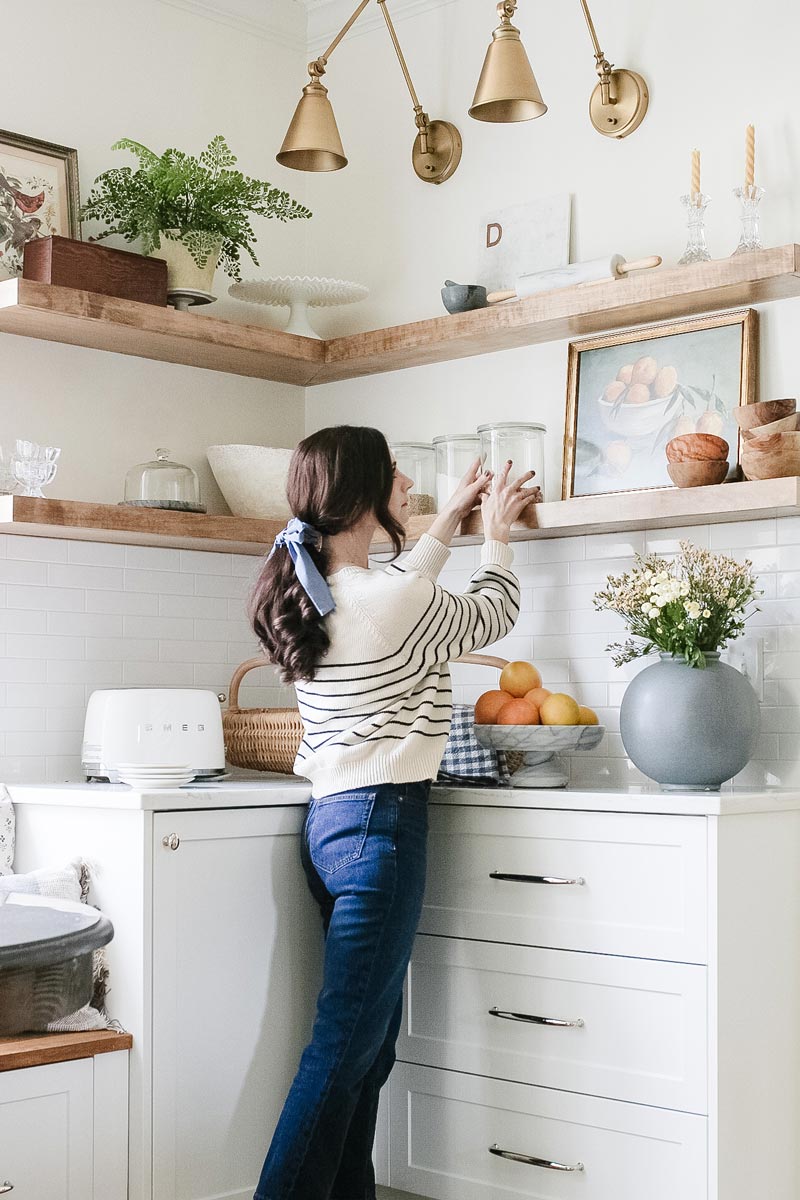
Use tall shelves to store more items. Place less-used items on the top shelves. Keep everyday books and tools at eye level. Vertical storage saves room and keeps things handy. Use shelf dividers or baskets for better organization.
Credit: housewithhome.com
Maintenance And Upkeep
Maintaining a kitchen bookshelf keeps it looking good and lasting longer. Proper care helps avoid damage from heat, moisture, and daily use. Small habits protect the wood and keep books safe.
Regular upkeep also makes the kitchen feel neat and organized. Spending a few minutes each week can prevent big problems later. Let’s explore simple ways to care for your kitchen bookshelf.
Cleaning Tips For Kitchen Shelves
Use a soft cloth to remove dust gently. Avoid wet cloths that can soak the wood. A dry or slightly damp cloth works best. Wipe spills quickly to stop stains or water marks.
Use mild soap mixed with water for tough spots. Do not use harsh chemicals or abrasive cleaners. These can damage the finish and wood surface.
Preventing Warping And Damage
Keep the bookshelf away from direct heat sources. Avoid placing it too close to ovens or stoves. Heat dries the wood and causes warping over time. Keep the area dry to prevent swelling or mold.
Use coasters or mats under hot pots and pans. Avoid stacking heavy items unevenly on shelves. Distribute weight evenly to maintain shelf shape.
Organizing Books For Longevity
Do not overcrowd shelves with too many books. Leave space for air circulation to prevent moisture buildup. Store books upright and not leaning sideways.
Use bookends to keep books standing straight. Rotate books occasionally to reduce uneven pressure. Clean book covers to avoid dirt and dust buildup.
Frequently Asked Questions
What Is The Standard Depth Of A Kitchen Bookshelf?
The standard depth of a kitchen bookshelf is typically between 10 to 12 inches. This size fits most kitchen spaces and holds cookbooks and small kitchen items efficiently. It balances storage capacity with space-saving design, making it ideal for kitchens of various sizes.
How Deep Should A Kitchen Bookshelf Be For Large Cookbooks?
For large cookbooks, a kitchen bookshelf depth of 12 to 14 inches is recommended. This depth accommodates oversized books comfortably without overcrowding. It also allows easy access and proper display, ensuring your kitchen remains organized and stylish.
Can Kitchen Bookshelf Depth Affect Kitchen Space?
Yes, kitchen bookshelf depth directly impacts available kitchen space. Deeper shelves provide more storage but can reduce walking or countertop space. Choosing a bookshelf depth that balances storage needs and kitchen flow is essential for functional and comfortable kitchen design.
Are Custom Kitchen Bookshelves Deeper Than Standard Ones?
Custom kitchen bookshelves can be deeper than standard ones, tailored to specific storage needs. They often range from 12 to 16 inches deep. Custom depth allows better accommodation of larger items or unique kitchen layouts, enhancing both utility and aesthetics.
Conclusion
A kitchen bookshelf’s depth depends on what you want to store. Most shelves range from 10 to 15 inches deep. This size fits most cookbooks and kitchen items well. Deeper shelves can hold larger items but take up more space.
Measuring your kitchen area first helps choose the right depth. A well-sized bookshelf keeps your kitchen neat and organized. Remember, the right depth makes your space both useful and tidy. Choose wisely to match your kitchen’s needs and style.