Are you looking for a unique and stylish way to display your books? A wooden sling bookshelf might be just what you need.
It combines the warmth of wood with a simple, modern design that saves space and adds charm to any room. You don’t need to be a woodworking expert to create one. In this guide, you’ll learn easy steps to build your own wooden sling bookshelf, using materials you can find at any hardware store.
By the end, you’ll have a beautiful piece that showcases your favorite reads and impresses your guests. Ready to get started? Let’s dive in!

Credit: www.amazon.com
Materials And Tools
Starting a wooden sling bookshelf needs the right materials and tools. Choosing good quality wood and hardware makes a strong and beautiful shelf. Tools help to shape and put everything together easily. Below are the key items you need to prepare.
Wood Selection
Pick wood that is strong and smooth. Pine, oak, or maple work well for shelves. The wood should be thick enough to hold books without bending. Sand the wood to avoid rough edges or splinters. A nice finish improves the look and protects the wood.
Hardware And Accessories
You need strong ropes or leather straps to create the sling. Choose ropes that can hold weight without stretching. Metal hooks and screws will attach the sling to the wood. Use anchors if mounting on drywall. Small nails or wood glue help to secure parts.
Required Tools
A saw cuts the wood to size. A drill makes holes for screws and hooks. Screwdrivers tighten screws and hooks firmly. Sandpaper smooths the wood surface. Measuring tape and pencil help mark the wood accurately. Clamps hold pieces while you work.
Preparing The Wood
Preparing the wood is the first step in making your wooden sling bookshelf. It sets the foundation for a strong and beautiful piece. Careful preparation ensures the wood fits well and looks great. Take your time with this stage. It makes the whole project easier and more enjoyable.
Measuring And Cutting
Start by measuring your wood pieces carefully. Use a tape measure and mark the exact lengths. Double-check each measurement before cutting. Straight cuts make assembly easier and shelves stronger. Use a saw suitable for clean, precise cuts. Cut slowly and steadily to avoid splinters or mistakes. Keep safety in mind and wear protective gear.
Sanding The Pieces
Sanding smooths rough edges and removes splinters. Use medium-grit sandpaper first to shape the edges. Then switch to fine-grit sandpaper for a smooth finish. Sand all surfaces, including edges and corners. Smooth wood feels nicer to touch and prevents scratches. Clean off dust after sanding to keep the wood ready for finishing.
Creating The Sling
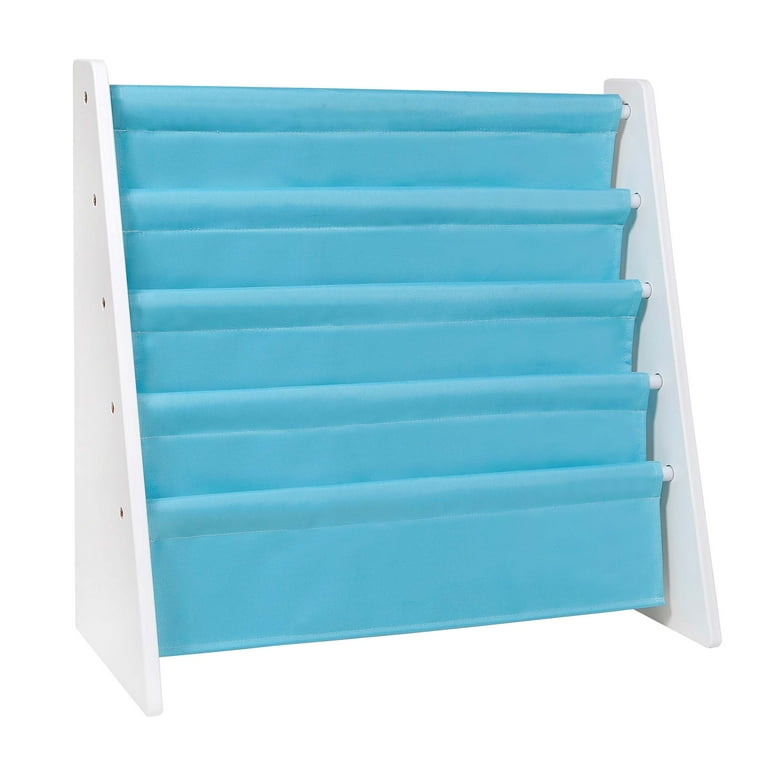
Creating the sling is a key step in building your wooden sling bookshelf. This part holds the books and supports the weight. It must be strong and durable. The sling also adds style to your bookshelf.
Choosing the right fabric is important. The fabric should be sturdy and easy to clean. It should hold the books without tearing or stretching. The sling fabric needs to fit well between the wooden frames. A tight fit keeps the books safe and stable.
Choosing The Right Fabric
Choose fabric that can support heavy weight. Canvas, denim, or heavy cotton work well. Avoid thin or stretchy fabrics. They might sag or rip over time. Pick a color and pattern that matches your room decor. A smooth texture helps books slide in and out easily.
Cutting And Sewing
Measure the space between the wooden frames carefully. Add extra length for sewing seams and hems. Cut the fabric using sharp scissors for clean edges. Fold the edges twice to prevent fraying. Sew the hems with strong thread and tight stitches. Reinforce corners to handle more weight. Double stitching gives extra strength to the sling.
Credit: www.walmart.com
Assembling The Frame
Assembling the frame is a key step in making your wooden sling bookshelf. This part shapes the overall structure and strength. Take your time to build a solid frame for safety and style.
Joining Wood Pieces
Start by lining up the wooden pieces according to your design. Use clamps to hold the wood steady. Apply wood glue at the joints for extra grip. Drill pilot holes to prevent wood from splitting. Secure the pieces with screws for a tight fit. Check that corners are square with a carpenter’s square tool.
Securing The Frame
Once joined, reinforce the frame by adding corner braces. Attach braces with screws for stronger support. Sand the frame edges to smooth any rough spots. Test the frame’s sturdiness by applying gentle pressure. Adjust screws if any part feels loose. Your frame is now ready for the sling attachment.
Attaching The Sling To Frame
Attaching the sling to the wooden frame is a key step in building your sling bookshelf. This step holds the fabric securely and shapes the shelf’s look. Proper attachment ensures the sling carries books safely and lasts long. Follow clear steps to fix and adjust the sling.
Fixing The Fabric
Start by cutting the fabric to fit the frame size. Use a strong, durable cloth like canvas or denim. Fold the edges of the fabric to avoid fraying. Attach the fabric to the wooden frame using screws or staples. Place the fasteners evenly along the frame to hold the fabric tight. Check each corner to keep the sling neat and secure.
Adjusting Tension
After fixing the fabric, test the sling’s tension. The fabric should be tight but not too stretched. Tighten or loosen the fasteners to find the right balance. A good tension supports books without sagging or tearing. Adjust both sides equally for a level sling. Recheck the tension after placing books on the shelf.
Finishing Touches
Finishing touches bring your wooden sling bookshelf to life. They protect the wood and highlight its beauty. Taking time for these steps ensures your shelf looks great and lasts long. Simple finishes make your project stand out.
Applying Stain Or Paint
Choose a stain or paint that fits your style. Stain shows the wood grain and adds warmth. Paint gives a bold, colorful look. Use a brush or cloth for even coverage. Apply thin layers and let each dry well. Light sanding between coats helps smooth the surface. Avoid thick coats to prevent drips and uneven spots.
Adding Protective Coating
A protective coat shields your shelf from damage. Use clear polyurethane or varnish for strong protection. Apply with a clean brush in thin layers. Let each layer dry fully before the next. This finish guards against scratches and spills. It also makes cleaning easier. The right coating keeps your bookshelf looking fresh for years.
Mounting And Placement
Mounting and placement are key steps to make your wooden sling bookshelf both sturdy and stylish. Proper mounting keeps the shelf safe and supports the weight of your books. Thoughtful placement enhances room decor and accessibility.
Wall Mounting Tips
Choose a strong wall like drywall with studs or brick. Use a stud finder to locate studs behind the wall. Attach the shelf brackets directly into the studs for best support. Use heavy-duty screws and anchors made for the wall type. Check the shelf level with a spirit level before tightening screws. Tighten screws carefully to avoid cracking the wood. Test the shelf’s stability by pressing gently before placing books.
Best Location Ideas
Place the bookshelf near your favorite reading spot. It keeps books close and invites reading. Avoid areas with high moisture like bathrooms or kitchens. Keep the shelf away from direct sunlight to stop wood fading. Choose a spot with enough room for the sling to hang freely. Near a desk or sofa works well. Think about the shelf height for easy reach by all users.
Maintenance And Care
Keeping your wooden sling bookshelf in good shape takes some effort. Regular care helps your shelf last longer and look nice. Wood is natural and needs gentle cleaning and repair. Following simple steps protects the wood and the sling material. Let’s explore how to clean and fix your bookshelf easily.
Cleaning Guidelines
Dust the wooden frame often with a soft cloth. Use a dry or slightly damp cloth. Avoid soaking the wood with water. For the sling, use a gentle brush or cloth to remove dust. Clean spills immediately to prevent stains. Use mild soap and water for tough spots on fabric. Do not use harsh chemicals on wood or sling. Let everything dry completely before placing books back.
Repair Tips
Check the wood for cracks or loose joints regularly. Tighten screws or nails if they come loose. Small cracks can be filled with wood filler. Sand the area lightly after filler dries. Replace the sling if it tears or weakens. Use strong fabric or leather straps as replacements. Fix problems quickly to avoid bigger damage. Regular checks keep your bookshelf sturdy and safe.

Credit: buybuybaby.bedbathandbeyond.com
Frequently Asked Questions
What Materials Are Needed To Make A Wooden Sling Bookshelf?
You need wood planks, sturdy fabric for the sling, screws, sandpaper, wood finish, and mounting hardware. Choose durable wood and strong fabric for safety and longevity.
How Do I Assemble The Wooden Sling Bookshelf Step-by-step?
Cut and sand the wood planks, attach the fabric sling to side boards, then secure the shelves. Finally, mount the bookshelf on a wall using screws and anchors.
Can I Customize The Size Of The Wooden Sling Bookshelf?
Yes, you can easily adjust the wood plank lengths and fabric size. Customize to fit your space and the number of books you want to store.
What Type Of Wood Is Best For A Sling Bookshelf?
Hardwoods like oak, maple, or birch are ideal. They offer strength, durability, and a smooth finish, ensuring your bookshelf holds weight and looks great.
Conclusion
Building a wooden sling bookshelf is a fun and useful project. It adds charm and storage space to your room. You need only a few tools and simple steps. Take your time and follow the guide carefully. You will enjoy seeing your books neatly displayed.
This project fits well in many home styles. Try it yourself and enjoy a new handmade shelf. Keep practicing to improve your woodworking skills. Every small project brings more confidence and joy.