Imagine having a bookshelf that not only holds your favorite books but also saves space and adds a unique touch to your room. You can make a sliding bookshelf yourself, even if you’re not a woodworking expert.
This project is easier than you think, and the result is both practical and stylish. In this guide, you’ll discover simple steps to build your own sliding bookshelf, transforming your space while showing off your creativity. Ready to create something amazing?
Let’s get started!

Credit: murphydoor.com
Planning Your Sliding Bookshelf
Planning your sliding bookshelf is the first step to a successful project. Careful thought saves time and effort later. This section helps you prepare well for building your bookshelf. Focus on location, measurements, and materials to get started.
Choosing The Right Location
Pick a spot that fits the bookshelf size and use. Consider wall space and nearby furniture. Check for outlets or vents that might block the bookshelf. A good location makes the sliding feature smooth and easy.
Measuring Space Accurately
Use a tape measure for precise dimensions. Measure height, width, and depth carefully. Take note of uneven walls or floors. Accurate measurements avoid mistakes and help your bookshelf fit perfectly.
Selecting Materials
Choose wood or boards that suit your style and budget. Look for strong, smooth materials for easy sliding. Consider the weight of books and items you will store. Good materials ensure durability and a neat look.

Credit: www.reddit.com
Tools And Supplies Needed
Building a sliding bookshelf requires specific tools and supplies. Having the right items ready makes the project easier and safer. This section lists the tools and materials needed for a smooth build.
Essential Tools List
- Measuring tape – for accurate dimensions
- Pencil – to mark cutting lines
- Power drill – to make holes and drive screws
- Screwdriver – for tightening screws
- Circular saw or handsaw – to cut wood pieces
- Level – to ensure shelves are straight
- Clamps – to hold wood steady while working
- Sandpaper or electric sander – to smooth edges
- Safety glasses – to protect your eyes
- Work gloves – to protect your hands
Recommended Materials
- Wood boards – choose sturdy wood like pine or oak
- Sliding door tracks – for smooth movement
- Wood screws – to join parts securely
- Wood glue – for extra strength
- Paint or wood stain – to finish and protect wood
- Handles or knobs – for easy sliding
- Sandpaper – to prepare wood for finishing
Cutting And Preparing Wood
Cutting and preparing wood is a key step in building a sliding bookshelf. This stage shapes the wood into the right sizes and forms the base of your project. Careful preparation helps ensure your bookshelf fits perfectly and looks great.
Proper cutting and sanding prevent problems later. It also makes the assembly easier and the final product stronger. Let’s explore the steps to measure, cut, and smooth your wood.
Measuring And Marking
Start by measuring the wood pieces according to your plan. Use a tape measure for accuracy. Mark the cut lines clearly with a pencil. Double-check your marks to avoid mistakes. Accurate marking saves time and wood.
Cutting Techniques
Use a saw suitable for your wood type. A circular saw works well for straight cuts. Cut slowly along the marked lines. Keep your hands steady and follow safety rules. Clean cuts make assembly easier and look neat.
Sanding For Smooth Edges
Sanding removes rough spots and splinters. Use medium-grit sandpaper first, then fine-grit for smoothness. Sand along the grain to avoid scratches. Smooth edges help the wood pieces fit better. It also gives a nice finish for painting or staining.
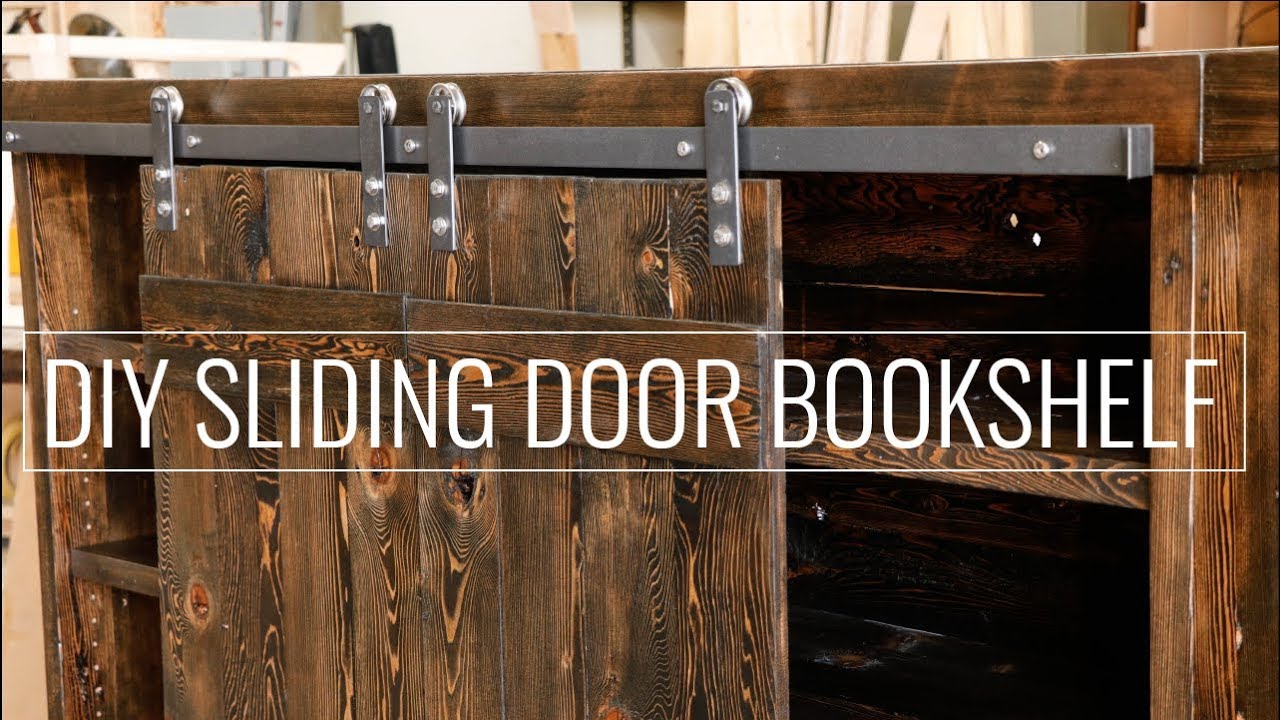
Credit: www.youtube.com
Assembling The Bookshelf Frame
Assembling the bookshelf frame is a key step in making a sliding bookshelf. It forms the base that holds all the shelves and sliding parts. A strong frame keeps the bookshelf steady and safe for your books. Take your time to fit the pieces together carefully. Use the right tools and hardware to make sure the frame lasts long.
Joining Pieces Securely
Start by matching all the frame pieces. Use wood glue on the edges before screwing them together. Screws hold the pieces tight and stop them from moving. Drill pilot holes first to avoid splitting the wood. Check the corners with a square tool to keep them at a right angle.
Adding Support Beams
Add support beams inside the frame for extra strength. These beams stop the frame from bending under weight. Place them evenly between the sides and bottom. Attach each beam with screws and glue. Make sure the beams do not block where the shelves will slide.
Ensuring Stability
Test the frame for any wobbling or weak points. Tighten all screws again. Place the frame on a flat surface to check balance. If the frame rocks, adjust the feet or add small shims. A stable frame keeps the sliding bookshelf safe and easy to use.
Installing Sliding Mechanism
Installing the sliding mechanism is a key step in building a sliding bookshelf. This part makes the bookshelf move smoothly and safely. It involves selecting the right hardware, fixing the tracks and rollers, and making sure everything works well. Each step requires attention to detail for the best results.
Types Of Sliding Hardware
Choose sliding hardware based on your bookshelf size and weight. Common types include ball bearing tracks, roller tracks, and nylon wheels. Ball bearing tracks offer smooth motion and durability. Roller tracks are easier to install and budget-friendly. Nylon wheels reduce noise and work well on wooden tracks. Pick hardware that fits your project needs and space.
Attaching Tracks And Rollers
Start by measuring where the tracks will go on the bookshelf and wall. Use a level to keep the tracks straight. Secure the tracks with screws into studs or strong anchors. Attach rollers to the bookshelf edges following the hardware instructions. Make sure rollers align perfectly with the tracks to avoid jamming. Tighten all screws firmly but do not overtighten.
Testing Smooth Movement
Slide the bookshelf back and forth slowly. Check for any jerks or resistance. If movement is rough, adjust the rollers or tracks slightly. Lubricate the tracks if needed for smoother motion. Test several times to ensure the bookshelf slides easily without wobbling. Confirm the mechanism holds the shelf securely in place when stopped.
Finishing Touches
Finishing touches bring your sliding bookshelf to life. They protect the wood and improve its look. These final steps make your project both beautiful and functional. Focus on three key areas for the best results.
Painting Or Staining
Choose paint or stain to match your room’s style. Paint offers bright, solid colors that cover the grain. Stain highlights the wood’s natural beauty. Apply thin, even coats for smooth results. Let each coat dry fully before adding the next. This protects the wood and makes it last longer.
Adding Handles Or Knobs
Handles or knobs make sliding easy and add charm. Pick simple designs for a clean look. Screw them in firmly but avoid over-tightening. Place handles where they feel natural to grip. This small step improves both comfort and style.
Securing To Wall For Safety
Safety matters. Secure the bookshelf to the wall to stop tipping. Use brackets or straps designed for furniture. Attach them to wall studs for strong support. Check the stability after installation. This keeps your bookshelf steady and safe.
Organizing Your Bookshelf
Organizing your sliding bookshelf makes it both functional and attractive. Good organization helps you find books quickly. It also keeps your space neat. A well-arranged shelf shows off your style and personality. Use smart techniques to get the most from your shelf.
Optimizing Shelf Space
Use vertical space by stacking books upright and horizontally. Place taller books on the bottom shelves. Put smaller books or paperbacks on top. Group books by size or category for easy access. Leave some empty space for future additions. Use shelf dividers to keep books steady. This stops them from falling when you slide the shelf.
Decorative Storage Ideas
Mix books with decorative boxes or baskets for small items. Use bookends that match your room’s style. Add small plants or art pieces between books. Display a few favorite covers facing outward. This adds color and interest to the shelf. Use clear containers to store bookmarks or notes. Keep the shelf balanced between function and decor.
Maintenance Tips
Maintaining your sliding bookshelf is key to keeping it smooth and durable. Proper care helps avoid common problems and extends its life. Regular checks and simple cleaning make a big difference.
Cleaning And Care
Dust and dirt can block the sliding tracks. Clean the tracks with a soft brush or cloth often. Use a mild soap solution for sticky spots. Avoid harsh chemicals that can damage the wood or metal parts.
Lubricate the sliding mechanism every few months. Use a silicone spray or light oil to keep the movement smooth. Wipe off any excess lubricant to prevent dust build-up. Check for loose screws and tighten them to keep the bookshelf stable.
Troubleshooting Sliding Issues
If the bookshelf sticks or does not slide well, check the tracks for dirt or damage. Remove any debris that blocks the path. Look for bent or warped rails and fix them carefully.
Ensure the wheels or rollers are aligned properly. Replace any worn or broken parts. Test the sliding action after adjustments. Repeat cleaning and lubrication if needed. Small fixes can restore smooth sliding quickly.
Frequently Asked Questions
What Materials Are Needed For A Sliding Bookshelf?
You need wood panels, sliding tracks, screws, wood glue, a drill, and a measuring tape. Quality materials ensure durability and smooth sliding.
How Do I Install Sliding Tracks For The Bookshelf?
Measure and mark the track positions carefully. Attach tracks firmly using screws and a drill for stable movement.
Can I Customize The Size Of The Sliding Bookshelf?
Yes, measure your space precisely and cut wood panels accordingly. Custom sizes fit different rooms perfectly.
What Tools Are Essential For Building A Sliding Bookshelf?
Basic tools include a saw, drill, screwdriver, measuring tape, and level. These ensure accurate cuts and assembly.
Conclusion
Building a sliding bookshelf adds charm and space to any room. It keeps books organized and easy to reach. With simple tools and steps, anyone can create this useful piece. Take your time and follow the guide carefully. Enjoy the feeling of making something practical yourself.
A sliding bookshelf fits well in small or big rooms. It saves space and looks neat. Start your project today and see the difference it makes!