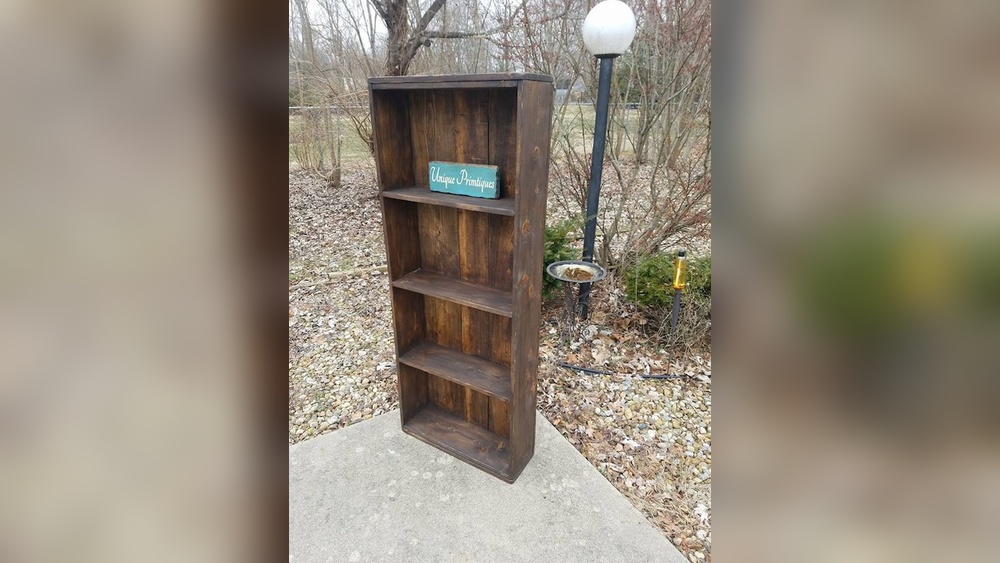
Are you tired of your cheap bookshelf wobbling or sagging under the weight of your favorite books? You don’t have to spend a fortune to make it stronger and more reliable.
With a few simple tricks and easy fixes, you can turn your flimsy shelf into a sturdy storage solution that lasts. Keep reading, and you’ll discover practical tips that anyone can use to boost your bookshelf’s strength without breaking the bank.
Your books—and your peace of mind—will thank you.

Credit: www.popularwoodworking.com
Assessing Bookshelf Weaknesses
Assessing the weaknesses of a cheap bookshelf is the first step to making it stronger. Many bookshelves have hidden problems that cause them to fail quickly. Spotting these issues early can save money and effort.
Look closely at the shelf before adding any reinforcements. Understanding where the shelf struggles helps you fix it better and prevent future damage.
Common Signs Of Weak Shelves
Look for sagging boards that bend under weight. Loose screws or nails can make shelves wobbly. Cracks or splits in the wood show stress points. Check for shelves that tilt or lean to one side. Uneven surfaces may mean the shelf is unstable. Small gaps between parts can reduce strength.
Identifying Load-bearing Points
Load-bearing points carry the weight of books and items. Usually, these points are where shelves meet the frame. Check the sides and back panel for support strength. Corners and joints are often under the most pressure. Weak joints here can cause the whole shelf to fail. Mark these spots to reinforce them later.

Credit: www.amazon.com
Choosing Reinforcement Materials
Choosing the right materials to reinforce a cheap bookshelf is key to making it stronger. The right materials add support and stability without costing much. This section covers affordable wood, metal brackets, and essential tools. Each option helps improve your shelf’s durability.
Affordable Wood Options
Wood is a simple way to strengthen shelves. Pine and plywood are good choices. They are cheap and easy to find. Use thin wood strips to add support under shelves. Cut the wood to size and attach it with screws. This method stops sagging and makes the shelf hold more weight.
Metal Brackets And Supports
Metal brackets boost shelf strength quickly. They come in many sizes and shapes. Choose small L-shaped brackets for corners. Attach them with screws on the underside or sides. Metal supports hold the shelf tightly and stop it from bending. They are durable and last long.
Diy Tools You’ll Need
Basic tools make reinforcing easier. A screwdriver or drill helps with screws. A measuring tape ensures correct wood or bracket size. A saw cuts wood to fit. A level keeps shelves straight. These tools make your project smooth and safe. Prepare them before starting work.
Simple Reinforcement Techniques
Simple reinforcement techniques can make a cheap bookshelf much stronger. These methods help prevent sagging and wobbling. They extend the life of your shelf without costing much. You can do these fixes with basic tools and materials.
Adding Corner Braces
Corner braces are small metal brackets that support shelf corners. Attach them inside the corners where two boards meet. Use screws to fix the braces tightly. This stops the shelf from shaking side to side. Corner braces add stability and keep shelves square.
Installing Center Supports
Center supports help hold up long shelves. Cut a wooden board or use a metal leg under the middle. Secure it to the shelf and floor or wall. This reduces bending and spreading of the shelf board. Center supports give extra strength to hold heavy items.
Using Plywood Backing
Adding plywood to the back of the bookshelf improves its strength. Cut plywood to fit the back panel area. Attach it with nails or screws to the frame. The plywood stops the shelf from twisting or leaning forward. It also helps keep the shelf square and steady.
Credit: www.reddit.com
Strengthening Shelf Boards
Strengthening shelf boards is key to making a cheap bookshelf last longer. Shelf boards often bend or break under heavy weight. Fixing this problem can save money and improve safety.
Simple steps can make boards stronger and more stable. Use basic tools and materials to reinforce the shelves. This guide shows easy ways to strengthen shelf boards without spending much.
Doubling Up Boards
One easy method is doubling up the shelf boards. Place a second board on top of the existing one. This adds thickness and reduces bending. Use boards of the same size and type for best results.
Glue the two boards together with wood glue. Clamp them tightly until the glue dries. This creates a single, stronger shelf. Doubling boards helps hold more weight without sagging.
Securing With Screws And Glue
Use screws and glue for a firm hold. Apply wood glue along the edge of the boards. Press them together and wipe off extra glue. Then, drive screws through the top board into the bottom one.
Space screws evenly for better strength. The glue bonds the wood, and screws keep it tight. This method prevents movement and increases shelf durability. It works well for all types of cheap shelves.
Improving Stability And Balance
Improving the stability and balance of a cheap bookshelf makes it safer and more durable. A stable bookshelf holds books better and lasts longer. Small fixes can stop it from wobbling or tipping over. Simple methods help keep the shelf steady on any floor.
Anchoring To Walls
Anchoring a bookshelf to the wall prevents it from tipping forward. Use brackets or straps made for furniture safety. Fix one end of the bracket to the shelf and the other to a wall stud. This keeps the shelf steady even if it holds heavy books. Anchoring is especially important in homes with children or pets. It is a quick, low-cost way to add safety and strength.
Adding Adjustable Feet
Adjustable feet help level a bookshelf on uneven floors. These small supports screw into the bottom corners of the shelf. Turn the feet to raise or lower each corner. This stops the shelf from rocking or leaning. Adjustable feet protect the bookshelf legs from damage. They also keep the shelf balanced, reducing stress on joints and shelves.
Maintaining Your Reinforced Bookshelf
Maintaining your reinforced bookshelf keeps it strong and useful for years. Small care steps protect your effort and save money on repairs. Follow simple routines to keep it steady and safe.
Regular Tightening And Checks
Check screws and bolts every few months. Tighten any loose parts to prevent wobbling. Look for cracks or damage on shelves and supports. Fix small issues early to avoid bigger problems. This habit keeps the bookshelf steady and reliable.
Preventing Overloading
Do not put too many heavy items on your shelves. Spread books and objects evenly to balance weight. Heavy loads can bend or break cheap wood and joints. Stick to the weight limits of your bookshelf. This protects its strength and prevents accidents.
Frequently Asked Questions
How Can I Reinforce A Cheap Bookshelf Easily?
Use wooden braces or metal brackets to strengthen weak joints. Adding corner braces improves stability and prevents wobbling. Tighten all screws and bolts regularly for extra support. This simple reinforcement extends your bookshelf’s lifespan effectively.
What Materials Improve Cheap Bookshelf Durability?
Plywood sheets, metal brackets, and wood glue enhance strength. Using thicker shelves or adding support beams helps distribute weight evenly. Avoid overloading shelves to prevent damage. These materials boost durability without costly replacements.
How Do I Prevent Sagging On Budget Bookshelves?
Install center supports or thicker shelves to reduce sagging. Adding vertical dividers helps distribute weight evenly. Use quality screws and avoid heavy items on weak shelves. These steps maintain shelf shape longer and keep books safe.
Can Simple Diy Fixes Make Cheap Shelves Stronger?
Yes, simple DIY fixes like adding corner braces and extra screws help. Reinforcing with wood glue and sanding rough edges improves stability. These low-cost solutions effectively increase shelf strength without professional help.
Conclusion
Making a cheap bookshelf stronger does not take much effort. Small changes can add great support and last longer. Use simple tools and materials you already have. Tighten screws, add extra boards, or use brackets for help. These steps keep your shelf steady and safe.
A strong bookshelf holds your favorite books without worry. Try these tips today and enjoy a sturdy shelf tomorrow. Easy and affordable ways make a big difference. Your books deserve the best support you can give.