Are you looking for a unique way to organize your books and add style to your space? Building a pipe bookshelf might be the perfect project for you.
It combines industrial charm with practical design, giving your room a fresh and modern look. Plus, creating it yourself means you get a custom piece that fits your needs perfectly. In this guide, you’ll discover simple steps and tips to build your own pipe bookshelf quickly and easily.
Ready to transform your space and impress your friends? Let’s get started!
Materials And Tools Needed
Building a pipe bookshelf requires specific materials and tools. Choosing the right items makes the project easier and ensures a sturdy shelf. This section covers the main materials and tools you need for your pipe bookshelf.
Choosing The Right Pipes And Fittings
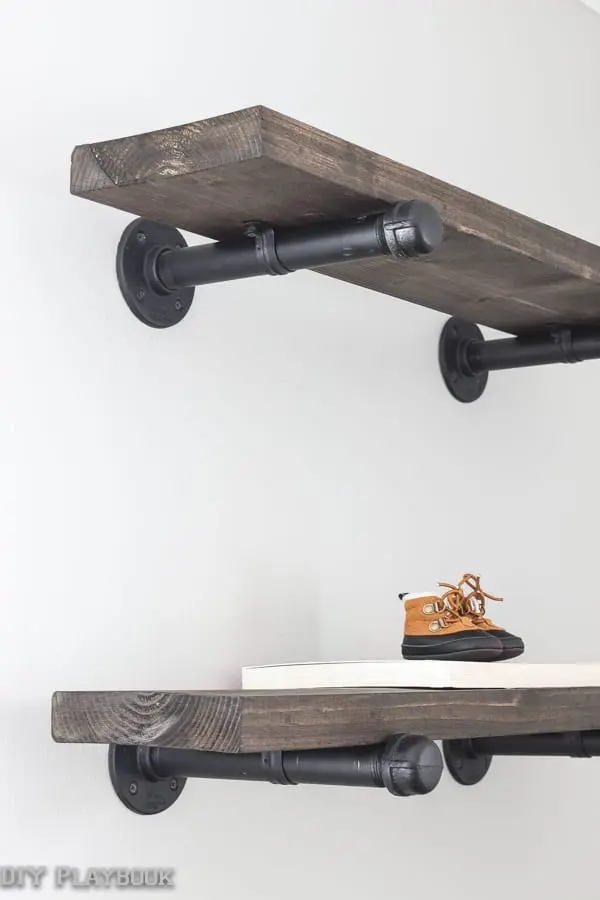
Steel pipes are the best choice for strength and durability. Black iron pipes add an industrial look to your bookshelf. Make sure to buy pipes with the right diameter, usually 1/2 inch or 3/4 inch. Fittings like elbows, tees, and flanges connect the pipes securely. Select fittings that match your pipe size. Check for rust-resistant coatings to increase longevity.
Selecting The Wood For Shelves
Choose wood that is sturdy and can hold weight. Pine, oak, or plywood are popular choices. Pine is affordable and easy to work with. Oak offers a classic, strong finish. Plywood is budget-friendly and stable. Cut the wood to your desired shelf size. Sand the edges smooth to avoid splinters. You can paint or stain the wood to match your room’s style.
Essential Tools For Assembly
You need a pipe wrench to tighten pipes and fittings firmly. A drill helps to screw the wood shelves to the pipe frames. Use a tape measure for accurate measurements. A level ensures your shelves are straight and even. Sandpaper smooths the wood before finishing. Safety gear like gloves and goggles protects you during work.

Credit: sawdustsisters.com
Planning Your Bookshelf Design
Planning your bookshelf design is the first step to a successful project. It helps you avoid mistakes and wasted materials. Thoughtful planning ensures the final product fits your space and meets your needs. This section covers key points to consider before building your pipe bookshelf.
Measuring Your Space
Measure the area where you want the bookshelf. Note the width, height, and depth. Check for any obstacles like baseboards or vents. Allow extra space for pipes and fittings. Accurate measurements guide your design and material choices.
Deciding Shelf Dimensions
Think about what you will store on the shelves. Books need different space than decor items. Decide the shelf width and height based on your items. Keep shelves wide enough for stability. Decide the number of shelves that suit your storage needs.
Sketching The Layout
Draw a simple sketch of your bookshelf design. Include pipe placements and shelf sizes. Label each part with measurements. This visual helps spot design flaws early. It also guides you during the building process.
Preparing The Wood Shelves
Preparing the wood shelves is a key step in building a pipe bookshelf. Good preparation helps the shelves look great and last longer. This process includes cutting, sanding, and finishing the wood. Each step improves the wood’s quality and appearance. Follow these simple steps to get your shelves ready.
Cutting The Wood To Size
Measure the space where you want the shelves. Mark the wood with a pencil using these measurements. Use a saw to cut the wood carefully. Make sure the cuts are straight and even. Always wear safety gear like goggles and gloves. Double-check each piece after cutting to ensure it fits well.
Sanding And Finishing Tips
Sand the wood to smooth its surface. Start with coarse sandpaper to remove rough spots. Then use finer sandpaper for a soft finish. Sand along the wood grain, not against it. Wipe the dust off with a damp cloth. This step helps paint or stain stick better and prevents splinters.
Applying Paint Or Stain
Choose paint or stain that matches your room’s style. Apply a thin coat with a brush or cloth. Let it dry completely before adding more coats. Light sanding between coats can improve smoothness. Finish with a clear sealant for extra protection. This makes the shelves look nice and keeps them safe from wear.
Assembling The Pipe Frame
Assembling the pipe frame is a key step in building a sturdy pipe bookshelf. This part shapes the structure and holds the shelves in place. It requires careful connection of pipes and fittings. Proper assembly ensures the frame is strong and balanced. Follow the steps carefully for a solid frame that lasts.
Connecting Pipes And Fittings
Start by gathering all pipes and fittings. Arrange them according to your design plan. Insert pipes into the fittings firmly. Use a pipe wrench to tighten each joint. Make sure all connections are secure. Loose joints cause wobbling and weak structure. Double-check each connection before moving on.
Ensuring Stability And Balance
Check the frame for balance by standing it upright. Adjust pipes if the frame leans to one side. Use a level tool to confirm it is straight. Tighten fittings more if needed to prevent movement. A stable frame supports heavy books safely. Do not skip this step to avoid accidents.
Securing Pipes To The Wall
Attach the pipe frame to the wall for extra support. Use wall anchors and screws suitable for your wall type. Place brackets at several points along the frame. This prevents the shelf from tipping over. Ensure the brackets hold the frame tightly. Secured pipes keep the bookshelf safe and steady.
Installing The Shelves
Installing the shelves is a key step in building your pipe bookshelf. This part makes sure the shelves stay strong and steady. Careful placement and secure fastening will keep your books safe. Follow the steps below to install shelves properly.
Positioning The Wood On Pipes
Place each wooden shelf on the pipe frame carefully. Align the wood so it fits flat and even. Check that the edges match the pipe ends. This avoids any slipping or tilting later on.
Fastening Shelves For Safety
Use screws or brackets to fix the shelves firmly. Attach the fasteners through the wood into the pipes. This holds the shelves tight and stops movement. Secure fastening prevents accidents and damage.
Adjusting For Level And Fit
Use a level to check if shelves are straight. Adjust the pipes or wood until each shelf is balanced. Tighten all fasteners after adjusting. Proper fit keeps the bookshelf steady and neat.
Customizing Your Bookshelf
Customizing your pipe bookshelf lets you create a unique piece that fits your style. It goes beyond just storing books. You can make it a focal point in any room. Small changes can add personality and charm. This section covers simple ways to personalize your bookshelf.
Adding Decorative Elements
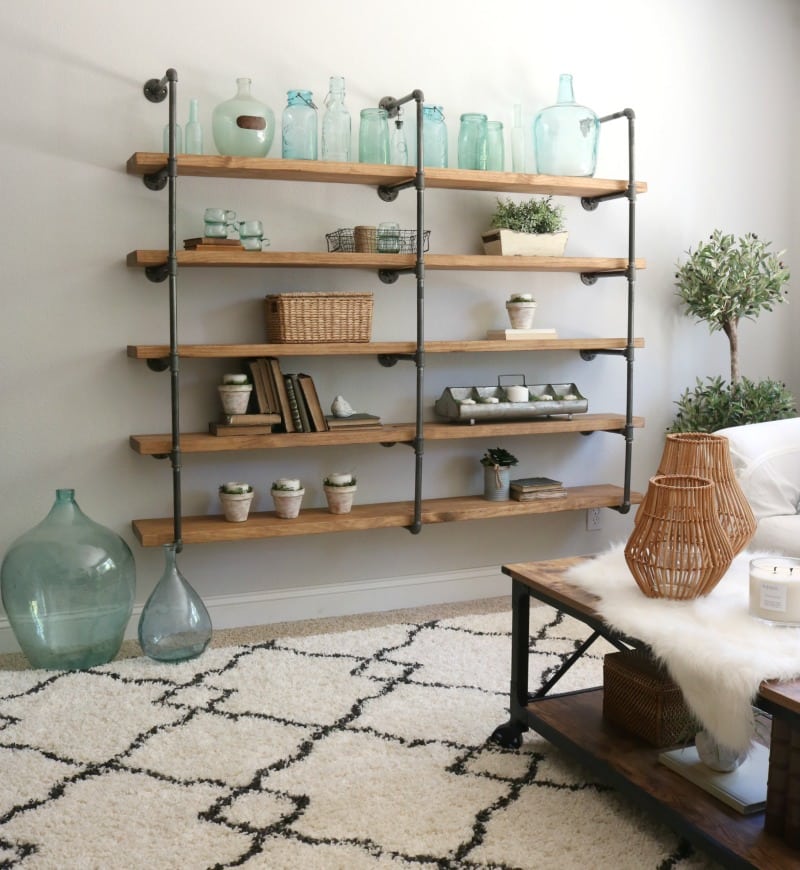
Decorative elements bring life to your bookshelf. Use plants to add a touch of green and freshness. Small sculptures or vintage items create interest. Choose items that match your room’s color and style. You can also paint the pipes or shelves for a bold look. These details make your bookshelf stand out.
Incorporating Lighting Options
Lighting enhances the look of your bookshelf. LED strip lights under each shelf brighten your items. Small clip-on lamps focus on special pieces. Warm light creates a cozy atmosphere. Choose lighting that does not damage books or accessories. Good lighting makes your bookshelf both useful and attractive.
Personalizing With Accessories
Accessories add a personal touch to your bookshelf. Use bookends that reflect your hobbies or interests. Place photo frames with your favorite pictures. Add baskets or boxes for neat storage. These small touches show your personality. They keep your shelf organized and lively at the same time.
Maintenance And Care Tips
Maintaining your pipe bookshelf keeps it looking great and lasting longer. Regular care prevents damage and keeps it sturdy. Simple steps can protect both the metal pipes and wooden shelves.
Cleaning The Pipes And Wood
Dust pipes and wood shelves often with a soft cloth. Use a damp cloth to wipe stubborn dirt from pipes. Dry pipes immediately to stop rust from forming. For wood, avoid too much water to prevent warping. Use wood cleaner for a deeper clean and shine.
Checking For Loose Fittings
Inspect pipe joints and fittings regularly. Tighten any loose screws or bolts with a wrench. Loose parts can cause the shelf to wobble or break. Check the shelf weight to avoid overloading and stress on fittings.
Extending Shelf Lifespan
Keep the bookshelf away from direct sunlight and moisture. Use coasters or mats under heavy items to protect wood. Avoid dragging the shelf across floors to prevent damage. Reapply wood finish yearly for extra protection and beauty.
Credit: thedesigntwins.com
Credit: thediyplaybook.com
Frequently Asked Questions
What Materials Are Needed To Build A Pipe Bookshelf?
You need metal pipes, flanges, wooden boards, screws, and a drill. Choose sturdy wood and rust-resistant pipes for durability. These materials ensure a stable and stylish bookshelf.
How Long Does It Take To Build A Pipe Bookshelf?
Building a pipe bookshelf typically takes 2 to 4 hours. Time depends on your experience and the bookshelf’s size. Preparing materials beforehand speeds up the process.
Can I Customize The Size Of My Pipe Bookshelf?
Yes, pipe bookshelves are highly customizable. Adjust pipe lengths and board sizes to fit your space. Customization allows for unique designs that match your room’s style.
Is Building A Pipe Bookshelf Beginner-friendly?
Yes, building a pipe bookshelf is beginner-friendly. Basic tools and simple assembly steps are involved. Follow instructions carefully for a successful project.
Conclusion
Building a pipe bookshelf is easier than it seems. You only need basic tools and some patience. This project adds style and function to any room. It also saves money compared to buying furniture. Plus, you can customize the size and shape.
Take your time and follow each step carefully. Soon, you will have a unique shelf to display your books. Give it a try and enjoy the process. Your space will look better, and you will feel proud. Simple projects like this bring joy and creativity.
