Are you tired of searching for the perfect bookshelf that fits your space and style? What if you could create one yourself, exactly how you want it?
Making your own bookshelf is easier than you think. With a few simple tools and clear steps, you can build a beautiful, sturdy piece that holds your favorite books and adds charm to your room. Keep reading, and you’ll discover how to turn plain wood into a bookshelf you’ll be proud of—without any confusion or frustration.
Your perfect bookshelf is just a few steps away!
Choosing Materials
Choosing the right materials is the first step in making a sturdy bookshelf. The materials affect the strength, look, and cost of your project. Picking good wood and the right tools makes building easier and gives better results.
Types Of Wood
Wood comes in many types. Pine is soft, cheap, and easy to cut. Oak is hard, strong, and lasts long. Plywood is made from layers glued together. It is stable and good for shelves. MDF is smooth and affordable but less strong. Choose wood that fits your budget and use.
Tools Needed
Basic tools make the job simpler. A saw cuts wood pieces. A drill makes holes and drives screws. Sandpaper smooths rough edges. A measuring tape ensures correct sizes. Clamps hold pieces in place. These tools help you work safely and neatly.
Safety Gear
Safety is very important. Wear safety glasses to protect your eyes. Use gloves to avoid splinters and cuts. A dust mask stops you from breathing wood dust. Ear protection reduces noise from tools. Always keep safety gear on while working.
Planning Your Bookshelf
Planning your bookshelf is the first step to a successful project. Careful thought saves time and money. It also ensures the shelf fits your needs and space perfectly.
Start by deciding how your bookshelf should look and function. Think about what you want to store. Consider the room where it will go. This helps create a clear plan before building.
Design Ideas
Choose a style that matches your room. Simple, modern, or rustic designs work well. Think about open shelves or closed cabinets. You can add small drawers for extra storage. Pick a design that fits your taste and use.
Measuring Space
Measure the wall or corner where the bookshelf will stand. Note the height, width, and depth available. Leave some space around the shelf for easy access. Accurate measurements avoid mistakes during building. Measure twice, cut once.
Drawing A Blueprint
Sketch your bookshelf on paper or use a simple app. Draw each shelf and its dimensions. Mark where screws and supports will go. This blueprint guides you during cutting and assembly. A clear plan makes building easier and faster.
Cutting The Wood
Cutting the wood is the first big step in making your bookshelf. This stage sets the shape and size for every part. Accurate cuts help the pieces fit well together. Take your time and prepare properly before starting.
Marking Measurements
Use a tape measure to get exact numbers. Mark each piece clearly with a pencil. Double check measurements before cutting. Draw straight lines to guide your saw. Clear marks avoid mistakes and save wood.
Using A Saw Safely
Choose the right saw for your wood type. Always wear safety goggles and gloves. Keep your hands away from the blade. Cut slowly along the marked lines. Use clamps to hold the wood steady. Safety first keeps accidents away.
Sanding Edges
After cutting, edges might be rough or sharp. Use sandpaper or a sanding block to smooth them. Sand lightly until edges feel soft and even. Smooth edges prevent splinters and improve the look. Take your time for a clean finish.
Assembling The Frame
Assembling the frame is a key step in building a sturdy bookshelf. It forms the basic structure that holds everything together. Take your time to align each piece perfectly. A well-built frame ensures your bookshelf lasts for years.
Joining Techniques
There are several ways to join the wooden parts. Common methods include using wood glue, dowels, or corner brackets. Wood glue creates a strong bond but needs time to dry. Dowels add extra support inside the joints. Corner brackets give visible support and hold corners tightly.
Using Nails And Screws
Nails and screws secure the frame firmly. Nails are quick to use but may loosen over time. Screws hold better and allow tightening if needed. Pre-drill holes before screwing to avoid splitting the wood. Use screws for main joints and nails for smaller parts.
Checking For Stability
Check the frame’s stability after assembly. Place it on a flat surface and press gently on different sides. The frame should not wobble or creak. Tighten any loose screws or add extra support if needed. A stable frame makes your bookshelf safe and durable.
Adding Shelves
Adding shelves is a key step in making a bookshelf. Shelves hold your books and display items. Proper shelf placement improves both function and style. Planning shelf space carefully helps you organize better.
Each shelf must be strong and well-placed. Consider the size and weight of your items. This ensures your bookshelf will last long and look neat.
Spacing Shelves Evenly
Measure the height of the bookshelf first. Divide the space to fit your books well. Use a pencil to mark shelf positions. Keep space between shelves equal for a balanced look. Adjust spacing for taller books or decorations.
Securing Shelves
Use screws or brackets to hold shelves firmly. Drill pilot holes to avoid wood splitting. Place brackets evenly under each shelf for support. Check shelf level with a tool before fixing. Strong shelves prevent sagging and accidents.
Adjustable Vs Fixed Shelves
Fixed shelves are permanent and very stable. They offer strong support for heavy books. Adjustable shelves can move up or down. This allows flexible storage for different items. Choose fixed shelves for durability. Pick adjustable shelves for versatile use.
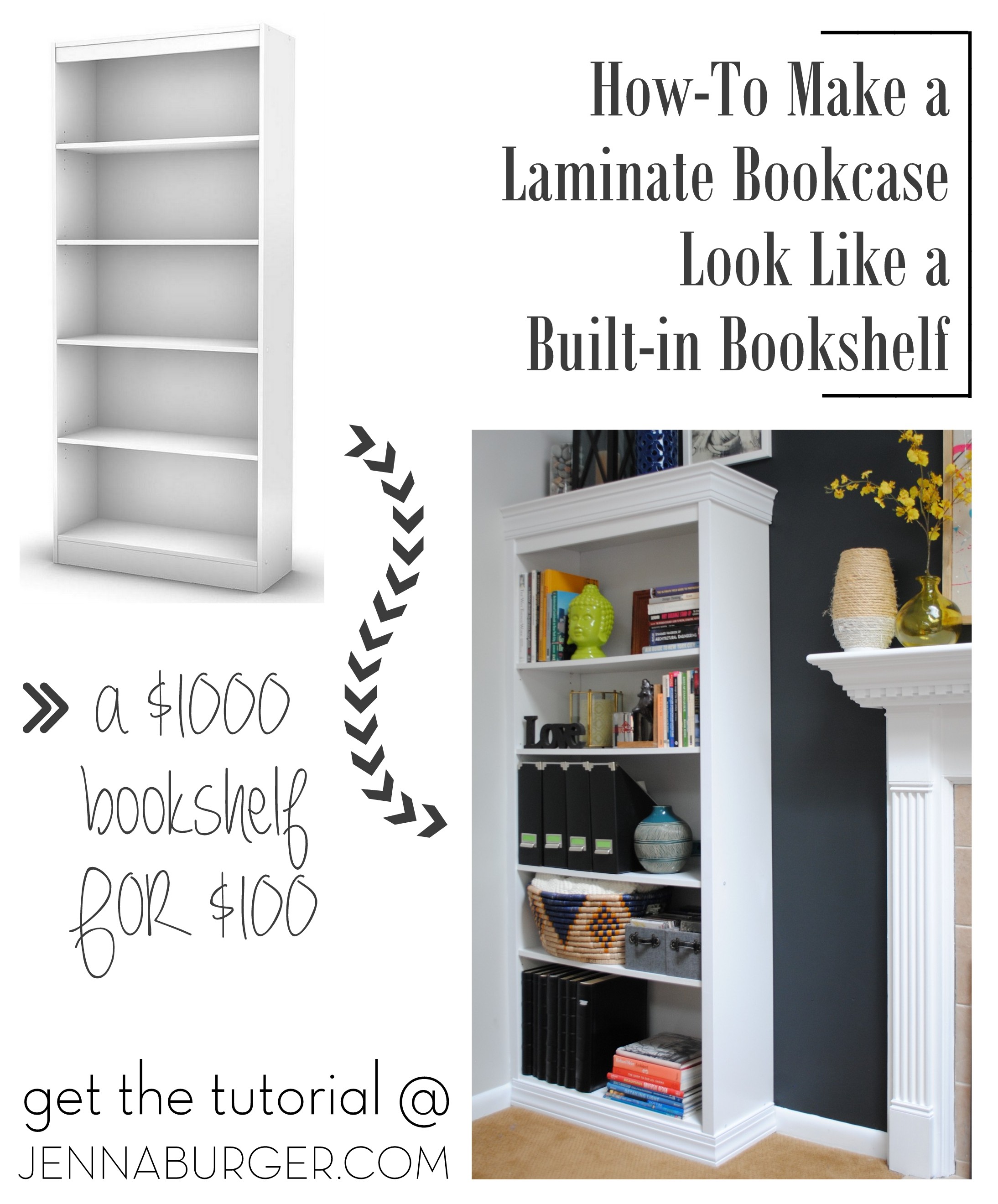
Credit: jennaburger.com
Finishing Touches
Finishing touches make your bookshelf look complete and strong. These steps protect the wood and improve its style. Take time to finish well for a neat, lasting result.
Painting And Staining
Choose paint or stain that fits your room’s style. Paint covers the wood with color. Stain shows the wood’s natural grain. Apply with a brush or cloth. Use light, even coats for smooth results. Let each coat dry fully before the next.
Applying Sealant
Sealant protects your bookshelf from scratches and spills. Use clear polyurethane or varnish. Apply thin layers with a clean brush. Allow drying between coats for strong protection. Sealant helps keep your bookshelf looking new longer.
Decorative Elements
Add small touches to make your shelf unique. Use knobs, decals, or trim pieces. Choose items that match your style and room. Attach decorations carefully to avoid damage. These details bring personality and charm to your bookshelf.
Maintaining Your Bookshelf
Maintaining your bookshelf keeps it looking good and lasting longer. Regular care helps protect your investment and your books. Small actions can prevent big problems. Let’s explore easy ways to keep your bookshelf in great shape.
Cleaning Tips
Dust your bookshelf often using a soft cloth. Avoid using water on wood surfaces. Use a dry microfiber cloth for best results. Clean shelves gently to avoid scratching. For tough spots, use a mild soap solution. Wipe with a damp cloth and dry immediately. Keep the area around the bookshelf clean too.
Repairing Damage
Fix scratches with wood filler or a matching marker. Tighten loose screws or nails to strengthen the structure. Replace broken parts like shelf brackets if needed. Sand rough spots before repainting or staining. Use wood glue for small cracks. Repair damage early to prevent worsening problems.
Upgrading Over Time
Add new shelves to increase storage space. Paint or stain the bookshelf for a fresh look. Install lighting for better display and reading. Use decorative backing paper to add color or texture. Swap old hardware with modern handles or knobs. Upgrades keep your bookshelf useful and stylish.

Credit: www.infarrantlycreative.net

Credit: www.woodshopdiaries.com
Frequently Asked Questions
How Do I Start Making A Bookshelf?
Begin by choosing the right wood and design. Measure your space accurately. Gather essential tools like saw, drill, and screws before starting.
What Materials Are Best For Building Bookshelves?
Plywood and solid wood are ideal for durability. Choose smooth, sturdy wood for better finish and strength. Avoid soft or thin materials.
How Much Time Does It Take To Build A Bookshelf?
A simple bookshelf can take 3-5 hours. Complex designs may require a day or more. Time varies with skill and tools used.
What Tools Do I Need For Bookshelf Assembly?
You need a saw, drill, screwdriver, measuring tape, and clamps. Sandpaper and wood glue are helpful for finishing and stability.
Conclusion
Building a bookshelf is a simple and rewarding project. You can choose the size and style that fits your space. Using basic tools and materials makes the process easier. Take your time to measure and cut carefully. Assembling the parts brings your creation to life.
A homemade bookshelf adds charm and function to any room. Enjoy your new shelf filled with books and memories. Try this project and see how satisfying it feels. Small efforts lead to great results. Keep crafting and improving your skills.