Are you looking for a way to add a personal touch to your home while organizing your favorite books? Making your own handmade bookshelf is easier than you might think.
Imagine having a unique piece that reflects your style and fits perfectly in your space. In this guide, you’ll discover simple steps to create a beautiful bookshelf that’s both functional and charming. By the end, you’ll feel proud of your new skill and ready to show off your custom creation.
Let’s get started and turn your vision into reality!
Materials And Tools
Building a handmade bookshelf requires careful choice of materials and tools. The right wood, hardware, and tools make the process smoother. This section covers what you need to start your project.
Essential Wood Types
Choose wood that is strong and easy to work with. Pine is affordable and soft, good for beginners. Oak is harder and lasts longer but costs more. Plywood offers a smooth surface and resists warping. Select wood that fits your budget and style. Avoid wood with too many knots or cracks.
Required Hardware
You need screws to join the wood pieces securely. Use wood screws that match the thickness of your shelves. Brackets add extra support for heavy books. Sandpaper smooths edges and surfaces. Wood glue helps hold parts firmly together. These small items improve the shelf’s strength and look.
Basic Tools List
A saw cuts wood to size. A drill makes holes for screws. Screwdrivers fasten hardware quickly. A measuring tape ensures accurate cuts and fits. A level checks that shelves are straight. Clamps hold pieces while glue dries. These tools help you build a neat, sturdy bookshelf.
Planning Your Bookshelf
Planning your bookshelf is the first step in making a strong and useful piece. It helps you save time and avoid mistakes. Careful planning ensures the bookshelf fits your space and style. This part focuses on choosing the design, measuring, and sketching your ideas.
Good planning makes building easier and the final product better. Take your time here. It sets a clear path for the whole project.
Choosing The Design
Pick a design that suits your room and needs. Think about the style: modern, classic, or simple. Decide how many shelves you want. Consider the types of books or items you will store. Choose materials that match your budget and skills. A clear design guides your work and helps avoid changes later.
Measuring And Sizing
Measure the space where the bookshelf will go. Check height, width, and depth carefully. Allow extra space for easy access and air circulation. Measure your books or items to set shelf heights. Use a tape measure and record all numbers. Accurate measurements prevent fitting problems.
Sketching Your Blueprint
Draw a simple sketch of your bookshelf plan. Include all parts and their sizes. Label shelves, supports, and other details. Use graph paper or a drawing app for neatness. A clear blueprint helps you see the project before building. It also guides cutting and assembly.
Cutting And Preparing Wood
Cutting and preparing wood is the first step in building a sturdy bookshelf. It shapes the wood pieces to the right size. This process needs care and accuracy to ensure all parts fit well. Proper preparation also makes the wood safe to handle and ready for assembly.
Marking Cut Lines
Start by measuring each wood piece carefully. Use a pencil to draw clear cut lines. Double-check the measurements before cutting. Mark lines on the wood surface where the saw will follow. This helps to cut straight and avoid mistakes.
Safe Cutting Techniques
Wear safety glasses and gloves before cutting. Use a saw that suits your wood type and thickness. Keep your hands away from the blade at all times. Cut slowly and steadily along the marked lines. Secure the wood with clamps to prevent movement.
Sanding And Smoothing
After cutting, sand the wood edges to remove rough spots. Use medium-grit sandpaper first, then fine-grit for a smooth finish. Sand all surfaces that will be visible or handled. This step prevents splinters and gives a polished look.
:max_bytes(150000):strip_icc()/6a00d8358081ff69e201b8d19d6c2b970c-800wi-f39e5c1a40634c1fb3373ca7d9696b64.jpg)
Credit: www.thespruce.com
Assembling The Frame
Assembling the frame is a crucial step in building a handmade bookshelf. This step creates the basic structure that holds everything together. A strong frame ensures your bookshelf will be sturdy and last a long time.
Focus on precise cuts and accurate measurements before joining pieces. Take your time to align the wood perfectly. This careful approach makes assembly easier and the bookshelf neater.
Joining Techniques
Use simple joining techniques like screws, nails, or wood glue. Screws provide strong support and are easy to adjust. Nails work well for lighter frames. Wood glue adds extra strength when combined with screws or nails.
Choose dowel joints for a clean look. Drill holes carefully and insert wooden dowels with glue. This method creates tight connections without visible hardware.
Securing Shelves
Place shelves evenly inside the frame. Use brackets or cleats to hold shelves firmly. Attach them securely to prevent movement. Pre-drill holes to avoid splitting the wood.
Double-check shelf level using a spirit level. Adjust brackets if needed. Secure shelves on all sides for better support.
Ensuring Stability
Check the frame for wobbling or loose joints. Tighten screws and add corner braces if needed. Corner braces increase strength at critical points.
Use a square tool to keep corners at 90 degrees. This step improves overall balance. Stability keeps your bookshelf safe and reliable.
Finishing Touches
Finishing touches bring your handmade bookshelf to life. They protect the wood and enhance its look. Careful finishing makes your shelf last longer and look better. These steps are simple but important. Follow each one to create a beautiful, durable piece.
Applying Paint Or Stain
Choose paint or stain to give color and character. Paint covers the wood completely and offers many colors. Stain shows the wood grain and adds a natural look. Use a brush or cloth for smooth, even application. Let each coat dry before adding the next one. This step changes plain wood into a stylish shelf.
Adding Protective Coating
Protective coating shields your shelf from scratches and water. Polyurethane or varnish works well for this. Apply thin layers with a clean brush. Allow drying time between coats for best results. This coating keeps your shelf strong and easy to clean. It helps maintain the beauty of your work.
Decorative Enhancements
Decorative touches add personality and charm to your shelf. Try adding stencils or decals for unique patterns. Small carved details or wood trim create extra style. Use ribbons or washi tape for a creative edge. These enhancements make your bookshelf truly yours. They turn a simple project into a special one.

Credit: www.housebeautiful.com
Installation And Maintenance
Installing and maintaining a handmade bookshelf ensures it stays safe and looks good for years. Proper setup prevents accidents and keeps your books organized. Regular care helps the wood last longer and maintain its charm.
Mounting Options
Choose the right mounting option based on your wall type. Use wall anchors for drywall to keep the shelf secure. For brick or concrete, use masonry screws and plugs. Floating shelves need strong brackets hidden inside for a clean look. Check the shelf’s weight capacity before mounting.
Weight Distribution Tips
Place heavier items on the lower shelves to avoid tipping. Spread weight evenly across each shelf to prevent sagging. Avoid overloading one side; balance is key. Use bookends to keep books upright and tidy. Regularly check for any signs of bending or strain.
Cleaning And Care
Dust the bookshelf regularly with a soft cloth. Use a damp cloth for stubborn dirt but dry immediately. Avoid harsh chemicals that can damage the wood finish. Polish wood shelves occasionally with a wood-friendly product. Keep the shelf away from direct sunlight and moisture to prevent warping.
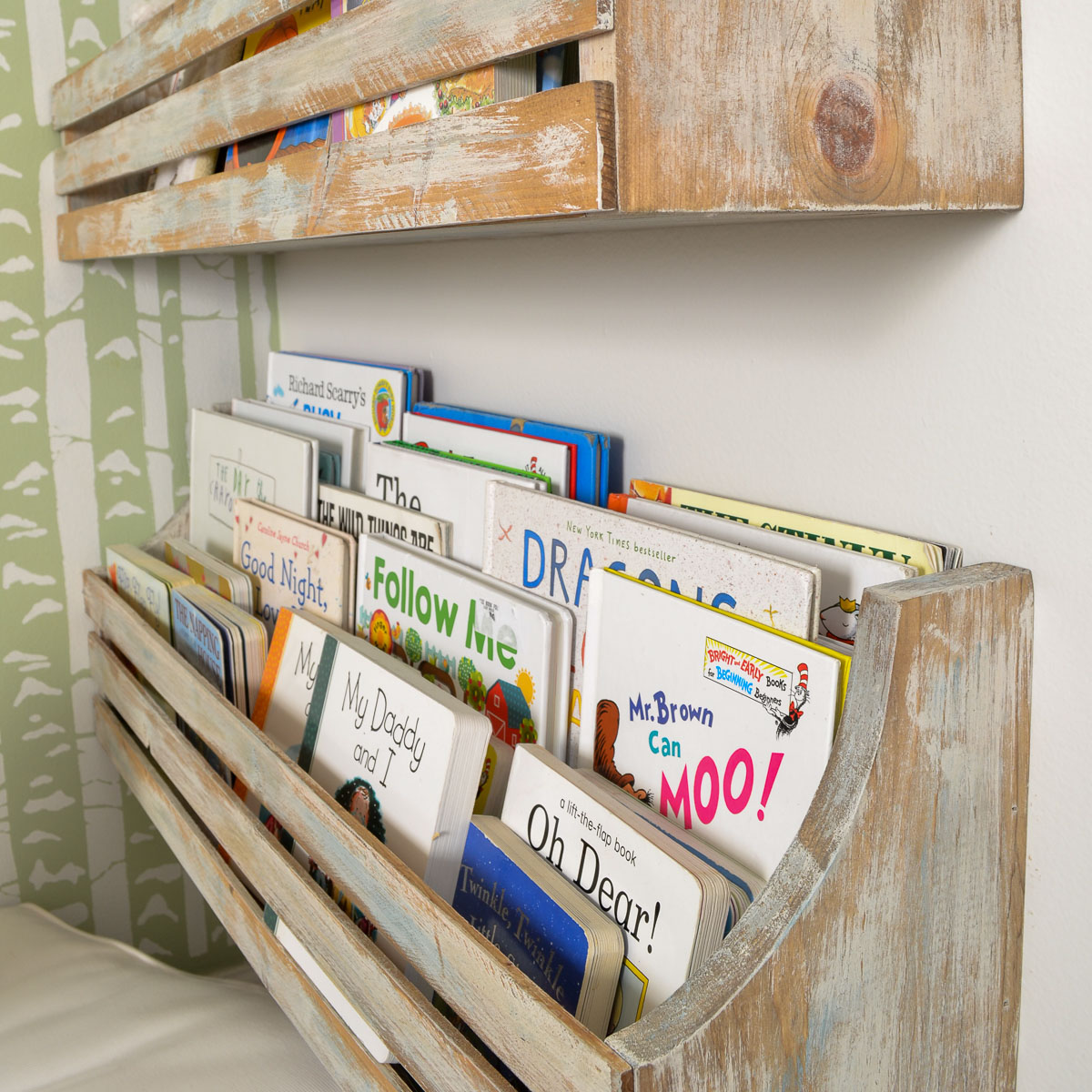
Credit: refreshliving.us
Frequently Asked Questions
What Materials Are Needed For A Handmade Bookshelf?
You need wood boards, screws, nails, wood glue, sandpaper, paint or stain, and basic tools like a saw and drill. Quality materials ensure durability and a professional finish for your bookshelf.
How Long Does It Take To Make A Handmade Bookshelf?
Building a simple bookshelf typically takes 4 to 6 hours. Time varies depending on design complexity and your woodworking skills. Planning and preparation can reduce overall time.
Can Beginners Make A Handmade Bookshelf Easily?
Yes, beginners can make a bookshelf by following step-by-step instructions. Start with a simple design and use basic tools. Patience and careful measurements are key to success.
How To Customize A Handmade Bookshelf Design?
Customize by choosing wood type, size, number of shelves, and finishes. Adding decorative elements or painting enhances uniqueness. Tailor your bookshelf to fit your space and style.
Conclusion
Creating a handmade bookshelf is a fun and rewarding project. You build something useful with your own hands. It saves money and adds a personal touch to your space. Each step teaches you new skills and boosts confidence. You can customize the design to fit your style and needs.
This simple project brings both beauty and function to any room. Try it and enjoy the pride of making your own bookshelf.