Are you dreaming of a stylish bookshelf that fits perfectly in your space but worried about the cost? You don’t have to break the bank to create a beautiful, functional bookshelf.
Imagine having a custom piece that holds your favorite books and shows off your style—all without spending a fortune. You’ll discover simple, budget-friendly tips and step-by-step ideas to build your own bookshelf. Ready to transform your space and save money?
Keep reading to unlock easy ways to make a bookshelf on a budget that you’ll love.
Choosing The Right Materials
Choosing the right materials is key to building a sturdy bookshelf on a budget. The materials affect the cost, look, and durability of your project. Picking affordable and easy-to-work-with materials saves money and time. This section covers good wood choices, reused materials, and tools you need.
Budget-friendly Wood Options
Pine is a popular choice for cheap bookshelves. It is soft, light, and easy to cut. Pine boards cost less than hardwood but still look nice with paint or stain. Another option is plywood, especially cabinet-grade plywood. It is strong and smooth, perfect for shelves. Avoid particleboard; it breaks easily and does not hold screws well.
Reclaimed And Upcycled Materials
Using old wood can cut costs and add character. Pallets, old furniture, and scrap wood work well. Sand and clean these materials before use. Reclaimed wood can have knots and marks that add charm. Check the wood for nails or damage to avoid problems. This approach is eco-friendly and unique.
Essential Tools And Supplies
Basic tools help you build without extra expenses. A saw, drill, screwdriver, measuring tape, and level are enough. Sandpaper smooths rough edges. Wood glue and screws hold pieces together tightly. Paint or varnish finishes the bookshelf and protects it. Choose simple tools to keep the project easy and affordable.
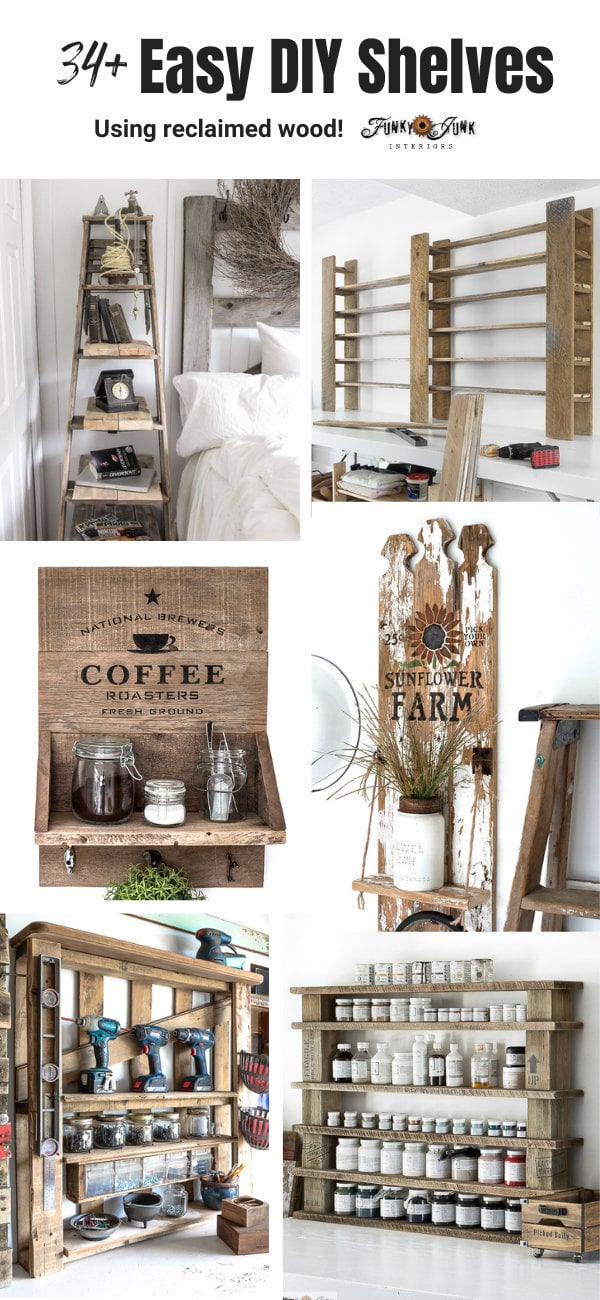
Credit: www.funkyjunkinteriors.net
Planning Your Bookshelf Design
Planning your bookshelf design is the first step to a successful build. Good planning saves money and time. It helps you build a shelf that fits your space and needs perfectly.
Start by thinking about where you want to place the bookshelf. Consider what you want to store on it. This helps decide the size and style of your shelf.
Measuring Your Space
Measure the wall or corner where your bookshelf will go. Use a tape measure to get exact height, width, and depth. Write down these numbers. They guide your design and help avoid mistakes.
Check for any obstacles like outlets, vents, or baseboards. Plan your shelf to fit around them. This step ensures your shelf fits perfectly in the room.
Simple And Functional Designs
Choose a design that is easy to build and fits your needs. Simple shelves with straight lines save materials and time. They also look clean and neat.
Think about the shelf height and number of levels. Make shelves tall enough for your books or items. Avoid extra shelves that add cost but no use.
Sketching Your Blueprint
Draw your bookshelf on paper before you start building. Sketch the front, side, and top views. Mark all measurements clearly.
This blueprint guides your work and helps plan materials. It also shows if your design fits your space well. Keep it handy during the build for quick reference.
Step-by-step Assembly Guide
Building a bookshelf on a budget starts with clear steps. Follow this guide to make the process simple and fun. Each step helps you create a sturdy, beautiful shelf without spending much. Let’s begin with cutting wood, then joinery, and finally securing the shelves.
Cutting And Preparing Wood
Start by measuring the wood pieces carefully. Use a pencil and tape measure for accuracy. Cut the wood with a saw along marked lines. Sand the edges smooth to avoid splinters. Preparing wood well makes assembly easier and safer.
Basic Joinery Techniques
Use simple joints like butt joints or pocket holes. These are easy to make with basic tools. Apply wood glue to the edges before joining. Clamp pieces together until the glue dries. This keeps the structure strong without complex methods.
Securing Shelves And Supports
Attach shelves with screws or nails for steady support. Place brackets under shelves for extra strength if needed. Check shelf levels with a spirit level tool. Tighten all fasteners firmly to prevent wobbling or sagging. Proper support keeps your books safe and the shelf stable.

Credit: southernyankeediy.com
Finishing Touches On A Budget
Finishing touches make your bookshelf stand out. They improve the look and protect the wood. You do not need to spend much. Small choices can create a big impact. Here are easy and cheap ideas to finish your bookshelf.
Affordable Paint And Stain Ideas
Use leftover paint for a fresh look. Choose colors that match your room. Try mixing paint with water for a light wash. Stains can show wood grain and add warmth. Use tea or coffee as natural stains. These cost little and give a nice tone.
Protective Coatings
Protect your shelf with clear coatings. Polyurethane is cheap and works well. It keeps the wood safe from scratches. Wax can give a soft shine too. Apply thin layers and let dry between coats. This simple step helps your shelf last longer.
Decorative Elements
Add style with small decorations. Use washi tape for colorful edges. Stick on cheap decals or stencils for patterns. Rope or ribbon can trim the edges neatly. These touches make your shelf unique and pretty. They cost very little but add charm.
Cost-saving Tips And Tricks
Building a bookshelf does not have to cost a lot. Smart choices save money and still give great results. Small steps can cut your budget. These tips help you get the best materials and avoid costly errors. Follow these simple ideas to keep costs low.
Where To Find Discounted Materials
Check local hardware stores for clearance sales. Leftover wood and paint often sell cheaper. Visit thrift shops for old furniture parts. Online marketplaces offer used supplies at low prices. Ask friends or neighbors if they have spare wood. Free materials save a lot of money.
Using Household Items Creatively
Reuse old crates or wooden boxes as shelves. Turn unused drawers into storage spaces. Use sturdy boards from broken furniture. Paint and sand them for a fresh look. Hooks and brackets from around the house hold shelves well. Imagination lowers costs and adds character.
Avoiding Common Diy Mistakes
Measure twice, cut once to avoid waste. Use the right tools to save effort and time. Follow simple instructions carefully for safe results. Don’t rush; take your time to do it right. Mistakes cost more money and cause frustration. Planning helps you stay on budget.
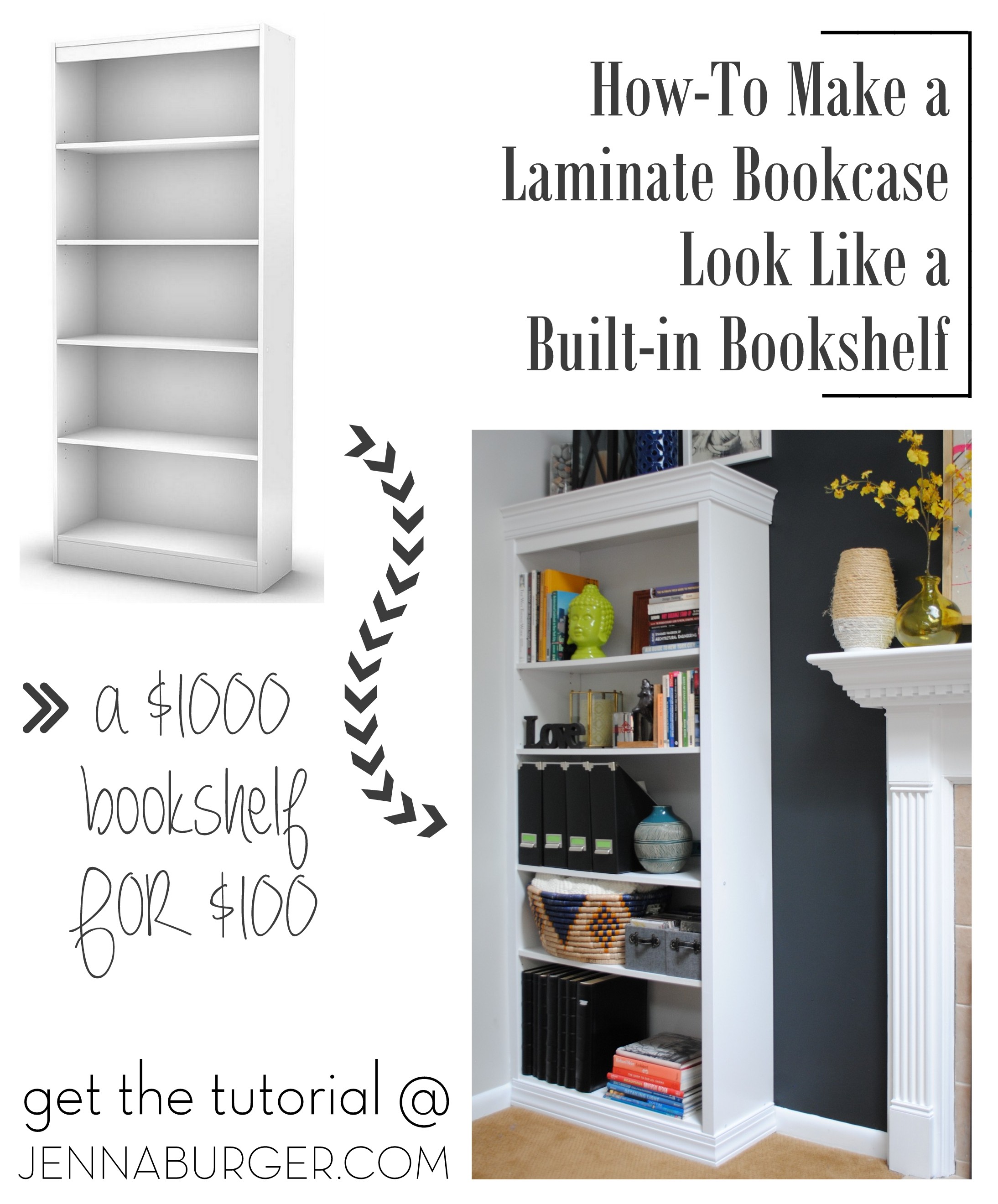
Credit: jennaburger.com
Maintaining Your Bookshelf
Maintaining your bookshelf keeps it strong and good-looking for years. Regular care stops damage and wear. Small fixes prevent big problems. You can also update your shelf to fit new styles or needs. A well-kept bookshelf saves money and looks great.
Regular Cleaning Tips
Dust your bookshelf often with a soft cloth. Use a damp cloth for sticky spots. Avoid harsh cleaners that can damage wood or paint. Clean shelves before adding new books. This keeps the surface fresh and smooth.
Simple Repairs
Fix loose screws or nails quickly. Use wood glue for small cracks or splits. Sand rough edges to prevent splinters. Replace broken brackets or supports to keep shelves safe. These easy repairs stop bigger damage later.
Upgrading Over Time
Add new paint or stain to refresh the look. Change handles or knobs for style updates. Install extra shelves if you need more space. Use decorative backing paper for a unique touch. These upgrades keep your shelf useful and fresh.
Frequently Asked Questions
How Can I Build A Bookshelf On A Tight Budget?
Start by using affordable materials like plywood or reclaimed wood. Plan a simple design to save costs. Use basic tools and avoid costly hardware. Shopping at thrift stores or recycling centers can also reduce expenses.
What Are The Best Materials For Budget Bookshelves?
Plywood, MDF, and reclaimed wood are cost-effective choices. They offer durability and easy customization. Avoid expensive hardwoods to keep expenses low. Choose materials based on availability and your skill level.
How Do I Ensure My Diy Bookshelf Is Sturdy?
Use strong joints like screws and wood glue. Reinforce shelves with brackets or supports. Choose quality materials that can hold weight. Test stability before placing heavy books on it.
Can I Make A Bookshelf Without Power Tools?
Yes, simple bookshelves can be built using hand tools. A handsaw, hammer, nails, and screwdriver are sufficient. Choose designs with fewer joints for easier assembly. Take safety precautions when using manual tools.
Conclusion
Building a bookshelf on a budget is simple and fun. You can use basic materials and tools easily found at home. Taking small steps saves money and creates a useful piece. This project also gives you a chance to be creative.
Enjoy arranging your books and items on your new shelf. With a little effort, you get a strong, stylish bookshelf. Start today, and see how rewarding it feels!