Do you have an old bookshelf that feels a little too plain or new for your space? Giving it a weathered, worn look can add character and charm that makes your room feel cozy and unique.
Imagine turning that ordinary piece into a stunning focal point that tells a story. In this post, you’ll discover simple, effective ways to transform your bookshelf with easy techniques anyone can try. Ready to bring new life to your old furniture?
Keep reading, and you’ll learn exactly how to make your bookshelf look beautifully weathered.

Credit: awellpurposedwoman.com
Choosing The Right Bookshelf
Choosing the right bookshelf is the first step to creating a weathered look. The base piece sets the tone for the entire project. A well-chosen bookshelf can make the weathering process easier and more authentic.
Start by thinking about the wood type and the current condition of the shelf. These factors influence how the final piece will look and feel. A solid, natural wood shelf often works best for weathering effects.
Selecting Wood Types
Wood type affects the texture and color of the finished look. Hardwoods like oak and maple have tight grains. They may need more sanding to show wear. Softwoods like pine or cedar absorb paint and stains better. They take on weathered effects more naturally. Avoid particleboard or laminate. These materials do not age well and can peel easily.
Assessing Shelf Condition
Check the shelf for cracks, chips, or damage. Small imperfections add character and look authentic after weathering. Large cracks might need repair before starting. Loose joints should be tightened. A sturdy shelf stands up to sanding and distressing. Avoid shelves with heavy water damage or mold. These can weaken the wood and ruin the project.

Credit: realitydaydream.com
Gathering Materials
Before starting to make an old bookshelf look weathered, gather all needed materials. Having everything ready saves time and avoids interruptions. This step sets a strong base for a smooth project.
Essential Tools
Start with basic tools. Sandpaper is a must for smoothing and distressing wood. A paintbrush helps apply paint or stain evenly. Use a hammer or screwdriver to remove parts or add nails. Rags or cloths are useful for wiping and cleaning surfaces.
Recommended Supplies
Choose supplies that create a weathered look. Pick a wood stain or paint in faded colors. Dark wax or glaze adds depth and an aged effect. Steel wool or a wire brush helps create scratches and marks. A clear sealant protects your work after finishing.
Preparing The Surface
Preparing the surface is the first key step to create a weathered look on your old bookshelf. It helps the paint or stain stick better. It also makes the finish look natural and worn. Take your time here. The better the prep, the better the final look.
Cleaning And Sanding
Start by cleaning the bookshelf. Use a damp cloth to wipe off dust and dirt. Dirt can stop paint from sticking well. Let the wood dry completely.
Next, sand the surface lightly with fine-grit sandpaper. Sanding smooths rough spots and removes small scratches. It also opens the wood grain to absorb paint or stain better. Focus on edges and corners for a natural worn look. Wipe off sanding dust with a clean cloth.
Removing Old Finishes
Check if the bookshelf has old paint or varnish. These finishes block new paint or stain. Use a chemical stripper or sandpaper to remove them. Follow product instructions carefully for safety.
After removing old finishes, sand again lightly. This step makes the surface ready to absorb new layers. Clean the surface well before moving to the next step.
Creating A Weathered Look
Creating a weathered look for an old bookshelf gives it charm and character. This style adds a rustic feel to any room. The process involves techniques that make the wood appear aged naturally. It is simple and fun to do at home. Below are some key methods to achieve this look.
Distressing Techniques
Distressing is the art of making wood look worn. Use sandpaper to rub edges and corners gently. Small dents and scratches add authenticity. You can use a hammer or chain to create marks. Work slowly and check often to avoid overdoing it. The goal is subtle wear that looks natural.
Using Paint And Stain
Start with a base coat of paint or stain. Choose colors that mimic aged wood, like soft browns or faded whites. Apply paint unevenly for a rustic effect. After drying, sand parts to expose wood underneath. Use a dark stain to highlight cracks and crevices. This contrast makes the bookshelf look older and richer.
Adding Texture
Texture creates depth and interest on the wood surface. Use a dry brush to add light streaks of paint. Apply wax or glaze for a slightly rough feel. You can also glue small chips of wood for a chipped effect. These details give the bookshelf a lived-in, weathered appearance. Touch it, see it, feel the history.
Enhancing With Finishing Touches
Enhancing an old bookshelf with finishing touches gives it a unique, weathered charm. These small steps bring out texture and character. They protect the wood and create an authentic look. Finishing touches complete the vintage style and make the piece ready for use.
Applying Wax Or Sealant
Wax or sealant protects the wood and keeps the weathered look. Choose clear or tinted wax to add depth. Apply with a soft cloth in small amounts. Rub gently along the grain to avoid streaks. Let it dry fully before handling the shelf. Wax adds a soft shine and a smooth feel. Sealant offers stronger protection against scratches and moisture. Use a brush for sealant and spread evenly. Both options help preserve the aged finish.
Incorporating Hardware
Old-style hardware enhances the vintage look of the bookshelf. Use metal handles, knobs, or hinges with a rustic finish. Brass, bronze, or black metals work well. Attach them carefully to avoid damage. Hardware adds detail and can highlight the weathered wood. It also makes the bookshelf more functional. Choose pieces that match the style and size of the shelf. Small changes make a big difference in appearance.
Maintaining The Weathered Style
Maintaining the weathered style of an old bookshelf keeps its charm and character alive. This look adds warmth and depth to any room. Careful upkeep ensures the worn appearance stays natural and pleasing. Regular attention prevents damage from turning into serious problems. Simple steps can protect and preserve the vintage feel for years.
Cleaning Tips
Use a soft, dry cloth to dust the bookshelf often. Avoid harsh cleaners that can strip paint or wood finish. A mild soap diluted in water works well for sticky spots. Wipe gently and dry immediately to stop moisture damage. Clean corners and crevices with a soft brush or cotton swab. Keep cleaning light to maintain the aged look.
Repairing Wear And Tear
Fill small cracks with wood filler that matches the shelf color. Light sanding smooths out rough patches without removing the weathered effect. Tighten loose screws or nails carefully to keep structure firm. Replace broken parts with similar aged wood or distressed pieces. Avoid over-repairing to keep the natural, worn appeal. Small fixes help the bookshelf last longer.
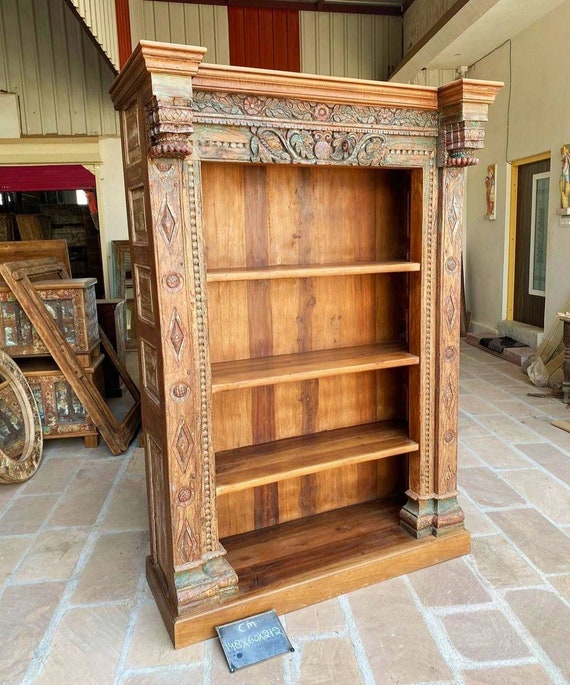
Credit: www.etsy.com
Frequently Asked Questions
How Do I Start Weathering An Old Bookshelf?
Begin by sanding the bookshelf lightly to remove the finish. Use coarse sandpaper for rough spots. This creates a worn base for a weathered look.
What Materials Create A Weathered Wood Effect?
Use sandpaper, white paint, wood stain, and wax. These materials help add texture, color variation, and a distressed finish.
Can I Weather A Bookshelf Without Paint?
Yes, sanding and staining alone can achieve a natural weathered look. Focus on uneven sanding and applying darker stains in crevices.
How Long Does The Weathering Process Take?
The process usually takes a few hours, including sanding, painting, and drying time. Allow proper drying between each step.
Conclusion
Giving an old bookshelf a weathered look is simple and fun. Small steps like sanding, staining, and painting add charm. Each layer creates a unique, aged effect that tells a story. You don’t need special skills or tools to start.
Try different techniques to find what fits your style best. A weathered bookshelf brings warmth and character to any room. Enjoy the process and make your furniture stand out naturally. This project adds beauty without much cost or effort. Why not give your old bookshelf a fresh, vintage feel today?
