Are you looking for a unique way to organize your books and add a bold statement to your space? Making a freestanding industrial pipe bookshelf might be exactly what you need.
This project combines sturdy metal pipes with wooden shelves to create a stylish and functional piece that fits perfectly in any room. Whether you’re new to DIY or have some experience, this guide will walk you through every step. By the end, you’ll have a cool bookshelf that not only holds your favorite reads but also sparks conversations.
Ready to build something impressive with your own hands? Let’s get started!
Materials And Tools Needed
Building a freestanding industrial pipe bookshelf needs specific materials and tools. Choosing the right items ensures your project is strong and looks great. This section explains what pipes, wood, and tools you will need.
Choosing The Right Pipes
Use black steel pipes for an authentic industrial look. These pipes are strong and support heavy shelves. Select pipes with the correct diameter, usually 1/2 inch or 3/4 inch. Check pipe lengths to fit your bookshelf size. Avoid thin or rusty pipes that might break or look bad.
Selecting Wood For Shelves
Choose wood that is sturdy and smooth. Pine, oak, or reclaimed wood work well. The wood should be thick enough to hold books without bending. Measure the shelf space before cutting wood. Sand the edges to avoid splinters and make it look neat. A natural wood finish matches the industrial style perfectly.
Essential Tools
Prepare basic tools for assembly and safety. You will need a pipe wrench to tighten the pipes firmly. A drill helps to make holes for screws if needed. Use a screwdriver to fix the wood to the pipes. Sandpaper smooths the wood surfaces. A tape measure keeps your project accurate. Safety gloves protect your hands during work.
Planning Your Bookshelf Design
Planning your bookshelf design is the first step to building a strong, stylish piece. This step helps avoid mistakes and saves time. Careful planning ensures your bookshelf fits well in your space and meets your storage needs.
Think about the size, shape, and how you want your bookshelf to look. Visualizing your design makes building easier and more fun.
Measuring Space And Dimensions
Start by measuring the area where you want the bookshelf. Note the width, height, and depth. Use a tape measure for accuracy. Check for obstacles like vents or sockets. Write down all measurements clearly.
Consider walking around the space to see how the bookshelf will fit. This helps avoid surprises later.
Sketching The Layout
Draw a simple sketch of your bookshelf on paper. Include the pipe frame and shelves. Mark the length and width of each shelf. Use a ruler to keep lines straight. A clear sketch guides your building process and reduces errors.
Don’t worry about art skills. The sketch is just a plan to follow.
Determining Shelf Height And Spacing
Think about what you will put on the shelves. Books, decorations, plants? Measure the tallest items to decide shelf height. Leave extra space for easy access. Make shelves evenly spaced or vary heights for different items.
Good spacing keeps your bookshelf practical and neat.
Preparing The Pipes And Wood
Preparing the pipes and wood is the first step to build a sturdy industrial pipe bookshelf. Proper preparation ensures the materials fit well and look great. It also makes the assembly process smooth and safe.
Take your time with this stage. Measure twice, cut once, and finish the wood carefully. These steps help create a beautiful, long-lasting bookshelf.
Cutting Pipes To Size
Measure each pipe length according to your bookshelf design. Use a pipe cutter or a hacksaw for straight cuts. Wear safety gloves and goggles to protect yourself. Smooth the cut edges with a metal file to avoid sharp bits. Check each pipe piece fits well before moving on.
Sanding And Finishing Wood
Start sanding the wood with medium-grit sandpaper. Remove rough spots, splinters, and old finishes. Follow with fine-grit sandpaper for a smooth surface. Wipe the wood with a damp cloth to clear dust. A smooth finish helps paint or sealant stick better.
Painting Or Sealing Options
Choose paint or sealant based on the look you want. Use wood stain for a natural, rich color. Apply clear sealant to protect wood from moisture. For a modern look, paint the wood in neutral colors. Let each coat dry completely before applying the next.
Credit: thedesigntwins.com
Assembling The Frame
Assembling the frame is the key step in making your freestanding industrial pipe bookshelf. This part shapes the structure and holds the shelves. Getting it right ensures your bookshelf looks great and lasts long.
Focus on fitting the pipes tightly and checking every corner. A strong frame means a safe and sturdy shelf for your books and decorations.
Connecting Pipes With Fittings
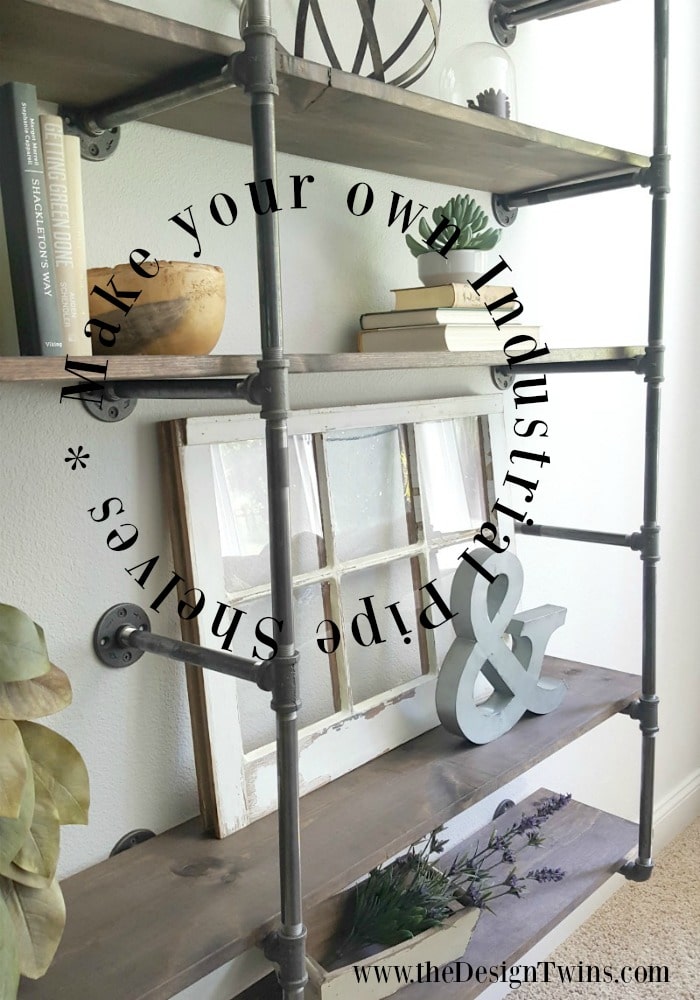
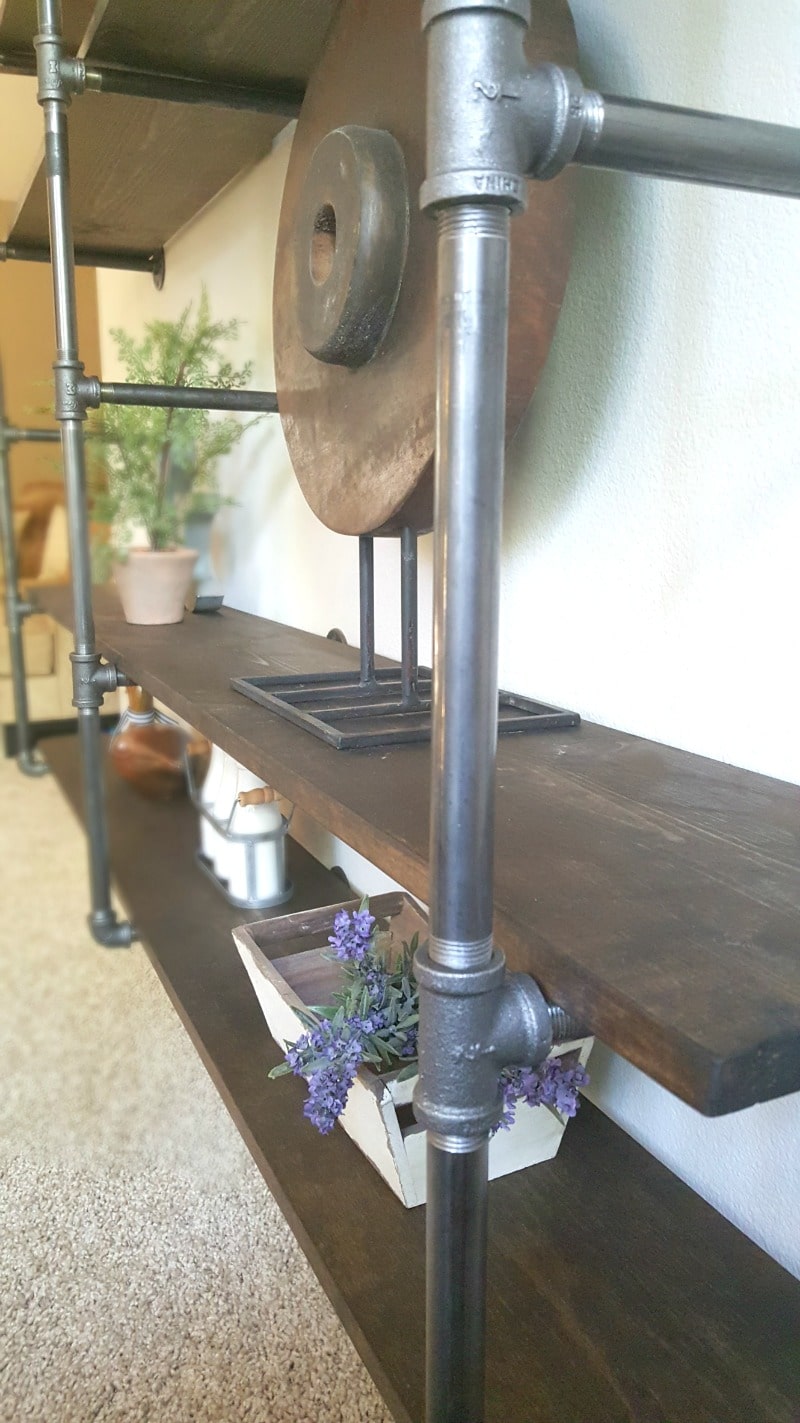
Start by gathering all pipes and fittings. Use T-joints and elbows to join pipes. Tighten each fitting with a wrench. Make sure pipes fit snugly inside each joint. Avoid loose connections. Check alignment often to keep the frame square. This step builds the skeleton of your bookshelf.
Ensuring Stability And Balance
Place the frame on a flat surface. Adjust pipes to keep it level. Add extra support with crossbars if needed. Use pipe flanges at the base for strong footing. Tighten all fittings again before adding shelves. A balanced frame prevents wobbling and accidents.
Attaching The Shelves
Attaching the shelves is a key step in building your freestanding industrial pipe bookshelf. This part brings the structure together and gives it strength. You want the shelves to stay firm and look great. Focus on securing the wood properly and making sure the shelves are level.
Securing Wood To Pipe Frame
Start by placing the wooden shelves onto the pipe frame. Use screws or bolts to attach the wood firmly. Drill holes through the wood and into the pipe fittings. Tighten the screws to prevent movement. Choose screws that fit well with the pipe frame. This keeps the shelves stable and safe for books.
Adjusting For Level Shelves
Check each shelf with a level tool. Make sure the surface is flat and not tilted. Adjust the pipes or fittings if a shelf is uneven. Small shifts can fix the balance quickly. Even shelves look better and hold items safely. Take your time to get every shelf perfectly level before moving on.

Credit: www.youtube.com
Finishing Touches
Finishing touches make your industrial pipe bookshelf look complete and last longer. They protect the floor and add style. Small details change the whole appearance.
Adding Protective Pads
Protective pads stop scratches on your floor. Attach soft pads under each pipe leg. Felt pads work well on wood and tile floors. They keep the bookshelf stable and prevent slipping. This simple step saves your floor from damage.
Decorative Enhancements
Decorative touches add character to your bookshelf. Use spray paint to color the pipes for a fresh look. Wrap rope or leather around parts for texture. Add vintage knobs or small hooks for extra charm. These details make your shelf unique and match your room style.
Maintenance Tips
Maintaining your freestanding industrial pipe bookshelf keeps it strong and looking good for years. Regular care stops damage and preserves its raw, stylish look. Simple steps help avoid costly repairs and keep your shelf safe for your books and decorations.
Cleaning Industrial Pipe Shelves
Dust your bookshelf often with a soft cloth. Use a dry or slightly damp cloth to remove dirt. Avoid harsh cleaners that can damage the metal or wood. Clean spills quickly to prevent stains or marks. Wipe wooden shelves gently to keep the finish smooth and fresh.
Preventing Rust And Wear
Rust can ruin your pipe shelf. Keep it dry and away from damp places. Apply a thin coat of clear wax or oil to metal pipes. This layer blocks moisture and slows rust. Check joints and screws regularly for tightness. Fix loose parts to avoid wear and tear over time.
Credit: thedesigntwins.com
Frequently Asked Questions
What Materials Are Needed For An Industrial Pipe Bookshelf?
You need steel pipes, wooden planks, pipe fittings, screws, and mounting brackets. Choose sturdy materials for durability and safety. Use treated wood to prevent warping and rust-resistant pipes for longevity. These materials ensure a strong and stylish industrial pipe bookshelf.
How Do I Ensure Stability For A Freestanding Bookshelf?
Secure the base with wide pipes and cross braces for balance. Use heavy, sturdy wood shelves to lower the center of gravity. Attach rubber pads or non-slip feet to prevent sliding. Proper assembly and weight distribution enhance the bookshelf’s stability.
Can I Customize The Size Of My Pipe Bookshelf?
Yes, the design is highly customizable. Adjust pipe lengths and shelf sizes to fit your space. Plan measurements carefully before cutting materials. Customization allows you to create a unique bookshelf that matches your room’s dimensions and style.
What Tools Are Required To Build This Bookshelf?
You will need a drill, pipe wrench, screwdriver, measuring tape, and saw. A level helps ensure shelves are even. Basic hand tools make assembly easier and more precise. Having the right tools speeds up the building process.
Conclusion
Building a freestanding industrial pipe bookshelf is simple and fun. You only need basic tools and materials. Follow each step carefully to create a sturdy shelf. This project adds character and storage to any room. You can customize it to fit your space and style.
Enjoy your new bookshelf filled with your favorite books or decor. Try this DIY project and see how rewarding it feels. A unique shelf made by your own hands.
