
Are you thinking about getting a wooden top bunk bed but worried if it can hold enough weight? You’re not alone.
Knowing how much weight a top bunk can support is important for your safety and peace of mind. Whether it’s for your kids, guests, or even yourself, understanding the weight limits helps you make the right choice. Keep reading to find out exactly how much weight a wooden top bunk bed can hold and what factors you should consider before making your decision.
This knowledge will help you feel confident and secure in your purchase.

Credit: maxandlily.com
Weight Capacity Factors
The weight capacity of a wooden top bunk bed depends on several key factors. Each factor plays a role in how much weight the bed can safely hold. Understanding these factors helps you choose the right bunk bed for your needs. Safety and durability are the main goals when selecting a bunk bed.
Wood Types And Strength
The type of wood used affects the bed’s strength. Hardwoods like oak and maple are very strong and last longer. Softwoods like pine are lighter but less strong. The wood quality and treatment also impact the bed’s weight capacity. Stronger woods support more weight without bending or breaking.
Design And Construction
The bed’s design influences how much weight it holds. Beds with solid frames and tight joints are stronger. The way parts connect matters. Screws and bolts create a firmer hold than nails. A well-built design spreads weight evenly across the bed. This reduces pressure on any one part.
Support Structures
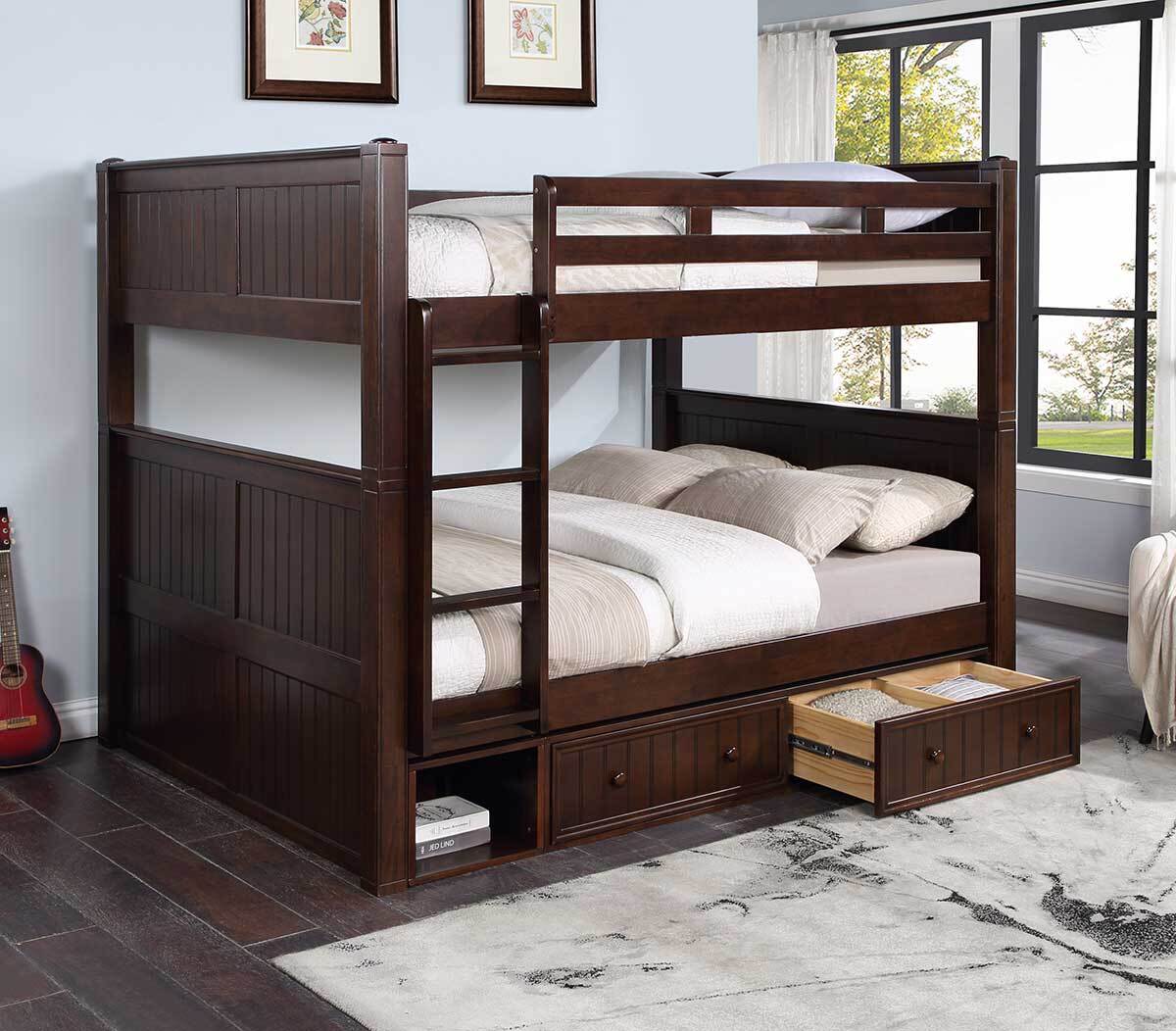
Support beams and slats add strength to the bunk bed. Thicker and closely spaced slats hold more weight. Extra support beams under the mattress make the bed more stable. Strong legs and guardrails also help carry weight safely. Proper support prevents sagging and accidents.
Credit: www.justbunkbeds.com
Standard Weight Limits
Standard weight limits are important for wooden top bunk beds. They ensure safety and durability. Knowing these limits helps avoid accidents and damage. Weight limits vary depending on the bed’s design and materials. Understanding these limits helps you choose the right bed for your needs.
Typical Weight Ranges
Most wooden top bunk beds hold between 150 to 200 pounds. Some models support up to 250 pounds. Weight capacity depends on the wood type and construction. Solid hardwood beds tend to hold more weight than softwood ones. The size of the bed also affects weight limits. Twin-sized beds usually hold less weight than full-sized ones.
Manufacturer Specifications
Manufacturers provide exact weight limits for each bunk bed model. These limits are tested and verified during production. Always check the manufacturer’s guidelines before buying. Following these specs ensures the bed’s safety and longevity. Ignoring weight limits can cause bed failure and injuries. Manufacturer instructions also include care tips to maintain strength.
Safety Considerations
Safety is the top priority when using a wooden top bunk bed. Understanding how much weight it can hold helps prevent accidents. Many factors affect the bed’s strength and safety. Knowing these helps keep everyone safe and comfortable.
Load Distribution
Even weight spread is important for bunk bed safety. Concentrated weight can cause damage or breakage. Avoid placing heavy items or people in one spot. Make sure the mattress and sleepers spread weight evenly. This keeps the bed stable and sturdy.
Age And Usage Recommendations
Top bunks suit older children and teens best. Most manufacturers suggest ages six and up for top bunks. Younger kids might not have good balance or strength. Following age limits helps reduce falls and injuries. Use the bed as intended, not for jumping or rough play.
Inspection And Maintenance
Check the bed regularly for loose screws or cracks. Tighten bolts and screws often to keep the frame strong. Look for wood damage or splinters that can weaken the bed. Replace any worn or broken parts quickly. Regular care keeps the bed safe for use.
Enhancing Weight Capacity
Enhancing the weight capacity of a wooden top bunk bed is important for safety and durability. The bed must support the weight of the sleeper without bending or breaking. Simple changes can make a big difference in strength.
Strengthening a bunk bed can extend its life and provide peace of mind. Focus on key areas to improve support and stability.
Reinforcement Techniques
Reinforcement adds extra support to the bed frame. Adding metal brackets to corners helps hold joints firmly. Tightening screws regularly keeps the structure stable. Using wooden slats closer together spreads weight evenly. Placing support beams under the mattress reduces strain on the frame.
Upgrading Components
Replacing weak parts can increase weight capacity. Use thicker wooden slats or stronger wood types. Swap thin screws for longer, thicker bolts. Choose heavy-duty metal brackets instead of plastic ones. Adding a center support leg under the bed helps prevent sagging.
Common Myths And Misconceptions
Wooden top bunk beds often come with many myths and wrong ideas. These myths can confuse people about how much weight the top bunk can hold. Clearing up these myths helps buyers make smart choices. It also ensures safety and comfort for users.
Myth: Wooden Top Bunks Are Weak
Many think wooden top bunks break easily. This is not true. Quality wood and strong design can hold a lot of weight. Solid wood like oak or maple is very durable. Proper construction adds to the bed’s strength.
Myth: All Wooden Bunks Hold The Same Weight
Not all wooden bunk beds are the same. Weight limits vary by brand and design. Some hold 150 pounds, others 250 or more. Always check the specific weight limit of your bed.
Myth: Weight Limits Are Only For Kids
People believe weight limits apply only to kids. Adults can also use top bunks safely if limits are followed. Ignoring limits risks damage and injury. Weight limits protect everyone using the bed.
Myth: Mattress Weight Does Not Matter
Some say mattress weight is not important. Actually, mattress weight adds to the total load. Heavy mattresses reduce the weight the bed can safely hold. Choose a lightweight mattress for better safety.
Comparing Wooden Top Bunks With Other Materials
Choosing the right material for a top bunk bed affects its strength and safety. Wooden top bunks are popular, but other materials offer different benefits. Comparing wood with metal and hybrid designs helps buyers decide the best option for weight capacity and durability.
Metal Vs Wood Strength
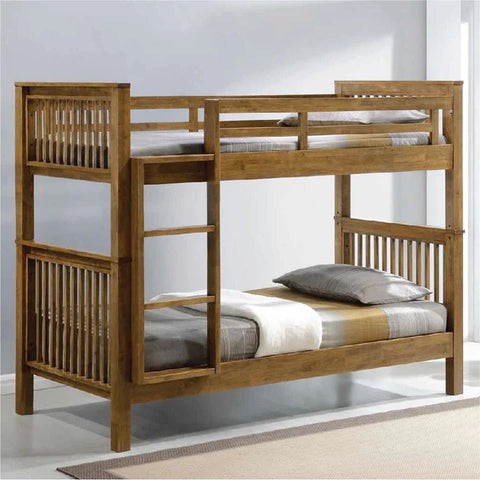
Metal bunk beds often support more weight than wooden ones. Steel frames are strong and resist bending. Wood can hold a lot but may weaken over time. Solid hardwoods like oak or maple are stronger than softwoods. Metal frames need less maintenance and last longer under heavy loads. Wood gives a warm look but may crack if overloaded. Both materials can hold children safely, but adults may require metal for extra support.
Hybrid Designs
Hybrid bunk beds mix wood and metal parts for better strength and style. Metal frames with wooden panels combine durability and comfort. This design can hold more weight than all-wood beds. Hybrid beds also offer modern looks with classic touches. They balance toughness and beauty well. These beds suit families wanting strength without losing warm wood aesthetics. Weight limits depend on the frame and construction quality.
Credit: picketandrail.com
Frequently Asked Questions
How Much Weight Can A Wooden Top Bunk Bed Support?
Wooden top bunk beds typically support between 150 to 200 pounds. This varies by design, wood quality, and manufacturer guidelines. Always check the specific bed’s weight limit to ensure safety and avoid damage.
Does Wood Type Affect Bunk Bed Weight Capacity?
Yes, hardwoods like oak or maple provide stronger support and higher weight capacity. Softer woods may hold less weight. The wood type directly impacts durability and overall load-bearing ability of the bunk bed.
Can Adults Safely Use Wooden Top Bunk Beds?
Most wooden top bunk beds are designed for children and may not support adult weight safely. For adult use, choose beds with higher weight ratings or reinforced construction.
How To Increase Weight Capacity Of A Wooden Bunk Bed?
Reinforce the bed frame with additional slats or support beams. Use quality hardware and ensure proper assembly. Regular maintenance helps maintain strength and safety over time.
Conclusion
Wooden top bunk beds usually hold between 150 and 200 pounds. Always check the bed’s label or manual for exact limits. Using the bed within its weight capacity keeps it safe and sturdy. Avoid jumping or putting extra weight on the top bunk.
Regularly inspect the bed for any loose screws or damage. A strong wooden frame helps support weight better. Choose a bunk bed that fits your needs and space. Safety and comfort matter most for a good night’s sleep.