Have you ever wanted to build your own bookshelf speaker but didn’t know where to start? Making a speaker yourself can seem tricky, but it’s easier than you think.
Imagine having a custom-made speaker that fits perfectly in your space and delivers sound just the way you like it. In this guide, you’ll discover simple steps to create a bookshelf speaker from scratch. By the end, you’ll not only save money but also enjoy the pride of listening to music from something you built with your own hands.
Ready to bring your sound to life? Let’s get started!
Choosing Materials
Choosing the right materials affects sound quality and durability. Wood and MDF are common choices for bookshelf speakers. Each material shapes the speaker’s tone and strength.
Selecting Wood Types
Wood affects the sound and look of your bookshelf speaker. Choose wood that is strong and dense. MDF is popular because it reduces vibrations well. Plywood is lighter and also works fine. Solid wood looks nice but may change sound due to its grain. Avoid soft woods like pine; they can cause unwanted noise. The thickness of the wood matters too. Thicker panels help stop vibrations and improve sound quality.
Picking Speaker Components
Speaker parts shape the sound you hear. Start with good quality drivers, like woofers and tweeters. The woofer handles low sounds, and the tweeter manages high sounds. Look for parts with clear sound and low distortion. The crossover splits sound frequencies between drivers. Choose a crossover with correct values for your drivers. Using matched components helps get balanced sound. Check size and power ratings to match your cabinet design.
Tools And Supplies Needed
Gather tools before building your speaker. You need a saw to cut wood pieces. A drill helps make holes for screws and components. Sandpaper smooths edges and surfaces. Use clamps to hold parts while glue dries. Get wood glue for strong joints. Screws and screwdriver secure parts together. Also, have speaker wire and soldering tools for connections. Measuring tape and pencil help mark cuts. Proper tools make building easier and precise.

Credit: ibuildit.ca
Designing Your Speaker
Designing your bookshelf speaker is the first step in building a great sound system. It sets the foundation for how your speaker will look and perform. Careful design helps create clear sound and fits your space perfectly.
Good design means thinking about size, shape, and inside parts. Planning these details makes assembly easier and ensures better sound quality. Let’s explore how to design your speaker well.
Determining Speaker Size
Choose a size that fits your room and shelf space. Too big can be heavy and awkward. Too small might not deliver good sound. Measure your space before deciding the speaker dimensions. Keep in mind the driver size and how much air the box holds.
Planning Internal Layout
Inside the speaker, parts must fit well together. Place the speaker drivers, crossover, and wiring carefully. Leave enough space for sound waves to move freely. Avoid blocking airflow to get clear bass and crisp highs. Plan where each part will go before cutting materials.
Creating A Simple Blueprint
Draw a clear and simple plan for your speaker. Include front, side, and top views. Mark measurements for every part. A blueprint helps avoid mistakes and saves time. Use basic tools or free software to make your drawing. Keep the design easy to follow and change if needed.
Building The Cabinet
Building the cabinet is a key part of making a bookshelf speaker. It holds all the parts together and affects the sound quality. A strong and well-built cabinet helps the speaker perform better and last longer. Follow these steps to build a solid cabinet for your bookshelf speaker.
Cutting And Preparing Wood
Start by choosing good wood, like MDF or plywood. These types are strong and easy to work with. Measure and mark each piece carefully. Use a saw to cut the wood to the right size. Sand the edges to make them smooth. Clean the surfaces to remove dust and dirt.
Assembling The Frame
Arrange the cut pieces into the shape of the cabinet. Use wood glue on the edges before joining them. Clamp the pieces tightly and let the glue dry. Add screws or nails for extra strength. Check that the frame is square and all corners meet well. This keeps the cabinet sturdy and neat.
Sealing And Finishing
Seal the inside of the cabinet to stop air leaks. Use wood filler to close any gaps or holes. Sand the outside smoothly once the filler dries. Paint or varnish the cabinet for a clean look. Finishing protects the wood and makes the speaker look nice. Let the finish dry fully before adding speaker parts.
Installing Speaker Drivers
Installing speaker drivers is a key step in building your bookshelf speaker. This process involves placing the woofers and tweeters in the speaker box carefully. Proper installation ensures clear sound and good performance. Follow these steps to install the drivers correctly and avoid common mistakes.
Mounting Woofers And Tweeters
Start by placing the woofers in their cutouts on the speaker box. Use screws to secure them tightly but do not overtighten. Next, mount the tweeters in their designated holes. Make sure both drivers sit flush with the box surface. A good seal around the edges prevents sound leaks.
Wiring Connections
Connect the speaker wires to the terminals on each driver. Match the positive wire to the positive terminal and the negative wire to the negative terminal. Use a soldering iron or push connectors for a strong connection. Check that no wires touch each other to avoid short circuits.
Testing Driver Placement
Before sealing the speaker box, test the driver placement. Play some audio through the drivers to check sound quality. Listen for any rattles or distortions that may indicate loose parts. Adjust the placement or tighten screws if needed. Proper testing ensures your speaker sounds its best.
Adding Acoustic Features
Adding acoustic features to your bookshelf speaker improves sound quality. It controls unwanted noise and echoes inside the speaker box. This step helps produce clear, balanced audio. Small changes can make a big difference in sound performance.
Installing Sound Dampening Material
Use soft materials like foam or polyester inside the speaker box. These materials absorb sound waves and reduce echoes. Cut the material to fit the inside walls of the box. Attach it carefully without blocking the speaker driver. This reduces unwanted noise and improves sound clarity.
Sealing Air Leaks
Check the box for small gaps or holes. Air leaks cause sound distortion and reduce bass quality. Use silicone or wood glue to seal all gaps tightly. Make sure the speaker driver fits snugly to prevent air loss. A well-sealed box keeps the sound clean and strong.
Optimizing Internal Acoustics
Arrange internal parts to avoid sound wave interference. Avoid parallel walls inside the box to reduce standing waves. Add small braces if needed for better structure and sound flow. Proper internal design balances bass, mids, and highs. This creates a smooth and natural sound experience.
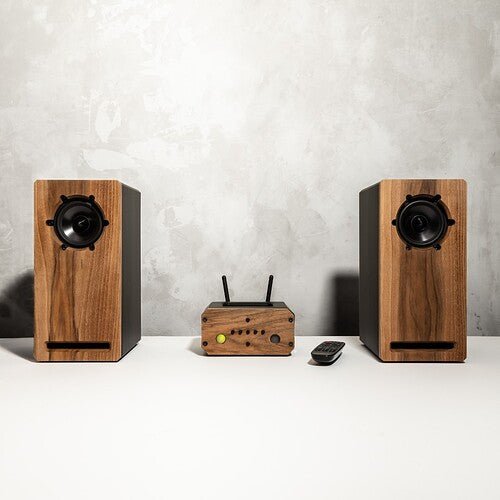
Credit: www.arylic.com
Final Assembly And Testing
The final assembly and testing stage brings your bookshelf speaker to life. This step ensures all parts fit well and work properly. Careful attention here guarantees great sound and durability. Follow each step to complete your speaker build confidently.
Securing Speaker Components
Start by fixing the speaker drivers tightly in their slots. Use screws or bolts that match the holes. Make sure the drivers sit flush against the cabinet walls. Check for any gaps that might cause sound leaks. Secure the crossover board inside the cabinet. Keep all wires neat and away from moving parts. Double-check each connection to avoid loose components.
Connecting To Audio Sources
Attach the speaker wires to the binding posts on the back panel. Match positive and negative terminals correctly. Connect your speaker to an amplifier or receiver using quality cables. Test the cables first to avoid signal loss. Keep the wires untangled and clear of sharp edges. Proper connections reduce noise and improve sound clarity.
Sound Quality Testing
Play a variety of music tracks to test sound quality. Listen for clear highs, rich mids, and deep bass. Check for any rattling or buzzing sounds. Adjust speaker placement for better sound balance. Use a moderate volume to avoid damage during testing. Confirm that the speaker produces clean and even sound across all tones.
Troubleshooting Common Issues
Troubleshooting common issues in your bookshelf speaker build helps you enjoy better sound. Small problems can affect sound quality a lot. Fixing these quickly saves time and effort. This section covers easy fixes for typical problems.
Fixing Distortion Problems
Distortion makes music sound unclear and harsh. Check the wiring first. Loose or wrong connections cause distortion. Use good speaker wire and secure connections. Sometimes, the amplifier or source device causes distortion. Test your speaker with different devices. Lower the volume to see if distortion stops. Replace damaged speaker parts if needed.
Addressing Bass Weakness
Weak bass makes sound thin and lifeless. Check the speaker box size. A small box can reduce bass output. Add sound-absorbing material inside the box to improve bass. Use a bass port or vent for better airflow. Place the speaker near a wall or corner to boost bass naturally. Adjust the equalizer settings to increase low frequencies.
Improving Clarity
Clear sound helps you hear every detail. Clean the speaker drivers and remove dust. Make sure drivers are not damaged. Tighten loose screws to reduce vibrations. Avoid placing speakers on soft surfaces. Use a stable and flat surface instead. Use quality cables and connectors for better signal. Test with different music to check clarity improvement.
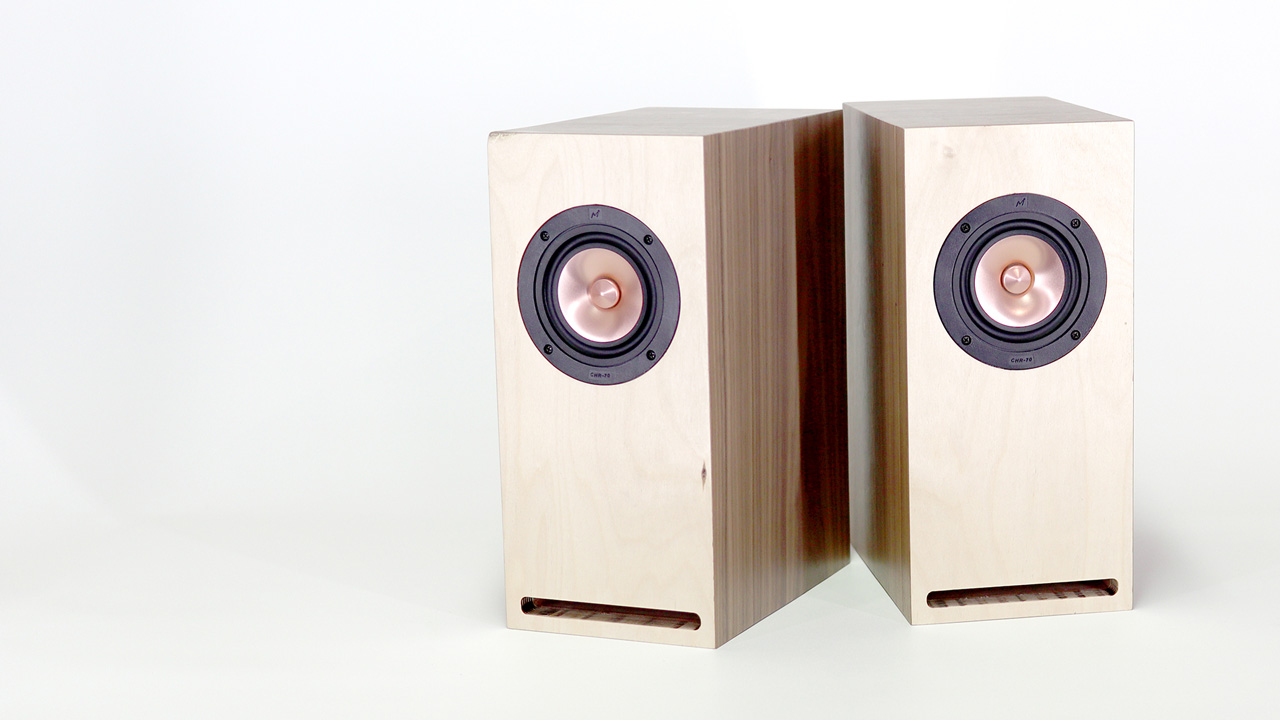
Credit: www.arylic.com
Frequently Asked Questions
What Materials Are Needed To Make A Bookshelf Speaker?
To build a bookshelf speaker, you need wood panels, speaker drivers, crossover components, wiring, and screws. Proper tools like a saw and soldering iron are essential. Quality materials ensure better sound and durability.
How Do I Choose The Right Speaker Drivers?
Select drivers based on size, frequency response, and power handling. Tweeters handle high frequencies, woofers handle lows. Matching drivers improves sound clarity and balance in your bookshelf speaker.
What Is The Role Of A Crossover In Speakers?
A crossover splits audio signals into different frequency bands. It directs highs to tweeters and lows to woofers. This prevents distortion and enhances overall sound quality in your bookshelf speaker.
How Long Does It Take To Build A Bookshelf Speaker?
Building a bookshelf speaker typically takes 4 to 8 hours. Time varies based on skill level and complexity. Allow extra time for drying glue and testing sound quality.
Conclusion
Building a bookshelf speaker can be fun and rewarding. You get to enjoy clear sound from your own creation. Follow each step carefully for the best results. Use good materials and take your time. Testing your speaker helps find any needed fixes.
This project also teaches useful skills in woodworking and electronics. Try different designs to match your style and space. Enjoy music and sounds like never before. Making your own speaker adds a personal touch to your home. Keep experimenting and learning with each build.