Are you looking for a simple and stylish way to organize your books and decorate your space? Making a bracket bookshelf could be the perfect project for you.
It’s easy to build, requires just a few materials, and lets you customize the look to fit your style. Imagine having a unique shelf that not only holds your favorite reads but also adds charm to your room. In this guide, you’ll discover step-by-step instructions that anyone can follow, even if you’re new to DIY.
Ready to transform your walls and create something useful and beautiful? Let’s get started!
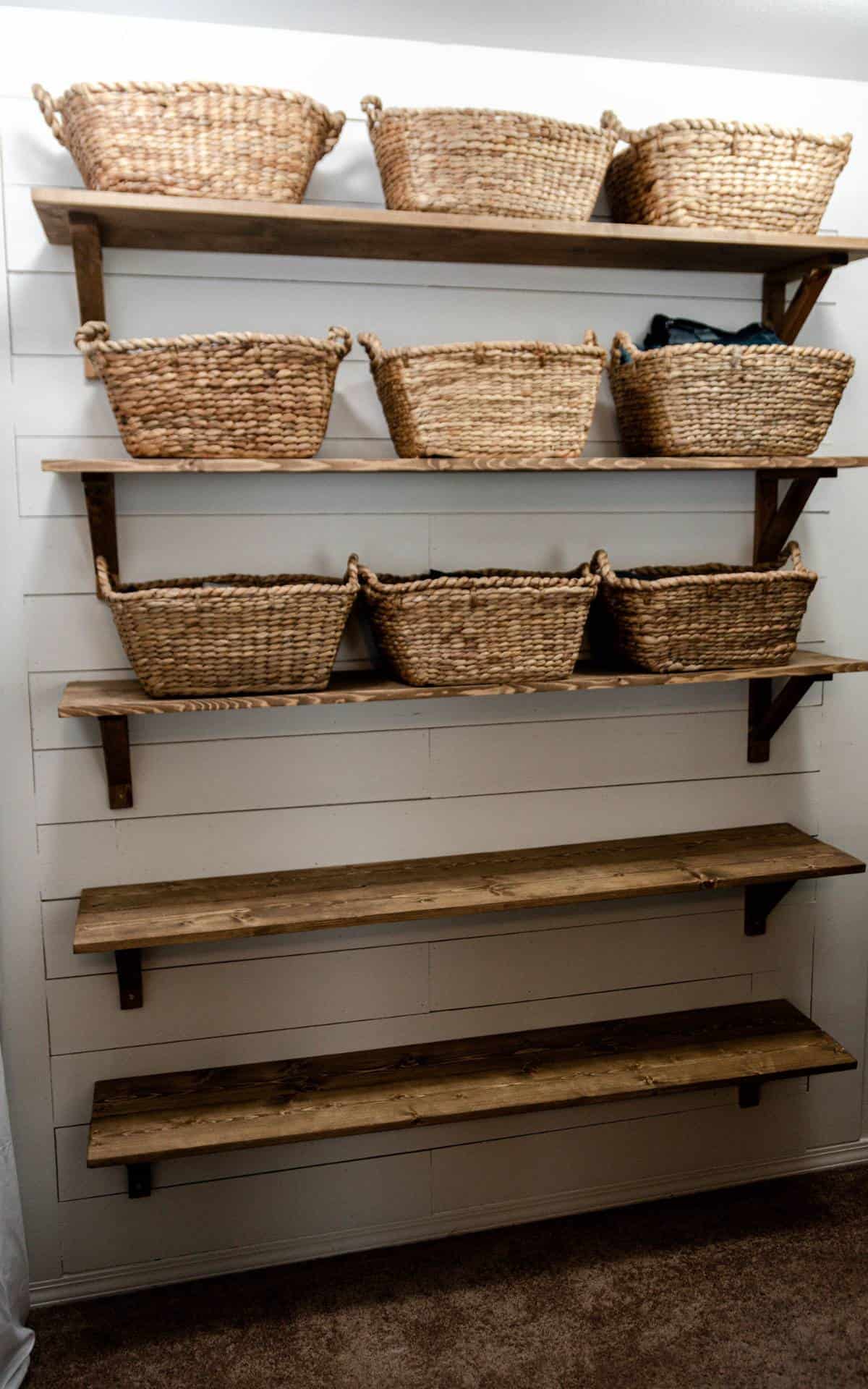
Credit: capturingwonderland.com
Materials And Tools Needed
Building a bracket bookshelf needs the right materials and tools. Choosing good parts makes the project easier and the shelf stronger.
This section guides you through the essential items. You will learn what brackets, wood, and tools work best.
Choosing The Right Brackets
Brackets hold the shelves and books. Pick brackets that fit your shelf size and style. Metal brackets are strong and last long. Wooden brackets can match your shelves for a neat look. Check the weight limit on brackets to hold your books safely.
Selecting Wood For Shelves
Wood type affects the shelf’s look and strength. Pine is cheap and easy to cut. Oak is harder and lasts longer. Choose wood that is smooth and free of cracks. Measure your space to cut the wood in the right size.
Essential Tools For Assembly
Tools help you build the shelf correctly. You need a drill to make holes and fix screws. A level keeps shelves straight and even. A saw cuts the wood to size. Sandpaper smooths rough edges. A screwdriver tightens screws securely.

Credit: www.wikihow.com
Planning Your Bookshelf
Planning your bracket bookshelf is the first step to a strong and stylish piece. Careful thought here saves time and effort later. It helps you make a bookshelf that fits your space and needs perfectly.
This section guides you through measuring your space, deciding shelf size, and choosing a style and finish. Each part matters for a bookshelf that works well and looks great.
Measuring Your Space
Start by measuring the wall or corner where the bookshelf will go. Note the width, height, and depth available. Use a tape measure for accuracy. Write down these numbers for reference. Check for any obstacles like switches or vents. Keep space for walking and furniture nearby. Small errors can cause big problems later.
Deciding Shelf Dimensions
Decide how wide and deep each shelf should be. Think about the books and items you want to store. Larger books need wider shelves. Depth should be enough to hold books without overhang. Typical shelves are 8 to 12 inches deep. Height between shelves depends on book sizes. Adjust shelf height for tall or odd-shaped items. Consistency in size creates a neat look.
Choosing A Style And Finish
Choose a style that matches your room’s decor. Simple bracket shelves suit modern rooms well. Ornate brackets fit classic or vintage styles. Pick a finish that complements your walls and furniture. Wood stains add warmth and texture. Paint offers color and protection. Consider durability for long-lasting beauty. Test samples before deciding.
Preparing The Brackets And Wood
Preparing the brackets and wood is the first step to building a sturdy bracket bookshelf. It ensures the shelf looks good and holds weight well. Taking time to prepare these parts helps avoid problems later. Careful sanding and painting of the wood create a smooth, attractive surface. Prepping the brackets correctly makes installation easy and secure. Both tasks are simple but important for a strong bookshelf.
Sanding And Painting Wood
Start by sanding the wood pieces. Use medium-grit sandpaper to smooth rough spots. Sand along the wood grain for the best finish. Remove dust with a dry cloth before painting.
Choose paint that fits the room’s style. Apply a thin, even coat using a brush or roller. Let the paint dry completely. Add a second coat for better coverage and color. Allow full drying time before handling the wood.
Prepping Brackets For Installation
Check the brackets for any rust or dirt. Clean them with a damp cloth and dry well. Lightly sand metal brackets to help paint stick better.
Paint the brackets if desired. Use metal paint and apply thin layers. Let each coat dry before adding the next. This step prevents rust and improves appearance.
Finally, gather screws and anchors. Make sure they fit your wall type and bracket holes. Having the right hardware ready speeds up installation.
Mounting The Brackets
Mounting the brackets is a key step in building a sturdy bracket bookshelf. The brackets hold the shelves and the books. Proper installation ensures the shelf stays strong and safe. Follow these steps carefully to mount your brackets correctly.
Locating Wall Studs
Find the wall studs to secure the brackets. Use a stud finder for the best results. Wall studs give the shelf solid support. Mark the stud locations lightly with a pencil. Avoid mounting brackets only on drywall.
Leveling And Marking Positions
Use a level to make sure brackets sit straight. Hold the bracket against the wall at the stud mark. Mark the screw holes with a pencil. Double-check the marks for even spacing. Straight brackets keep the shelf balanced.
Securing Brackets To The Wall
Drill pilot holes at the pencil marks first. This prevents the wall from cracking. Use screws that fit the bracket holes well. Screw the brackets tightly into the wall studs. Check the brackets again with a level for accuracy.
Installing The Shelves
Installing the shelves is a key step in building your bracket bookshelf. This process ensures the shelves stay strong and steady. Proper placement and secure attachment help keep your books safe and your shelf looking great.
Positioning The Wood On Brackets
Place the wooden shelf carefully on the brackets. Make sure it fits well and sits flat. The front edge of the shelf should line up with the front of the brackets. Check that the shelf is level from side to side. Adjust the position until it feels steady and balanced.
Attaching Shelves Securely
Use screws to fix the shelf to each bracket. Drill pilot holes first to avoid splitting the wood. Drive screws through the bracket holes into the shelf. Tighten screws firmly but do not over-tighten. This keeps the shelf strong without damaging the wood. Double-check each shelf to confirm it is secure and stable.

Credit: www.youtube.com
Styling Your Bookshelf
Styling your bracket bookshelf is a chance to add personality to your space. It makes your shelf look neat and inviting. You can balance books and decorations in a way that feels right to you. The right style helps your shelf stand out as a key part of your room.
Think about colors, shapes, and sizes. Mixing these can create a fresh, interesting look. Keep some space open to avoid a cluttered feeling. A well-styled shelf can make your room feel cozy and organized.
Arranging Books And Decor
Place books both vertically and horizontally for variety. Stack some books flat and use them as bases for small decor items. Group similar colors or sizes together for a clean look. Include plants, candles, or small art pieces to add charm. Leave some empty space to give your eyes a rest.
Maintaining Shelf Durability
Do not overload the brackets to keep them strong. Spread weight evenly across the shelf. Use wall anchors for extra support if needed. Clean the shelves regularly to avoid dust build-up. Check brackets and screws often to catch any loose parts early.
Troubleshooting Tips
Troubles can happen while making a bracket bookshelf. Knowing how to fix common problems saves time and frustration. This section covers simple tips to solve two common issues: wobbly shelves and uneven walls.
Fixing Wobbly Shelves
Wobbly shelves feel unsafe and unstable. Tighten all screws to stop movement. Check each bracket to ensure it is firmly attached.
Add small wood shims behind brackets for extra support. Use a level to confirm shelves are straight. Replace any damaged brackets to keep shelves steady.
Dealing With Uneven Walls
Uneven walls make it hard to mount brackets flat. Use a stud finder to locate solid mounting points. Fill gaps between the wall and bracket with shims.
Cut shims to fit tightly and prevent bracket movement. Re-check with a level after adding shims. This helps the bookshelf sit flush and holds weight better.
Frequently Asked Questions
What Materials Are Needed To Make A Bracket Bookshelf?
You need wood boards, metal brackets, screws, a drill, a level, and wall anchors. Choose sturdy wood for durability. Metal brackets must support the shelf weight. Quality tools ensure a smooth building process. Always use wall anchors for secure installation.
How Do You Install Brackets For A Bookshelf?
Mark bracket positions on the wall using a level. Drill pilot holes where you marked. Insert wall anchors if needed. Secure brackets with screws tightly. Ensure brackets are evenly spaced for balanced support. Double-check alignment before placing the shelf.
What Type Of Wood Is Best For Bracket Bookshelves?
Choose hardwoods like oak, maple, or walnut for strength and aesthetics. Softwoods like pine are budget-friendly but less durable. Consider moisture resistance if near humid areas. Opt for smooth, sanded wood for a clean finish. Proper wood selection ensures long-lasting shelves.
Can I Customize The Size Of My Bracket Bookshelf?
Yes, you can customize width, depth, and height easily. Measure your wall space carefully before cutting wood. Adjust bracket size and placement for different shelf dimensions. Custom sizes allow perfect fit and personalized style. Always maintain structural integrity when resizing.
Conclusion
Building a bracket bookshelf adds style and storage to any room. You only need a few tools and basic skills to start. Follow each step carefully to create a strong, neat shelf. Personalize it with your favorite colors or decorations.
This project saves money and gives a sense of pride. Try it today and enjoy your new, useful bookshelf. Simple, smart, and satisfying.