Are you looking for a fun and practical way to organize your child’s books? Building a kid bookshelf yourself is easier than you might think.
Imagine having a special place where your little one can find their favorite stories quickly and feel excited about reading. In this guide, you’ll discover simple steps to create a sturdy, colorful bookshelf that fits perfectly in your child’s room.
Keep reading, and you’ll learn how to turn a few basic materials into a charming and useful piece that sparks your child’s love for books every day.

Credit: www.youtube.com
Choosing The Right Materials
Choosing the right materials is key to building a sturdy and safe kid bookshelf. The materials must last long and be safe for children. This section helps you pick the best wood, paints, and tools for the project. You want the bookshelf to hold books well and look nice in a child’s room.
Wood Types For Durability
Hardwoods like oak and maple are strong and last many years. They resist dents and scratches better than softwoods. Pine is softer but easier to work with and costs less. Choose wood that feels solid and has no cracks. Avoid woods that splinter or break easily. The right wood keeps the bookshelf stable and safe for kids.
Safe Paints And Finishes
Use paints and finishes made for children’s furniture. Look for non-toxic, water-based paints. These dry fast and have less smell. Avoid paints with strong chemicals or lead. Finishes like natural oils or water-based varnishes protect wood without harmful fumes. This keeps the bookshelf safe from wear and safe for kids to touch.
Tools You’ll Need
Gather basic tools like a saw, drill, and screwdriver. Sandpaper smooths rough edges to prevent splinters. Use clamps to hold wood pieces while working. A paintbrush or roller helps apply paint evenly. Have a tape measure and pencil for accurate cuts. The right tools make building easier and safer.
Simple Bookshelf Designs
Simple bookshelf designs make great projects for kids’ rooms. They are easy to build and keep books organized. These designs use few materials and basic tools. Each style fits different spaces and needs. Choose one that suits your child’s room and style.
These ideas focus on safety and functionality. The shelves should be low and sturdy. Bright colors or fun shapes can make bookshelves more inviting. Let’s explore some simple designs anyone can try.
Basic Box Shelf
The basic box shelf is a square or rectangle frame. It holds books flat or standing up. Build it with wood or strong cardboard. Paint it in bright colors to attract kids. This shelf fits well on a wall or on the floor. It is simple to make and easy to clean.
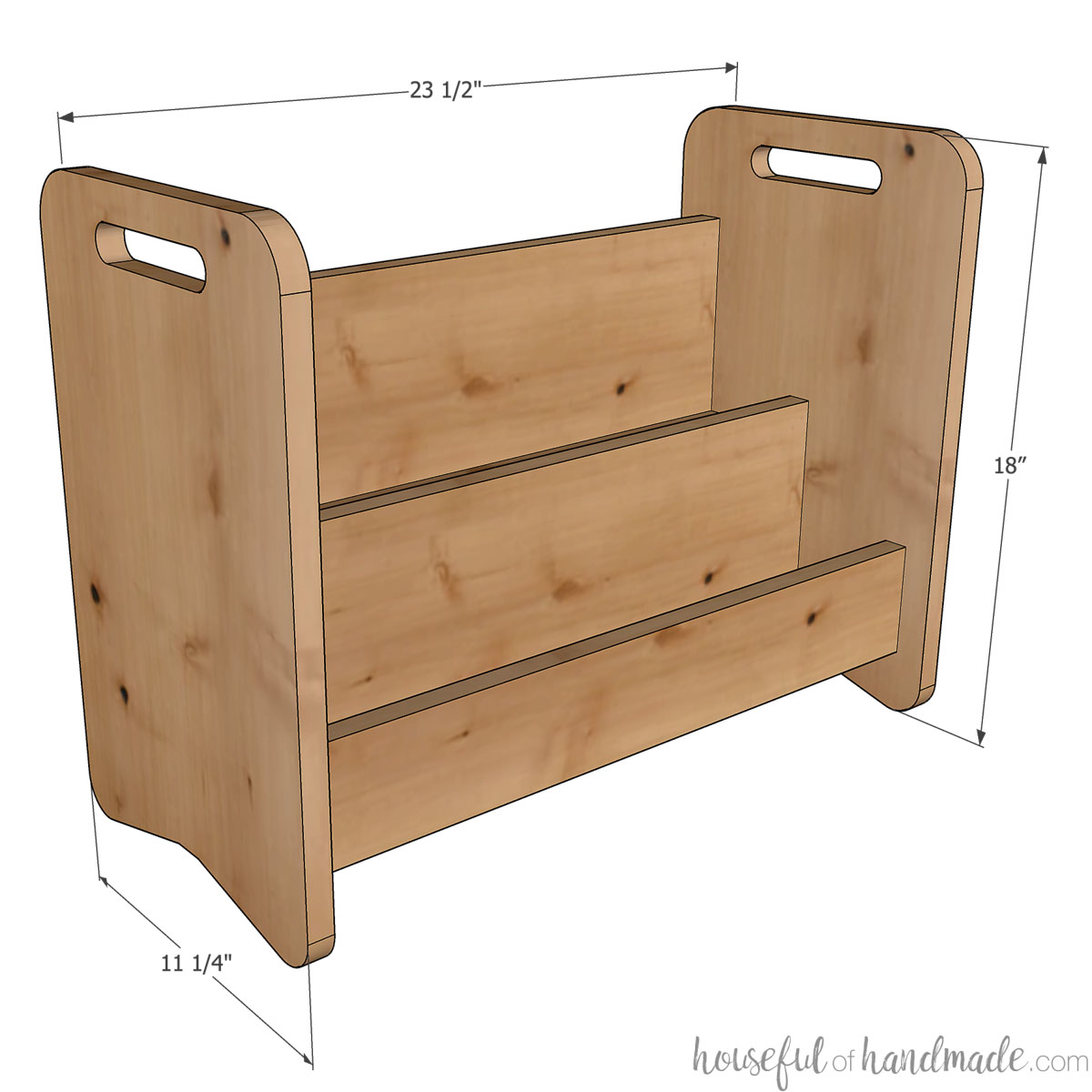
Tiered Step Shelf
The tiered step shelf looks like stairs with flat steps. Each step holds books or toys. It helps kids see all their books at once. This shelf is low and safe for young children. Use wood or thick plastic to build it. It also works as a small seat or play area.
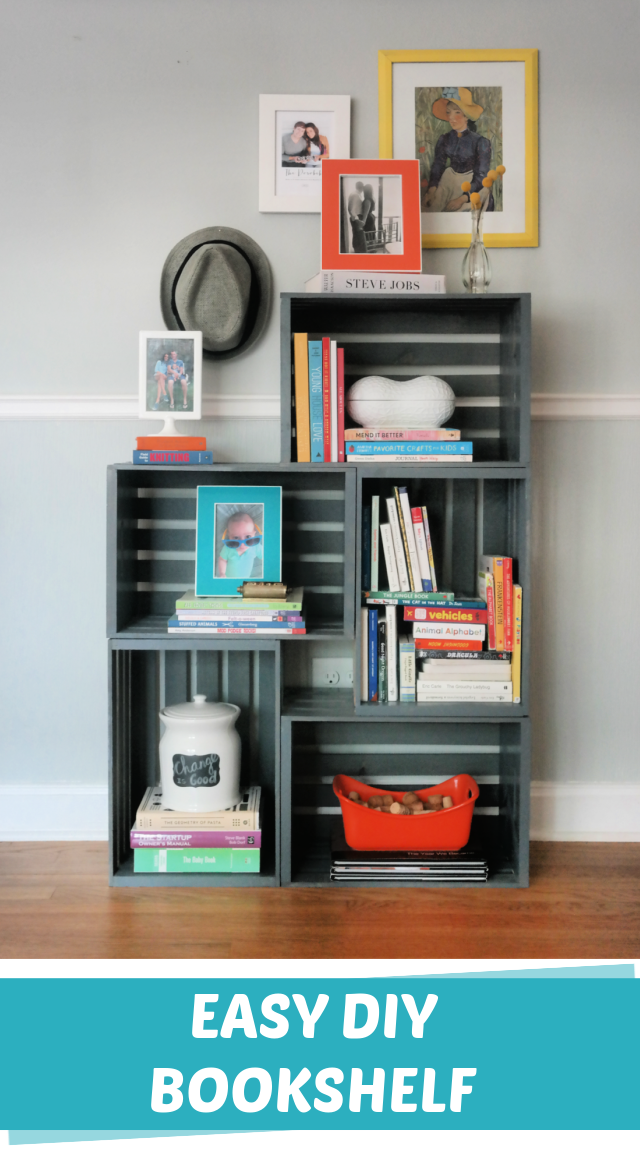
Crate Stacking Shelf
Crate stacking shelves use wooden or plastic crates stacked on top of each other. They create open storage spaces for books and toys. You can paint each crate a different color for fun. This design is flexible. Change the shape or size by adding or removing crates. It is easy to build and move.
Step-by-step Building Guide
Building a kid bookshelf is a fun and useful project. This guide breaks the process into clear steps. Follow each part carefully for best results. You will learn how to measure, cut, assemble, and finish the shelf. This way, the bookshelf will be safe and strong for kids.
Measuring And Cutting
Start by measuring the wood pieces you need. Use a tape measure to get exact lengths. Mark the wood with a pencil for cutting lines. Cut the wood carefully with a saw. Make sure edges are straight and smooth. Accurate cuts make assembly easier and the shelf sturdy.
Assembling The Frame
Arrange the cut pieces to form the frame. Use wood glue on edges before joining. Secure the parts with screws or nails. Check that the frame is square using a carpenter’s square. Tighten all fasteners so the frame holds firm. Let the glue dry fully before moving on.
Sanding And Painting
Sand all surfaces to remove rough spots and splinters. Use fine-grit sandpaper for a smooth finish. Wipe off dust with a clean cloth. Choose a kid-safe paint or finish. Apply paint evenly in thin coats. Allow each coat to dry completely before the next. This step protects the wood and adds color.
Creative Decoration Ideas
Creative decoration ideas make a kid bookshelf special and fun. They turn plain shelves into a favorite spot for kids. Decorations add color, personality, and a playful touch. These ideas also make organizing books exciting for children.
Themed Painting
Choose a theme your child loves, like animals or space. Paint the bookshelf with bright colors that match the theme. Use stencils or freehand simple shapes and characters. Themed painting makes the shelf stand out and feel personal. It also helps children connect more with their books.
Adding Stickers And Decals
Stickers and decals are easy ways to decorate the bookshelf. Pick designs like stars, cartoons, or nature scenes. They stick well and can be removed or changed later. This keeps the bookshelf fresh as your child grows. Stickers add fun details without much effort or mess.
Personalized Name Tags
Personalized name tags give the bookshelf a unique identity. Use colorful letters or wooden plaques with your child’s name. Attach the name tag where it is easy to see. This small touch makes the shelf feel like your child’s own space. It also encourages responsibility for keeping books tidy.
Safety Tips For Kids’ Furniture
Safety is the top priority when making a kid bookshelf. Kids’ furniture needs to be strong and secure. It should not have sharp edges or harmful materials. These safety tips help protect children from accidents and injuries. Creating a safe bookshelf means careful planning and smart choices.
Securing To The Wall
Always fix the bookshelf to the wall. Use brackets or straps to keep it stable. This prevents the shelf from tipping over. Kids often climb or pull on furniture. Wall anchors stop accidents before they happen.
Rounded Edges And Corners
Sharp corners can cause serious cuts and bruises. Sand down edges or use corner protectors. Rounded edges reduce the risk of injury. Soft shapes make the bookshelf safer for children to use.
Non-toxic Materials
Choose paints and finishes that are safe and free from chemicals. Non-toxic materials avoid harmful fumes and allergies. Use wood or plastic certified for child safety. Healthy materials protect children’s health and well-being.
Credit: www.creatingreallyawesomefunthings.com
Organizing Books And Toys
Organizing books and toys helps keep a kid’s room neat and fun. A well-arranged shelf makes it easy for children to find their favorites. It also teaches kids the habit of putting things back. Good organization saves time and reduces clutter.
Categorizing Books By Size Or Theme
Sort books by size to create a tidy look. Place tall books together and smaller ones in another spot. Grouping by theme works well too. Put all storybooks in one section and learning books in another. Kids enjoy seeing their favorite topics together. This method makes picking books simple and quick.
Using Baskets And Bins
Baskets and bins are great for storing toys. They keep small items from scattering around. Clear bins help kids see what is inside. Label bins with pictures or words for easy use. Baskets add a cozy feel to the shelf. Use different sizes to fit various toys and games.
Encouraging Kids To Maintain Order
Teach children to put books and toys back after use. Make it a fun daily routine. Praise them for keeping the shelf neat. Set a small time each day for quick cleanups. This habit builds responsibility and pride in their space.
Budget-friendly Tips
Building a kid bookshelf does not have to be expensive. Simple ideas can save money and still create a fun, useful shelf. Using smart tips helps keep costs low without losing style or function. Small changes make a big difference.
Repurposing Old Materials
Look around your home for unused wood or boxes. Old furniture parts can become shelf pieces. Paint or sand them to make new shelves. This cuts costs and helps the environment. Even scrap wood can work if cut to size.
Buying Supplies On A Budget
Shop at discount stores or thrift shops for nails and paint. Bulk buying often lowers prices per item. Check for sales on screws, brackets, and wood. Use coupons or store apps for extra savings. Choose basic materials that still look good.
Diy Vs. Store-bought Costs
Store-bought shelves can be costly and generic. Making your own saves money and adds a personal touch. DIY lets you choose sizes and colors your child likes. Time spent building is worth the savings. Simple designs keep projects easy and affordable.
Credit: housefulofhandmade.com
Frequently Asked Questions
What Materials Are Best For A Kid Bookshelf?
Wood like pine or plywood is ideal for kid bookshelves. They are sturdy, safe, and easy to work with. Avoid toxic finishes to ensure child safety.
How To Design A Kid-friendly Bookshelf?
Keep shelves low for easy reach. Use rounded edges to prevent injuries. Bright colors and fun shapes make it engaging for kids.
How Much Time Does Building A Kid Bookshelf Take?
A simple kid bookshelf can be built in 2 to 4 hours. More complex designs may take longer depending on skills and tools.
What Tools Are Needed To Make A Kid Bookshelf?
Basic tools include a saw, drill, screwdriver, measuring tape, and sandpaper. These tools help cut, assemble, and smooth the bookshelf parts.
Conclusion
Building a kid’s bookshelf can be fun and simple. It gives children a special place for their books. You can choose colors and designs they like. This helps them enjoy reading more often. Making a bookshelf also teaches basic skills.
It creates a lasting memory for both of you. Start small, use safe materials, and enjoy the process. A handmade bookshelf adds warmth and charm to any room. Try it today, and watch your child’s love for books grow.