Are you dreaming of a large bookshelf that perfectly fits your space and holds all your favorite books? Designing one might seem tricky, but it doesn’t have to be.
Imagine having a custom piece that not only organizes your collection but also adds style to your room. In this guide, you’ll discover simple steps to create a bookshelf tailored just for you. Ready to turn your vision into reality?
Let’s dive in and make your ideal bookshelf happen.

Credit: www.amazon.com
Planning Your Bookshelf
Planning is the first step in designing a large bookshelf. A good plan helps create a shelf that fits your room and holds all your books. Think about the space, your needs, and the style you want. A clear plan saves time and effort later.
Choosing The Right Location
Pick a spot with enough wall space. Avoid places near windows to protect books from sunlight. Choose a dry area to prevent damage from moisture. Make sure the location has easy access for daily use.
Measuring Space Accurately
Use a tape measure to get the height, width, and depth of the space. Measure twice to avoid mistakes. Note any obstacles like switches or vents. These details help create a bookshelf that fits perfectly.
Determining Storage Needs
Count your books and other items to store. Consider different sizes of books and objects. Think about future additions to your collection. Plan for shelves that can hold heavy books safely.
Selecting Materials
Selecting the right materials is key to building a large bookshelf. The choice affects its strength, look, and how long it lasts. Good materials make the project easier and the finished shelf more useful.
Think about the space where the bookshelf will go. Choose materials that fit your style and budget. Quality materials also keep the shelf safe and sturdy for heavy books.
Types Of Wood And Alternatives
Solid wood is strong and looks natural. Oak, pine, and maple are popular choices. Pine is soft and easy to work with. Oak and maple are harder and last longer.
Wood veneer is thin wood glued over cheaper boards. It looks like solid wood but costs less. Plywood and MDF are good alternatives. They are stable and resist warping.
Hardware And Fasteners
Use strong screws and nails to hold shelves firmly. Wood screws provide a tight grip. Confirm they are long enough for thick wood.
Brackets add extra support. Metal corner braces work well. Choose rust-proof hardware for longer life. Avoid weak or cheap fasteners that can fail.
Finishing Options
Finishing protects wood and improves its look. Paint adds color and hides flaws. Stain shows natural wood grain.
Sealants prevent moisture damage. Use polyurethane or varnish for a smooth coat. Sand surfaces before finishing for best results.
Designing The Structure
Designing the structure of a large bookshelf is the first step to build a strong and useful piece. This stage focuses on how the shelves hold weight and fit your space. A well-planned structure makes the bookshelf last longer and look better.
Shelf Dimensions And Spacing
Decide the height, width, and depth of each shelf. Keep shelf height enough for tall books and items. A common shelf depth is 10 to 12 inches. Space shelves evenly or vary them for different book sizes. Proper spacing helps keep books neat and easy to access.
Incorporating Adjustable Shelves
Adjustable shelves let you change the height between shelves. Use metal pins or slots to hold shelves in place. This design adds flexibility for different book sizes. It also allows you to rearrange the shelf layout easily over time.
Adding Support And Reinforcements
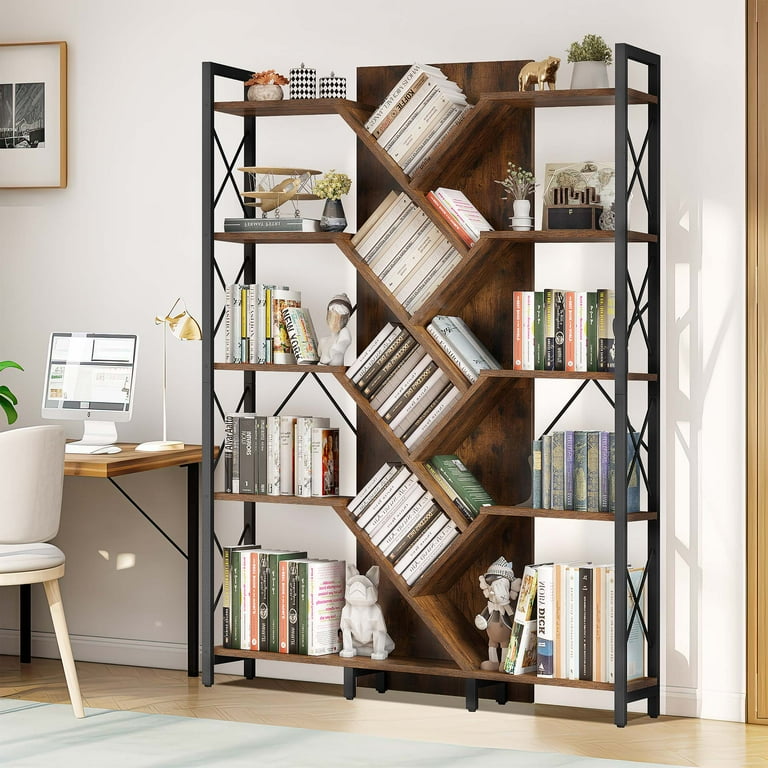
Add vertical supports to hold the weight of books. Use thick wood or strong materials for side panels and shelves. Reinforce corners with brackets or wood blocks. This prevents shelves from sagging or wobbling under heavy loads. Proper support keeps your bookshelf stable and safe.
Credit: www.walmart.com
Creating Visual Appeal
Creating visual appeal for a large bookshelf makes it more than just storage. It turns the shelf into a striking part of the room. Visual appeal invites the eye and gives the space character. This section covers how to choose styles, add lighting, and pick colors and textures.
Choosing Styles And Shapes
Select styles that match your room’s look. Modern shelves have clean lines and simple shapes. Traditional styles may use curves and detailed woodwork. Mixing shapes can add interest. Try rectangles, squares, or even asymmetrical designs. Shapes guide the eyes and break the monotony. Choose a style that feels right for your space.
Integrating Lighting
Lighting highlights the bookshelf’s design and contents. Use LED strips under shelves for a soft glow. Spotlights can focus on special items like art or books. Lighting creates depth and warmth in the room. Consider battery-powered lights for easy setup. Proper lighting turns the bookshelf into a room feature.
Color And Texture Choices
Colors affect mood and style. Light colors make the room feel bigger and brighter. Dark colors add drama and richness. Texture adds depth and interest. Smooth finishes look modern and clean. Rough or natural wood textures bring warmth and character. Combine colors and textures for a balanced look.
Building Process
Building a large bookshelf requires careful steps to ensure strength and beauty. The process starts with preparing all materials. Then, assembling the frame creates the bookshelf’s structure. Finally, installing shelves and adding finishing touches complete the project. Each step needs attention to detail for the best result.
Cutting And Preparing Materials
Begin by measuring all wood pieces precisely. Use a saw to cut boards to the correct size. Sand each cut edge to make surfaces smooth. Check that all pieces fit well before moving on. Prepare screws, nails, and wood glue for assembly. Organize materials to keep the workspace tidy and safe.
Assembling The Frame
Start with the base and side panels of the bookshelf. Use wood glue and screws to join pieces firmly. Make sure the frame is square and level at every step. Clamps help hold parts together while the glue dries. Double-check measurements to avoid mistakes. The frame must be sturdy to hold heavy books.
Installing Shelves And Finishing Touches
Mark shelf positions evenly along the frame’s sides. Attach shelves securely using screws or brackets for support. Sand all surfaces once shelves are in place. Apply paint or wood stain for a polished look. Add trim or molding for a professional finish. Let everything dry fully before use to ensure durability.
Maintaining Your Bookshelf
Maintaining your large bookshelf keeps it looking great and lasting longer. Regular care helps avoid damage and keeps your books safe. Simple habits can protect your investment and make your space neat.
Cleaning Tips
Dust your bookshelf often. Use a soft cloth or a feather duster. Clean shelves gently to avoid scratches. Wipe spills immediately to prevent stains. Vacuum nearby areas to reduce dust buildup. Keep books and shelves dry to stop mold. Use mild soap and water for tough spots.
Preventing Wear And Damage
Place the bookshelf away from direct sunlight. Sunlight can fade wood and books. Avoid placing heavy items on one shelf. Spread weight evenly to prevent sagging. Use bookends to keep books upright. Check screws and joints regularly. Tighten loose parts to keep the shelf stable.
Updating And Modifying
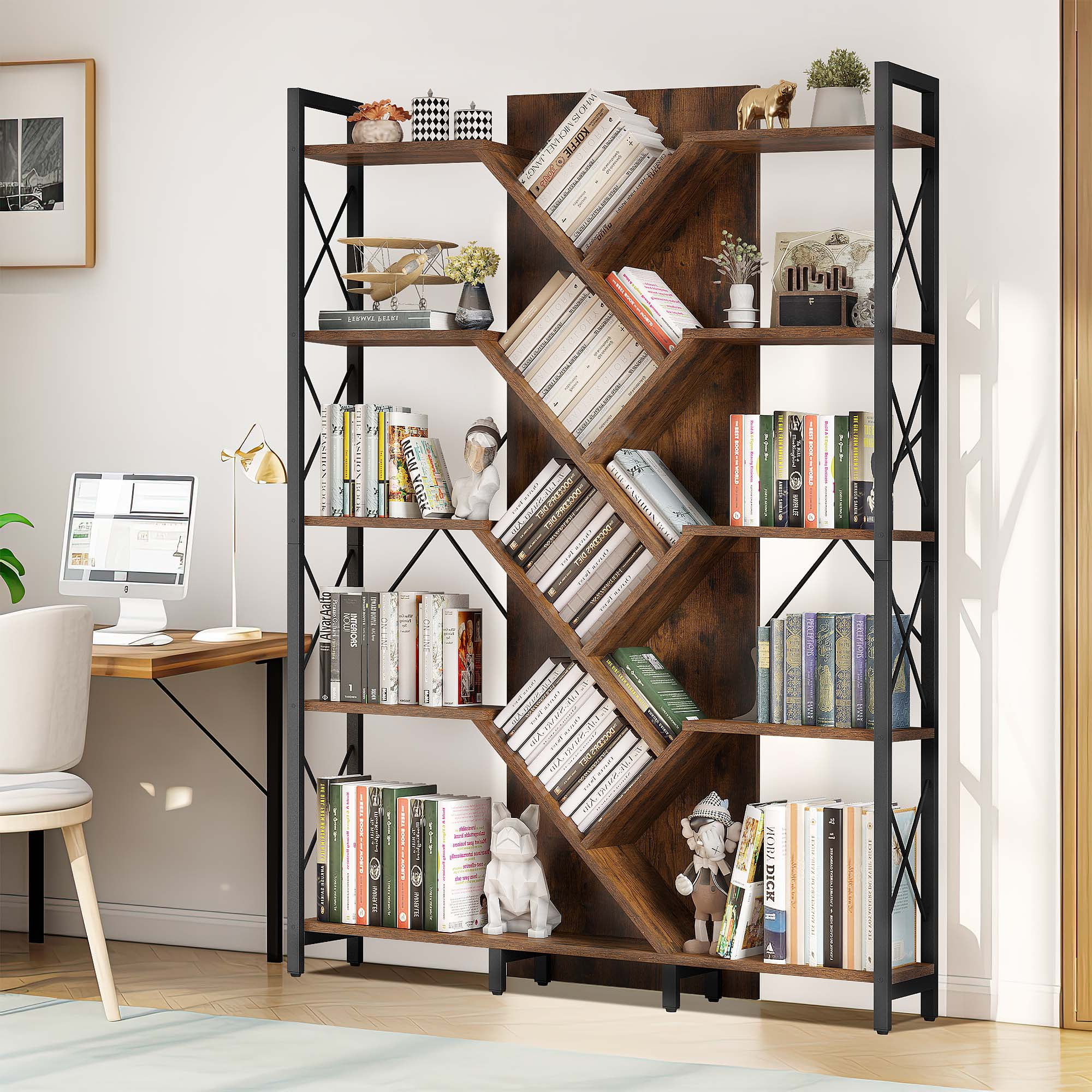
Change shelf heights to fit new books. Add extra shelves for more storage. Paint or stain the bookshelf for a fresh look. Replace damaged parts quickly to avoid bigger problems. Personalize with decorative items without overloading. Upgrade lighting to highlight your collection. Keep your bookshelf functional and attractive.
Credit: www.walmart.com
Frequently Asked Questions
What Materials Are Best For Building A Large Bookshelf?
Wood is the best material for a large bookshelf due to its strength and durability. Plywood and hardwood offer sturdy support. Metal brackets can reinforce shelves. Choose quality materials to ensure stability and longevity for heavy books and decorations.
How Do I Measure Space For A Large Bookshelf?
Measure the wall height and width where the bookshelf will go. Allow extra space for clearance and ventilation. Consider ceiling height and floor space to avoid overcrowding. Accurate measurements prevent fitting issues and help design the perfect bookshelf size.
What Design Styles Suit A Large Bookshelf?
Popular styles include modern, rustic, industrial, and traditional. Choose a style that matches your room decor. Modern designs use clean lines, while rustic emphasizes natural wood. Industrial style adds metal accents. Select a style that enhances your space visually and functionally.
How Can I Ensure My Bookshelf Holds Heavy Books?
Use thick shelves made from solid wood or plywood. Add strong brackets or support beams underneath shelves. Secure the bookshelf firmly to the wall to prevent tipping. Proper weight distribution and reinforcement keep your bookshelf safe and durable.
Conclusion
Designing a large bookshelf takes planning and care. Choose strong materials that fit your space well. Think about the size and shape of your books. Add shelves at different heights for variety. Keep your design simple but sturdy. Use the right tools to build it safely.
A well-made bookshelf can hold many books neatly. It also adds style to your room. Take your time and enjoy the process. Your perfect bookshelf is within reach.