Is your bookshelf wobbling every time you place a book on it? A shaky bookshelf isn’t just annoying—it can also be unsafe for your books and your home.
But don’t worry, you don’t need to be a handyman to fix it. You’ll discover simple, effective ways to stop that wobble and keep your shelf steady. By the end, you’ll feel confident and ready to enjoy a sturdy, reliable bookshelf that holds your favorite reads perfectly.
Keep reading to find out how easy it is to solve this common problem!
Identify The Cause
Before fixing a shaky bookshelf, find out why it wobbles. Knowing the cause helps you fix it right. Check several parts carefully to spot the problem.
Check The Floor Surface
Look at the floor where the bookshelf stands. Uneven floors make shelves shake. Small bumps or slopes can cause instability. Use a level tool to see if the floor is flat. Placing a thin wood piece under one leg can help balance it.
Inspect The Bookshelf Joints
Joints hold the bookshelf together. Loose or weak joints cause shaking. Press on corners and edges to test strength. Wiggling parts show loose connections. Tighten or glue the joints to make the shelf sturdy.
Look For Loose Screws Or Nails
Screws and nails keep parts fixed. Check each screw and nail carefully. Loose fasteners let parts move and shake. Use a screwdriver or hammer to tighten or fix them. Replace missing screws or nails for better support.

Credit: www.familyhandyman.com
Gather Necessary Tools
Before fixing a shaky bookshelf, gather the right tools. Having proper tools makes the job easier and faster. It ensures the shelf becomes stable and safe to use. Prepare everything in one place to avoid interruptions.
Screwdrivers And Screws
Screwdrivers are essential for tightening or replacing screws. Choose a flathead or Phillips screwdriver based on your bookshelf’s screws. Keep extra screws handy. Use screws that fit well to avoid damaging the wood.
Level And Measuring Tape
A level helps check if the shelf is straight. A crooked shelf can cause instability. Use a measuring tape to measure distances and spaces. Accurate measurements help place screws and supports correctly.
Wood Glue And Clamps
Wood glue strengthens joints and fills small gaps. Apply glue where boards meet for extra hold. Clamps hold pieces tightly while the glue dries. This prevents movement and makes the shelf sturdy.
Tighten And Secure Joints
Tightening and securing joints is key to fixing a shaky bookshelf. Loose joints cause wobbles and reduce stability. Fixing these connections improves strength and safety. Small adjustments can make a big difference.
Check all joints carefully. Tighten or replace screws if needed. Use wood glue to strengthen weak spots. Add corner braces for extra support. These steps help make your bookshelf steady and safe.
Replace Or Tighten Screws
Start by checking all screws holding the bookshelf together. Loose screws cause the shelf to wobble. Use a screwdriver to tighten them firmly. Replace any screws that are stripped or damaged. New screws hold parts more securely. This simple fix often stops the shake completely.
Reinforce With Wood Glue
Wood glue adds strong bonding to loose joints. Apply glue where two pieces meet and press tightly. Wipe off extra glue quickly. Let the glue dry for several hours. This creates a firm hold that lasts. Glue works best on clean, dry surfaces.
Use Corner Braces For Support
Corner braces add extra strength to weak corners. Attach metal braces inside the bookshelf corners. Use screws to fix the braces tightly. Braces help keep the shelf steady under weight. They are easy to install and very effective.
Level The Bookshelf
Leveling the bookshelf is a key step to stop it from shaking. A bookshelf that is not level can wobble and feel unstable. Small adjustments can make a big difference in stability.
Adjust Feet Or Add Shims
Start by checking the bookshelf’s feet. Some bookshelves have adjustable feet you can turn to raise or lower corners. If your bookshelf does not have adjustable feet, use small wooden or plastic shims. Place shims under the low corners to even out the height. Make sure the bookshelf stands flat on the floor with no gaps.
Test Stability With A Level
Use a carpenter’s level to check if the bookshelf is even. Place the level on the top shelf or any flat surface. The bubble should sit in the middle. Move the level to different sides of the bookshelf. Adjust feet or shims as needed until the bookshelf is level in all directions.
Balance Weight Distribution
Uneven weight can cause shaking. Place heavy books or items on the lower shelves to add stability. Spread the weight evenly across each shelf. Avoid putting all heavy items on one side. A balanced load helps keep the bookshelf steady and safe.
Add Extra Support
Adding extra support is a simple way to stop a bookshelf from shaking. It makes the shelf more stable and safe. There are a few easy methods to do this. Each method strengthens the shelf in a different way. Choose the best one for your bookshelf and tools.
Attach To Wall Anchors
Wall anchors keep the bookshelf fixed to the wall. Use screws and anchors that fit your wall type. Find studs behind the wall for the strongest hold. Attach metal brackets from the top of the shelf to the wall. This stops any side-to-side movement and keeps the shelf upright.
Install Additional Bracing
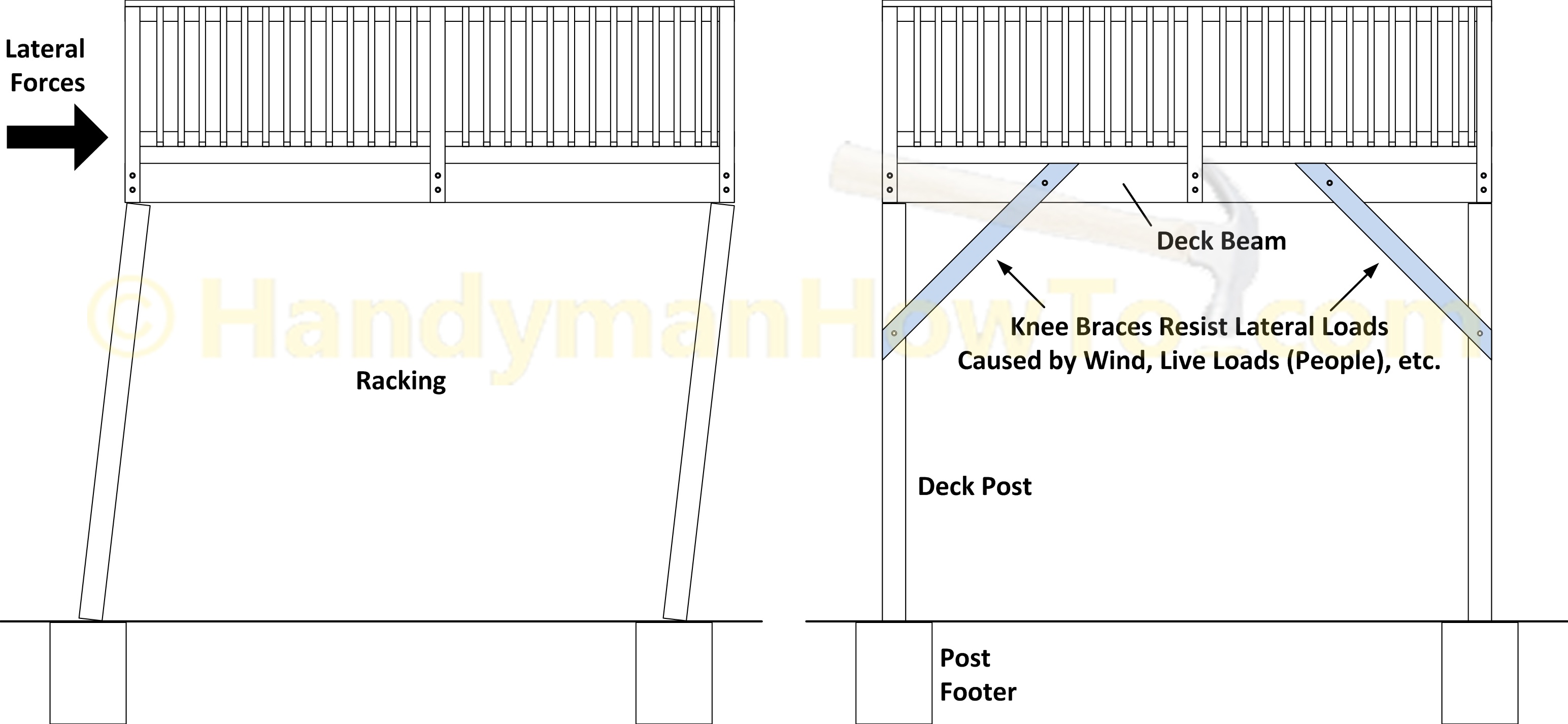
Bracing adds extra wood or metal pieces to the shelf frame. Place braces diagonally across the back corners. This helps the shelf hold its shape and stops wobbling. Use screws to fix the braces firmly. This method works well for large or heavy shelves.
Use Anti-tip Straps
Anti-tip straps secure the bookshelf to the wall. They are flexible straps that connect the shelf to wall studs. Install straps at the top back of the shelf. Tighten them to keep the shelf from tipping forward. These straps are easy to install and very effective.
Credit: diy.stackexchange.com
Maintain Stability Over Time
Maintaining your bookshelf’s stability over time is key to keeping it safe and functional. A shaky bookshelf can lead to accidents or damage your books. Small steps can help keep your shelf steady and strong for years.
Regularly Check For Loose Parts
Check screws, bolts, and joints often. Tighten any loose parts with a screwdriver or wrench. Loose parts cause wobbling and weaken the shelf. Make this a habit every few months to avoid bigger problems.
Avoid Overloading Shelves
Bookshelves have weight limits. Too many heavy books cause shelves to bend or shake. Spread books evenly across the shelves. Place heavier items on lower shelves to improve balance and reduce stress.
Keep The Bookshelf Clean And Dry
Dust and dirt can weaken shelf joints over time. Clean your bookshelf with a soft cloth regularly. Avoid moisture, which can warp wood and loosen glue. Keep the shelf away from damp areas to maintain strength and durability.

Credit: diy.stackexchange.com
Frequently Asked Questions
How Can I Stabilize A Shaky Bookshelf Quickly?
To stabilize a shaky bookshelf, tighten all screws and bolts first. Use furniture straps to secure it to the wall. Adding shims under uneven legs also helps balance the shelf and prevent wobbling.
What Tools Fix A Wobbly Bookshelf Effectively?
You need a screwdriver, level, furniture straps, and wood shims. A power drill speeds up screw tightening. These tools help tighten joints, align shelves, and secure the bookshelf safely.
Why Does My Bookshelf Shake After Loading Books?
Heavy books can cause shelves to sag or joints to loosen. Uneven weight distribution also leads to instability. Reinforcing shelves and securing the bookshelf to the wall prevents shaking.
Can I Fix A Shaky Bookshelf Without Professional Help?
Yes, most shaky bookshelves can be fixed DIY. Tighten screws, add shims, and use wall anchors. These simple steps improve stability without needing expert help.
Conclusion
Fixing a shaky bookshelf is easier than it seems. Tighten loose screws or add brackets for support. Check the floor for uneven spots and level the shelf. Use wood glue or shims to fill gaps. Small fixes can make your bookshelf steady and safe.
A firm shelf protects your books and your space. Keep these simple tips in mind for lasting stability. Your bookshelf will hold strong for years to come.
