Deciding when to move your toddler from a crib to a bed can feel overwhelming. You want to make sure your little one is ready and safe, but how do you know the right age to make the switch?
If you’re wondering about the perfect time to put your toddler in a bed, you’re not alone. This change can impact your child’s sleep, comfort, and even your peace of mind. Keep reading, and you’ll discover clear signs to watch for, expert advice, and tips to make this transition smooth for both you and your toddler.
By the end, you’ll feel confident about taking this important step.
Credit: health.clevelandclinic.org
Signs Your Toddler Is Ready
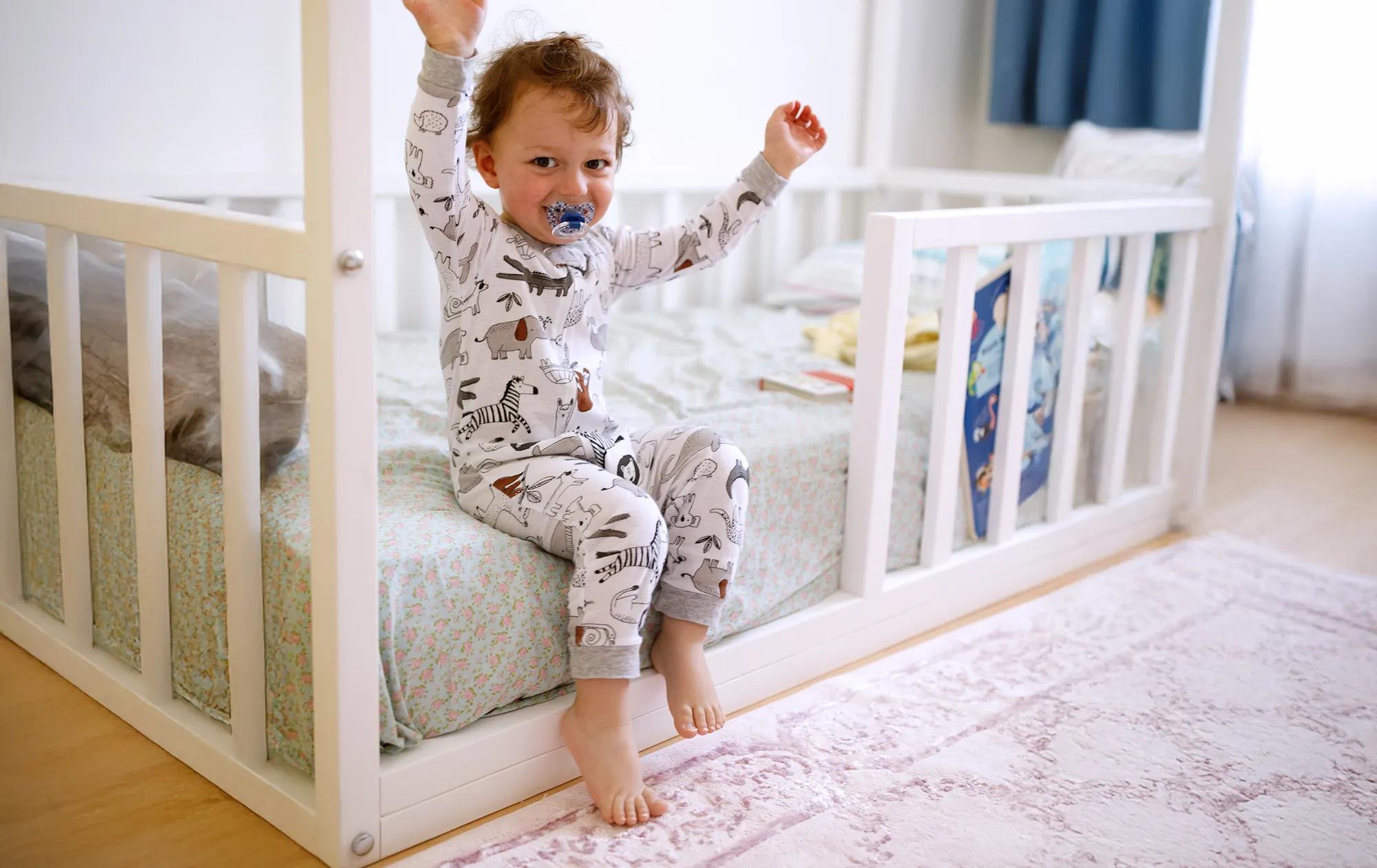
Knowing when to move your toddler from a crib to a bed is important. Watch for signs that your child is ready. These signs help make the change safe and smooth. They come in different forms like physical growth, emotions, and sleep habits.
Physical Development
Your toddler may climb out of the crib often. This shows they want more freedom. Growing taller can make the crib too small. Check if your child can easily climb in and out of a bed. Stronger muscles help them move safely on their own.
Emotional Cues
Notice if your toddler talks about a “big kid bed.” They may show excitement or fear about the change. Some children want to be more independent. Others may want to sleep with parents or siblings. These feelings are important to recognize and respect.
Sleep Patterns
Watch how your toddler sleeps at night. Frequent waking or restlessness may mean they need a new space. Longer sleep periods can show readiness for a bed. A calm and steady sleep routine helps with the transition. Your child feels more secure in a familiar environment.
Credit: health.clevelandclinic.org
Choosing The Right Bed
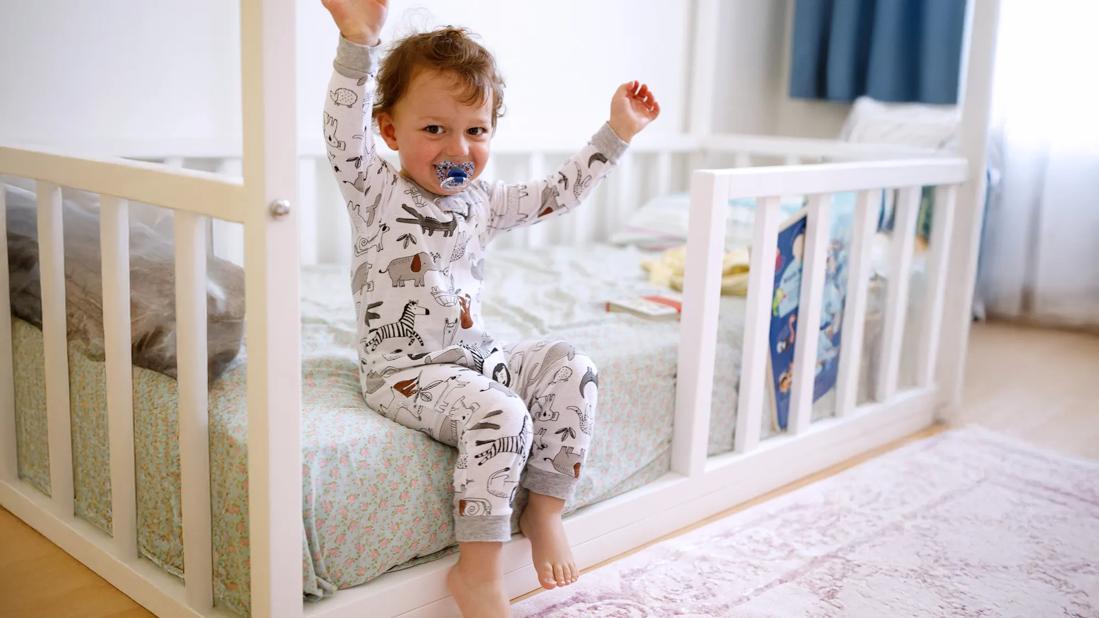
Choosing the right bed for your toddler is an important step. It affects their comfort and safety during sleep. Picking the best bed helps your child feel secure and happy. This choice depends on your child’s age, size, and habits. Let’s explore key factors to consider.
Crib Vs Toddler Bed
A crib keeps your toddler safe with high sides. It stops them from falling out. Toddlers usually switch to a bed between 18 months and 3 years. A toddler bed is lower and has guardrails. It feels more like a “big kid” bed. This helps your child gain independence. Both options have benefits. Choose based on your toddler’s readiness and size.
Safety Features
Safety comes first in any bed choice. Look for guardrails to prevent falls. Check that the bed is sturdy and stable. Avoid beds with sharp edges or loose parts. The mattress should fit snugly to avoid gaps. Choose non-toxic paint and materials. Confirm the bed meets safety standards. These steps keep your toddler protected.
Comfort Considerations
Comfort helps your toddler sleep well. Pick a mattress that is firm but soft enough. It should support growing bones and muscles. Choose breathable materials to reduce sweating. A familiar blanket or pillow can ease the transition. Make sure the bed size suits your child’s height. A cozy bed invites restful nights and sweet dreams.
Preparing The Room
Preparing the room is an important step before moving your toddler to a bed. The space must be safe, comfortable, and inviting. This helps your child feel secure and excited about sleeping in their new bed.
Childproofing Tips
Remove sharp objects and small items from the room. Cover electrical outlets with safety plugs. Secure furniture to the wall to stop tipping. Keep cords from blinds and curtains out of reach. Use corner guards on sharp furniture edges. Check the floor for toys or clutter that could cause trips.
Creating A Cozy Space
Choose soft bedding with your child’s favorite colors or characters. Add a few stuffed animals or a special blanket. Keep the bed size right for your toddler’s comfort and safety. Arrange the room so your child can move freely. Personal touches make the room feel like their own place.
Lighting And Noise Control
Use a nightlight with soft, warm light for comfort. Avoid bright or flashing lights that may disturb sleep. Keep the room quiet or use white noise to block outside sounds. Close windows to reduce noise from outside. Soft curtains help darken the room and absorb sound.
Establishing A Bedtime Routine
Creating a bedtime routine helps your toddler feel safe and ready for sleep. A regular routine signals that bedtime is near. It makes the transition from playtime to sleep easier. Toddlers thrive on consistency. A steady routine supports healthy sleep habits.
Consistent Schedule
Set the same bedtime every night. Wake your toddler at the same time each morning. This helps regulate their internal clock. A steady schedule makes falling asleep simpler. Avoid large changes in sleep times on weekends.
Calming Activities
Choose quiet, soothing activities before bed. Reading a short story works well. Soft music or gentle rocking can help. Avoid screen time and loud play. These calm your toddler’s mind and body.
Involving Your Toddler
Let your toddler help with the routine. Pick pajamas or choose a bedtime book together. This gives them control and comfort. Feeling involved makes them more willing to go to bed. A little choice eases bedtime struggles.
Handling Resistance And Fears
Moving a toddler from a crib to a bed can cause some worries and resistance. Toddlers feel safe in their cribs. They may fear falling or the dark in a new bed. Handling these fears calmly helps your child adjust with less stress. Understanding common challenges and using comfort objects can ease the process. Positive reinforcement encourages your toddler to feel confident and secure.
Common Challenges
Toddlers often resist change. They may cry or refuse to stay in bed. Fear of falling or being alone is normal. Nighttime can seem scary without crib bars. Some toddlers want to sleep with parents. This can disrupt their sleep habits. Patience is key during this transition.
Comfort Objects
Comfort objects provide security. A favorite blanket or stuffed animal helps. These items remind toddlers of safety. Keep the comfort object near the bed. It soothes fears and helps them relax. Comfort objects build a positive bedtime routine.
Positive Reinforcement
Praise your toddler for small successes. Celebrate staying in bed all night. Use simple rewards like stickers or extra storytime. Positive words build confidence and reduce fear. Consistent encouragement makes the new bed feel safe. This approach helps toddlers adapt happily.
Monitoring Progress And Adjusting
Moving a toddler from a crib to a bed is a big change. Monitoring how your child adapts helps make this transition smooth. Watching for signs of progress or trouble is important. Adjusting your approach keeps your toddler comfortable and safe. This helps build good sleep habits early on.
Tracking Sleep Changes
Notice how your toddler sleeps in the new bed. Look for changes in sleep time and quality. Watch if your child wakes up more often or feels restless. Note any new fears or worries about the bed. Keep a simple sleep diary to track these changes daily.
Adapting Strategies
Change your bedtime routine if your toddler struggles. Try adding a favorite toy or blanket for comfort. Make the room darker or quieter to help sleep. Use gentle words to reassure your child at night. Small changes can improve how your toddler adjusts.
When To Seek Help
Ask for advice if sleep problems last over two weeks. Talk to a pediatrician about frequent waking or fear. A sleep specialist can help with serious sleep issues. Early help avoids long-term sleep troubles for your toddler. Trust your instincts and get support when needed.

Credit: busytoddler.com
Frequently Asked Questions
When Is The Best Age To Switch Toddlers To A Bed?
Most toddlers transition between 18 months and 3 years. This depends on their size, safety, and readiness for independence.
How To Know If Toddler Is Ready For A Big Bed?
Look for signs like climbing out of the crib, showing interest in a bed, and following simple instructions.
Should I Wait For Toddler To Ask For A Bed?
Not necessarily. Proactive parents can guide the transition for safety and comfort before the child requests it.
What Safety Measures Are Needed For Toddler Beds?
Use guardrails, place the bed low to the ground, and remove sharp or dangerous objects nearby.
Conclusion
Choosing the right age to move your toddler to a bed matters a lot. Every child grows and learns at their own pace. Watch for signs like climbing out of the crib or showing interest in a bed. Safety comes first; make sure the new bed is secure and comfy.
Patience helps both you and your child adjust smoothly. This change can bring new independence and better sleep. Keep routines steady and offer plenty of support. The right timing makes the transition easier for everyone.