Are you wondering when your toddler is ready to sleep in their own bed? It’s a big step for both you and your little one, filled with excitement and a few worries.
Knowing the right age to make this change can help you avoid sleepless nights and tantrums. You’ll discover clear signs your child is ready and practical tips to make the transition smooth. Keep reading to find out how to turn bedtime into a happy, peaceful moment for your whole family.
Signs Your Toddler Is Ready
Knowing when your toddler is ready for their own bed is important. There are clear signs that show your child is prepared for this change. These signs involve their body, feelings, and sleep habits. Watching for these clues helps make the move smooth and positive.
Physical Development
Your toddler’s body grows stronger and more coordinated over time. They can climb in and out of bed safely. They can walk steadily and have good balance. These skills help them use their own bed without help. If your child can get up alone, it shows readiness.
Emotional Readiness
Your toddler shows interest in having their own space. They may talk about a “big kid” bed. They feel confident and less afraid of being alone at night. Your child may want privacy or independence during bedtime. These feelings suggest they are ready emotionally.
Sleep Patterns
Your toddler sleeps for longer stretches without waking often. They fall asleep more easily and stay asleep. They might resist naps less or follow a regular sleep schedule. Stable sleep habits mean your child can handle sleeping alone in their bed.
Choosing The Right Bed
Choosing the right bed for your toddler is an important step. It helps your child feel safe and comfortable. A good bed supports their growth and sleep habits. Parents should think about size, safety, and comfort before buying. The right bed makes the transition easier for both child and parent.
Here are key points to consider when picking a toddler bed.
Types Of Toddler Beds
Toddler beds come in different styles. Some use a smaller mattress than a twin bed. Others are convertible beds that grow with your child. Popular options include beds with guardrails or low frames. Choosing the right type depends on your child’s size and room space.
Safety Features
Safety is the top priority in toddler beds. Look for sturdy frames that do not wobble. Beds with guardrails prevent your child from falling out. Avoid beds with sharp edges or loose parts. Check if the bed meets safety standards for children’s furniture.
Comfort Considerations
Comfort affects how well your toddler sleeps. Choose a mattress that is firm yet soft enough. The bed should be the right height for easy climbing. Breathable materials help keep your child cool at night. Soft bedding and pillows add extra comfort but keep it simple.
Preparing The Bedroom
Preparing your toddler’s bedroom is an important step before they start sleeping in their own bed. The room should feel safe and welcoming. It needs to be a space where your child feels comfortable and secure. Taking time to set up the room properly can make the transition easier for both of you.
Creating A Cozy Space
Choose soft bedding that your toddler likes. Pick colors and patterns that make the room warm and happy. Add a few favorite toys or stuffed animals. Keep the room tidy and simple to avoid distractions. A cozy space helps your child relax and enjoy bedtime.
Childproofing Tips
Check for sharp corners on furniture and cover them. Secure heavy items that could fall. Keep cords and small objects out of reach. Use outlet covers and lock cabinets if needed. A safe room lets your toddler explore without danger.
Involving Your Toddler
Let your child help choose bedding or decorations. Talk about the new bed and how exciting it is. Encourage your toddler to arrange toys or books. Involving them builds excitement and ownership. It helps your toddler feel ready for this big change.

Credit: www.kidkraft.com
Making The Transition Smooth
Moving your toddler to their own bed is a big step. It can bring excitement and some worries. A smooth change helps your child feel safe and comfortable. It sets the stage for better sleep and less stress for everyone.
Small, steady changes make the move easier. Prepare your toddler with love and patience. Use simple habits and clear signals to guide them. Let’s explore ways to make this transition calm and positive.
Establishing A Bedtime Routine
Start by creating a clear bedtime routine. A consistent schedule helps your toddler know what to expect. Bath time, story reading, and cuddles work well. Stick to the same order every night. This routine signals that bedtime is near. It calms your child and eases fears.
Using Positive Reinforcement
Praise your toddler for staying in their new bed. Use kind words and smiles to show approval. Small rewards, like stickers or extra story time, encourage good sleep habits. Celebrate progress, even tiny steps. Positive feelings build confidence and make your child want to try again.
Handling Nighttime Challenges
Expect some nights to be harder than others. Your toddler might call out or leave the bed. Stay calm and gentle when this happens. Guide them back quietly without anger. Offer a nightlight or favorite toy for comfort. Patience and steady care help your child adjust over time.
Common Concerns And Solutions
Moving a toddler to their own bed brings many questions for parents. Some worries are common and easy to handle. Knowing these concerns helps parents prepare better. Solutions make the change smoother for both child and parent.
Separation Anxiety
Toddlers may feel scared being alone at first. They miss the comfort of their parents nearby. This fear can cause crying or clinging. Parents can help by staying close for a few nights. A favorite toy or blanket also offers comfort. Consistent bedtime routines build security over time.
Night Wakings
Many toddlers wake up during the night. They might feel confused or scared in their new bed. It is normal and usually temporary. Calmly guiding your child back to sleep helps. Avoid turning on bright lights or engaging too much. A soft nightlight can ease the fear of darkness.
Resistance To Change
Some toddlers resist leaving the crib or parents’ bed. They like what is familiar and safe. Parents should introduce the new bed slowly. Let the child explore the bed during the day. Praise small steps and be patient. Making the bed cozy with favorite sheets can help too.
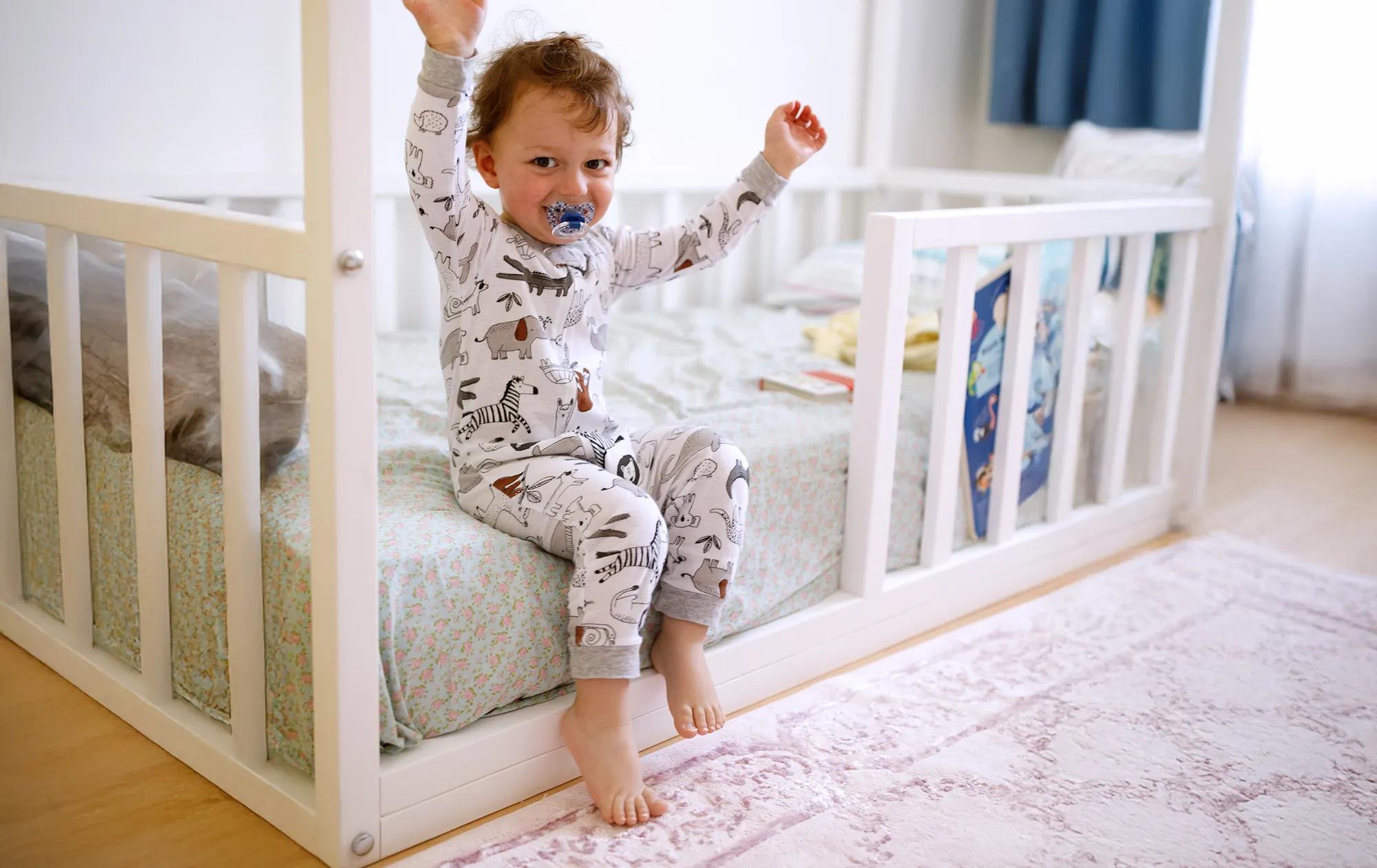
Credit: health.clevelandclinic.org
Expert Recommendations
Experts suggest the right age for a toddler to get their own bed varies. It depends on the child’s readiness and family needs. Understanding expert advice helps parents make the best choice.
Age Guidelines
Most experts say toddlers usually move to their own bed between 18 months and 3 years. This range fits many children’s growth and development stages. Some toddlers may be ready earlier or later. Watch for signs like climbing out of a crib or showing interest in a big bed.
Parental Patience
Patience plays a big role during this change. Toddlers may feel nervous or resist sleeping alone. Parents should support their child with calm and kind words. Rushing the process can cause fear or sleep problems. Give your toddler time to adjust at their own pace.
Consistency Is Key
Keeping a steady bedtime routine helps toddlers adapt faster. Use the same steps every night, like reading a book or singing a song. Consistency makes toddlers feel safe and secure. It also teaches them that bedtime is important and not negotiable.

Credit: www.whattoexpect.com
Frequently Asked Questions
At What Age Should Toddlers Get Their Own Bed?
Toddlers typically transition to their own bed between 18 months and 3 years old. This varies based on their development and readiness. Signs include climbing out of the crib or showing interest in a bigger bed.
How To Know If Toddler Is Ready For Own Bed?
Look for signs like climbing out of the crib, expressing independence, or resisting naps. Safety and comfort are key. When toddlers show interest and physical readiness, it’s a good time to transition.
What Type Of Bed Is Best For A Toddler?
A toddler bed with safety rails is ideal. It’s low to the ground and fits a crib mattress. This helps toddlers feel secure while giving them more space to move.
How Can Parents Ease Toddler’s Transition To Own Bed?
Establish a consistent bedtime routine and involve your toddler in choosing bedding. Use positive reinforcement and stay patient. Gradually introduce the new bed to make the change smooth.
Conclusion
Every toddler grows ready for their own bed at different times. Most start between 18 months and 3 years old. Watch your child’s behavior and comfort to decide the best moment. A smooth transition helps them feel safe and happy.
Patience and gentle encouragement work best. Remember, this step supports their independence and sleep quality. Trust your instincts and your child’s cues for a good change.