Choosing what your toddler should wear to bed might seem simple, but it can make a big difference in their comfort and safety at night. You want your little one to sleep soundly without overheating or feeling too cold.
But with so many options out there, how do you pick the best sleepwear? You’ll discover easy tips to help you choose the perfect bedtime clothes that keep your toddler cozy and secure all night long. Keep reading to learn what really matters when it comes to your child’s sleepwear.

Credit: babymori.com
Choosing The Right Fabric
Choosing the right fabric for your toddler’s sleepwear is very important. The fabric affects comfort and safety throughout the night. Softness, breathability, and allergies must be considered. These factors help your toddler sleep soundly and avoid skin irritation. Let’s explore the best fabric options for your little one’s bedtime.
Breathable Materials
Breathable fabrics keep your toddler cool and dry. Cotton is a top choice because it lets air flow freely. It helps sweat evaporate quickly, preventing overheating. Lightweight cotton blends also work well. These materials reduce night sweating and keep your child comfortable.
Softness And Texture
Soft fabrics feel gentle against sensitive skin. Avoid rough or scratchy materials. Look for smooth cotton or bamboo fabrics. These have a soft texture that soothes your toddler. Soft fabrics reduce the chance of skin irritation and itching. This helps your child relax and fall asleep easier.
Hypoallergenic Options
Hypoallergenic fabrics protect toddlers with sensitive skin or allergies. Organic cotton is often hypoallergenic and free from harmful chemicals. Bamboo fabric also resists bacteria and allergens naturally. Choosing these materials lowers the risk of rashes or allergic reactions. This keeps your toddler safe and comfortable all night.
Credit: babymori.com
Ideal Sleepwear Styles
Choosing the right sleepwear helps your toddler stay comfortable and safe all night. Soft fabrics and easy designs make bedtime peaceful. Sleepwear must suit the season and your child’s needs. Below are popular styles that work well for toddlers.
One-piece Pajamas
One-piece pajamas cover the whole body. They keep toddlers warm and cozy. These pajamas often have zippers or snaps for easy dressing. Made from cotton or fleece, they feel soft on the skin. They prevent little feet from getting cold. Perfect for chilly nights or cooler rooms.
Two-piece Sets
Two-piece sets include a top and pants. These are easy to mix and match. Lightweight cotton sets work great in warmer weather. Toddlers can move freely in these clothes. They also make diaper changes simpler. Choose sets with snug cuffs to keep warmth in.
Sleep Sacks And Wearable Blankets
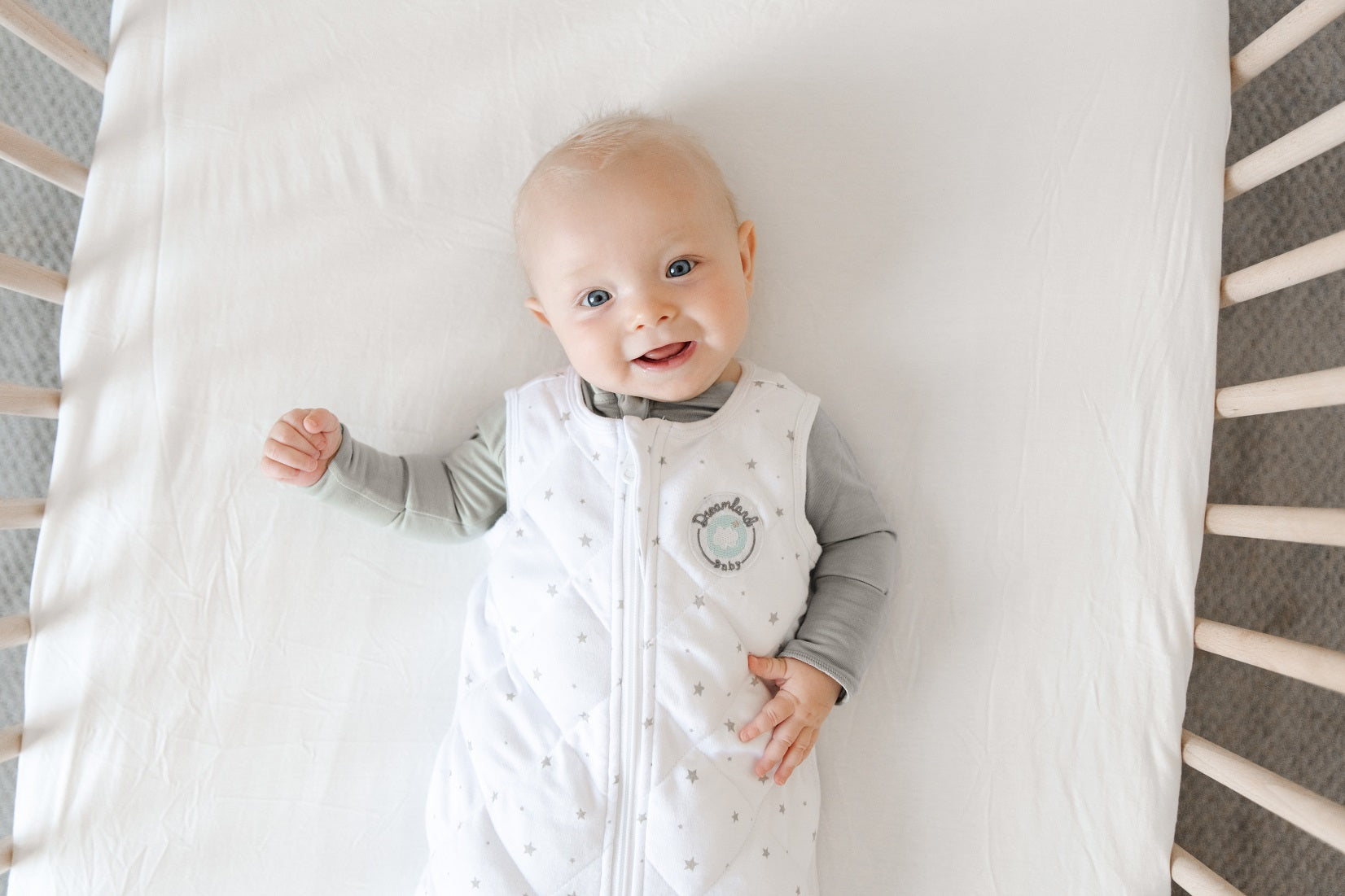
Sleep sacks replace loose blankets in the crib. They keep toddlers safe from covering their faces. These wearable blankets come in different thicknesses. Great for babies who like to kick off covers. Sleep sacks allow easy movement but keep warmth. Ideal for cooler nights without extra bedding.
Temperature Considerations
Choosing the right clothes for your toddler to wear at night depends a lot on temperature. Keeping your child comfortable helps them sleep better. Too hot or too cold can make them restless. Checking the room and outside weather helps decide what to dress them in. Let’s explore how temperature affects bedtime clothing choices.
Seasonal Adjustments
Winter nights call for warmer pajamas. Use thicker fabrics like fleece or flannel. Summer needs lighter clothes such as cotton onesies or short sleeves. Spring and fall may require medium-weight fabrics. Pay attention to how your child reacts to the weather. Change clothes based on the season to keep them cozy.
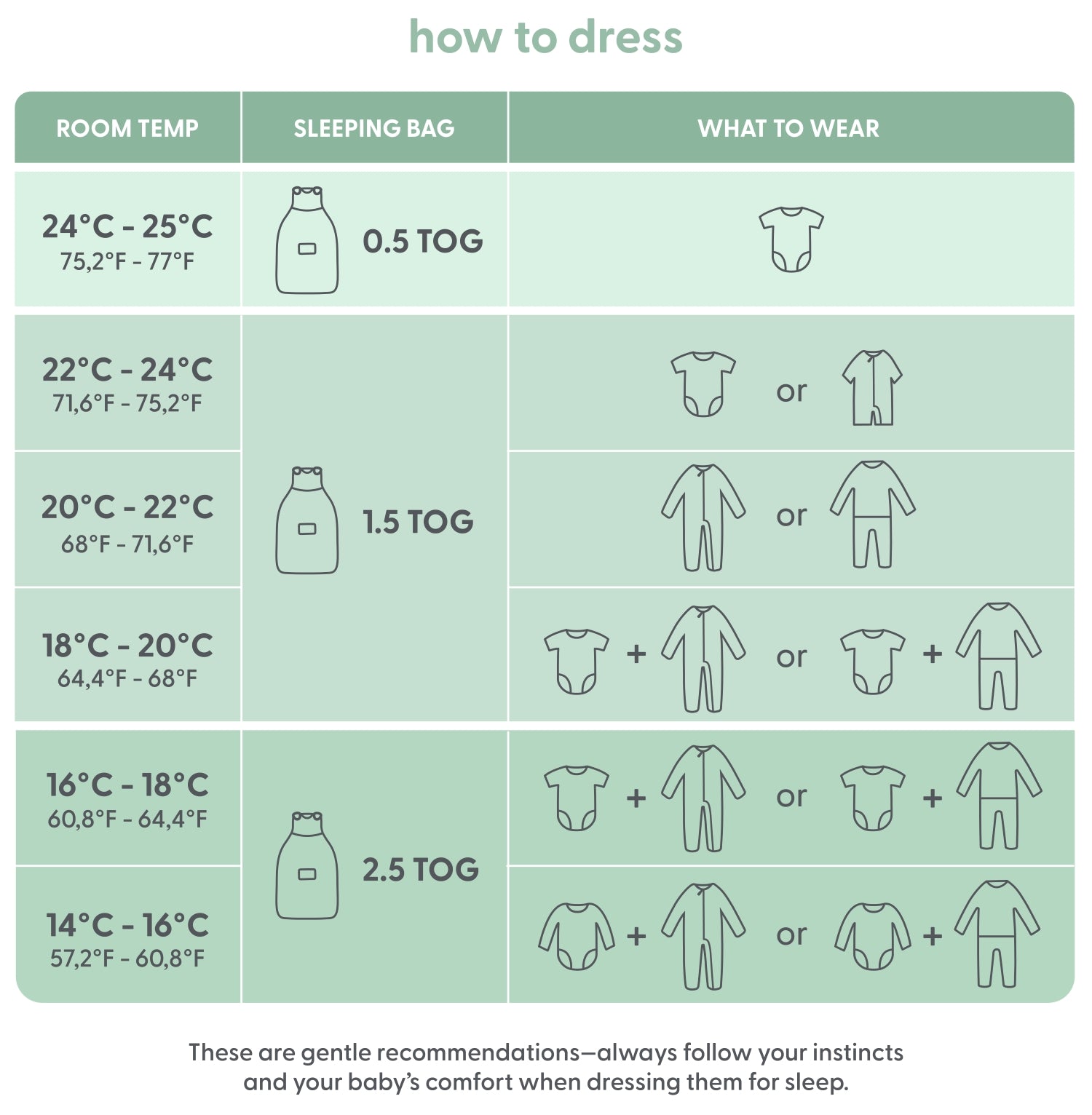
Room Temperature Guidelines
The ideal room temperature for toddlers is between 65 and 70 degrees Fahrenheit. Cooler rooms need warmer pajamas or extra blankets. Warmer rooms need breathable, light clothing. Use a room thermometer to check. Avoid overheating or chilling your child while they sleep. Adjust clothing as the room temperature changes.
Layering Tips
Layering allows easy changes during the night. Start with a soft cotton base layer. Add a warmer layer like a sleep sack or a light blanket if needed. Avoid heavy blankets that can cause overheating. Choose clothes that are easy to take off or put on. Layers help balance comfort without too much heat or cold.
Safety Features To Look For
Choosing safe sleepwear for toddlers is very important. Safety features help protect your child during sleep. These features reduce risks like fire, choking, and discomfort. Parents should know what to check before buying bedtime clothes.
Flame-resistant Fabrics
Sleepwear must be made from flame-resistant fabrics. These fabrics slow down fire spread. They give extra time to react in emergencies. Cotton treated with flame retardants or special synthetic fibers work well. Avoid loose or highly flammable materials. Always check labels for fire safety standards.
Proper Fit And Fastenings
Clothes should fit your toddler well. Too tight or too loose sleepwear can cause problems. Tight clothes may restrict movement and breathing. Loose clothes can catch on objects or slip over the face. Fastenings like zippers and buttons must be safe and secure. Avoid sharp edges or small parts that can come off easily.
Avoiding Choking Hazards
Remove any small decorations on sleepwear. Buttons, beads, or bows may fall off. Toddlers can put these items in their mouths. This creates choking risks. Choose simple designs without loose parts. Check seams and fasteners regularly for loose threads or pieces. Safety is the top priority in bedtime clothing.
Common Mistakes To Avoid
Choosing the right sleepwear for your toddler is important for their comfort and safety. Some common mistakes can make bedtime harder for both of you. Avoiding these errors helps your child sleep better and stay safe through the night.
Overdressing
Putting too many clothes on your toddler can cause overheating. Toddlers cannot always tell you when they are too hot. Overdressing raises body temperature and may disturb their sleep. Dress your child in lightweight, breathable fabrics for a cozy night.
Loose Blankets In Cribs
Loose blankets in cribs are dangerous. They can cover your toddler’s face and block breathing. Instead, use a fitted sleep sack or wearable blanket. This keeps your child warm without the risk of suffocation or entanglement.
Ignoring Sleepwear Labels
Sleepwear labels provide important safety information. Some fabrics are more flammable than others. Always choose sleepwear labeled as flame-resistant or snug-fitting. This reduces fire risks and ensures your toddler’s clothes are safe for bedtime.
Additional Comfort Tips
Choosing the right sleepwear is just one part of helping your toddler sleep well. Comfort goes beyond fabric and style. Small details make a big difference. These tips help your child feel cozy and safe all night.
Moisture-wicking Properties
Sleepwear with moisture-wicking fabric keeps skin dry. It pulls sweat away from the body quickly. This stops the child from feeling hot or sticky. Cotton blends or special synthetic fibers work well. Breathable materials help regulate body temperature too. A dry toddler sleeps more peacefully and wakes up happy.
Easy-to-change Designs
Choose pajamas that are simple to put on and take off. Zippers or snaps make diaper changes fast. Loose-fitting clothes avoid pinching or tight spots. Stretchy fabrics allow freedom of movement. This reduces fuss and helps bedtime routines run smoothly. Easy designs also help toddlers learn to dress themselves.
Maintaining Clean Sleepwear
Clean pajamas prevent skin irritation and allergies. Wash sleepwear regularly with gentle detergent. Avoid strong scents or harsh chemicals. Keep a spare set handy for quick changes. Fresh clothes help your toddler feel fresh and comfortable. Clean sleepwear supports healthy skin and better sleep.
Credit: dreamlandbabyco.com
Frequently Asked Questions
What Fabrics Are Best For Toddler Sleepwear?
Natural fabrics like cotton and bamboo are best for toddler sleepwear. They are soft, breathable, and gentle on sensitive skin. These materials help regulate body temperature and reduce the risk of overheating, ensuring a comfortable and safe night’s sleep for your toddler.
Should Toddlers Wear Pajamas Or Sleep Sacks?
Toddlers can wear either pajamas or sleep sacks, depending on their age and mobility. Sleep sacks are safer for younger toddlers as they reduce loose bedding risks. Older toddlers may prefer pajamas for freedom of movement. Always choose sleepwear suitable for your child’s comfort and safety.
How To Choose The Right Sleepwear Size For Toddlers?
Choose sleepwear that fits snugly but allows movement. Avoid clothes that are too tight or too loose to prevent discomfort or safety hazards. Check size charts and consider your toddler’s height and weight. Proper fit ensures better sleep and reduces risks of accidents.
Can Toddlers Wear Socks To Bed Safely?
Yes, toddlers can wear socks to bed if they keep feet warm. Choose breathable, non-slip socks to prevent overheating and slipping. Avoid thick or tight socks that may restrict circulation. Always ensure socks are clean and comfortable for safe bedtime use.
Conclusion
Choosing the right sleepwear helps your toddler feel safe and cozy. Soft, breathable fabrics keep them comfortable all night. Avoid clothes that are too tight or too loose. Nightwear should fit well and allow easy movement. Keep safety in mind with flame-resistant materials.
A good bedtime outfit supports better sleep and happy mornings. Small details make a big difference in your child’s rest. Trust your instincts and watch what your toddler prefers. Sweet dreams start with the perfect sleepwear choice.