Are you wondering how long your child should sleep in a toddler bed? You’re not alone.
Making the right choice for your little one’s sleep can feel overwhelming. The time your child spends in a toddler bed impacts their comfort, safety, and overall development. You’ll discover clear answers and practical tips to help your child get the best rest possible.
Keep reading to find out exactly how long your toddler should stay in their bed—and when it might be time for a change.
Toddler Bed Transition Age
The toddler bed transition age marks an important step in a child’s growth. Moving from a crib to a toddler bed helps your child gain independence and feel more comfortable during sleep. Parents often ask about the right time to switch. This section explains when and how to know if your child is ready for this change.
Signs Your Child Is Ready
Your child may show several signs that indicate readiness for a toddler bed. Climbing out of the crib is a common signal. This behavior can be dangerous, so switching to a toddler bed is safer. Also, your child might ask to sleep in a “big kid” bed. Showing interest in new sleeping arrangements shows readiness. Another sign is when your child starts to outgrow the crib physically. If the crib feels cramped, a bigger bed is needed. Lastly, regular bedtime resistance or discomfort in the crib can mean it’s time.
Common Age Ranges
Most children move to a toddler bed between 18 months and 3 years. Some switch closer to 2 years old, while others wait until almost 3. Age depends on your child’s development and behavior. Every child is unique, so the right age varies. Parents should watch their child’s cues rather than just the clock. Early or late transitions are both normal and safe with care.
Recommended Sleep Duration
Understanding the right amount of sleep for toddlers is key to their growth and mood. Sleep helps their brain and body develop well. Parents must know how much sleep a child needs in a toddler bed. This helps create good sleep habits early on.
Sleep needs vary by age and depend on both naps and nighttime sleep. Balancing these helps toddlers feel rested and happy. Below are important details about recommended sleep duration for toddlers.
Age-based Sleep Needs
Toddlers aged 1 to 2 years need about 11 to 14 hours of sleep daily. This total includes naps and nighttime rest. By age 3, children usually need 10 to 13 hours of sleep. Sleep time decreases gradually as children grow.
Consistent sleep schedules help toddlers adjust to their new beds. Short naps are common but should not replace enough nighttime sleep. Meeting these sleep hours supports learning and behavior.
Naps Vs. Nighttime Sleep
Naps are important for toddlers but should be balanced with night sleep. Toddlers often take 1 to 2 naps a day. The total nap time usually ranges from 1 to 3 hours.
Nighttime sleep should make up the largest portion of daily rest. A healthy bedtime routine encourages longer, uninterrupted sleep at night. Avoid letting naps go too late in the day to protect night sleep quality.
Safety Tips For Toddler Beds
Choosing the right toddler bed is important for your child’s safety. A safe sleeping space helps your child rest well and avoid accidents. Parents must check key safety features before buying or using a toddler bed. This keeps your child secure and comfortable during sleep.
Bed Rails And Mattress Size
Bed rails stop your child from falling out of bed. Make sure the rails are strong and high enough. Check that the mattress fits the bed frame tightly. A mattress that is too small leaves gaps where your child can get stuck. Too big a mattress can cause the bed rails to not work well. Measure the mattress and frame before buying to ensure a perfect fit.
Room Environment
The room where your toddler sleeps must be safe and calm. Remove sharp or hard objects near the bed. Keep cords and strings out of reach to prevent choking. Make sure the room temperature is comfortable, not too hot or cold. Use soft lighting to help your child feel relaxed. A quiet space helps your child fall asleep faster and stay asleep longer.
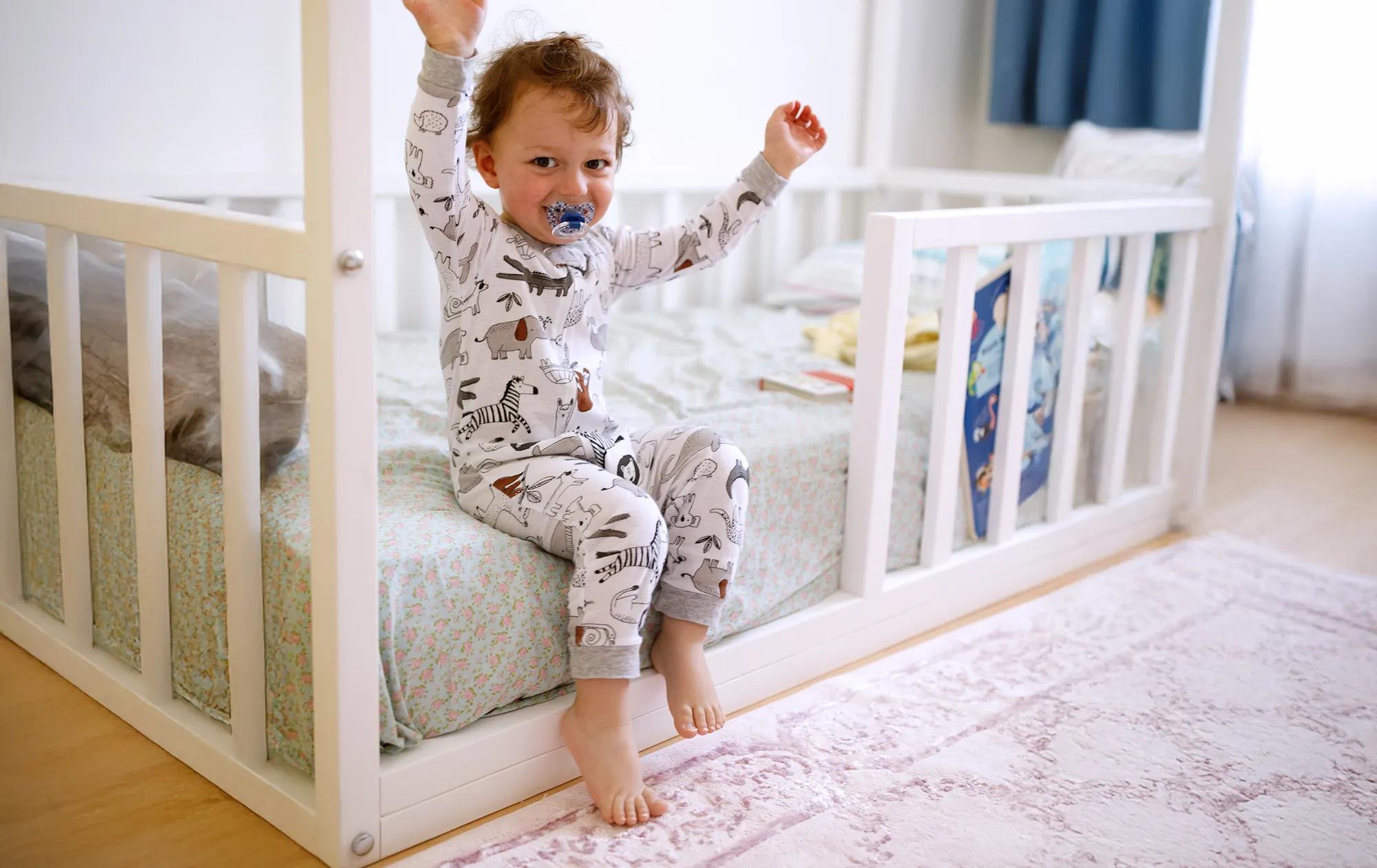
Credit: health.clevelandclinic.org
Sleep Schedule Consistency
Keeping a regular sleep schedule helps toddlers feel safe and rested. Consistency in bedtime and wake-up time supports healthy growth and mood. Toddlers thrive on routine. It guides their body clock and improves sleep quality. Sticking to a sleep schedule reduces fussiness and sleep problems.
Establishing Bedtime Routines
Start a calm routine before bed. It signals to your child that sleep time is near. Activities like reading a book or taking a warm bath work well. Keep the routine short and simple. Do the same steps in the same order every night. This helps your toddler know what to expect. Consistent routines make falling asleep easier and faster.
Handling Night Wakings
Night wakings are normal for toddlers. Stay calm and quiet when your child wakes. Avoid turning on bright lights or playing. Gently comfort your child and remind them it is sleep time. Keep interactions brief and calm. This teaches toddlers to self-soothe and fall back asleep alone. Consistent responses help reduce night wakings over time.
Signs To Move To A Big Kid Bed
Moving a child from a toddler bed to a big kid bed is an important step. It shows growth and readiness for new challenges. Parents often wonder when the right time is to make this change. Several signs help decide if a child is ready. These signs relate to physical growth and behavior.
Physical Growth Indicators
One clear sign is that the toddler bed feels too small. A child’s legs might hang over the edge. They may need more space to stretch out at night. If your child grows taller than the bed’s length, it is time to switch. Also, climbing out of the bed can be risky. This shows the toddler bed no longer fits their size or needs.
Behavioral Readiness
Children ready for a big kid bed show new behaviors. They might ask for a bigger bed themselves. Some kids show more independence and want to do things alone. Staying in bed all night becomes easier. They understand the rules about staying in bed. These behaviors mean the child can handle a bigger bed safely.

Credit: myfirstnursery.co.uk
Expert Recommendations
Experts give clear advice on how long toddlers should sleep in toddler beds. Their guidance helps parents set healthy routines. Understanding these recommendations ensures children get enough rest for growth and learning. Sleep needs change as toddlers grow, so expert tips guide parents through this phase.
Pediatrician Advice
Pediatricians suggest toddlers sleep 11 to 14 hours per day. This total includes naps and nighttime sleep. Most toddlers transition to toddler beds between 18 months and 3 years. Pediatricians stress a consistent bedtime routine to improve sleep quality. They recommend parents watch for signs of readiness before moving a child to a toddler bed. Safety is a key concern; the bed should have guardrails. Pediatricians say avoid rushing the change. Proper sleep duration supports brain development and mood.
Sleep Specialist Tips
Sleep specialists emphasize the importance of a calm, quiet sleep space. They advise keeping the toddler bed in the parent’s room at first. This helps children feel secure and settle faster. Specialists recommend bedtime between 7 and 8 p.m. for toddlers. They suggest limiting screen time and sugar before bed. Experts highlight watching for sleep problems like frequent waking. If issues arise, specialists advise consulting a pediatric sleep expert. Proper sleep helps toddlers stay alert and active during the day.

Credit: raisingchildren.net.au
Frequently Asked Questions
How Many Hours Should A Toddler Sleep In A Bed?
Toddlers typically need 11 to 14 hours of sleep daily, including naps. Nighttime sleep usually ranges from 10 to 12 hours. Consistent sleep schedules help ensure they get enough rest in a toddler bed.
When Is The Right Age To Switch To A Toddler Bed?
Most children transition to a toddler bed between 18 months and 3 years old. This change aligns with their growth and readiness to leave a crib safely. Watch for signs like climbing out of the crib.
How Long Do Toddlers Usually Stay In A Toddler Bed?
Toddlers generally use a toddler bed for 1 to 3 years. They switch to a regular bed around ages 5 to 7, depending on size and comfort. Each child’s development pace influences this transition.
What Are Signs My Child Is Ready To Leave The Toddler Bed?
Signs include climbing out of the toddler bed, showing interest in a bigger bed, or outgrowing the toddler mattress. Safety and comfort are key indicators for moving on to a regular bed.
Conclusion
Choosing the right sleep time helps toddlers feel safe and rested. Most toddlers need about 10 to 13 hours of sleep daily. This includes naps and nighttime rest. Watch your child’s behavior to know if they need more or less sleep.
A consistent bedtime routine supports healthy sleep habits. Remember, every child is different and may change over time. Keep sleep times steady for better growth and mood. Good sleep in a toddler bed builds a strong foundation for the future.