If you’ve ever been kept awake by a creaky bunk bed, you know how frustrating those squeaks can be. Designing a bunk bed that doesn’t squeak is easier than you might think—and it can make a huge difference for your comfort and peace of mind.
In this guide, you’ll discover simple, effective tips to build a sturdy, quiet bunk bed that lasts. Keep reading, and you’ll learn how to say goodbye to those annoying noises for good.

Credit: www.amazon.com
Choosing The Right Materials
Choosing the right materials is key to building a bunk bed that stays quiet. The materials affect the bed’s strength, durability, and noise level. Picking sturdy and well-made parts reduces creaks and squeaks. Focus on the frame and hardware to keep the bed stable and silent.
Solid Wood Vs. Metal Frames
Solid wood frames offer natural strength and a classic look. They absorb sound better, so fewer noises happen when moving. Good wood types include oak, maple, and pine. Metal frames are lighter and often cheaper. They can make more noise if not fitted tightly. Some metal beds use rubber or plastic joints to cut down on squeaks.
Quality Hardware Selection
Hardware holds the bed parts together and affects noise. Use strong screws, bolts, and brackets made from steel or brass. Avoid nails or cheap fasteners that loosen over time. Tighten all hardware regularly to stop movement. Washers and lock nuts help keep screws firm and quiet.
Impact Of Material On Noise
Materials that flex or rub cause most noise. Wood joints that fit snugly create less sound. Metal parts can clang or rattle if loose. Soft pads or felt between metal and wood reduce noise. A well-built bunk bed with good materials means a peaceful sleep space.
Designing For Stability
Designing a bunk bed that does not squeak starts with ensuring strong stability. A solid frame prevents movement and noise. Every part must fit tightly and support weight well. Stability helps keep the bed safe and quiet. Focus on key areas to build a steady bunk bed.
Reinforced Joints
Joints hold the bed parts together. Use extra screws or metal brackets to strengthen them. Tighten all bolts firmly to stop wiggling. Reinforced joints reduce shaking and noise. Choose quality wood or metal that resists bending at connection points.
Balanced Weight Distribution
Spread the weight evenly across the bed frame. Avoid placing heavy items on one side. Use support beams under the mattress to share the load. Balanced weight keeps the bed steady and stops it from creaking. Check that all legs rest firmly on the floor.
Secure Ladder Attachment
The ladder must attach tightly to the bunk bed. Use strong bolts or screws for fixing. A loose ladder causes noise and safety risks. Test the ladder by pulling and pushing gently. Secure attachment adds to the bed’s overall stability.
Noise-reducing Techniques
Noise in a bunk bed can disturb sleep and cause frustration. Reducing squeaks requires simple, effective techniques. These noise-reducing methods focus on limiting movement and friction in key areas. Follow these tips to keep your bunk bed quiet and stable.
Using Rubber Or Felt Pads
Rubber or felt pads act as cushions between wooden or metal parts. Place them where parts touch or rub. This padding absorbs shock and stops noise. Pads also prevent wear and tear from constant movement. They are easy to install and inexpensive. Use pads on bed joints, slats, and ladder steps.
Applying Lubricants To Moving Parts
Lubricants reduce friction between moving components. Use a silicone spray or a dry lubricant for best results. Avoid oil-based lubricants as they attract dust and dirt. Apply lubricant on screws, bolts, and metal joints. This keeps parts moving smoothly and quietly. Regular lubrication prevents squeaks from returning.
Tightening And Maintenance Tips
Loose screws and bolts cause most bunk bed noises. Check all fasteners regularly and tighten them firmly. Use a screwdriver or wrench to secure every joint. Replace any damaged or worn parts immediately. Regular maintenance keeps the bed stable and silent. A well-maintained bunk bed lasts longer and stays quiet.

Credit: www.overstock.com
Assembly Best Practices
Building a bunk bed that does not squeak starts with careful assembly. Good assembly practices ensure the bed is stable and quiet. This section covers easy steps and tips to follow. Clear instructions reduce mistakes and keep the bed strong. Tight connections help stop noise and improve safety.
Step-by-step Construction Tips
Start by laying out all parts and tools. Check the instruction manual closely before beginning. Assemble the frame first, making sure each piece fits well. Use a level to keep parts straight. Tighten bolts little by little, not all at once. Add slats and guardrails after the main frame is stable. Test the bed gently as you build to catch problems early.
Avoiding Common Assembly Mistakes
Do not skip any steps in the instructions. Avoid using wrong screws or bolts; use only those provided. Do not overtighten screws; this can crack the wood. Avoid loose bolts; they cause the bed to creak. Keep parts clean and free of dust before assembly. Do not rush; take your time for better results.
Ensuring Tight Connections
Use a wrench or screwdriver to secure all bolts firmly. Check each connection twice before moving on. Tighten bolts evenly to avoid stress on one side. Add washers if needed to keep bolts tight. Periodically recheck bolts after a few days of use. Tight connections keep the bed solid and quiet for years.
Testing For Squeaks
Testing for squeaks is an essential step when designing a bunk bed. It helps ensure the bed stays quiet and safe over time. Early detection of noises can prevent annoying sounds later. Testing involves finding the noise, adjusting parts, and regular checks. This process keeps the bed sturdy and comfortable for users. Follow these steps to test your bunk bed for squeaks effectively.
Identifying Noise Sources
Begin by listening closely to the bed. Press and move different parts gently. Common noise spots include joints, screws, and slats. Focus on areas where wood or metal pieces meet. Notice any creaks or clicks. Mark these spots for further inspection. Identifying the exact source helps in fixing the problem quickly.
Adjusting Components
Once noise sources are clear, tighten loose screws and bolts. Use a screwdriver or wrench for this task. Check if any parts rub against each other. Add felt pads or rubber washers between these components. These small changes reduce friction and stop squeaks. Replace damaged or worn parts to improve stability.
Regular Inspection Routines
Set a schedule to check the bunk bed often. Inspect screws, joints, and support beams regularly. Look for wear or damage early. Tighten any loose parts right away. Cleaning dust and debris also helps prevent noise. Regular care extends the bed’s life and comfort.
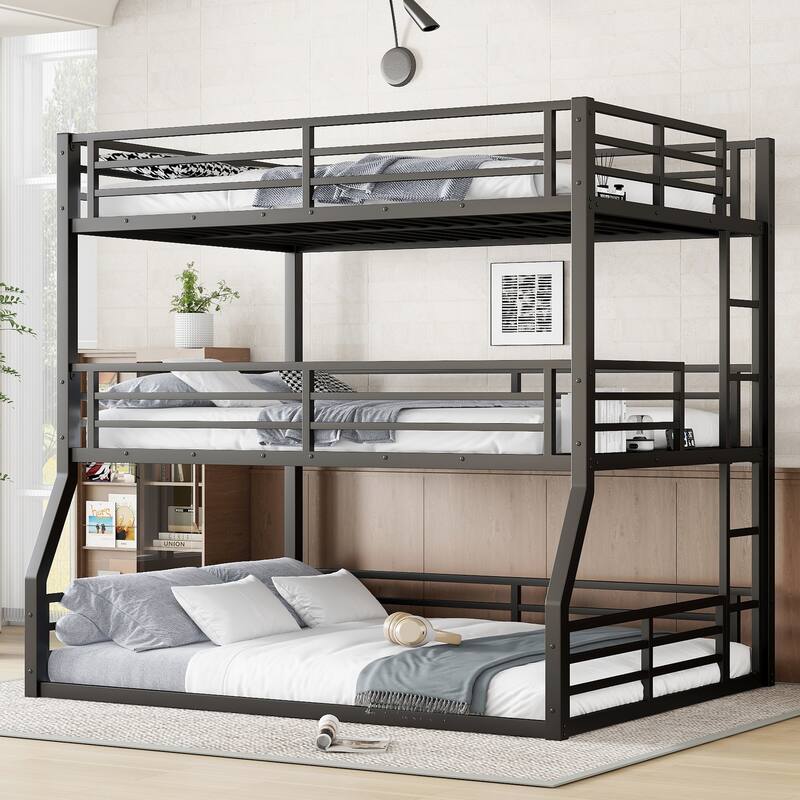
Credit: www.overstock.com
Frequently Asked Questions
How Can I Prevent Bunk Bed Squeaking Effectively?
To prevent bunk bed squeaking, tighten all bolts and screws regularly. Use lubricant like wax or silicone spray on joints. Ensure the bed frame is sturdy and fits well. Proper mattress size also reduces movement and noise.
What Materials Reduce Bunk Bed Noise The Most?
Solid hardwood and metal frames with tight joints reduce noise. Avoid cheap particleboard, which often creaks. Using rubber or felt pads between joints cushions friction and minimizes squeaks effectively.
Why Does My Bunk Bed Squeak When I Move?
Squeaking usually comes from loose joints or friction between wooden parts. Movement causes parts to rub together, creating noise. Tightening screws and applying lubricant can fix this issue.
How Often Should I Maintain My Bunk Bed To Avoid Squeaks?
Regular maintenance every 3-6 months is ideal. Check and tighten bolts, inspect joints, and apply lubricant if needed. Consistent care keeps the bed stable and squeak-free.
Conclusion
Designing a bunk bed that doesn’t squeak is all about careful choices. Use strong materials and tight screws. Add pads or glue to stop wood rubbing. Regular checks keep the bed quiet and safe. A well-made bunk bed lasts longer and feels better.
Enjoy a peaceful night without annoying noises. Simple steps make a big difference. Start building with these tips in mind. Your kids will love their quiet, comfy bed.