When winter nights get chilly, you want your toddler to stay warm and cozy all night long. But what exactly should your little one wear to bed to keep comfortable without overheating?
Choosing the right sleepwear can be tricky—you want to protect your child from the cold while making sure they sleep safely and soundly. You’ll discover simple, effective tips to help you pick the best winter bedtime clothes for your toddler.
Keep reading to find out how to create the perfect sleep setup that keeps your child snug and happy through the coldest nights.

Credit: www.woolino.com
Choosing Warm Fabrics
Choosing warm fabrics for your toddler’s winter sleepwear is very important. The right fabric keeps your child cozy and safe all night long. It helps protect against cold air without causing discomfort. Warm fabrics also allow your toddler to move freely and sleep peacefully.
Not all fabrics work well in winter. Some trap heat and cause sweating. Others may feel rough on your toddler’s skin. Picking soft, warm, and breathable fabrics is the key to a good night’s sleep during cold months.
Best Materials For Winter Sleepwear
Cotton is a popular choice for winter pajamas. It is soft and gentle on sensitive skin. Cotton absorbs moisture and keeps your toddler dry. Fleece is another warm option. It traps heat and feels cozy against the skin. Wool is excellent for very cold nights. It provides natural insulation and stays warm even if damp. Bamboo fabric also works well. It is soft, warm, and eco-friendly. Choosing these materials helps keep your toddler warm and comfortable.
Avoiding Overheating With Breathable Fabrics
Warmth is important, but overheating can be dangerous. Breathable fabrics allow air to flow and prevent sweating. Cotton and bamboo are breathable and help regulate body temperature. Avoid synthetic fabrics that trap heat and cause discomfort. Loose-fitting pajamas improve air circulation. Check your toddler’s neck and back for sweat during the night. Keep layers light and easy to remove if needed. This balance helps your toddler stay warm without getting too hot.
Layering For Comfort
Layering sleepwear is a smart way to keep your toddler warm and cozy during cold winter nights. It allows you to add or remove clothes based on the room temperature. This helps your child stay comfortable without getting too hot or too cold. Choosing the right layers and materials is important to ensure safety and ease of movement for your toddler.
How To Layer Sleepwear Safely
Start with a soft, breathable base layer. Cotton pajamas work well to keep moisture away from the skin. Add a warm middle layer, such as a fleece or wool top, for insulation. Avoid heavy or bulky layers that can restrict movement. Make sure clothes fit properly to prevent overheating. Check your toddler regularly to adjust layers if needed. Avoid loose blankets in the crib to reduce risk of suffocation.
Using Sleep Sacks And Swaddles
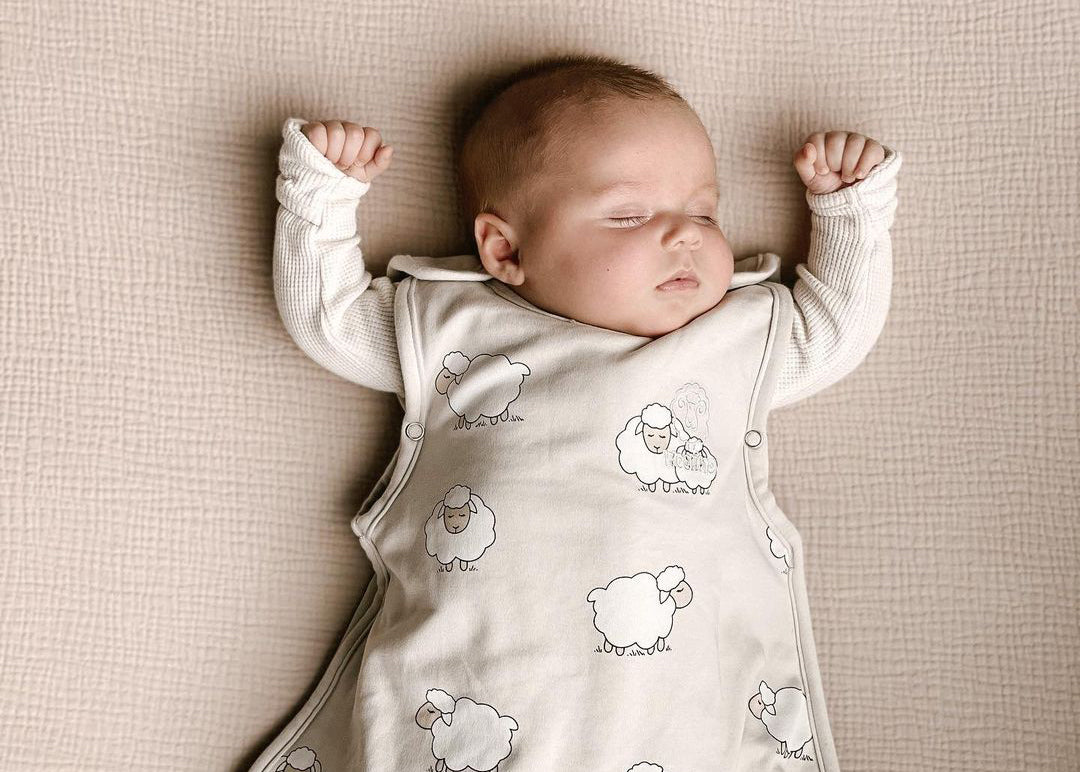
Sleep sacks provide warmth without loose bedding. Choose a sleep sack that suits your toddler’s size and the room temperature. Use lightweight sacks for milder nights and thicker ones for colder nights. Swaddles can help younger toddlers feel secure but use them only until your child can roll over. Always follow safety guidelines when using swaddles or sleep sacks. These items keep your toddler warm and safe during winter sleep.
Safe Sleepwear Features
Choosing safe sleepwear for your toddler is very important, especially in winter. The right clothes keep them warm and protect them from risks. Sleepwear should fit well and be made from safe materials. This helps your child sleep soundly through the cold nights.
Parents should know about key features that make sleepwear safe. These features include fabric type, fit, and the absence of harmful chemicals. Safe sleepwear reduces hazards like fire risk and skin irritation. Let’s explore two important aspects of safe sleepwear for toddlers.
Flame-resistant Vs. Tight-fitting Clothes
Flame-resistant sleepwear is treated with special chemicals. It can slow down fire spread if clothes catch fire. This type is good for loose-fitting pajamas. Tight-fitting clothes do not need flame-resistant treatment. They fit snugly, reducing fire risk by staying close to the skin. Both types have safety benefits. Choose based on your child’s comfort and local safety rules.
Checking For Allergens And Irritants
Some fabrics cause allergies or skin irritation. Check sleepwear labels for materials like wool or synthetic fibers. Cotton is gentle and often the best choice. Avoid clothes with strong dyes or fragrances. Wash new sleepwear before your toddler wears it. This removes chemicals that may cause irritation. Safe sleepwear keeps your child comfortable and rash-free.
Credit: www.woolino.com
Room Temperature Tips
Keeping your toddler comfortable at night in winter means paying close attention to room temperature. A well-regulated room helps your child sleep soundly and stay healthy. Let’s explore some simple tips to create the perfect sleep environment for your little one.
Ideal Bedroom Temperature For Toddlers
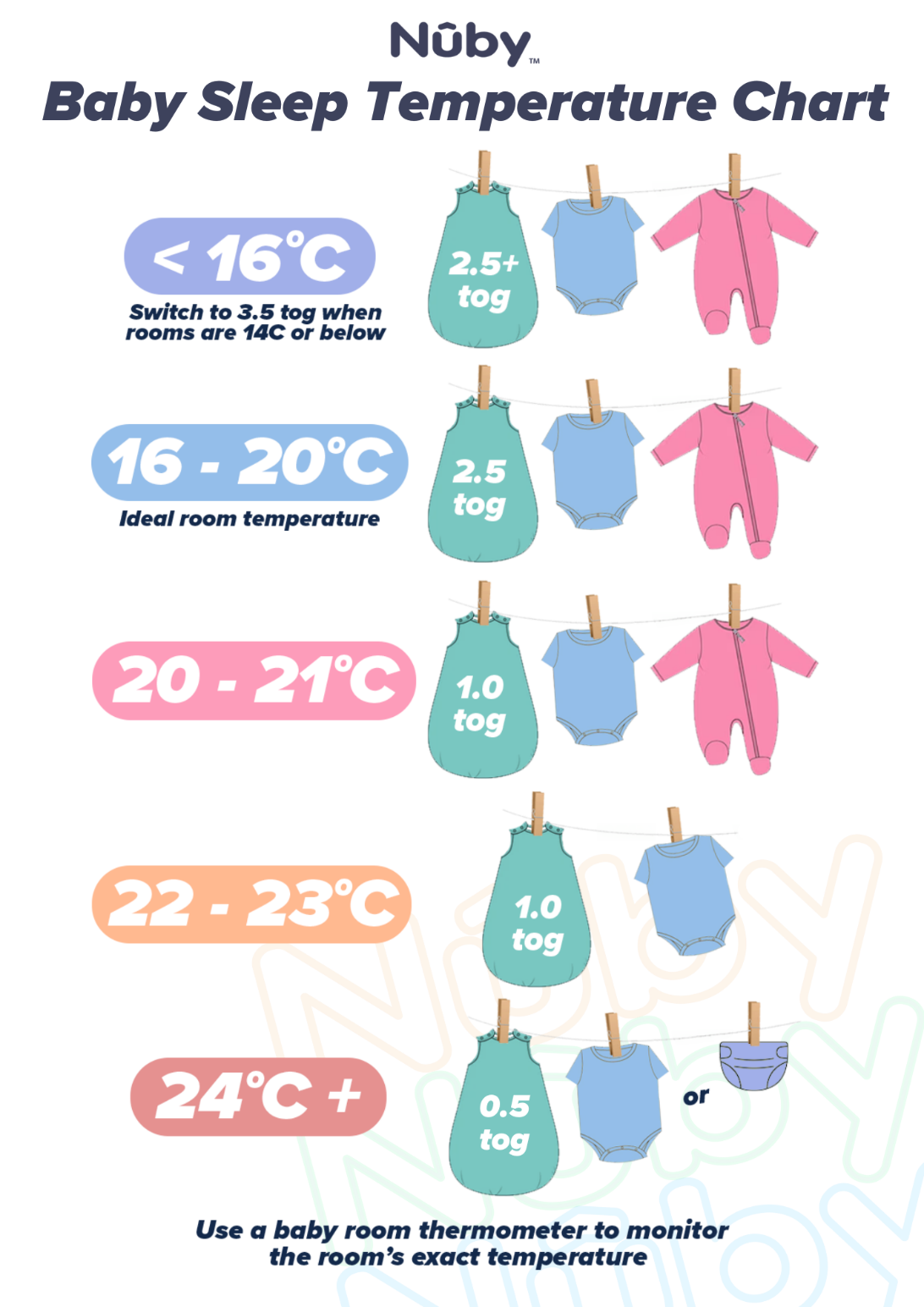
The best room temperature for toddlers is between 65 and 70 degrees Fahrenheit. This range keeps the room warm enough without making it too hot. Overheating can cause discomfort and increase the risk of illness. Use a thermometer to check the room regularly. Adjust blankets and sleepwear based on how warm the room feels.
Using Humidifiers And Heaters Safely
Humidifiers add moisture to dry winter air, easing breathing and preventing dry skin. Place them away from your toddler’s bed to avoid wet spots or mold. Keep heaters at a safe distance to prevent burns. Choose models with automatic shut-off features. Never leave heaters or humidifiers running unattended during the night.
Footwear And Accessories
Keeping your toddler warm at night is important in winter. Footwear and accessories help protect little feet and hands. Choosing the right items can keep your child cozy and comfortable all night long.
Choosing Warm Socks And Booties
Socks are the first layer of warmth for tiny feet. Pick socks made from soft, breathable materials like cotton or wool. Wool socks keep feet warm even if they get a bit damp. Avoid thick socks that feel tight. Tight socks can stop blood flow and make feet cold.
Booties add an extra layer of warmth. Choose booties with a soft lining and a secure fit. Look for ones with non-slip soles for safety if your toddler moves at night. Make sure booties are not too tight or bulky to avoid discomfort.
When To Use Hats Or Mittens At Night
Hats help keep heat from escaping through your toddler’s head. Use a soft, lightweight hat if your home is very cold. Avoid thick or tight hats that can cause sweating or discomfort.
Mittens are good for toddlers who get cold hands easily. Choose mittens made from soft, breathable fabric. Do not use mittens if your child tends to pull them off or chew on them. Keep your toddler’s hands uncovered if the room is warm enough.
Credit: uk.nuby.com
Monitoring Your Toddler’s Comfort
Monitoring your toddler’s comfort during winter nights is very important. Toddlers cannot always tell you if they feel too hot or cold. Parents need to watch closely and act fast. Comfort affects their sleep quality and health. Small changes in sleepwear can make a big difference.
Signs Of Overheating Or Chilling
Check your toddler’s neck or back to feel their skin. Sweaty or hot skin shows overheating. Red cheeks or a fast heartbeat also mean they are too warm. Cold hands, feet, or a pale face show chilling. Shivering or restlessness can mean your toddler is too cold. Watch for these signs often during the night.
Adjusting Sleepwear Through The Night
Layering helps adjust to changing temperatures. Use pajamas with removable layers. Take off or add a layer based on your toddler’s comfort. Keep a soft blanket nearby, but do not cover their face. Change sleepwear if it becomes damp from sweat. Adjustments keep your toddler cozy and safe all night.
Frequently Asked Questions
What Are The Best Fabrics For Toddler Winter Sleepwear?
Choose soft, breathable fabrics like cotton or bamboo. These materials keep toddlers warm without overheating. Avoid synthetic fabrics that trap moisture and cause discomfort. Layering with cozy fleece pajamas can add extra warmth safely during cold nights.
Should Toddlers Wear Hats Or Socks To Bed In Winter?
Generally, hats are not needed indoors as they can cause overheating. Socks are helpful if your toddler’s feet get cold. Use snug, breathable socks to maintain warmth. Always check your child’s comfort and room temperature to avoid overheating risks.
How Many Layers Should Toddlers Wear To Bed In Winter?
One to two layers are usually sufficient for toddlers. Start with a cotton onesie or pajamas, then add a warm sleep sack or blanket if needed. Avoid bulky layers that can restrict movement or cause overheating during sleep.
Is It Safe To Use Blankets With Toddlers In Winter?
Use lightweight, breathable blankets only if your toddler moves freely at night. Heavy blankets increase the risk of suffocation or overheating. Consider wearable blankets or sleep sacks designed for safe warmth and comfort during winter nights.
Conclusion
Choosing the right sleepwear keeps your toddler warm and safe. Soft fabrics and proper layers help prevent chills at night. Avoid clothes that are too tight or heavy for comfort. Remember to check the room temperature before bedtime. A cozy, breathable outfit helps your child sleep soundly.
Small changes can make a big difference in comfort. Keep your toddler snug and happy through cold winter nights. Simple care leads to peaceful, restful sleep every night.