Are you trying to find the perfect size for the bottom bunk bed? Knowing the right dimensions can make a huge difference in comfort and space.
Whether you’re setting up a cozy room for your kids or looking to maximize a small area, understanding the size of the bottom bunk bed is key. Keep reading, and you’ll discover everything you need to choose the ideal bed that fits your space and meets your needs perfectly.
Credit: www.amazon.com
Common Bottom Bunk Sizes
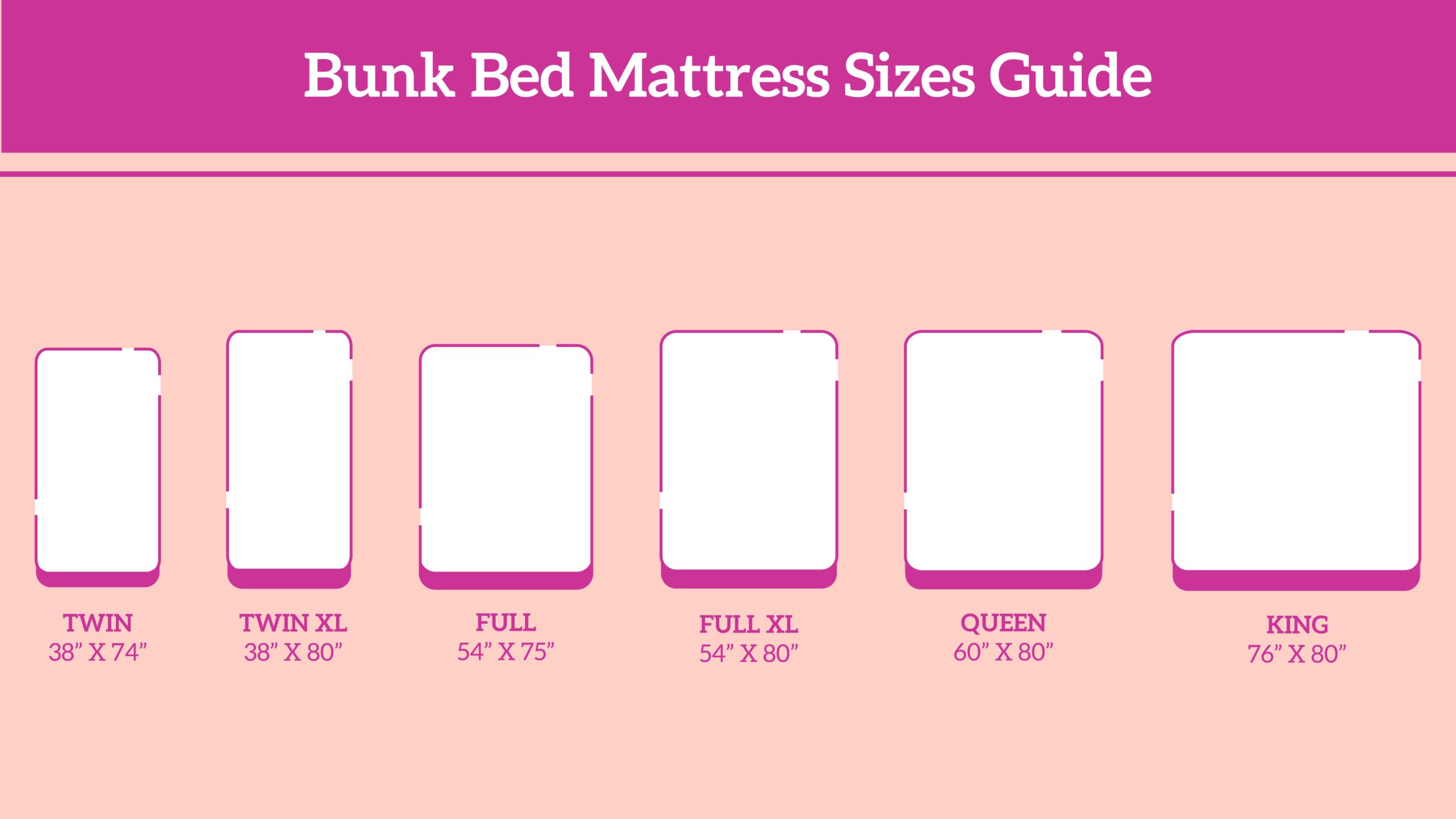
Bottom bunk beds come in several common sizes to fit different room spaces and needs. Choosing the right size is important for comfort and safety. Understanding these sizes helps pick the best bed for your space. Here are the typical bottom bunk sizes you will find.
Twin Size Dimensions
Twin size is the most common bottom bunk size. It measures about 39 inches wide and 75 inches long. This size fits most children and small adults comfortably. Twin bunk beds work well in smaller rooms or shared spaces. They offer enough room without taking too much floor space.
Full Size Options
Full size bottom bunks are wider than twin beds. They usually measure 54 inches wide and 75 inches long. This size suits larger kids or adults who want more sleeping space. Full bunk beds need more room but provide extra comfort. They are ideal for guest rooms or bigger bedrooms.
Custom Sizes Explained
Some bottom bunk beds come in custom sizes. These sizes vary to fit unique room shapes or special needs. Custom bunks may be shorter, longer, or wider than standard sizes. They allow more flexibility but may cost more. Custom beds ensure a perfect fit in tight or unusual spaces.
Measuring Your Space
Measuring your space is the first step to find the right bottom bunk bed size. This helps you avoid buying a bed that is too big or too small. Take your time to measure carefully. Check every part of the room where the bed will go. Accurate measurements make your room look neat and comfortable.
Room Dimensions To Consider
Start by measuring the length and width of the room. Note any doors, windows, or closets near the bed area. These can limit bed placement. Measure the floor space where the bottom bunk will fit. Write down these numbers. This helps you pick a bed size that fits well without crowding.
Height And Clearance Needs
Measure the room height from floor to ceiling. Leave enough space above the bottom bunk for sitting up comfortably. Also, check the distance between the bottom and top bunks. This space must be tall enough to prevent bumping heads. Proper height ensures safe and comfortable use of the bunk bed.
Allowing For Extra Storage
Think about extra storage space under or around the bottom bunk. Measure the room area for drawers or storage boxes. This space keeps the room tidy and organized. Plan for walking space near the bed too. Extra storage helps maximize small rooms and keeps things easy to reach.
Choosing The Right Mattress
Choosing the right mattress for the bottom bunk bed affects comfort and safety. The mattress size must fit perfectly to avoid gaps or overhangs. A mattress that is too thick or too thin can cause problems. Understanding mattress thickness, materials, and safety helps make the best choice.
Mattress Thickness Matters
The mattress thickness for the bottom bunk should be just right. Too thick, and the bunk’s safety rails may not work well. Too thin, and it can feel uncomfortable to sleep on. Usually, a mattress between 6 to 8 inches thick fits well. This thickness provides good support and keeps the sleeper safe.
Material Types And Comfort
Mattresses come in many materials like foam, spring, and latex. Foam mattresses are soft and light, easy to move. Spring mattresses offer firm support but can be heavy. Latex mattresses are durable and good for people with allergies. Choose a mattress that feels comfortable and supports the body well.
Safety Standards For Bunk Mattresses
Safety is key for bunk bed mattresses. Always pick mattresses that meet safety rules. The mattress should fit snugly within the bed frame. Fire-resistant materials are often required by law. Check for certifications like CertiPUR-US to ensure safety. A mattress that meets these rules helps protect sleepers from injuries.
Credit: www.homedepot.com
Fitting Bottom Bunks In Various Rooms
Bottom bunk beds come in different sizes to fit various spaces. Choosing the right size helps save room and keeps the area comfortable. It is important to match the bed size with the room’s size and purpose.
Many rooms can fit a bottom bunk bed if measured carefully. Knowing where to place the bed makes the room look neat and spacious. The size also affects how much other furniture can fit in the room.
Kids’ Bedrooms
Kids’ bedrooms often have limited space. A twin or full-size bottom bunk fits well here. These sizes provide enough room for children to sleep and play. The bed size should allow space for toys and study desks. Choosing a compact bottom bunk keeps the room organized.
Guest Rooms
Guest rooms need beds that suit different visitors. A full-size bottom bunk works best for adults and children. It offers enough sleeping space without crowding the room. The bed size should leave room for luggage and seating. A well-sized bottom bunk makes guests feel welcome.
Small Apartments And Dorms
Small apartments and dorms have tight spaces. A twin-size bottom bunk is the ideal choice here. It fits into corners and leaves space for other furniture. The bed size helps maximize floor space for daily activities. Small beds make small rooms feel bigger and less crowded.
Tips For Perfect Fit
Getting the right size for the bottom bunk bed is key. A perfect fit keeps the bed safe and comfy. It stops problems like mattress slipping or space issues. Use these tips to find the best size and fit for your bottom bunk.
Measuring Twice, Buying Once
Measure the space carefully before buying. Check the length, width, and height of the bottom bunk frame. Measure more than once to avoid mistakes. Write down the numbers and compare them with mattress sizes. This saves time and money.
Adjustable Bunk Bed Frames
Some bunk beds come with adjustable frames. These frames let you change the size a little. This helps fit different mattress sizes easily. Adjustable frames add flexibility and make future changes simple.
Maximizing Comfort And Safety
Choose a mattress that fits snugly in the bottom bunk. Avoid gaps to keep safety high. Use firm mattresses for good support. Add guardrails for extra protection. Proper fit makes sleep safe and comfortable.
Credit: eachnight.com
Frequently Asked Questions
What Is The Standard Size Of A Bottom Bunk Bed?
The standard bottom bunk bed size is usually a twin mattress, measuring 39 by 75 inches. Some models offer full or double sizes for more space. Always check specific bed dimensions before buying.
Can Bottom Bunk Beds Fit A Full-size Mattress?
Yes, many bottom bunk beds can fit a full-size mattress, which is 54 by 75 inches. This size offers more sleeping space. Confirm the frame’s compatibility before purchasing.
Are Bottom Bunk Beds Suitable For Adults?
Bottom bunk beds can suit adults if they are full-size or larger. Twin sizes may feel cramped for adults. Weight limits and mattress support also matter for comfort and safety.
How To Measure The Bottom Bunk Bed Space?
Measure the inside length and width of the bunk frame. Compare these to mattress sizes to ensure a proper fit. Always consider mattress thickness for clearance and safety.
Conclusion
Choosing the right bottom bunk bed size matters for comfort and space. Twin size is common and fits most rooms well. Full size offers more sleeping space but needs a larger room. Always measure your room before buying. This ensures the bed fits perfectly.
Remember, a well-sized bottom bunk makes rest better. Keep these points in mind when deciding. Your choice will help create a cozy, functional bedroom. Simple steps lead to smart decisions.