Are you ready to create a cozy and fun space for your little one? Building a toddler size bunk bed can be a smart way to save room while giving your child a special place to sleep and play.
Imagine how excited your toddler will be to climb into their own custom bed designed just for them. In this guide, you’ll discover simple steps and handy tips to build a safe, sturdy, and perfect bunk bed for your child.
Keep reading, and you’ll learn exactly how to turn your idea into a delightful reality that both you and your toddler will love.
Choosing The Right Materials
Choosing the right materials is key to building a safe and sturdy toddler size bunk bed. Good materials ensure durability and protect your child’s health. It also helps make the bed strong enough for daily use. Selecting the best wood and finishes keeps the bunk bed safe and attractive.
Selecting Safe Wood Types
Choose wood that is strong and free from harmful chemicals. Pine, oak, and maple are popular choices for bunk beds. These woods are sturdy and smooth, reducing splinters. Avoid softwoods that can crack easily. Make sure the wood is untreated or naturally dried. This prevents harmful toxins from affecting your child.
Picking Non-toxic Paints And Finishes
Paints and finishes protect the wood and add color. Use water-based, non-toxic paints made for children’s furniture. These paints do not release harmful fumes. Choose finishes that are low in volatile organic compounds (VOCs). These finishes keep the air safe and clean. Always test a small area to check for allergies or reactions.

Credit: www.etsy.com
Designing The Toddler Bunk Bed
Designing a toddler bunk bed takes careful thought and planning. The bed must fit small children comfortably and keep them safe. Every detail matters for a good design. This section covers key points to help you create a practical and secure bunk bed for toddlers.
Start with the right size and then add safety features. Both parts ensure the bed suits toddlers well and protects them during sleep and play.
Determining Appropriate Dimensions
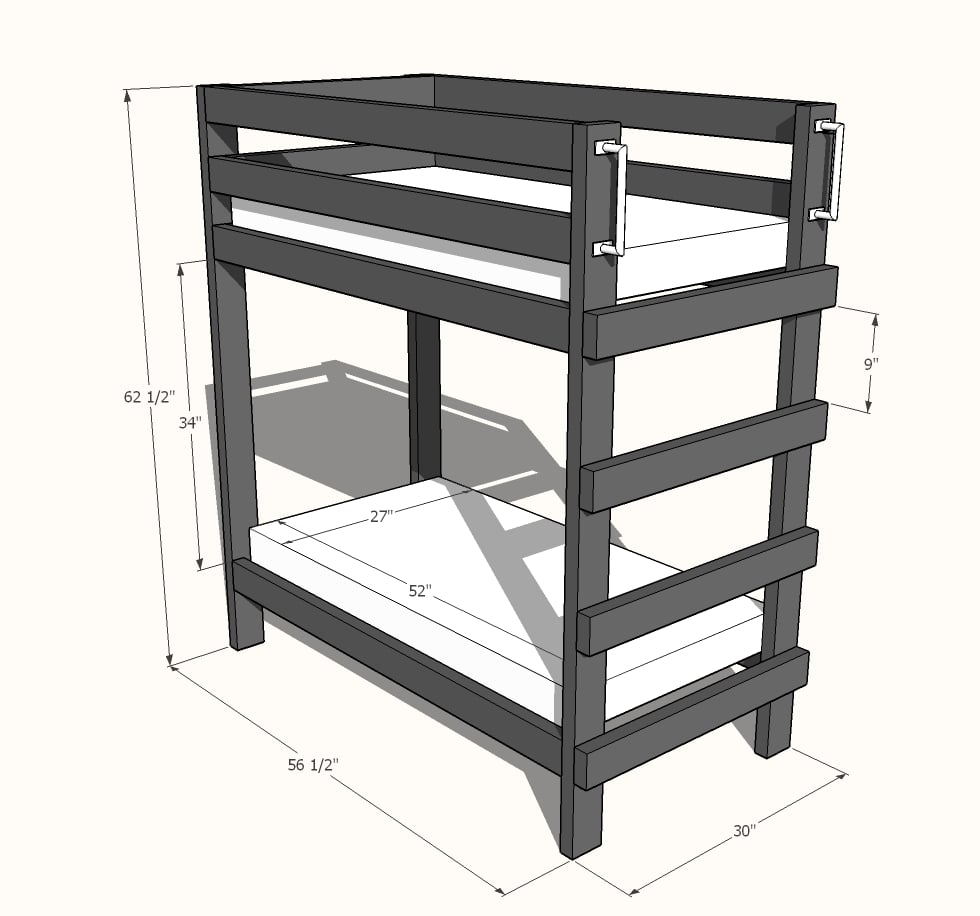
Measure your toddler’s mattress first. Toddler mattresses usually measure 28 by 52 inches. Make the bed frame slightly bigger to fit the mattress well. Leave enough space around the mattress for easy tucking of sheets and blankets.
Set the height of the top bunk low. Toddlers need less height to avoid falls. The lower bunk should also have enough headroom for sitting up comfortably. Keep the overall height under 5 feet for safety and room fit.
Consider the room size too. Make sure the bunk bed fits without crowding the space. Allow room for easy movement and access to the bed.
Planning For Safety Features
Install guardrails on all sides of the top bunk. The rails must be tall enough to stop a toddler from rolling out. Leave no gaps where a child’s head or body could get stuck.
Use smooth, rounded edges on all parts of the bed. Sharp corners can cause injury. Sand wood well and avoid splinters.
Add a sturdy ladder with wide steps. Ensure the ladder is easy to climb and firmly attached to the bed. Check that the ladder angle is safe and stable.
Choose non-toxic paints and finishes. Toddlers often touch and sometimes chew furniture. Safe materials protect their health.
Preparing Your Tools And Workspace
Preparing your tools and workspace is the first step to building a toddler size bunk bed. A well-organized area helps the project go smoothly. It keeps you safe and saves time. Gathering all necessary tools before starting avoids interruptions. Setting up a clean, spacious workspace makes assembly easier. Safety matters most during any woodworking task.
Essential Tools List
Collect these tools for building the bunk bed:
- Measuring tape
- Pencil for marking
- Power drill with drill bits
- Screwdriver set
- Hammer
- Wood clamps
- Level tool
- Safety goggles
- Dust mask
- Sandpaper or electric sander
Each tool plays a key role in the process. Check your tools for good condition before use.
Setting Up A Safe Work Area
Choose a dry, flat space with plenty of light. Clear the area of clutter and tripping hazards. Use a sturdy workbench or table for assembly. Keep tools organized within reach but out of the way. Wear safety gear like goggles and mask at all times. Ensure good ventilation to avoid dust buildup. Keep children and pets away from the workspace. Safety prevents accidents and keeps the project on track.
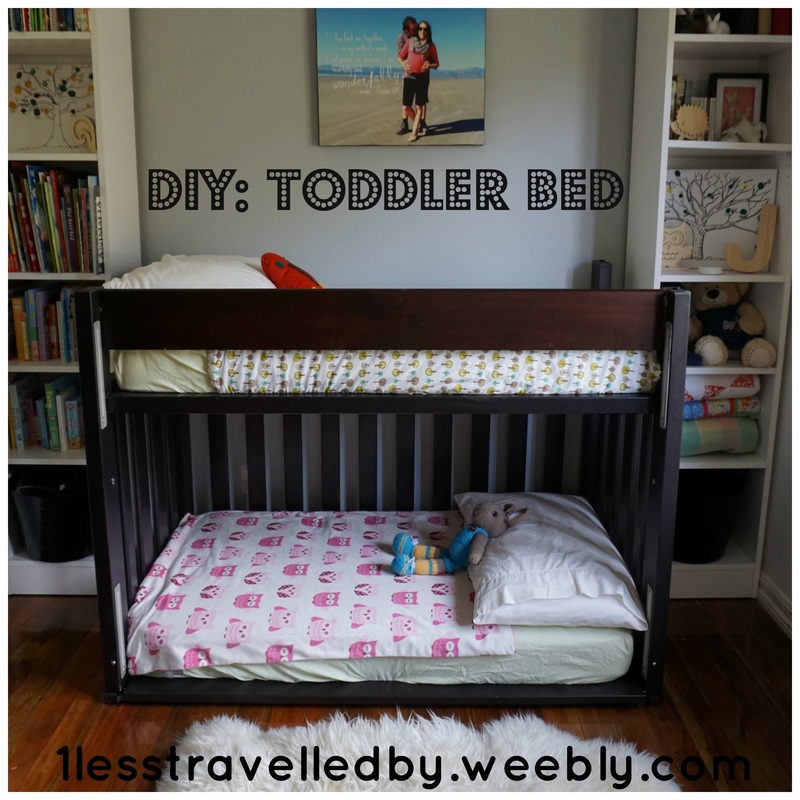
Credit: 1lesstravelledby.weebly.com
Building The Bed Frame
Building the bed frame is the first big step in making a toddler size bunk bed. It creates the strong base that holds the mattress and supports the whole bed. Using good wood and precise measurements helps make the frame safe and steady. This part needs care and focus to ensure the bed lasts long and stays safe for your child.
Cutting And Assembling Bed Rails
Start by measuring and cutting the wood for the bed rails. Use smooth, sturdy wood boards. Cut two long side rails and two shorter end rails. Sand all edges to avoid splinters. Join the rails into a rectangle shape. Use wood screws and corner brackets for strong joints. Check the frame for square corners before tightening all screws.
Constructing The Ladder And Guardrails
Cut the ladder sides from thick wood planks. Add evenly spaced rungs for easy climbing. Attach the ladder securely to the bed frame. For the guardrails, cut long boards to fit the top bunk’s sides. Fix the guardrails firmly to keep your toddler safe during sleep. Sand all parts to smoothness. Double-check the ladder and rails for stability.
Securing The Mattress Supports
Securing the mattress supports is an important step in building a toddler size bunk bed. It keeps the mattress steady and safe for your child. Proper support prevents the mattress from sagging or falling. This part of the build makes the bed strong and stable.
Installing Slats Or A Solid Base
Choose between wooden slats or a solid base for mattress support. Slats allow air to circulate under the mattress. Space slats evenly, about 2 to 3 inches apart. Use screws to fix each slat firmly to the bed frame. A solid base can be plywood cut to size. It must be strong and smooth. Attach the plywood securely to the bed frame edges. Check that the base fits well and holds the mattress flat.
Ensuring Weight Support And Stability
Use sturdy wood or metal for mattress supports. Supports must hold the weight of the mattress and child. Reinforce corners and center areas with extra brackets or beams. Tighten all screws and bolts firmly. Test the bed by pressing down on the mattress area. It should feel solid and not move. Good support stops the mattress from slipping or falling. Safety and durability depend on strong, stable mattress supports.
Finishing Touches
The finishing touches make your toddler size bunk bed safe and beautiful. These steps protect the wood and give the bed a smooth look. Careful attention here ensures the bed lasts longer and feels comfortable for your child.
Sanding And Smoothing Edges
Start by sanding all surfaces with fine-grit sandpaper. This removes rough spots and splinters. Focus on edges and corners to prevent injuries. Use a sanding block for flat parts and hand sand curved areas. Wipe dust off with a damp cloth after sanding. Smooth edges keep the bed safe and pleasant to touch.
Applying Paint Or Sealant
Choose a non-toxic paint or sealant safe for children. Apply a thin, even coat with a brush or roller. Let the first coat dry completely before adding another. Sealant protects the wood from moisture and wear. Paint adds color and style to the bunk bed. Finish with two or three coats for best results. This step helps the bed stay sturdy and look great over time.
Safety Checks Before Use
Before letting your toddler use the bunk bed, safety checks are a must. These checks help prevent accidents and keep your child safe. Take time to examine the bed carefully. Safety is the top priority in every step.
Inspecting For Sharp Edges
Run your hands along all the wood and metal parts. Look for splinters, rough spots, or sharp corners. Sand down any rough areas to make them smooth. Check screws and nails to ensure they do not stick out. Sharp edges can cause cuts or scratches. Fix these issues before use to avoid injuries.
Verifying Structural Stability
Test the bed by gently pressing and shaking it. The bed should not wobble or feel loose. Tighten all bolts and screws firmly. Check joints and connections for any gaps or weakness. A stable bed supports your child’s weight safely. Repeat this check regularly to keep the bed strong and secure.
Credit: www.ana-white.com
Tips For Maintaining The Bunk Bed
Maintaining a toddler size bunk bed ensures it stays safe and lasts longer. Simple care habits keep the bed sturdy and clean for daily use. Regular checks and cleaning help prevent accidents and damage.
Regular Safety Inspections
Check all screws and bolts every month. Tighten anything loose right away. Look for cracks or broken parts on the bed frame. Test the guardrails to ensure they are secure. Make sure the ladder steps are stable and safe. Replace any worn or damaged parts quickly. Keep the bed away from heaters or sharp objects. Safety first helps avoid injuries and keeps your child safe.
Cleaning And Upkeep
Dust the bed frame regularly with a soft cloth. Wipe surfaces with a mild soap solution to remove dirt. Avoid using harsh chemicals that can damage the finish. Clean under the bed to stop dust buildup. Wash the mattress cover and bedding often to keep them fresh. Check the mattress for any signs of wear or stains. Good cleaning habits make the bunk bed healthier for your child to use.
Frequently Asked Questions
What Materials Are Needed To Build A Toddler Size Bunk Bed?
You need sturdy wood, screws, nails, a saw, drill, measuring tape, and sandpaper. Choose non-toxic paint for safety.
How To Ensure Toddler Bunk Bed Safety Features?
Include guardrails on all sides, secure ladders firmly, and use smooth, rounded edges. Check weight limits and follow safety standards.
What Are The Ideal Dimensions For A Toddler Bunk Bed?
Typically, a toddler bunk bed measures around 52” x 28” for each mattress. Ensure enough headroom between bunks.
Can I Customize A Toddler Bunk Bed Design?
Yes, customize with colors, storage options, and themed decorations. Personalize based on your child’s preferences and room size.
Conclusion
Building a toddler size bunk bed can be a fun and rewarding project. Start with a clear plan and the right materials. Take your time to measure and cut carefully. Safety matters most—use sturdy wood and secure all parts well.
Painting or finishing adds a nice touch. Watch your child enjoy their new bed with pride. Simple steps lead to a strong, cozy bunk bed. Try it yourself and create a special space for your toddler.