Are you wondering how to make your bunk bed mattress feel safe and comfortable every night? The right mattress support can make all the difference—not just for comfort, but for safety too.
If you’ve ever felt your mattress sag or worry about it slipping, you’re not alone. Finding the perfect support for your bunk bed mattress is easier than you think, and it can transform your sleep experience. Keep reading to discover simple, effective solutions that will keep your mattress secure and your sleep worry-free.
Credit: www.conferenzaingegneria.it
Types Of Bunk Bed Mattress Support
Choosing the right support for a bunk bed mattress is key for safety and comfort. Mattress support holds the mattress in place and keeps it firm. Several types of supports work well with bunk beds. Each type offers different benefits and fits various mattress styles. Understanding these options helps in picking the best support for your bunk bed.
Slats
Slats are thin wooden or metal strips placed across the bed frame. They provide good airflow to the mattress. This helps reduce moisture and keeps the mattress fresh. Slats need to be close together to support the mattress evenly. Wide gaps can cause the mattress to sag or wear out faster.
Plywood Sheets
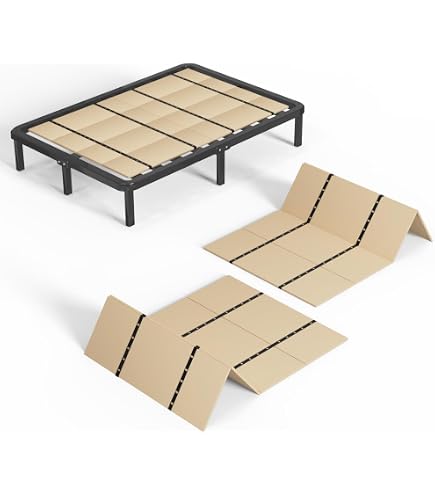
Plywood sheets offer a solid, flat surface for mattress support. They prevent sagging and increase mattress life. Plywood is easy to cut and fits any bunk bed size. This option reduces airflow but gives firm support. It works well for foam or memory foam mattresses.
Metal Grids
Metal grids are strong supports made from metal bars welded into a grid. They give excellent strength and durability. Metal grids hold heavier mattresses without bending. These grids also allow some airflow under the mattress. They suit both twin and full bunk beds.
Bunkie Boards
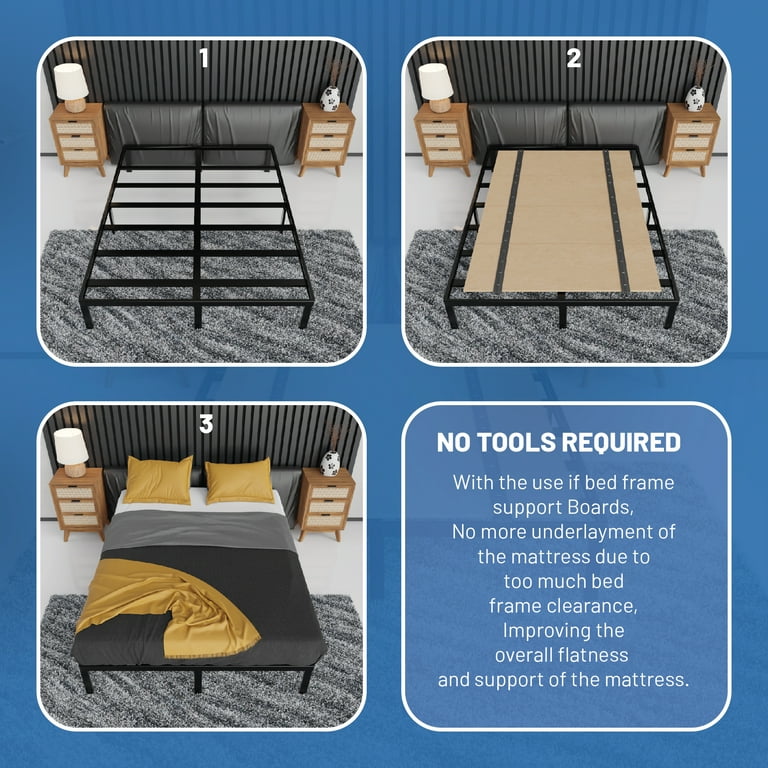
Bunkie boards are thin, flat boards designed specifically for bunk beds. They offer firm support without adding height. Bunkie boards work well under thin or foam mattresses. They fit perfectly inside bunk bed frames. These boards prevent mattress sagging and improve comfort.
Materials For Mattress Support
Choosing the right material for bunk bed mattress support is important. It affects comfort, safety, and durability. Different materials offer various strengths and styles. This guide covers common materials used for mattress support. Each type has unique benefits and fits different needs.
Wood Options
Wood is a popular choice for bunk bed mattress support. It is strong and easy to work with. Pine, oak, and plywood are common woods used. Solid wood slats provide good support and allow air flow. Wood frames add warmth and a classic look. Proper spacing of slats is key for mattress stability.
Metal Options
Metal provides sturdy and long-lasting mattress support. Steel and iron are common metals used. Metal frames hold heavy weight well. They often come with mesh or wire grids. Metal support resists warping and damage over time. This option is good for modern and industrial-style beds.
Composite Materials
Composite materials mix wood fibers and plastic or resin. They offer strong, lightweight support. Composite boards resist moisture and pests. This makes them ideal for humid areas. They provide even mattress support without bending. Composite options often cost less than solid wood or metal.
Durability Factors
Durability matters most when choosing bunk bed mattress support. It keeps the mattress stable and safe over time. Strong support lasts longer and holds weight well. Think about how the support handles daily use and conditions.
Weight Capacity
Weight capacity shows how much load the support can hold. Check the mattress size and who will use the bed. Supports with high weight capacity prevent bending or breaking. Choose one that matches or exceeds your needs. This keeps the bed safe and steady.
Wear And Tear Resistance
Wear and tear means damage from use over time. Good materials resist scratches, dents, and cracks. Metal slats and solid wood are strong options. These supports handle jumping and movement without failing. Long-lasting support saves money and effort on repairs.
Moisture And Mold Protection
Moisture can damage mattress support and cause mold. Mold harms health and weakens the structure. Look for supports made of treated wood or metal. Some have coatings to stop moisture buildup. Proper support keeps your bunk bed clean and safe.
Installation Tips
Installing proper mattress support for a bunk bed is important for safety and comfort. Follow simple steps to set up strong, stable support. Proper installation helps avoid mattress sagging and keeps the bed secure. Focus on spacing, securing, and stability during installation.
Proper Spacing For Slats
Space slats evenly to provide balanced mattress support. Keep gaps between slats no wider than 3 inches. Small gaps stop the mattress from bending or falling through. Use enough slats to cover the full mattress area. Proper spacing spreads weight evenly and adds durability.
Securing Support Elements
Attach slats or boards firmly to the bed frame. Use screws or brackets designed for wood or metal. Loose slats can shift and cause instability. Check all fasteners after installation to tighten or replace any loose parts. Secure supports prevent noise and increase safety.
Ensuring Stability
Test the bunk bed after installing support elements. Press down gently on different parts of the mattress area. The frame should not wobble or creak. Add extra support beams if needed to reduce movement. Stability keeps sleepers safe and comfortable throughout the night.
Cost And Maintenance
Choosing the right support for a bunk bed mattress involves thinking about cost and maintenance. These factors help keep the bed safe and comfortable. They also affect how long the mattress support lasts.
Budget-friendly Choices
Wood slats are a popular, low-cost option for bunk bed mattress support. They are easy to install and replace. Metal bed frames can be affordable and offer strong support. Plywood sheets provide good support and cost less than some other materials. These options fit most budgets and still keep the mattress steady.
Long-term Maintenance
Regular checks are important to keep mattress support in good shape. Tighten screws and bolts to avoid wobbling. Wooden slats may need occasional sanding or replacement. Metal supports require less maintenance but should be checked for rust. Keeping the support clean helps prevent damage.
Replacement Frequency
Wooden slats usually last 3 to 5 years with proper care. Metal frames can last 10 years or more. Plywood supports might need replacing every 2 to 4 years. Signs like cracking wood or bent metal mean it is time to replace. Regular checks help catch problems early.
Credit: www.walmart.com
Best Support Solutions By Mattress Type
Choosing the right mattress support is key for bunk beds. Different mattress types need specific support to keep comfort and safety. This section explains the best support options for foam, innerspring, and hybrid mattresses. These tips help extend mattress life and improve sleep quality.
Foam Mattresses
Foam mattresses need solid, flat support. A sturdy plywood board works well. It prevents sagging and keeps the mattress firm. Avoid slatted bases with wide gaps. Gaps can cause uneven wear and damage foam layers. Use a bunk bed frame that holds a full board or buy a separate plywood sheet.
Innerspring Mattresses
Innerspring mattresses require strong, even support. Slatted bed frames with narrow gaps suit these mattresses. Slats should be close together, about 2-3 inches apart. This support keeps the coils stable and prevents sagging. Avoid wide gaps that can bend springs or cause discomfort. A solid base or bunk bed frame with metal slats works well.
Hybrid Mattresses
Hybrid mattresses combine foam and springs. They need a mix of firmness and breathability. Use closely spaced slats or a solid platform with ventilation holes. This keeps the mattress stable and allows air flow. Proper support stops sagging and helps the mattress last longer. Avoid flexible or weak frames that bend under weight.
Safety Considerations
Safety is the top priority when choosing mattress support for bunk beds. Proper support prevents accidents and keeps the bed stable. It also extends the life of the mattress and frame. Below are key safety points to remember.
Preventing Sagging
Sagging weakens the mattress and can cause discomfort. Use sturdy slats or a bunkie board for firm support. Space slats no more than 3 inches apart. Check support regularly and replace any broken parts. This keeps the mattress level and safe.
Avoiding Bed Frame Damage
Strong support protects the bed frame from stress and damage. Avoid thin or weak boards. Choose materials like solid wood or metal for durability. Make sure all parts fit tightly to prevent wobbling. A strong frame reduces the risk of collapse.
Child Safety Tips
Children are active and need extra safety measures. Use guardrails on the top bunk to prevent falls. Ensure mattress fits snugly without gaps. Avoid soft bedding that can cause suffocation. Teach kids to climb and move carefully on the bed.

Credit: www.walmart.com
Frequently Asked Questions
What Materials Provide The Best Bunk Bed Mattress Support?
Wood slats and metal frames are the best for bunk bed mattress support. They offer durability, stability, and proper ventilation. Avoid using thin or weak materials that may sag or break over time.
Can Plywood Be Used For Bunk Bed Mattress Support?
Yes, plywood can be used for bunk bed mattress support if it is thick and sturdy. It provides a solid base and prevents mattress sagging. Ensure it is securely fixed to the bed frame for safety.
How Important Is Mattress Support For Bunk Bed Safety?
Mattress support is crucial for bunk bed safety. Proper support prevents mattress sagging, reduces injury risk, and ensures even weight distribution. Weak support can cause frame damage or accidents, so always use strong, reliable materials.
Should I Use A Box Spring With A Bunk Bed Mattress?
Box springs are generally not recommended for bunk beds. They add unnecessary height and weight, which may compromise safety. Most bunk beds are designed to work with mattresses on slats or solid platforms instead.
Conclusion
Choosing the right support for a bunk bed mattress keeps sleep safe and comfy. Solid wood slats or metal frames work best. Avoid thin boards that can break easily. Measure the bed frame first to fit the mattress well. Good support stops sagging and improves mattress life.
A strong base helps kids and adults rest better. Remember, a sturdy mattress foundation matters most for bunk beds. Take time to pick the right materials. Your bunk bed will feel more secure and last longer. Quality support means peaceful nights for everyone.