Are you wondering when your baby is ready to make the big switch to a toddler bed? It’s a question many parents ask, and getting it right can make a huge difference in your child’s sleep and safety.
Knowing the perfect age to transition helps you avoid restless nights and keeps your little one comfortable and secure. You’ll discover the signs to look for, the best age range, and tips to make the move smooth for both you and your child.
Keep reading to find out exactly when your baby should start sleeping in a toddler bed.
When To Switch To A Toddler Bed
Switching your baby to a toddler bed is a big step. It marks a new stage in your child’s growth and independence. Deciding the right time to switch helps your child feel safe and comfortable. Watch your child closely for signs showing they are ready.
Signs Of Readiness
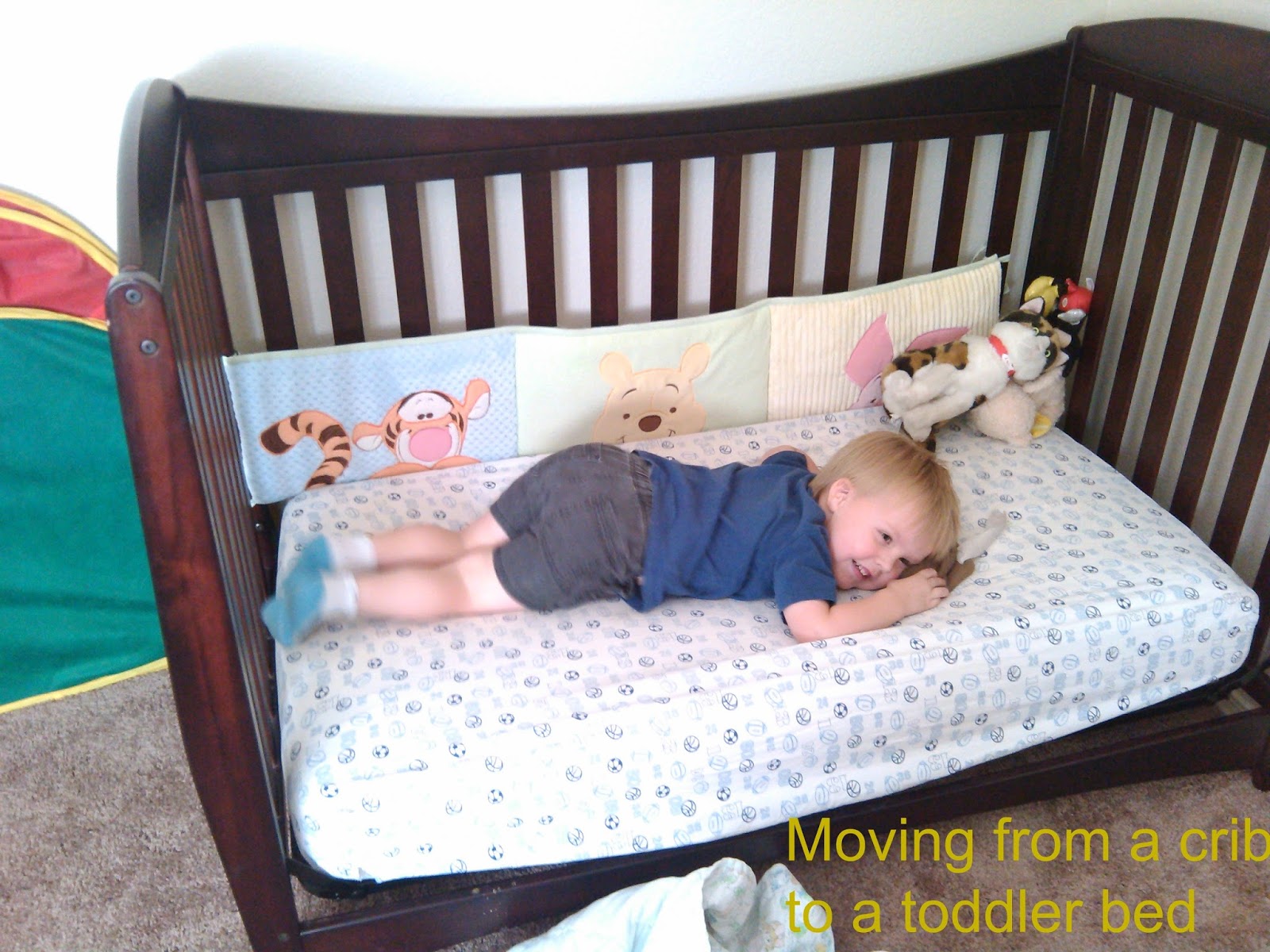
Your child may try to climb out of the crib. This is a clear sign they need more space. They might ask to sleep in a “big kid” bed. Your toddler could start showing more curiosity about their surroundings. If your child can follow simple instructions, they might be ready. Look for better balance and coordination too. These signs help make the transition smoother and safer.
Common Age Ranges
Most children move to a toddler bed between 18 months and 3 years. Some switch earlier if they climb out of their crib often. Others wait until they are closer to 3 years. Every child grows at their own pace. Age is a guide, not a rule. Trust your child’s development and comfort to decide the best time.
Credit: everestkitchennc.com
Benefits Of Toddler Beds
Toddler beds offer many benefits for young children and their parents. They create a comfortable space that suits a child’s size. This helps toddlers feel cozy and secure during sleep. Toddler beds also support a child’s growth and development in many ways.
Moving from a crib to a toddler bed is a big step. This change can make bedtime easier for children. It can also help parents manage sleep routines better. Toddler beds are designed with special features that help keep children safe and encourage independence.
Safety Improvements
Toddler beds have low frames, making it easy to get in and out. This reduces the risk of falls and injuries. Many toddler beds have guardrails on the sides. These rails stop children from rolling off during sleep. The size fits toddlers perfectly, so they don’t get stuck or hurt. Parents can feel confident that their child sleeps safely in a toddler bed.
Boosting Independence
Toddler beds help children learn to sleep alone. Kids can climb in and out by themselves. This freedom builds confidence and self-reliance. Having their own bed also gives toddlers a sense of ownership. It encourages good sleep habits early on. Independence in sleep can improve a child’s mood and behavior during the day.
Choosing The Right Toddler Bed
Choosing the right toddler bed is an important step for your child’s growth. It helps them feel safe and comfortable while sleeping. The right bed encourages good sleep habits. It also supports their independence as they move from a crib to a bigger bed. Picking the best bed means thinking about size, design, and safety. These factors ensure your toddler’s room is a cozy and secure place.
Size And Design Options
Toddler beds come in many sizes to fit different rooms. Some beds are small and low to the ground. This helps toddlers get in and out easily. Designs vary from simple frames to fun themes with cars or animals. Choose a bed that matches your child’s room style. A bed with guardrails prevents your toddler from falling out. Some beds can change into a small bed for older kids. This saves money and space in the long run.
Safety Features To Consider
Safety is the top priority when buying a toddler bed. Look for beds with sturdy construction and smooth edges. Avoid beds with sharp corners or small parts that can break off. Guardrails on both sides keep your child from rolling off. Check that the mattress fits the bed frame snugly. This stops gaps where a child could get stuck. Non-toxic paint and finishes protect your child from harmful chemicals. A stable bed frame stops wobbling or tipping over easily.
Making The Transition Smooth
Moving your child to a toddler bed is a big step. It can feel strange for both of you. A smooth transition helps your child feel safe and happy. It also makes bedtime easier for everyone.
Preparing Your Child
Talk about the new bed ahead of time. Show pictures or let your child touch the bed. Explain that this bed is just for them. Let them know it is special and safe.
Let your child help with the bed. They can choose sheets or a small blanket. This makes the bed more exciting. It gives your child a sense of control.
Visit the new bed during the day. Play or read books there. This helps your child get used to the new place. It feels less scary at night.
Setting A Bedtime Routine
Keep bedtime steps the same as before. Bath, storytime, and cuddles work well. A routine helps your child know what to expect. It creates comfort and calmness.
Use a nightlight if your child feels afraid. Soft light can ease worries. Keep the room quiet and cool. This helps your child fall asleep faster.
Be patient if your child wakes up. Walk them back to bed gently. Avoid long talks or play. Calmness teaches your child to stay in bed.
Handling Common Challenges
Moving your baby to a toddler bed can bring many challenges. These changes may cause stress for both you and your child. Understanding common problems helps you handle them well. Patience and consistency work best in this stage.
Nighttime Fears
Nighttime fears often start after the move. The new bed feels different and scary. Your child might worry about monsters or being alone. Comfort your child with a nightlight or a favorite toy. Talk softly and stay calm to ease their mind. Reassure them they are safe in their new bed.
Resistance To The New Bed
Many toddlers resist leaving their crib. They feel safe and cozy there. Use positive words about the new bed. Let your child help choose bedding or a stuffed animal. Create a bedtime routine that feels familiar. Be patient. It takes time for toddlers to adjust.

Credit: www.soft-bionics.com
Tips For Safe Toddler Sleep
Transitioning your baby to a toddler bed is an important step. Safety is the top priority during this change. Creating a safe sleep space helps your toddler rest well and stay secure. Small changes in the room and bed setup make a big difference.
Follow simple steps to ensure your toddler sleeps safely and comfortably. A good sleep environment supports healthy sleep habits and peace of mind for parents.
Room Setup
Keep the room free of sharp or hard objects. Place the bed away from windows and cords. Use nightlights to avoid trips or falls in the dark. Make sure the floor is clear of toys and clutter. Use a baby monitor to check on your toddler easily.
Sleep Environment
Choose a firm mattress that fits the bed frame well. Use fitted sheets and avoid loose blankets. Remove pillows and stuffed animals to prevent suffocation risks. Keep the room temperature cool and comfortable. Use breathable sleepwear to avoid overheating. Fresh air and quietness help your toddler sleep better.

Credit: bilyanagolf.ru
Frequently Asked Questions
At What Age Do Babies Typically Use Toddler Beds?
Babies usually transition to toddler beds between 18 months and 3 years. This depends on their growth, safety, and readiness to move from cribs. Most toddlers switch when they start climbing out of the crib or need more space to sleep comfortably.
How To Know If A Toddler Bed Is Right For Your Child?
Look for signs like climbing out of the crib, showing interest in a bigger bed, or needing more space. Safety and comfort matter. If your child can safely get in and out of bed, a toddler bed might be the perfect next step.
Are Toddler Beds Safer Than Cribs For Certain Ages?
Toddler beds are safer when children outgrow cribs and start climbing out. They prevent falls from high crib sides. Toddler beds have low frames and guardrails, reducing injury risk while giving toddlers more independence and comfort.
What Factors Influence The Best Age For Toddler Bed Transition?
Consider your child’s physical development, sleep habits, and safety concerns. Also, evaluate their ability to get in and out of bed independently. Parental comfort and the child’s interest in a new bed also play important roles in timing the switch.
Conclusion
Babies usually start sleeping in a toddler bed between 18 months and 3 years. Each child is different, so watch for signs of readiness. Safety and comfort are very important during this change. A toddler bed helps kids feel more independent and secure.
Keep routines steady to help your child adjust well. Moving too soon or too late can cause sleep problems. Trust your instincts and your child’s needs. This step marks a new phase in their growth and sleep habits.