Are you struggling to find a clear boundary between your studio and living space? Using a bookshelf to separate your studio can be a smart and stylish solution.
It not only divides the room but also adds extra storage and personality to your space. You’ll discover simple and practical ways to create a perfect divide with a bookshelf. Keep reading to transform your studio into a more organized and inviting place you’ll love spending time in.
Benefits Of Using Bookshelves As Dividers
Using bookshelves as dividers offers many benefits for your studio space. They help separate areas without building walls. Bookshelves create a sense of privacy while keeping the room open and bright. They also provide extra storage and display space. This makes your studio look neat and organized. Below are key benefits of using bookshelves as room dividers.
Maximizing Vertical Space
Bookshelves use vertical space well. They stand tall and hold many items. This frees up floor space for other uses. Vertical storage keeps things off the ground. It helps small studios feel less crowded. You can store books, decor, and more in one spot.
Enhancing Room Aesthetics
Bookshelves add style and character to your studio. They break up large open areas with visual interest. You can display art, plants, and personal items. This makes your space feel warm and inviting. Choose shelves that match your decor for a unified look.
Creating Functional Zones
Bookshelves help define different areas in your studio. For example, separate the living area from the workspace. This creates clear zones without closing off the room. Functional zones make the studio easier to use. They help keep things organized and purposeful.
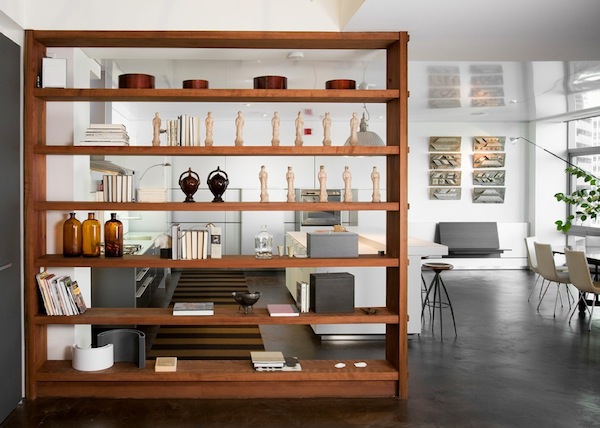
Credit: www.organizeit.blog
Choosing The Right Bookshelf
Choosing the right bookshelf is key to creating a clear space in your studio. It helps define areas without walls. The right shelf fits your room well and matches your style. It also holds your items safely. Think about size, material, and shelf type before buying.
Size And Dimensions
Measure your studio space carefully. The bookshelf should not block walkways or windows. Choose a height that fits your room’s ceiling. Depth matters too. A shallow shelf can separate areas without taking much space. Width depends on what you want to store or display.
Material And Durability
Wood shelves add warmth and style. Metal shelves give a modern, industrial look. Consider how strong you need the shelf to be. Heavy items require sturdy materials. Think about cleaning and wear over time. Durable materials last longer and look better.
Open Vs. Closed Shelves
Open shelves keep your space light and airy. They allow easy access to books and decor. Closed shelves hide clutter and protect items from dust. They offer more privacy for your belongings. Choose based on your need for display or storage.
Placement Strategies For Space Efficiency
Using a bookshelf to separate a studio can save space and add style. Thoughtful placement helps keep the room open and functional. Choosing the right spot for your bookshelf creates a natural division without clutter.
Aligning With Room Layout
Place the bookshelf along a wall to keep the flow smooth. Position it where it divides the studio without blocking walkways. Match the bookshelf size to the room’s shape for balance. This alignment helps keep the space open and organized.
Utilizing Corners And Narrow Spaces
Use corners to tuck in bookshelves without wasting room. Tall, narrow shelves fit well in tight spots. These placements free the main area for other uses. Corners become useful storage and divider areas at once.
Balancing Light And Privacy
Set the bookshelf to let light pass through open shelves. Use solid shelves where more privacy is needed. This mix keeps the studio bright but cozy. A well-placed bookshelf controls light and sightlines smartly.

Credit: www.digsdigs.com
Creative Styling Tips
Creative styling can turn a simple bookshelf into a stunning room divider. It adds personality and warmth to your studio. A well-styled shelf separates space without blocking light or making the room feel small. Use these tips to style your bookshelf with flair.
Decorating Shelves For Visual Appeal
Arrange books both vertically and horizontally for variety. Stack some books flat and place small art pieces on top. Use colors that match or contrast your room’s palette. Leave some empty space for a clean look. Balance heavy items with lighter ones to avoid clutter.
Incorporating Plants And Accessories
Add small plants to bring life and fresh air to the space. Choose low-maintenance plants like succulents or air plants. Place decorative items such as candles, vases, or figurines among the books. These touches make your shelf feel cozy and inviting. Change accessories seasonally to keep the look fresh.
Mixing Books With Storage Bins
Use storage bins or baskets to hide clutter and keep things tidy. Choose bins that fit the shelf size and match your decor style. Mix open shelves with closed bins for a balanced look. Store items like chargers, magazines, or art supplies in bins. This keeps your studio neat without sacrificing style.
Safety And Stability Considerations
Ensuring safety and stability is key when separating a studio with a bookshelf. A sturdy setup prevents accidents and protects your belongings. This section covers important steps to keep your bookshelf secure and stable.
Securing Bookshelves To Walls
Attach your bookshelf to the wall using brackets or straps. This stops it from tipping over. Use screws suited for your wall type. Check that the bookshelf sits flush against the wall. Tighten all fasteners firmly. This simple step greatly increases safety.
Weight Distribution Tips
Place heavy items on the lower shelves. This lowers the center of gravity and adds stability. Keep lighter objects on top shelves. Avoid overloading one side of the bookshelf. Balance the weight evenly across shelves. Proper weight distribution prevents wobbling or falling.
Child And Pet Safety Measures
Anchor the bookshelf to avoid tipping hazards for children and pets. Avoid placing fragile or heavy items within their reach. Use corner protectors on sharp edges. Teach children not to climb bookshelves. These steps reduce risks and create a safer space.
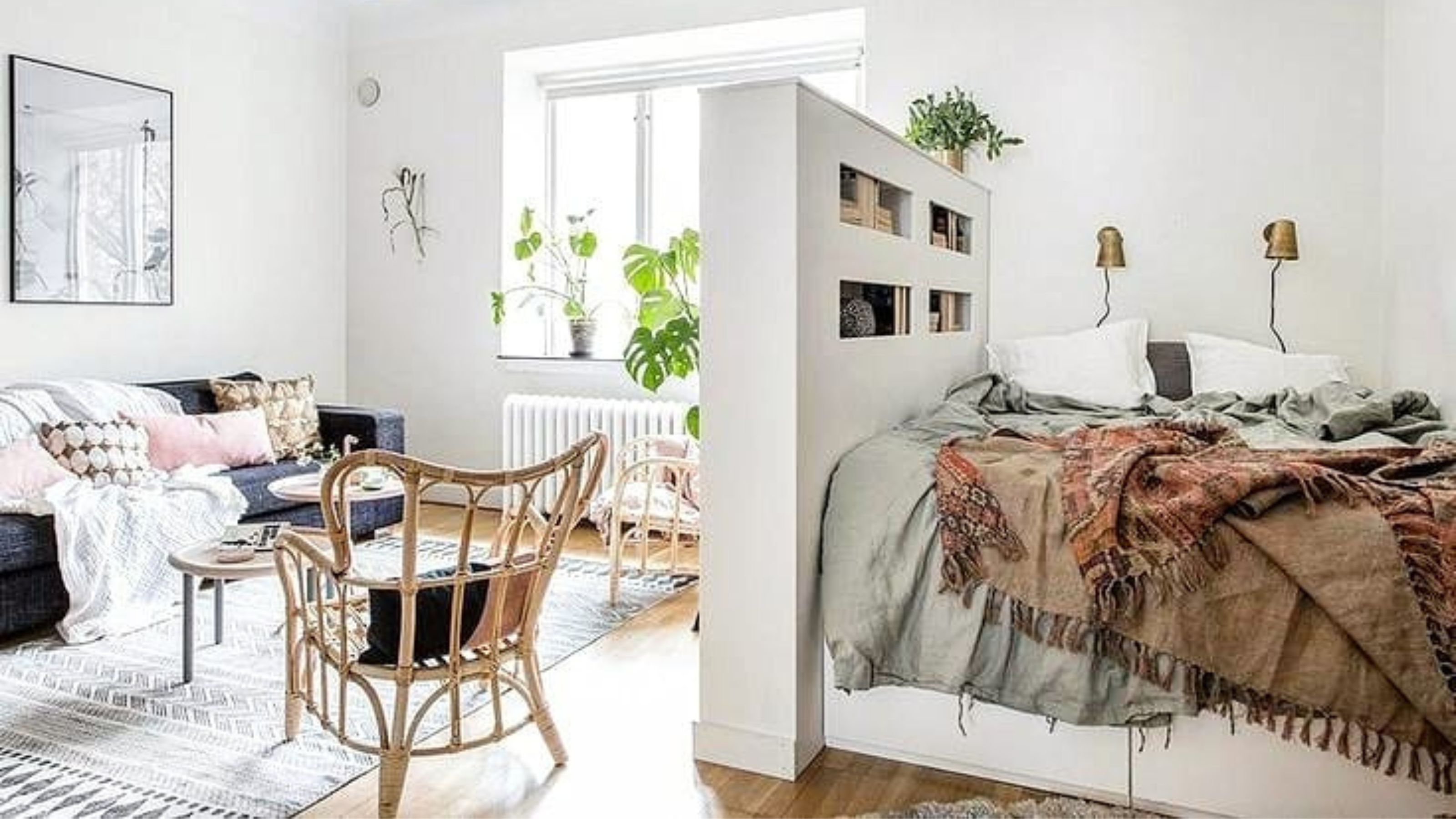
Credit: www.realhomes.com
Alternative Space-saving Ideas
Finding ways to save space in a small studio can be a challenge. Bookshelves offer more than just storage for books. They can help divide a room and keep things organized. Here are some creative ideas that use bookshelves and furniture to save space and add style.
Using Rolling Bookshelves
Rolling bookshelves are easy to move and flexible. You can create a temporary divide between your living and sleeping areas. Push the shelf aside when you need more space. This option keeps your studio open and functional.
Combining Shelves With Desks
A desk with built-in shelves saves room by combining two pieces of furniture. Store books and office supplies close while you work. This setup reduces clutter and keeps your workspace neat.
Multi-functional Furniture Options
Furniture that serves more than one purpose helps maximize space. Look for bookshelves that include seating or storage bins. These pieces save floor space and add extra uses to your studio.
Frequently Asked Questions
How Can A Bookshelf Separate An Audio Studio Effectively?
A bookshelf acts as a physical barrier to reduce sound spread. It absorbs and diffuses noise, creating distinct zones. Proper placement enhances sound isolation in the studio. Books and materials help in dampening echo and reverberation. This makes the studio environment more controlled and quieter.
What Materials Work Best On Bookshelves For Soundproofing?
Dense books and hardbound materials are excellent for sound absorption. Adding foam panels or acoustic tiles on shelves improves noise control. Soft materials like fabric-covered books also help reduce sound reflections. A mix of textures enhances overall soundproofing efficiency. This combination makes the bookshelf a practical studio divider.
Where Should I Place The Bookshelf For Optimal Separation?
Position the bookshelf between the audio source and the listening area. Ensure it covers most of the open space to block sound paths. Placing it near walls improves sound isolation by reducing reflections. Adjust distance to balance sound control and room aesthetics.
Proper placement maximizes its effectiveness as a separator.
Can A Bookshelf Reduce Echo In An Audio Studio?
Yes, bookshelves with varied items disrupt sound waves, reducing echo. They scatter sound reflections, minimizing reverberation within the studio. Books and decor act as natural diffusers and absorbers. This creates a clearer and more accurate listening environment. Using bookshelves is a simple and effective acoustic treatment.
Conclusion
Separating your studio with a bookshelf adds both style and function. It creates distinct spaces without building walls. Bookshelves hold items and help block noise. Choose the right size and design for your room. Add personal touches to make it feel cozy.
This simple step improves your studio’s look and feel. Try it and see how your space changes. Small changes can make a big difference. Enjoy a neat, organized, and divided studio space.