Are you wondering how much weight a bunk bed can safely hold? Whether you’re shopping for your kids, setting up a guest room, or considering a sturdy option for your own space, knowing the weight limit is crucial.
You don’t want to risk safety or damage by overloading it. You’ll discover exactly how much weight different types of bunk beds can support and what factors affect their strength. Keep reading to make the best choice for your home and peace of mind.
Credit: picketandrail.com
Bunk Bed Weight Limits
Bunk bed weight limits are important for safety and durability. Each bunk bed has a maximum weight it can hold. This weight includes the person and any bedding or items on the bed. Knowing these limits helps prevent accidents and damage to the bed.
Weight limits vary depending on the design, materials, and construction of the bunk bed. Understanding these differences can guide you in choosing the right bed for your needs.
Standard Weight Capacities
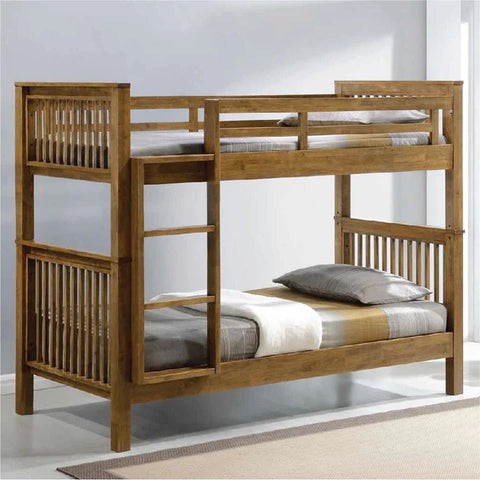
Most bunk beds support between 200 and 400 pounds per sleeping area. The top bunk usually has a lower weight limit than the bottom bunk. Many top bunks hold around 200 to 250 pounds safely. Bottom bunks can often support 300 to 400 pounds or more. These numbers are general and may change based on the bed model.
Variations By Bed Type
Wooden bunk beds tend to have different limits than metal ones. Solid wood beds often support more weight. Metal frames vary, with some designed for heavy loads. Loft beds and twin-over-full bunks have unique weight limits too. Bunk beds for children usually have lower limits than those made for adults.
Manufacturer Guidelines
Always check the manufacturer’s instructions for exact weight limits. These guidelines ensure the bed is used safely. Ignoring them can lead to damage or injury. Manuals often include weight limits for each bunk and total bed capacity. Follow these rules to keep the bunk bed strong and secure.

Credit: picketandrail.com
Factors Affecting Load Capacity
The weight a bunk bed can hold depends on several important factors. These factors ensure safety and comfort. Understanding them helps choose the right bed for your needs.
Each factor plays a role in how strong and stable the bunk bed will be. This section explains the key elements that affect load capacity.
Frame Material
The material of the bunk bed frame is a main factor in weight support. Steel frames are usually stronger than wood. Solid wood offers good strength but varies by type. Particleboard or MDF frames hold less weight. Metal frames resist bending and damage better. The choice of material affects how much weight the bed can safely carry.
Construction Quality
How well a bunk bed is built affects its load capacity. Tight joints and quality screws keep the frame stable. Poor assembly can cause wobbling and reduce strength. Strong welds or fasteners add to durability. Beds built with care last longer and support more weight. Check for quality before buying.
Design And Structure
The design impacts how weight is spread across the bed. Beds with more support beams hold weight better. Ladder placement and guardrails add safety but also affect load. Some designs focus on lightweight portability over strength. A well-planned structure balances comfort with strong support. Look for beds with sturdy legs and reinforcements.
Weight Distribution On Bunk Beds
Bunk beds must hold weight safely. The way weight spreads out affects how much each bed can carry. Weight is not just about one person but how it moves and balances.
Weight distribution keeps the bed steady. It helps avoid damage and keeps users safe. Knowing how weight works on bunk beds helps choose the right one.
Top Vs Bottom Bunk Limits
The top bunk usually holds less weight than the bottom. It has thinner support to keep it light. The bottom bunk often carries more weight because it touches the floor.
Bottom bunks can hold adults better than top bunks. Many top bunks fit children or light adults. Check the manufacturer’s weight limits for safety.
Impact Of Mattress Type
Heavier mattresses add extra weight to the bunk bed. Memory foam mattresses weigh more than spring mattresses. Thicker mattresses can strain the bed frame.
Lighter mattresses help keep the bunk bed stable. Choose mattress types that fit the bed’s weight limit. This protects the frame and keeps it strong.
Effect Of Additional Items
Extra items like pillows and blankets add small weight. Toys or books stored on the bed add more load. Avoid putting heavy objects on the top bunk.
Adding weight unevenly can cause the bed to tilt. Keep weight balanced across the bed for safety. Remove unnecessary items to reduce total weight.
Safety Tips For Bunk Bed Use
Bunk beds save space but need careful use to stay safe. Follow simple safety tips to protect everyone using the bed. These tips help avoid accidents and keep the bed strong.
Regular Inspections
Check the bunk bed often for loose screws and broken parts. Look at the frame, ladder, and guardrails. Tighten screws and replace damaged parts right away. Regular checks stop small problems from becoming big risks.
Proper Assembly
Follow the instructions exactly when putting the bed together. Use all the pieces that come with the bed. Make sure the bed is on a flat surface. Proper assembly keeps the bed steady and safe.
Avoiding Overloading
Know the weight limit of the bunk bed and do not exceed it. Remember to count the weight of the mattress and people. Too much weight can cause the bed to break. Keep the weight within the limit for safety.
Choosing A Bunk Bed For Heavy Loads
Choosing a bunk bed for heavy loads requires careful thought. Not all bunk beds support the same weight. A strong frame and good design matter most. This section covers important choices for heavy-duty use. It helps pick a bed that lasts and stays safe.
Heavy-duty Models
Heavy-duty bunk beds have thicker wood or metal frames. These beds hold more weight than standard ones. Look for beds labeled with high weight limits. Steel frames often support more than wood. Check for extra support bars and strong joints. These features add stability and safety.
Custom Reinforcements
Custom reinforcements make beds stronger. Add extra slats or support beams under the mattress. Reinforce the frame with metal brackets or screws. Ask a carpenter for help if unsure. These changes help the bed hold more weight. Reinforcements improve durability and reduce wobbling.
Alternative Bed Options
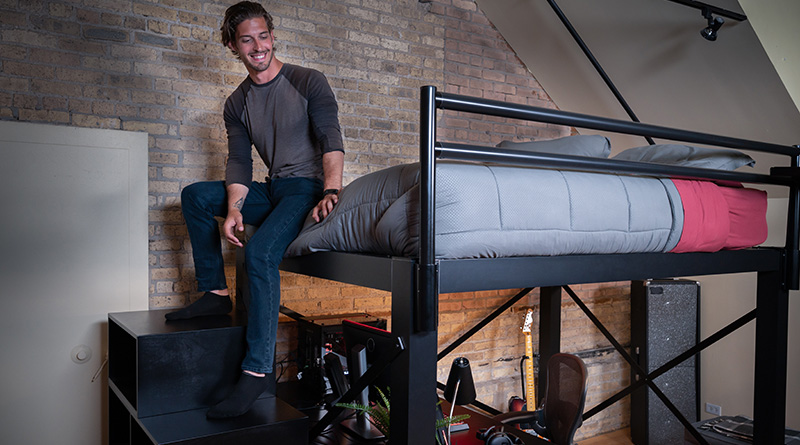
Consider loft beds or twin-over-full styles for heavy sleepers. Loft beds free floor space and can have strong designs. Twin-over-full beds have a bigger bottom bunk for adults. Daybeds with trundles also offer sturdy options. These beds might suit families needing more space and strength.
Credit: adultbunkbeds.com
Frequently Asked Questions
How Much Weight Can A Standard Bunk Bed Support?
A standard bunk bed typically supports between 200 to 400 pounds per bunk. Weight limits depend on materials and design. Always check manufacturer specifications to ensure safety.
Does Bunk Bed Weight Capacity Include Mattress Weight?
No, bunk bed weight capacity usually refers to the sleeper’s weight only. Mattress weight is not typically included in the limit but should be considered for overall safety.
Are Metal Bunk Beds Stronger Than Wooden Ones?
Metal bunk beds often support more weight due to sturdy frames. However, high-quality wooden bunk beds can also hold significant weight. Always verify product details before purchase.
Can Bunk Beds Support Adult Weight Safely?
Many bunk beds are designed for children but some models support adults up to 400 pounds. Look for heavy-duty or adult bunk beds for maximum safety.
Conclusion
Bunk beds hold different weights depending on their design. Always check the manufacturer’s weight limit before use. Using the bed within this limit keeps it safe and strong. Avoid jumping or putting extra pressure on the frame. Proper care helps the bed last longer.
Choose a bunk bed that fits your needs and safety standards. Comfort and security go hand in hand with weight support. Keep these points in mind for safe and happy sleeping.