Are you looking for a simple way to add style and storage to your room? Making a wall bookshelf could be the perfect solution.
Imagine having a neat, personalized space to display your favorite books, photos, and decor without taking up floor space. In this guide, you’ll discover easy steps to build your own wall bookshelf, even if you’ve never tried woodworking before. By the end, you’ll have a beautiful and functional piece that reflects your taste and keeps your space organized.
Ready to transform your wall and boost your room’s charm? Let’s get started!
:max_bytes(150000):strip_icc()/dominiquegebruinsta-35b11dd4f037417980649e06e17c4027.jpg)
Credit: www.thespruce.com
Choosing The Right Materials
Choosing the right materials is key to building a strong wall bookshelf. Good materials ensure the shelf lasts long and holds weight safely. Pick materials that match your skill level and the shelf style you want.
Selecting Wood Types
Wood is the best choice for a wall bookshelf. Pine is soft, easy to cut, and affordable. It works well for light to medium loads. Oak is harder and stronger. It holds heavy books and looks great with a natural finish. Plywood is good for budget builds. It resists warping and comes in large sheets for big shelves. Choose smooth wood to avoid splinters and easy sanding.
Necessary Tools And Supplies
Gather tools before starting. A saw cuts wood pieces to size. A drill makes holes for screws. Sandpaper smooths rough edges. Use wood screws to hold parts firmly. Wood glue adds extra strength. A level keeps shelves straight on the wall. Paint or stain finishes the shelf and protects wood. Safety gear like goggles and gloves keeps you safe.
Planning Your Bookshelf Design
Planning your bookshelf design is the first step to building a wall bookshelf that fits perfectly. Careful planning saves time and helps avoid mistakes. It ensures your bookshelf looks good and holds all your books safely.
Start by understanding the space you have. Think about how many books you want to store. Choose a design that matches your room’s style and your needs.
Measuring Wall Space
Measure the width and height of the wall area for your bookshelf. Use a tape measure for accuracy. Note any obstacles like light switches or outlets. Check the wall surface to ensure it can hold shelves and books.
Deciding Shelf Dimensions
Decide how deep and tall each shelf should be. Shelves usually need to be at least 8 to 12 inches deep. Consider the size of your books and items. Leave enough space between shelves for tall books or decorations.
Sketching The Layout
Draw a simple sketch of your bookshelf design on paper. Mark the measurements and shelf positions. Visualize how the shelves will look on the wall. This helps to plan spacing and balance before building.
Preparing The Workspace
Preparing the workspace is a key step before building your wall bookshelf. A well-organized area helps you work safely and finish faster. It reduces mistakes and keeps tools handy. This part will guide you to get your space ready for the project.
Clearing And Cleaning The Area
Start by removing any furniture or items near the wall. Clear enough space to move freely and handle materials. Sweep the floor to remove dust and small debris. Clean walls to ensure good contact for the shelf. A tidy space prevents accidents and keeps your focus.
Setting Up Tools
Gather all tools needed for the project. Place them within easy reach on a workbench or table. Check if the tools are working well before starting. Organize screws, nails, and brackets in small containers. This setup saves time and keeps your work smooth.

Credit: www.youtube.com
Cutting And Sanding Wood Pieces
Cutting and sanding wood pieces is a crucial step in making a wall bookshelf. Precise cuts ensure the pieces fit perfectly together. Smooth edges prevent splinters and give a clean look. This part of the project requires attention and care for best results.
Measuring And Marking Cuts
Start by measuring the wood pieces carefully. Use a tape measure for accuracy. Mark the cut lines with a pencil. Double-check measurements before cutting. Clear lines help guide the saw. Mark every piece to avoid confusion later.
Safe Cutting Techniques
Always wear safety goggles and gloves. Use a stable surface to cut on. Secure the wood firmly with clamps. Cut slowly and steadily along the marked lines. Keep fingers away from the blade. Use the right saw for each cut. Safety prevents accidents and saves time.
Sanding For Smooth Edges
Use medium-grit sandpaper to start. Sand along the edges and surfaces evenly. Switch to fine-grit sandpaper for a smoother finish. Remove any rough spots or splinters. Wipe off dust with a clean cloth. Smooth wood feels better and looks more professional.
Assembling The Bookshelf Frame
Assembling the bookshelf frame is the first big step in building your wall bookshelf. It gives the shelf its shape and strength. This part needs care and focus to make sure the frame is strong and straight.
Start by checking all your wood pieces. Make sure they fit well together. A solid frame will hold your books safely and look great on your wall.
Joining Wood Pieces
Place the wood pieces on a flat surface. Match edges that will connect. Use wood glue on the ends for extra hold. Press the pieces firmly and let the glue dry. This keeps the wood tight and secure. Clamps help keep the wood steady while drying. Check corners with a square tool for right angles. Straight corners make the shelf look neat and strong.
Using Screws And Brackets
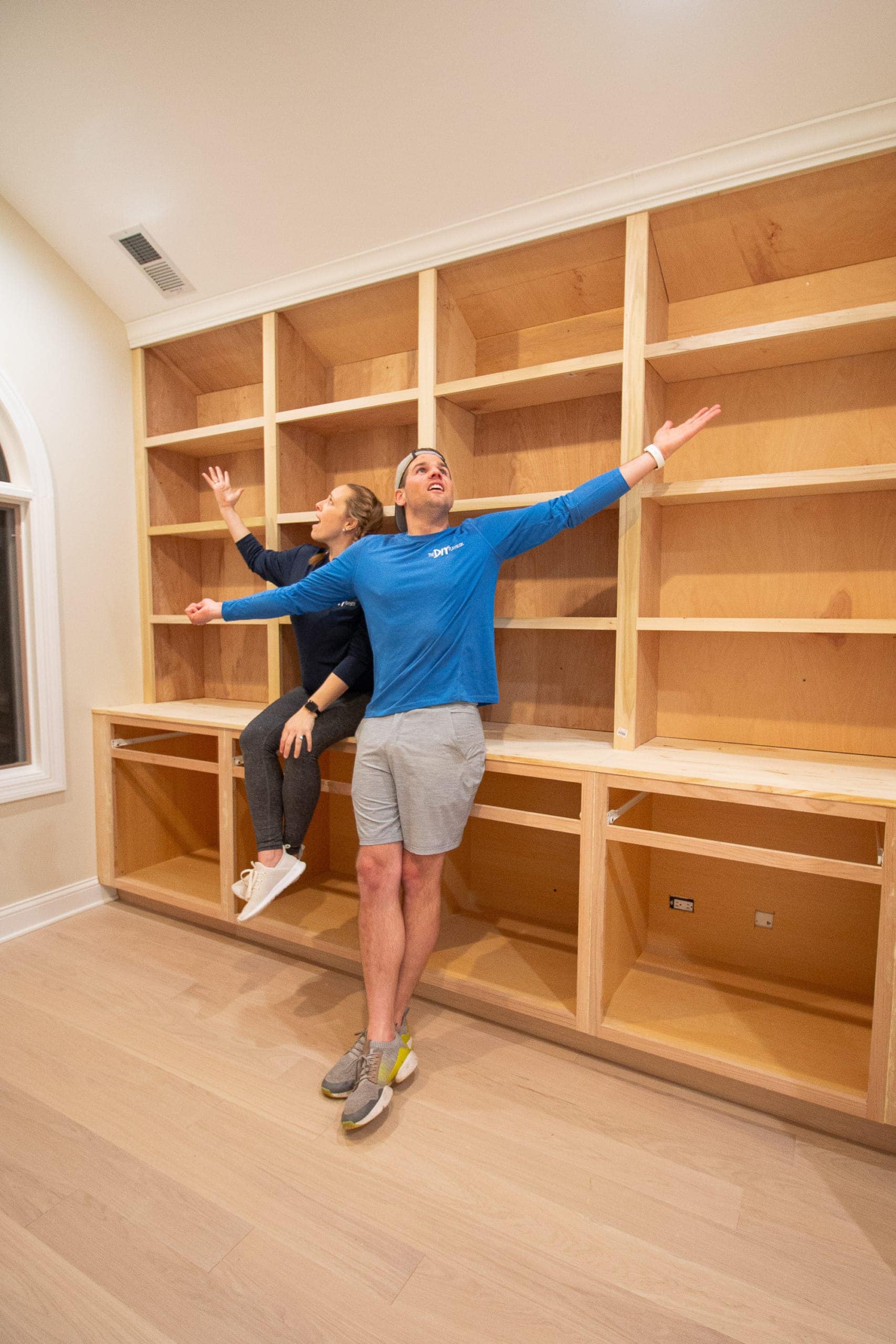
After the glue dries, add screws for more support. Pre-drill holes to stop the wood from splitting. Use screws that fit the wood thickness. Tighten screws evenly to avoid bending the wood. Metal brackets add strength to corners. Attach brackets inside the frame where pieces join. This stops the frame from wobbling. A strong frame will hold many books safely over time.
Credit: thediyplaybook.com
Mounting The Bookshelf On The Wall
Mounting the bookshelf on the wall is a key step to keep it stable and safe. Proper installation prevents accidents and holds your books securely. Focus on finding the best spots and using the right tools for a strong hold.
Locating Studs
Studs are the wooden beams inside your wall. They support heavy items like bookshelves. Use a stud finder to locate them quickly. Move the finder slowly across the wall. Mark each stud with a pencil. This ensures your shelf will be anchored firmly.
Marking Drill Points
Measure the distance between the shelf’s mounting holes. Transfer these measurements to the wall, aligning with the studs. Use a level to keep marks straight. Mark drill points clearly with a pencil. These marks guide your drill and keep the shelf balanced.
Securing The Shelf Safely
Choose screws designed for wall mounting. Drill holes at the marked points carefully. Insert wall anchors if needed for extra support. Attach the shelf brackets tightly to the wall. Double-check all screws are secure. Your shelf is now ready to hold your books safely.
Finishing Touches
Finishing touches bring your wall bookshelf to life. They protect the wood and add style. These final steps make your project look complete and polished.
Applying Paint Or Stain
Choose paint or stain that fits your room’s style. Paint offers bright colors and a smooth finish. Stain shows the wood’s natural grain and gives warmth.
Use a brush or cloth to apply evenly. Let it dry fully between coats. Light sanding between coats helps smooth the surface. Seal with a clear finish for extra protection.
Adding Decorative Elements
Decorative touches make your shelf unique. Try adding small trim or molding along edges. Use wallpaper or fabric on the back panel for a pop of color.
Attach hooks or small baskets for extra storage. Place plants or art pieces to personalize your shelf. These details create a shelf that fits your space perfectly.
Organizing Your Books And Items
Organizing your books and items on a wall bookshelf can make your space neat and inviting. A well-arranged shelf not only looks good but also helps you find things quickly. You can use simple methods to create an attractive and functional display.
Think about how you want to use the shelf. Some prefer a tidy look, while others enjoy a mix of books and decor. Planning your arrangement helps you keep the shelf balanced and easy to use.
Arranging Books By Size Or Theme
Start by grouping books by size. Place taller books together and smaller ones in another section. This creates a clean, organized look that is easy on the eyes. You can also arrange books by theme or color for a creative touch. For example, keep all travel books or novels in one spot. This helps you find books faster and adds personality to your shelf.
Incorporating Storage Baskets
Storage baskets add both style and function to your bookshelf. Use them to hold small items like bookmarks, chargers, or stationery. Baskets hide clutter and keep things neat. Choose baskets that fit the shelf size and match your room’s decor. This simple addition keeps your shelf organized and visually pleasing.
Frequently Asked Questions
What Materials Do I Need To Build A Wall Bookshelf?
To build a wall bookshelf, you need wood boards, screws, wall anchors, brackets, a drill, a level, and sandpaper. Choose sturdy wood like pine or oak for durability. Proper tools ensure a secure and professional-looking bookshelf that supports your books safely.
How Do I Securely Mount A Wall Bookshelf?
Securely mount a wall bookshelf by locating wall studs using a stud finder. Use heavy-duty screws and wall anchors for extra support. Ensure the shelf is level before tightening screws. Proper mounting prevents the shelf from falling and keeps your books safe.
What Is The Best Wood For A Wall Bookshelf?
Pine, oak, and plywood are ideal woods for wall bookshelves. Pine is affordable and easy to work with. Oak offers durability and a classic look. Plywood provides strength and a smooth finish. Choose based on your budget, style, and weight requirements.
How Much Weight Can A Wall Bookshelf Hold?
A properly built and mounted wall bookshelf can hold between 20 to 50 pounds per shelf. Weight capacity depends on wood type, shelf thickness, and mounting hardware quality. Always use strong brackets and secure wall anchors to maximize support and safety.
Conclusion
Building a wall bookshelf can be simple and fun. You just need basic tools and some patience. Follow each step carefully, and take your time. A handmade bookshelf adds charm and saves space in any room. Plus, it gives you pride in your work.
Try different designs to match your style. Enjoy organizing your books in a unique way. Keep practicing, and your skills will grow. A wall bookshelf is a great project for beginners and experts alike. Start today and see the difference it makes.