Are you tired of dusty shelves and cluttered bookshelves that make your space look messy? Adding doors to your bookshelf can transform it from a simple storage unit into a sleek, organized piece of furniture.
Imagine keeping your favorite books and treasures hidden behind stylish doors, giving your room a clean and polished look. In this guide, you’ll discover easy steps to put doors on your bookshelf, even if you’re not a DIY expert. By the end, you’ll have the confidence to upgrade your bookshelf and elevate your room’s style.
Ready to get started? Let’s dive in!
Choosing The Right Doors
Choosing the right doors for your bookshelf changes its look and function. Doors protect books from dust and damage. They also add style and fit your room’s design. Picking the right doors means thinking about type, material, and size. Each choice affects how the doors work and look on your shelf.
Types Of Doors For Bookshelves
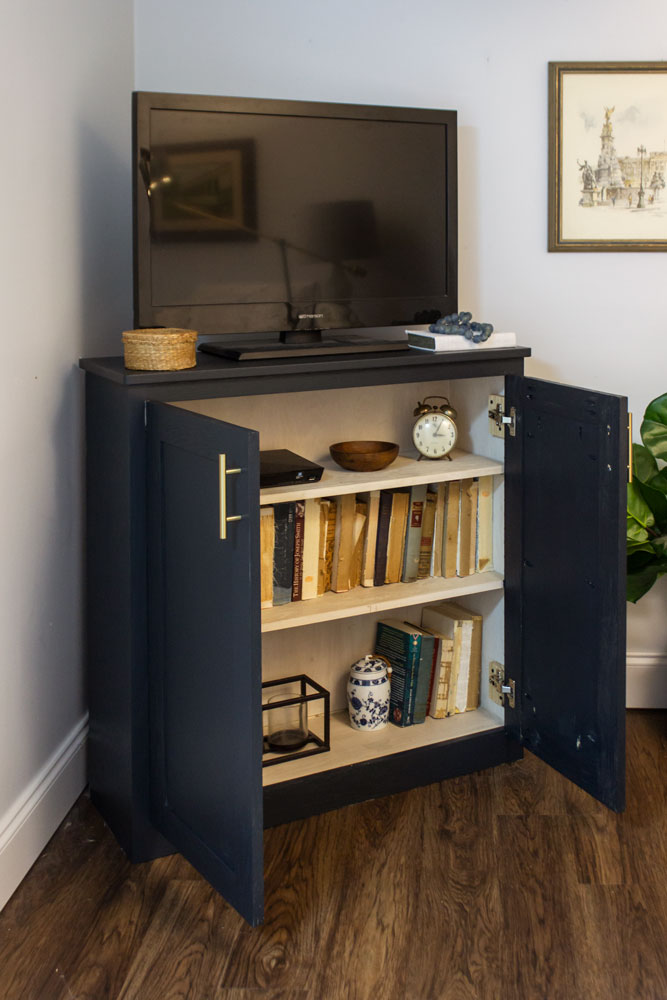
Sliding doors save space and slide side to side. They fit well in small rooms. Hinged doors open outward like a cabinet. They give full access to shelves. Glass doors show your books while keeping dust out. Solid doors hide clutter and add a clean look. Choose the style that suits your room and needs.
Materials And Finishes
Wood doors bring warmth and a classic feel. They can be painted or stained. Glass doors make the room feel bigger and brighter. Choose clear or frosted glass for privacy. Metal doors add a modern touch and are very strong. Finishes protect doors and match other furniture. Pick a finish that lasts and looks good in your space.
Measuring For A Perfect Fit
Measure the bookshelf height and width carefully. Check the door frame and shelf edges. Measure twice to avoid mistakes. Leave space for door movement and hinges. A door too big or small will cause problems. Proper measurements ensure smooth opening and closing. Accurate sizing keeps your bookshelf looking neat and tidy.

Credit: www.youtube.com
Gathering Tools And Materials
Before you start putting doors on a bookshelf, gather all tools and materials. This step makes the project easier and faster. Having everything ready helps you work smoothly. It also avoids mistakes and delays. Below, find what you need to collect for this task.
Essential Tools
Start with basic tools for measuring and cutting. A tape measure ensures accurate door size. A pencil helps mark the wood clearly. Use a saw to cut doors or trim edges. A drill makes holes for screws and hinges. Screwdrivers tighten screws securely. A level checks that doors hang straight. Sandpaper smooths rough edges for a clean finish.
Hardware And Accessories
Choose good-quality hinges for strong door attachment. Screws must fit the hinges and wood type. Door handles or knobs help open the doors easily. Magnetic catches keep doors closed without gaps. Mounting brackets may be needed for extra support. Pick accessories that match your bookshelf style and size.
Safety Gear
Protect your eyes with safety glasses when drilling or sawing. Wear gloves to avoid splinters and cuts. Use a dust mask to prevent inhaling wood dust. Work in a well-ventilated area to keep air fresh. Keep a first aid kit nearby for minor injuries. Safety gear keeps your hands and eyes safe.
Preparing The Bookshelf
Preparing the bookshelf is the first step before putting doors on it. This stage helps ensure the doors fit well and work smoothly. It also makes the bookshelf stronger and ready for the new addition.
Cleaning And Clearing
Start by removing all items from the shelves. Dust and wipe the bookshelf inside and out. Clean surfaces help the doors stick or fit better. Clearing the space prevents damage during installation. Make sure the area is dry before moving on.
Marking Door Placement
Measure the width and height of the bookshelf opening. Use a pencil to mark where the doors will go. Mark spots for hinges and handles clearly. Check that marks are straight and even. Accurate markings guide a smooth installation.
Reinforcing The Frame
Check the bookshelf frame for weak or loose parts. Tighten screws and nails to secure the frame. Add extra wood supports if needed. A strong frame holds the doors firmly. Reinforcing avoids sagging or damage over time.
Installing Door Hinges
Installing door hinges on a bookshelf is a key step to add doors properly. It allows the doors to open and close smoothly. This process needs careful measuring and fitting. You must pick the right hinges and fix them correctly. This section guides you through the steps to install hinges easily.
Selecting Hinge Types
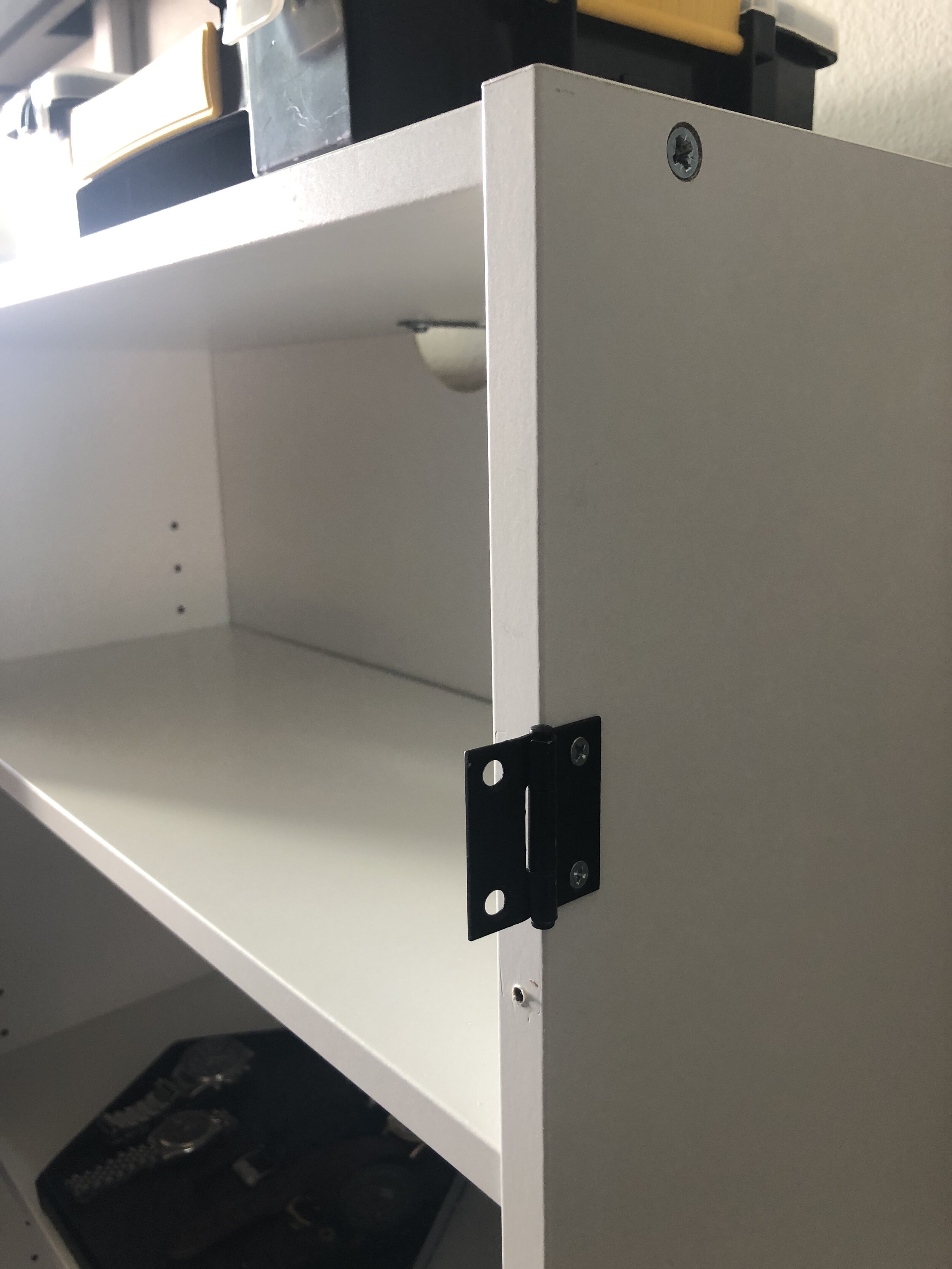
Choose hinges that fit your bookshelf style. Butt hinges are common and easy to install. Concealed hinges hide inside the door for a clean look. Piano hinges run the full length of the door for strong support. Pick hinges based on door weight and how they will open.
Marking Hinge Positions
Place the door where it will hang on the shelf. Use a pencil to mark where the hinges will go. Usually, one hinge goes near the top and one near the bottom. Measure the same distance from the door edges to keep hinges aligned. Double-check your marks before drilling holes.
Attaching Hinges To Doors And Shelf
Start by screwing the hinges onto the door first. Use a drill or screwdriver and small screws. Then, hold the door in place on the shelf. Attach the other part of the hinges to the bookshelf frame. Make sure the door swings open without rubbing or catching.
Mounting The Doors
Mounting the doors on your bookshelf gives it a polished, finished look. It also protects books from dust and damage. This step requires care to ensure doors fit well and open smoothly.
Aligning Doors Correctly
Start by placing the doors near the bookshelf. Check if the doors are straight and level. Use a ruler or level tool for accuracy. Mark the spots where hinges will attach. Proper alignment avoids gaps and rubbing.
Securing Doors To The Bookshelf
Attach hinges to the doors first. Use screws that fit the hinge holes well. Hold the door in place on the bookshelf. Screw the hinges into the bookshelf carefully. Tighten screws but do not strip them.
Adjusting Door Movement
Open and close the doors slowly. Notice if they swing freely without sticking. Loosen or tighten hinge screws as needed. Small shifts can improve door movement. Make sure doors stay in place when closed.
Adding Handles And Locks
Adding handles and locks to your bookshelf doors makes them easier to use and more secure. Handles give a clean look and help you open doors smoothly. Locks can protect special items or keep children safe.
Choosing the right handles and locks also adds style. Think about what fits your room and bookshelf design. This section explains how to pick and install handles and locks step by step.
Choosing Handle Styles
Pick handle styles that match your bookshelf’s look. Simple knobs work well for small doors. Pull handles fit larger doors and offer a modern feel. Metal handles give a strong, classic look. Wooden handles blend with wooden shelves.
Consider how easy the handles are to grip. Smooth shapes feel nice to touch. Handles should be strong and last long. Choose a style that fits your room’s color and theme.
Installing Handles
Mark the handle’s place on the door carefully. Use a ruler to make sure it’s even. Drill holes where the screws will go. Fix the handle tightly with screws.
Check if the handle moves well. It should feel firm but easy to pull. Use a screwdriver to tighten any loose screws. Proper installation means the handle lasts longer.
Optional Door Locks
Locks add security to your bookshelf doors. Choose simple locks like magnetic catches or slide bolts. These are easy to use and install. For more security, small keyed locks work well.
Install locks where doors meet or on the side. Make sure the lock does not stop the door from closing fully. Test the lock to ensure it works smoothly every time.
Finishing Touches
Finishing touches make your bookshelf doors look complete and polished. These steps improve both appearance and durability. Pay close attention to small details for a professional finish.
Sanding And Painting
Start by sanding the doors with fine-grit sandpaper. Sanding smooths rough edges and removes dust or dirt. Wipe the surface with a clean cloth before painting. Choose paint made for wood or furniture for best results. Apply thin, even coats and let each dry fully. Light sanding between coats helps paint stick better.
Sealing And Protecting
Seal the painted doors to protect from scratches and moisture. Use a clear varnish or polyurethane finish. Apply it with a soft brush in smooth strokes. Let the first coat dry completely. Add a second coat for extra protection. This step keeps the doors looking fresh longer.
Decorative Enhancements
Add simple decorations to personalize your doors. Attach stylish knobs or handles for easy opening. Use stencils or decals for patterns or designs. Consider small trim pieces for a classic look. These touches make your bookshelf doors unique and charming.
Credit: kaylasimonehome.com
Maintenance Tips
Keeping bookshelf doors in good shape makes them last longer and look better. Regular care helps avoid big repairs and keeps doors working smoothly. Follow these simple steps to maintain your bookshelf doors well.
Cleaning Doors
Dust the doors often using a soft cloth. For glass doors, use a gentle glass cleaner. Avoid harsh chemicals that can damage the surface. Wipe spills immediately to prevent stains or warping. Clean both sides to keep doors fresh and neat.
Tightening Hardware
Check screws, hinges, and handles regularly. Loose hardware can cause doors to hang improperly or make noise. Use a screwdriver to tighten any loose parts. Be careful not to overtighten, which can strip screws or damage wood. Proper hardware keeps doors stable and easy to open.
Preventing Wear And Tear
Avoid slamming doors to reduce damage. Use soft pads or bumpers to protect edges. Keep the area around the bookshelf clear to prevent bumps or scratches. Apply a wood polish or wax occasionally to protect wooden doors. Small actions help keep doors looking new for years.
Credit: www.shadesofblueinteriors.com
Frequently Asked Questions
How Do I Measure For Bookshelf Doors?
Measure the bookshelf’s height, width, and depth precisely. Ensure to account for door thickness and hinge placement. Accurate measurements prevent fitting issues and ensure smooth door operation.
What Type Of Doors Work Best For Bookshelves?
Sliding or hinged doors made from wood or glass work well. Choose based on space, style, and ease of access. Glass doors protect books while displaying them attractively.
How Do I Install Hinges On Bookshelf Doors?
Mark hinge positions on both door and bookshelf frame. Use a drill to create pilot holes for screws. Attach hinges securely to ensure smooth door movement.
Can I Add Doors To An Existing Bookshelf?
Yes, doors can be added to most bookshelves. Choose door style compatible with your bookshelf frame. Proper tools and measurements are essential for a neat installation.
Conclusion
Adding doors to your bookshelf can change its look and function. It keeps dust away and hides clutter. You only need some basic tools and simple steps. Take your time and measure carefully. This project fits well for any skill level.
Soon, you will enjoy a neat and stylish bookshelf. Try it yourself and see the difference. Simple changes make your space feel fresh and new.