Are your books piling up in a messy heap or crammed tightly on your shelf? How you store your books can make a big difference—not just for keeping them safe but also for making your space look inviting and organized.
Imagine reaching for your favorite novel and finding it easily, or showing off your collection in a way that sparks conversation. You’ll discover simple, effective ways to arrange your books so they stay in great shape and your shelf becomes a centerpiece of your room.
Ready to transform your bookshelf into a neat, beautiful display? Let’s dive in!
Choosing The Right Bookshelf
Choosing the right bookshelf is key to keeping your books safe and organized. The right shelf fits your space, holds your books well, and looks nice. It also protects your books from damage. Think about the room, the number of books, and your style. These points help you pick the best shelf for your collection.
Materials And Durability
Bookshelves come in wood, metal, and plastic. Wood looks warm and classic. Metal is strong and modern. Plastic is light and cheap. Choose a material that lasts and holds heavy books. Wood and metal shelves usually last longer. Check the quality to avoid shelves that bend or break easily.
Size And Capacity
Measure your space before buying a shelf. Check the height, width, and depth of the area. Think about how many books you have now and later. Pick a shelf with enough space to grow your collection. Shelves with adjustable heights let you store big or small books easily.
Design Styles
Bookshelves come in many styles. Some are simple and clean. Others have decorative details. Match the shelf style to your room’s look. A modern shelf fits a sleek room. A wooden shelf suits a cozy room. Choose a style that makes your space feel nice and inviting.

Credit: organisemyhouse.com
Sorting Your Books
Sorting your books helps keep your shelf neat and easy to use. It makes finding any book simple and fast. Different ways to sort books fit different needs. Choose a method that works best for your space and style.
By Genre Or Subject
Group books by their topic or genre. Keep fiction, history, science, and art separate. This helps you spot the kind of book you want to read. It also makes your shelf look organized and clear.
Alphabetical Order
Sort books by author’s last name or by title. This way, you can find any book quickly. It works well for large collections. Alphabetical order keeps your shelf tidy and easy to browse.
Color Coding
Arrange books by the color of their spines. This creates a bright, eye-catching display. It may not be best for quick searches. But it adds style and fun to your bookshelf.
Maximizing Shelf Space
Maximizing shelf space is key to keeping your bookshelf neat and full. Using smart storage methods helps you fit more books without clutter. You can make the most of your shelf space with simple ideas.
Vertical Vs Horizontal Stacking
Books usually stand vertically, spine out. This makes titles easy to see. But stacking some books horizontally saves space. Horizontal stacks can hold smaller books on top. Mix vertical and horizontal stacks to fit more books.
Using Bookends And Dividers
Bookends keep books upright and tidy. They stop books from falling over. Dividers separate books by category or size. Both tools help organize shelves. Use sturdy bookends and dividers for better support.
Double Shelving Techniques
Double shelving means adding a second layer of books. Use a small shelf or riser inside your main shelf. Place shorter books on top and taller ones below. This method doubles your shelf capacity easily.
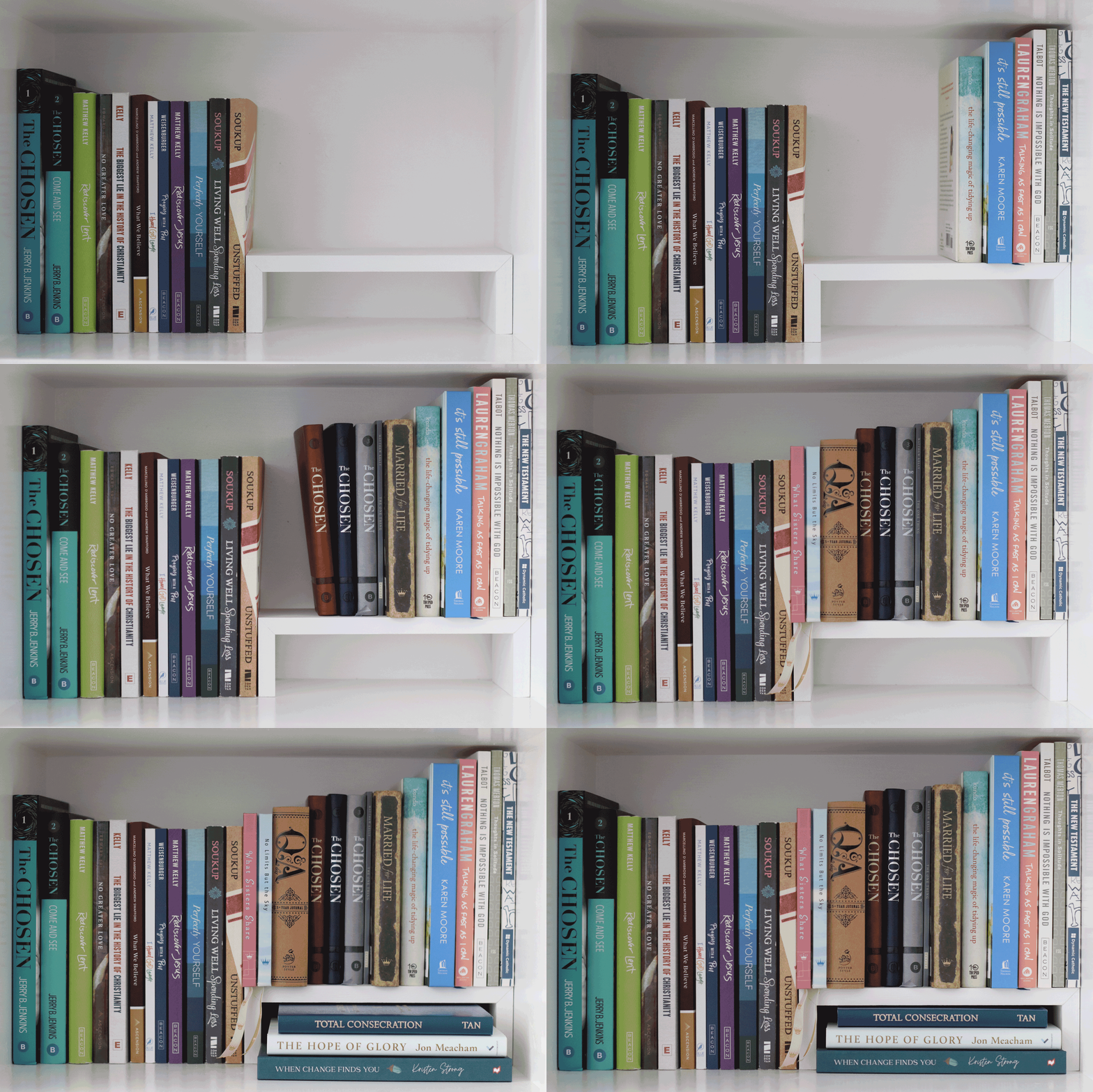
Credit: www.neathousesweethome.com
Protecting Your Books
Protecting your books helps keep them in good shape for years. Proper care stops damage from light, dust, and moisture. Small habits can save your books from wear and tear. This section shares simple tips to protect your collection.
Avoiding Sunlight And Moisture
Sunlight fades book covers and weakens paper fibers. Place bookshelves away from direct sunlight. Use curtains or blinds to block harsh rays. Moisture causes pages to warp and grow mold. Keep shelves in dry areas with good air flow. Avoid storing books near kitchens or bathrooms.
Cleaning And Dusting Tips
Dust can damage paper and attract pests. Dust books and shelves regularly using a soft cloth. Brush dust off book tops and edges gently. Avoid using water or liquid cleaners on books. Clean shelves with a dry or slightly damp cloth only. Regular cleaning keeps books fresh and inviting.
Using Protective Covers
Protective covers shield books from dirt and spills. Use clear plastic covers for valuable or rare books. Paper dust jackets help protect covers from scratches. Covers prevent pages from bending or tearing. Choose covers that fit well without harming books. Covers keep your books looking new longer.
Creative Display Ideas
Creative display ideas transform ordinary bookshelves into eye-catching features. They add personality and style to any room. Use simple tricks to make your books stand out and look inviting. Show your love for reading with smart, fun arrangements.
Incorporating Decorative Items
Mix books with decorative items to break the monotony. Small plants, candles, or photo frames add texture and color. Keep decorations small to avoid clutter. Use items that match your room’s style. This creates a balanced and interesting shelf.
Showcasing Favorite Titles
Highlight your favorite books by placing them at eye level. Stand some books upright with covers facing out. Use bookends to keep them neat and visible. Rotate titles to keep the display fresh. This draws attention to special books easily.
Themed Arrangements
Arrange books by theme for a creative touch. Group by genre, color, or author to create order. Use matching items related to the theme for decoration. For example, sea shells for beach novels. Themed shelves tell a story and invite curiosity.

Credit: www.minto.com
Maintaining Organization
Keeping your bookshelf neat helps you find books fast. It also protects your books from damage. Organized shelves make your space look clean and inviting. Simple habits can keep your collection in order every day.
Regularly Updating Your Collection
Check your bookshelf often. Add new books and remove old ones. This keeps the shelf fresh and easy to manage. Avoid letting books pile up without order. New arrivals should have a clear place.
Cataloging Your Books
Create a list of your books. Write down titles, authors, and genres. This helps you know what you have at a glance. Use a notebook or a simple app. Cataloging saves time and avoids buying duplicates.
Decluttering Strategies
Remove books you no longer want. Donate or sell them to free space. Sort books by use or interest. Keep only what you read or love. Less clutter means easier access and a tidy shelf.
Frequently Asked Questions
How To Organize Books On A Bookshelf Effectively?
Organize books by genre, author, or size for easy access. Use vertical and horizontal stacking to maximize space. Keep frequently read books at eye level for convenience and aesthetic appeal.
What Is The Best Way To Protect Books On Shelves?
Keep books away from direct sunlight to prevent fading. Maintain moderate humidity to avoid mold and warping. Use bookends to keep books upright and prevent damage.
How To Maximize Space On A Small Bookshelf?
Use adjustable shelves to fit different book sizes. Stack books horizontally on top of vertical rows. Utilize vertical space by adding shelf risers or additional tiers.
Should Books Be Stored Upright Or Stacked Horizontally?
Store books upright for easy access and to maintain shape. Stack horizontally only for oversized or fragile books. Alternate stacking styles to add visual interest.
Conclusion
Storing books on a bookshelf keeps them safe and easy to find. Arrange books by size, color, or topic for neatness. Avoid placing books in direct sunlight or damp places. Use bookends to keep books upright and prevent damage. Regularly dust shelves and books to keep them clean.
A well-organized shelf makes reading more enjoyable. Small steps protect your books for years to come. Give your collection the care it deserves.