Have you ever wondered how the console shows the routing table and what it really means for your network? Understanding this can be a game-changer when managing your devices.
When you look at the routing table on your console, it’s like reading a roadmap that guides data to its destination. But if this map looks confusing, you might miss crucial information that keeps your network running smoothly. You’ll discover exactly how the console displays the routing table and learn how to read it clearly.
By the end, you’ll feel confident navigating your network’s routes and solving common issues quickly. Keep reading to unlock the secrets behind your routing table console display.
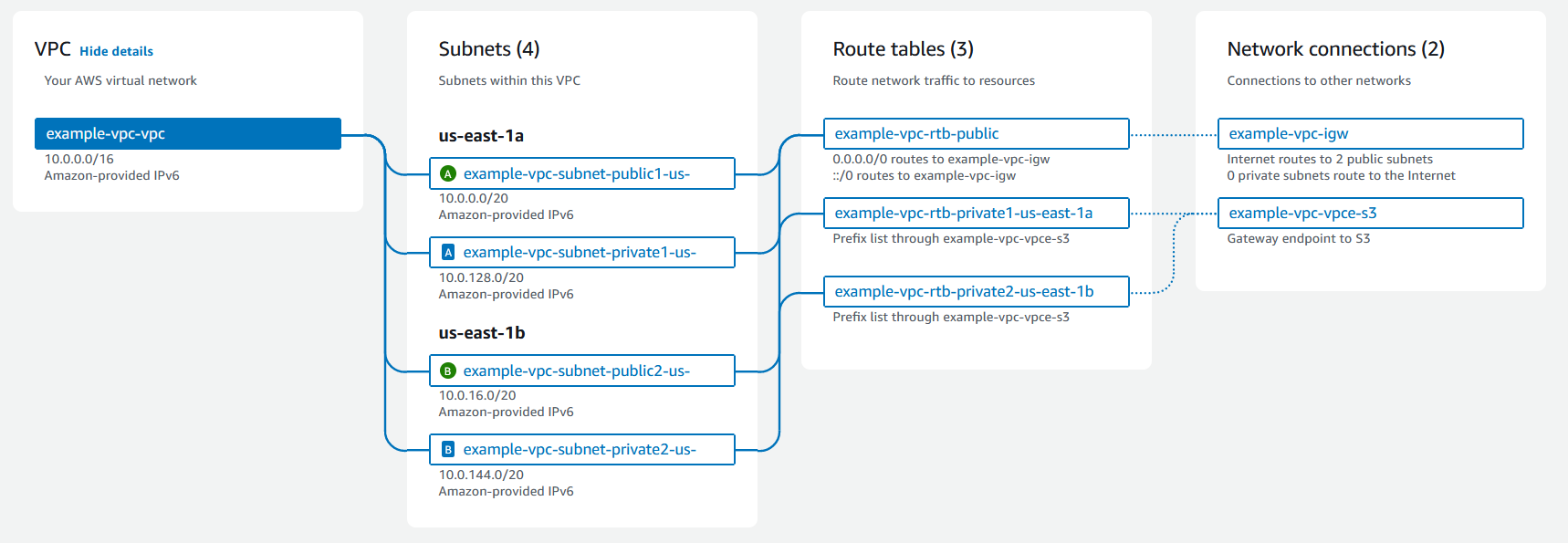
Credit: docs.aws.amazon.com
Console In Routing Tables
The console plays a key role in how routing tables are viewed and managed. It offers direct access to the router’s settings and routing information. Through the console, network administrators can see how routes are added, changed, or removed. This access helps keep the network running smoothly and securely.
Understanding the console’s place in routing tables helps clarify network control. It shows real-time data and allows quick troubleshooting. The console is often the first tool used in network maintenance and monitoring.
Role Of Console Interface
The console interface connects users directly to the router. It provides a command line where routing tables can be displayed. Users can enter commands to view routing paths and details. The console shows the current status of routes. It helps identify network problems fast. This interface is essential for manual configuration and verification.
Importance In Network Routing
The console is vital for accurate network routing management. It gives a clear view of all routing entries. This includes static routes, dynamic routes, and directly connected networks. The console helps detect incorrect or missing routes. It supports immediate changes to fix routing issues. Reliable routing depends on quick console access and updates.
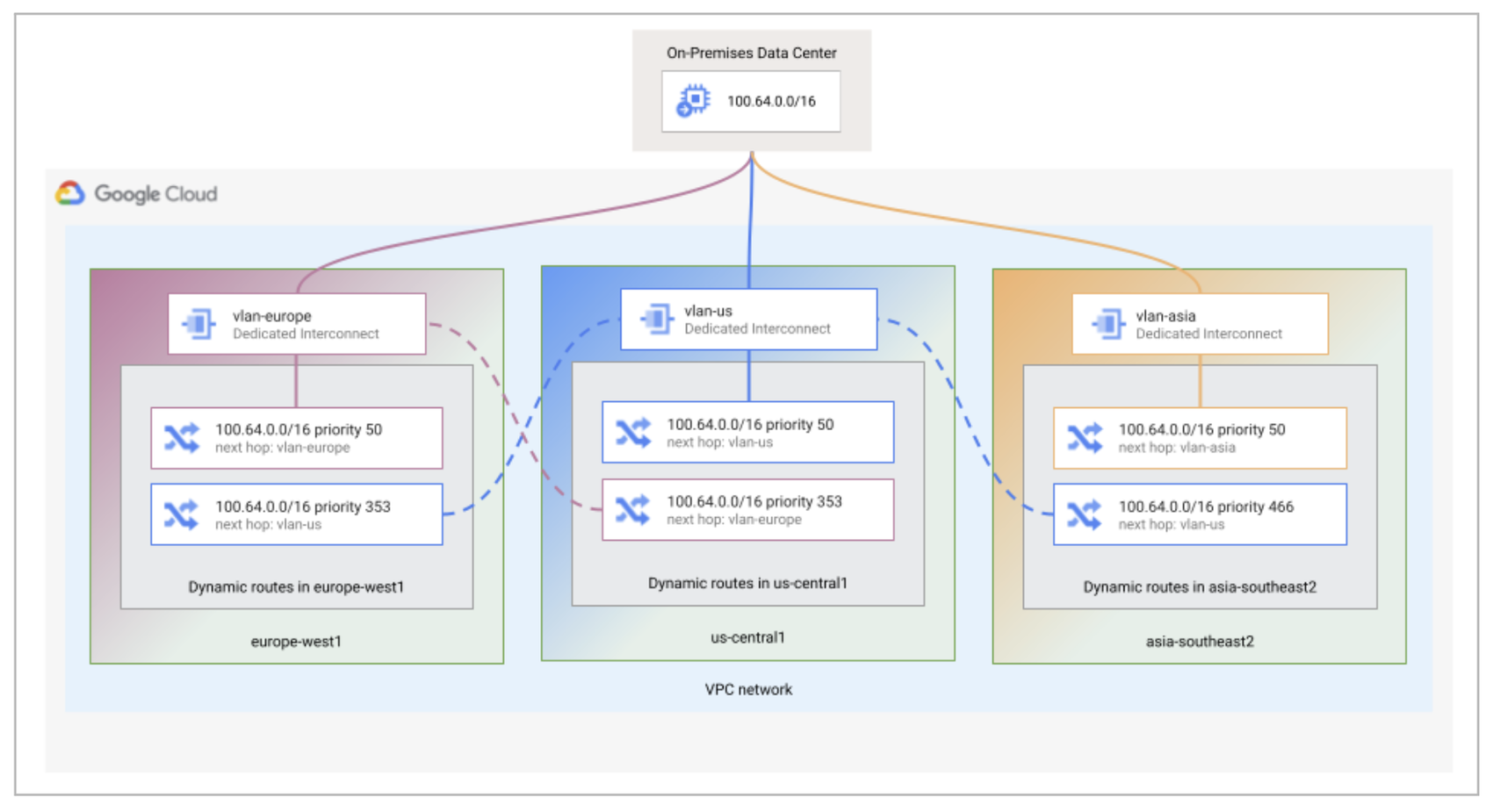
Credit: cloud.google.com
Routing Table Basics
A routing table is a crucial part of a network device like a router or switch. It helps the device decide where to send data packets. The table lists paths to different network destinations. Each entry guides the device on how to reach a particular address.
Understanding the routing table basics is key to managing networks. It shows the best routes for data to travel efficiently. The console displays this table in a simple format. This makes it easier to read and troubleshoot network issues.
Key Components
The routing table contains several important parts. The destination address shows where the data should go. The subnet mask defines the network’s size. Next hop is the address of the next device on the path. The interface tells which connection to use. Metrics measure the cost or distance to the destination. These elements help the router find the best path.
Types Of Routes
There are different route types in the routing table. Static routes are manually set by network admins. Dynamic routes are learned automatically from other routers. Connected routes show networks directly attached to the device. Each type serves a unique purpose in routing decisions. The console displays all these routes clearly for easy reading.
How Console Routes Appear
Understanding how console routes appear in the routing table helps network administrators manage traffic. The console routes show paths the device uses to send data. These routes appear in specific ways that provide clear information about their roles and priorities.
Default Console Route
The default console route is the main path for unknown traffic. It directs packets when no other route matches. This route often uses a destination of 0.0.0.0 or 0.0.0.0/0. It acts as a safety net for routing decisions. The console displays it clearly so administrators know where traffic will go by default.
Route Identification
Routes in the console have unique identifiers or codes. These help distinguish console routes from dynamic or static routes. The identification often includes route type, metric, and interface. Console routes usually have specific tags or markers. These details allow quick recognition and troubleshooting within the routing table.

Credit: www.itwonderlab.com
Configuring Console Routes
Configuring console routes is a key step in managing network traffic efficiently. It allows the router to direct data packets to the right paths. Proper configuration helps avoid network errors and improves communication speed.
This process involves setting rules that the router follows to decide where to send data. The console shows these routes in a table format. Understanding how to configure these routes ensures that the routing table displays accurate information.
Command Line Techniques
Most console route configurations happen through command line interfaces. Commands like ip route add or change routes. For example, ip route 192.168.1.0 255.255.255.0 10.0.0.1 sets a route for a specific network.
Deleting routes uses commands such as no ip route. You can also view the current routing table with show ip route. These commands help maintain a clean and accurate routing table.
Common Configuration Scenarios
One common scenario is setting a default route. This route sends all unknown traffic to a specific gateway. The command for this is ip route 0.0.0.0 0.0.0.0 [gateway IP].
Another scenario involves static routes for specific networks. Static routes direct traffic without dynamic routing protocols. They are useful in small networks or for secure paths.
Configuring routes for backup links is also common. These routes activate only if the main link fails. This setup ensures network reliability and uptime.
Troubleshooting Console Routes
Troubleshooting console routes is key to maintaining a healthy network. The console shows routing table entries, but sometimes routes do not behave as expected. Identifying and fixing these issues quickly helps keep data flowing smoothly. Knowing how to read and interpret console routes can save time and avoid bigger problems.
Common Issues
Routes missing from the table often cause connectivity problems. Incorrect route metrics or administrative distances confuse the routing process. Duplicate routes can lead to traffic loops or misdirection. Sometimes, routes show as inactive or stuck in a pending state. Misconfigured static routes or failed dynamic routing protocols also affect the table.
Debugging Tips
Start by verifying route entries with simple commands. Check the route source and metric values for accuracy. Use debug commands to watch routing updates in real time. Look for error messages related to route failures or protocol mismatches. Clear or reset routes to force new updates. Document each step to track changes and results clearly.
Best Practices
Best practices help keep the console routes clear and secure. Proper management of these routes improves network performance and reduces errors. Following simple steps ensures the routing table stays accurate and easy to understand.
Maintaining Console Routes
Regularly check the routing table for outdated console routes. Remove any routes that no longer apply. Keep route entries concise and organized. Use clear labels to identify console routes easily. Update routes after any network changes. This helps avoid confusion and routing issues. Schedule routine audits to maintain accuracy.
Security Considerations
Protect console routes from unauthorized access. Limit who can view or modify routing tables. Use strong passwords and secure connections for console access. Monitor logs for unusual route changes. Apply access controls to prevent tampering. Secure routing information to stop potential attacks. Keep software updated to fix security flaws.
Frequently Asked Questions
How Is The Console Interface Displayed In Routing Tables?
The console interface appears as a local route entry in the routing table. It shows the route to the router itself, often marked with “connected” status and the console IP or interface name.
Why Does The Console Appear In Routing Tables?
The console is listed to indicate direct access routes. It helps administrators identify local device interfaces and manage routing decisions efficiently.
What Does Console Entry Signify In Routing Tables?
It signifies the router’s local connection point. This entry confirms the console’s role in network management and local device routing.
Can Console Routes Affect Routing Decisions?
No, console routes are local and do not influence packet forwarding. They only represent the router’s management interface in the table.
Conclusion
The console in the routing table shows key network paths clearly. It helps identify active routes and troubleshoot issues fast. Understanding how the console displays routes makes network management easier. This knowledge improves your ability to maintain stable connections. Keep practicing to read routing tables with confidence.
Simple steps lead to better network control and fewer errors. The console remains a vital tool for anyone working with routers. Stay curious and explore routing tables regularly to build skills.